

For over a century, Converse, and specifically its Chuck Taylor All Star, has achieved a rare feat: it has transcended the category of footwear to become a cultural artifact. Unlike brands that chase trends, Converse has often set them by embedding itself within the very fabric of youth rebellion and creative expression. Its advertising campaigns are not mere product showcases; they are cultural documentaries, manifestos for individualism, and amplifiers for grassroots movements. This article explores how Converse has consistently leveraged its iconic canvas sneaker as a symbol, using advertising not to dictate culture, but to curate, celebrate, and champion the voices defining it.
The Converse Doctrine: The Brand as a Blank Canvas
Converse's marketing genius lies in a paradoxical strategy: it made its most iconic product a vessel for the consumer's identity, not the brand's. The classic Chuck Taylor is simple, unstructured, and unadorned—a literal and metaphorical blank canvas. This design philosophy directly informed its advertising approach:
Anti-Elitist Positioning: While other brands sold aspiration and exclusivity, Converse sold accessibility and authenticity. Its ads rarely featured airbrushed models in luxurious settings. Instead, they showed real people in real subcultures—the garage band, the skate park, the protest line, the art studio.
The Community-as-Hero Model: Converse ads have historically shifted the spotlight from the brand to the communities that wear it. The brand positioned itself as a facilitator, a platform, and a patron of creativity, not its originator.
Subcultural Credibility Over Mass Appeal: Instead of diluting its message for the widest audience, Converse deepened its resonance by speaking directly and authentically to niche, influential subcultures—punks, skaters, indie musicians, artists—knowing their adoption would ripple outward.
Campaign Deconstruction: From Personal Expression to Collective Action
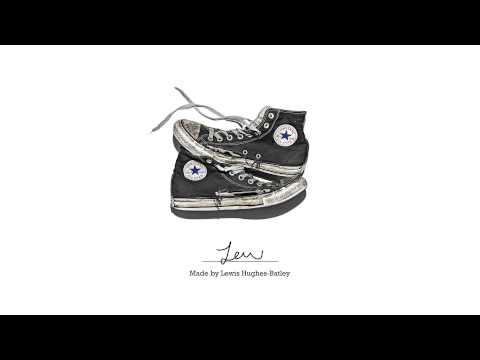
1. "Made By You" (2015) – The Celebration of the Individual Canvas
The Campaign: For the Chuck Taylor's 100th anniversary, Converse launched "Made By You," a global campaign showcasing heavily worn, customized, and personalized Chucks. It featured icons like Patti Smith and contemporary artists, but the true stars were the thousands of user-submitted photos of shoes decorated with paint, patches, lyrics, and scars of lived experience.
Why It Defined a Movement: This campaign was a masterstroke of participatory marketing. It formally acknowledged what youth had been doing for decades: using the Chuck as a diary. It validated personal storytelling and DIY customization as the highest form of brand engagement. In an era of mass production, "Made By You" championed individuality, telling youth that their unique mark—their "wear and tear"—was not a flaw, but the source of the product's true value. It defined a movement of assertive self-identity.
YouTube Link:
2. "#WeAreNotAlone" (2019) – The Power of the Collective
The Campaign: This campaign pivoted from the individual to the collective. It profiled grassroots youth crews around the world, such as Surfers Not Street Children in Durban and the Ghetto Film School in New York. The ads were cinematic, focusing on the work these groups do in their communities and the solidarity they share.
Why It Defined a Movement: "#WeAreNotAlone" tapped into a potent Gen Z and Millennial sentiment: loneliness in a hyper-connected world and a desire for purposeful community. It showed rebellion not as destructive anger, but as constructive, collective action. Converse positioned itself not as a shoe company, but as a connective tissue for a global network of young changemakers. It defined a youth movement centered on social impact, diversity, and authentic connection over digital superficiality.
YouTube Link:

3. "Love, Chuck" ft. Tyler, The Creator – The Authentic Collaborator
The Campaign: Rather than a standard endorsement, this partnership gave Tyler, The Creator creative control. The ads reflected his singular, psychedelic, and off-kilter aesthetic, featuring his music and his friends. It felt less like an ad and more like an episode of Tyler's world, where Converse happened to be the footwear of choice.
Why It Defined a Movement: This collaboration epitomized how to engage with post-genre, creator-led youth culture. Tyler is a musician, fashion designer, and visual artist whose influence stems from his uncompromising authenticity. By handing him the keys, Converse earned credibility with a generation that detests being "sold to." It defined a movement where brands must act as humble collaborators with cultural creators, not arrogant directors.
YouTube Link:

4. "Converse Crews" Campaign – Grassroots as Ground Zero
The Campaign: An extension of the collective ethos, this ongoing initiative provided funding, platforms, and exposure to local youth crews—from skateboarding groups to LGBTQ+ advocacy clubs. Advertising highlighted their stories and the tangible impact of their work.
Why It Defined a Movement: This campaign operationalized support. It moved beyond inspirational messaging to material patronage. For youth feeling disenfranchised by large institutions, "Converse Crews" demonstrated that a major corporation could be a reliable ally for hyper-local, grassroots activism. It defined a movement of micro-communities driving macro-change and showed that corporate support could feel genuine when it was decentralized and community-nominated.
YouTube Link:
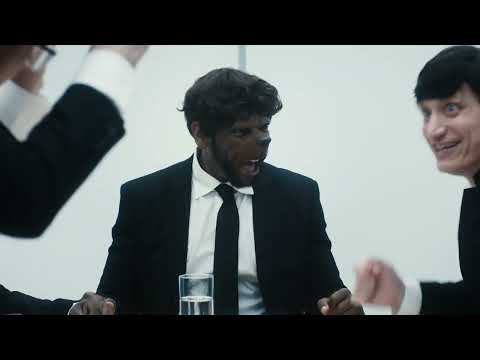
5. Embedded in Music & Skate Culture – The Eternal Subcultural Stamp
The Campaign: For decades, Converse's most powerful "ads" were often unpaid placements—the worn Chucks on the feet of Kurt Cobain on stage, of The Ramones on album covers, of skaters like Natas Kaupas in seminal videos. Later marketing formally embraced this, creating ads that simply mirrored these authentic scenes.
Why It Defined Movements: This long-term, organic embedding is Converse's foundational strategy. By being the uniform of punk's rebellion, grunge's apathy, indie's authenticity, and skateboarding's creativity, Converse became synonymous with the attitudes of those movements. The brand didn't just market to these scenes; it earned its stripes within them. Its later ads merely honored this legacy, reminding new generations that these shoes come pre-loaded with a history of counter-culture credibility.
YouTube Link:

The Cultural Mechanics: Why This Approach Resonates
Converse's strategy works because it aligns with core youth desires:
The Search for Authenticity: In a world of filtered realities, Converse campaigns feel real, gritty, and unpolished.
The Desire for Agency: Campaigns like "Made By You" and "Converse Crews" give youth a sense of ownership and participation.
The Need for Belonging: "#WeAreNotAlone" directly addresses modern alienation, offering a narrative of inclusive community.
The Expression of Identity: The simple Chuck serves as a neutral base for endless self-expression, a concept its ads constantly reinforce.
The Legacy and the Tightrope
Converse's history is a blueprint for authentic brand building, but it is not without its challenges.
The Nike Ownership Paradox: Since its acquisition by Nike in 2003, Converse has walked a tightrope. It must maintain its rebellious, anti-establishment image while being owned by the world's largest sportswear establishment. Campaigns heavily focused on grassroots authenticity help mitigate this tension.
The Commodification Risk: As Chucks become ubiquitous, the risk of the symbol becoming empty is real. The brand must continually reinvest in genuine subcultural partnerships to keep the "rebellion" from becoming a nostalgic costume.
Innovation vs. Heritage: How does a brand rooted in a 100-year-old silhouette stay relevant? The answer has been to innovate in marketing and collaboration (new materials, artist series) while keeping the classic design untouched, treating it as an icon to be celebrated, not altered.
Conclusion: The Unchanged Symbol in a Changing World
Converse ads have defined youth movements because they have possessed the humility to understand that the brand's role is not to lead the parade, but to provide the shoes for those who are. From the punk stages of the 1970s to the community gardens of the 2020s, Converse has used its advertising to hold up a mirror to the most vibrant, rebellious, and creative corners of youth culture.
In doing so, it has performed the ultimate marketing alchemy: it has convinced generations that by lacing up a pair of Chucks, they are not just buying a shoe—they are accessing an identity, joining a legacy, and finding a canvas for their own story. In the history of advertising, Converse stands as a testament to the power of authenticity, proving that the most enduring brand message is one that you allow your audience to write for themselves. The Chuck Taylor remains unchanged, precisely so that everything else can be.

Discover Vans ads that celebrate the essence of skateboarding culture. Explore iconic designs and stories that resonate with skaters worldwide.

Discover how Puma's innovative ads seamlessly blend fashion and sports, showcasing style and performance in every campaign. Explore the evolution of athletic advertising.
Discover Nike's latest ads showcasing unexpected collaborations that redefine style and innovation. Explore the creative partnerships making waves in fashion.

Discover how Adobe Ads celebrates digital creativity, empowering artists and marketers to unleash their potential and connect with audiences like never before.
Discover how Zoom ads have transformed remote work culture, showcasing innovative strategies that resonate with today's digital workforce.

Discover how Uber Ads bring everyday stories to life, showcasing real experiences and connections that resonate with audiences everywhere.

Discover the commercials that transcended advertising to become iconic pop culture catchphrases. Explore their impact and lasting legacy today!

Explore ads that foresaw technological advancements, showcasing visionary marketing that predicted the future of tech. Discover the power of advertising today.