
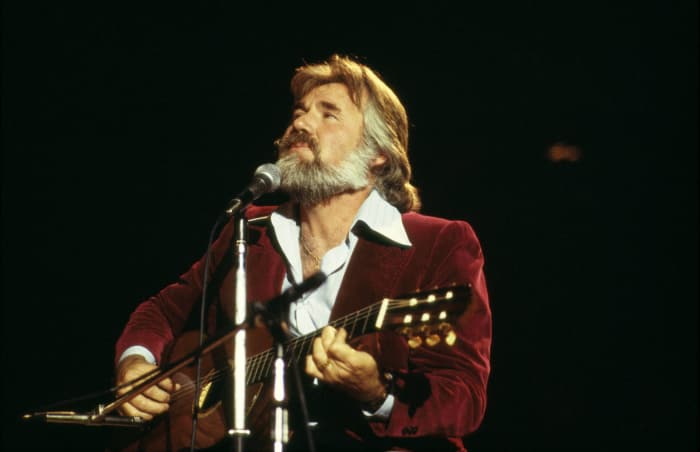
Music and advertising have shared a powerful symbiosis for decades. A catchy melody can turn a commercial into a generational anthem, but when the voice or image belongs to a global music star, the campaign transcends marketing to become a cultural event. These ads don't just sell a product; they capture a moment, define an aesthetic, and crystallize the relationship between an artist and their era.
This article explores the most iconic and memorable collaborations between famous singers and major brands, analyzing the alchemy that makes them work, their lasting impact, and how they continue to define today's advertising strategies.
The Success Formula: Why Singers in Ads Work
The inclusion of a musical icon in an advertising campaign is a high-risk investment that, when successful, yields incalculable dividends. Its effectiveness rests on several pillars:
Pure Star Power and Artistic Credibility: A famous singer is not just a face; they are a complete symbolic universe. They carry with them a narrative, a lifestyle, a legion of fans, and a cultural authority that a traditional model or actor can hardly match. They attract instant attention and confer upon the brand an aura of relevance and "coolness."
Instant and Deep Emotional Connection: Music is the direct language of emotion. An artist associated with personal memories, dances, or experiences generates an immediate affective response in the viewer. The brand benefits from this emotional borrowing, creating a bond more powerful than any rational argument.
Narrative of Identity and Aspiration: Fans don't just listen to their idols; they aspire to be like them, or at least to participate in their world. An ad places the product within that aspirational universe. Drinking the same soda as Michael Jackson or using the same technology as Lady Gaga becomes an act of identification and belonging.
Viral and Memetic Potential: Before social media, these ads were the viral content of their time, discussed in schoolyards and etched in collective memory. Today, with platforms like YouTube, they are reborn and shared, generating millions of views and amplifying their impact for decades.
Cross-Generational Bridge: Legendary artists like Elton John or Madonna allow brands to connect simultaneously with the nostalgia of one generation and the curiosity of younger ones, who rediscover them in a modern context.
An Anthology of Collaboration: Ads That Define Eras
1. Michael Jackson – Pepsi (1984)
The deal that forever changed the rules of the game.
The Context: In 1984, Michael Jackson wasn't just the King of Pop; he was the most famous artist on the planet. Pepsi, the eternal "second" to Coca-Cola, signed a historic $5 million contract to partner with him. The first commercial, directed by filmmaker Bob Giraldi, showed Jackson performing "Billie Jean" on a street that erupts into choreography, culminating with his cheek being grazed by fireworks that caused a real, small fire in his hair.
The Strategy: Pepsi didn't just buy an endorser; it bought a mythology. The ad presented Jackson not as a salesman, but as a force of nature that transformed the everyday into a magical spectacle. The "Pepsi Generation" campaign stopped talking about taste to talk about the energy, youth, and cutting edge that Jackson embodied.
The Legacy: This commercial set the standard for cost and impact in celebrity-brand collaborations. It turned the launch of an ad into a global media event and demonstrated that a beverage could be a symbol of cultural identity.
YouTube Link:
 Watch YouTube video

2. Madonna – Pepsi "Like a Prayer" (1989)
The most controversial and, therefore, unforgettable collaboration.
The Context: At the peak of her fame, Madonna signed a multi-million dollar contract with Pepsi that included the world premiere of her "Like a Prayer" video as a 2-minute commercial. The spot, beautiful and dreamlike, showed Madonna dreaming of a saint coming to life. However, the full music video, released immediately after, contained images of burning crosses and stigmata that enraged conservative religious groups.
The Strategy: Pepsi sought to capitalize on Madonna's boldness and trendsetting power. It was a high-stakes bet on the most avant-garde pop culture.
The Legacy: Although Pepsi pulled the commercial under pressure, the episode became a fundamental lesson about the risks of associating with genuinely transgressive artists. It also demonstrated the power of an ad to generate a cultural debate that completely transcended the product. The news was that Pepsi canceled the ad, not that they had launched it, which amplified its impact.
YouTube Link:
Watch YouTube video
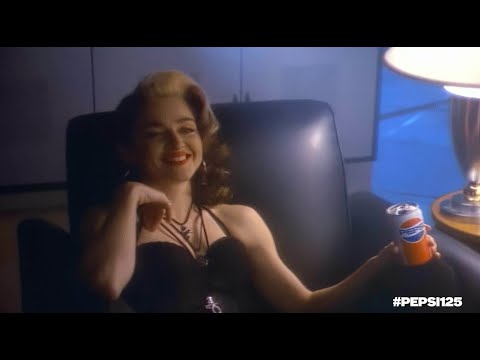
3. Britney Spears – Pepsi "Joy of Cola" (2001-2002)
The pop princess and the girl next door.
The Context: At the height of her fame, Britney Spears was the epitome of teenage pop and the American fantasy. Her campaign for Pepsi was an explosion of color, energy, and accessible charisma.
The Strategy: Unlike the distant god that was Jackson, Britney was the talented, adorable girl who lived right next door. The ads showed her dancing with contagious joy, flirting with an ordinary boy, or reenacting scenes from classic films like Casablanca. Pepsi positioned itself as the perfect complement to a young, social life full of "cinematic" moments.
The Legacy: The campaign perfectly encapsulated the pop spirit of the turn of the millennium. It showed how a star could be used not only for her voice, but for her charisma and her ability to embody a desirable and seemingly attainable lifestyle.
YouTube Link:
Watch YouTube video

4. Beyoncé – Pepsi (2012-2013)
The evolution: from endorser to creative partner.
The Context: Beyoncé, already established as a global force, signed a $50 million deal with Pepsi that went far beyond appearing in commercials. It included funding for her creative projects, presence on her tours, and the co-creation of campaigns.
The Strategy: The ads, like the high-production "Glamour," presented Beyoncé as a pop empress, a total artist in control of her narrative. She wasn't a girl enjoying a soda, but an icon whose world of creativity and power was amplified by the brand. Pepsi became a "facilitator" of her art.
The Legacy: This deal marked a new paradigm: the singer as a strategic partner and direct beneficiary of the alliance, not just a well-paid face. It elevated the collaboration from simple endorsement to a mutually beneficial brand fusion (Beyoncé as a brand).
YouTube Link:
Watch YouTube video
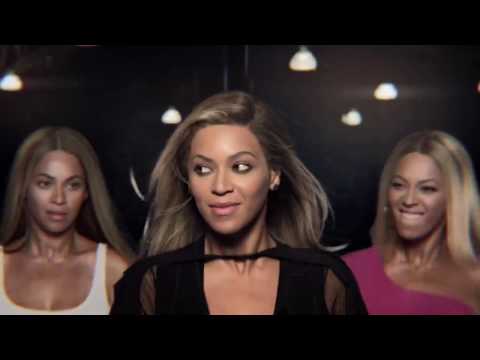
5. Elton John – Snickers (2019)
The mastery of self-parodying humor.
The Context: Snickers had been running the successful "You're Not You When You're Hungry" premise for years. For the Super Bowl, they made a stratospheric leap: they hired Sir Elton John, a venerable music legend.
The Strategy: The commercial, a narrative gem, showed a diva-ish and demanding Elton John in a luxurious backstage, complaining that his favorite sweet (Snickers) wasn't available. After eating one, he transforms into his "true self": an American football player decked out in an extravagant suit, running across the field celebrating. The joke was perfect: it played with John's eccentric and grandiose image to then reveal a "common and energetic" essence.
The Legacy: It demonstrated the power of intelligent humor and self-awareness in celebrity advertising. An artist can lend their image not to glorify it, but to laugh at it affectionately, humanizing themselves and creating a huge connection with the audience. It was a triumph of narrative over mere exposure.
YouTube Link:
Watch YouTube video
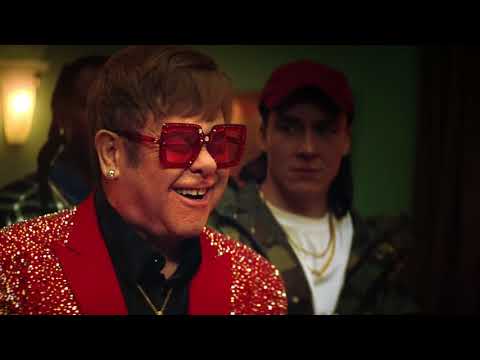
6. Taylor Swift – Diet Coke (2013-2014)
Authenticity and intimate connection with fans.
The Context: During her transition to mainstream pop with the album Red, Taylor Swift was famous for her direct and "personal" relationship with her followers. Diet Coke sought to rejuvenate its image.
The Strategy: The commercials didn't show Swift in big spectacles, but in intimate moments of creation: writing songs in her room, daydreaming. The drink appeared as part of that genuine and personal creative process. The brand aligned itself with the values of authenticity, storytelling, and emotional connection that defined Swift.
The Legacy: This campaign exemplified how a brand can use a celebrity not only for their fame, but for the specific narrative they represent. Diet Coke didn't buy Swift's fame; it bought her essence as a "creative and relatable girl," which was exactly what they wanted to project.
YouTube Link:
Watch YouTube video

The Risks of the Game: Controversies, Costs, and Burnout
The path is not without bumps. The investment is astronomical. The artist's personal life (like the scandals surrounding Britney Spears or Michael Jackson) can tarnish the brand's image. A poor fit between the singer's values and the product's results in forced ads that the public rejects. And overexposure can wear down both the artist and the ad's effectiveness.
Conclusion: The Perfect Symphony Between Art and Commerce
From Michael Jackson's pyrotechnic spectacle to Elton John's intelligent self-parody, singers have proven to be the ultimate storytellers in advertising. They don't just lend their image; they lend their story, their emotion, and their tribe.
In 2026, in a digital world where authenticity is the most valuable currency, these collaborations will evolve. We will see more co-creation deals like Beyoncé's, where the artist has creative control; more use of meta and self-referential humor; and a focus on artists with ultra-engaged digital communities (like K-pop stars). The enduring lesson is that when a brand understands and respects an artist's essence, the result is not a simple ad—it's another chapter in popular culture. Music, in the end, remains the soundtrack of our lives, and advertising, at its best, only asks to turn up the volume.
Discover effective strategies for conducting market research to enhance your campaigns. Learn how to gather insights that drive successful marketing decisions.
Discover how visuals enhance advertising effectiveness, capturing attention and driving engagement. Explore the science behind impactful visual strategies.
Discover the art of crafting a compelling brand story that connects with your audience. Learn essential tips to elevate your brand's narrative and impact.

Discover how GoPro transformed its customers into passionate creators, fostering a vibrant community that shares stunning adventures and inspiring content.
Discover how Ben & Jerry’s champions social justice through impactful campaigns. Join the movement for equality and learn about their initiatives today.
Discover how LEGO ads spark creativity and inspire imaginative play, transforming simple bricks into limitless possibilities for builders of all ages.
Discover the most memorable commercials that cleverly broke the fourth wall, engaging viewers in unique ways. Explore creativity in advertising today!

Discover how quiet campaigns influence public perception and drive change without the noise. Explore their effectiveness and strategies

Discover the fascinating journeys of unknown actors who skyrocketed to fame through memorable advertisements. Explore their stories and impact on pop culture.
Discover the groundbreaking ads that transformed political campaigning forever. Explore their impact and how they shaped modern electoral strategies.

Discover the viral ads that began as memes and transformed into marketing phenomena. Explore the creativity behind these unforgettable campaigns today!