
In theater and film, the "fourth wall" is the invisible barrier separating the characters from the audience. Convention dictates that actors do not break it, maintaining the illusion of an autonomous world. Traditional advertising adopted this rule, presenting polished narratives where products sell themselves in perfect universes. However, some of the most effective and unforgettable commercials in history have shattered that wall. By speaking directly to the camera, mocking their own nature, or brazenly exposing the tricks of the trade, these ads create a unique, intelligent, and, above all, human connection with the viewer.
This article explores the phenomenon of commercials that break the fourth wall, revealing the psychology behind this technique, analyzing iconic examples that changed the rules of the game, and examining how this boldness continues to shape modern advertising.
Why Breaking the Wall Works: The Psychology of Complicity
Breaking the fourth wall is not a simple trick; it's a sophisticated psychological strategy that generates complicity.
Direct Engagement and Instant Intimacy: By looking us in the eye (through the camera) and speaking directly to us, the ad stops being a one-way broadcast and becomes a conversation. This creates a sense of intimacy and trust, as if the brand were making a private, sincere comment to us.
Humor and Surprise Through Self-Awareness: The surprise of an ad knowing it's an ad is powerful. It activates our appreciation for wit and self-critique. Meta-humor (humor about the medium itself) makes us feel intelligent for "getting the joke," creating a positive association with the brand.
Transparency as an Antidote to Skepticism: 21st-century consumers are immune to grandiose marketing. Acknowledging that you're watching an ad, and perhaps even mocking its clichés, disarms distrust. The brand seems honest, modest, and realistic.
Viral Potential and Memeability: This type of intelligent, self-referential humor is the perfect fuel for social media. People share not just a product, but an ingenious joke they want to be part of.
Radical Differentiation: In an ocean of ads that take their message seriously, one that laughs at itself stands out as a beacon of originality and creative confidence.
Iconic Commercials That Broke the Wall (and Our Defenses)
1. Old Spice – "The Man Your Man Could Smell Like" (2010)
The master of ceremonies of self-aware absurdity.
The Technique: Isaiah Mustafa not only speaks directly to the camera (and, by extension, to the women in the audience) but comments on and manipulates the reality of the commercial itself. He changes settings with a shrug of his shoulders ("Look down, back up. I'm on a horse"), generates diamonds out of thin air, and concludes with the now-famous: "Anything is possible when your man smells like Old Spice and not a lady." The ad doesn't just sell deodorant; it sells its own ability to be anything, continually breaking its own fabricated reality.
The Impact: It revolutionized male advertising. Instead of the typical serious macho image, it offered an absurd, hyper-competent macho in total control, even of the ad's metaverse. Its viral success demonstrated that audiences craved intelligence and humor over simple glamour.
YouTube Link:
 Watch YouTube video
2. Dollar Shave Club – "Our Blades Are F*ing Great" (2012)
The fourth wall demolished by a CEO with a hand-held camera.
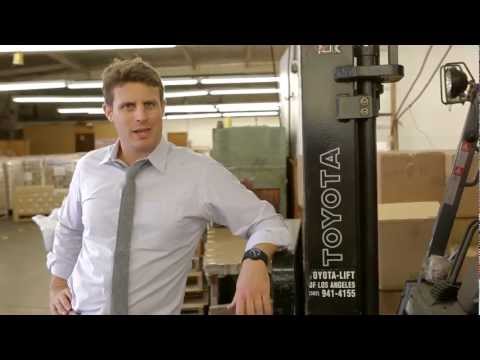
The Technique: Michael Dubin, the CEO and co-founder, walks through a warehouse speaking directly to the camera with dry, unfiltered humor. He mocks the absurdities of razor advertising ("How much are you paying for your blades? Twenty dollars a month? Gillette loves your dumb balls!"). The (apparent) low production quality reinforces the feeling of authenticity and being "off-script."
The Impact: This 1:33 minute video didn't just launch a billion-dollar company; it redefined expectations for DTC (Direct-to-Consumer) startups. It showed that radical transparency, irreverent humor, and a conversational tone could create a stronger connection than any multi-million dollar ad budget. It was the perfect antithesis of Gillette's polished ads.
YouTube Link:
 Watch YouTube video
3. Skittles – "Taste the Rainbow" (Various campaigns)
Surrealism that invites the viewer into its absurd world.
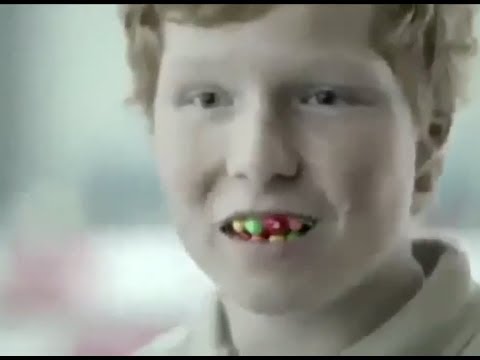
The Technique: Skittles commercials are masters at creating internally logical universes where absurdity is the norm. They often break the fourth wall not with direct speech, but with a look to camera, a gesture, or a premise that directly involves the viewer in their madness. For example, in the "Rainbow Inside" ad, a man starts expelling Skittles from his navel and simply looks at the camera with a mix of resignation and pride, sharing the absurdity with us.
The Impact: Skittles doesn't sell flavor; it sells a shared mental experience. By breaking the wall with surrealism rather than chat, they make the viewer complicit in their weird sense of humor. The brand becomes an abstract comedian who always includes you in the joke.
YouTube Link:
 Watch YouTube video
4. Snickers – "You're Not You When You're Hungry"
Comic exaggeration that speaks directly to us.
The Technique: While many Snickers ads are based on the transformation premise, the best ones break the fourth wall at the end, when the character, now restored to their "real self," looks at the camera and delivers the campaign line. This moment of direct eye contact turns the viewer into the confidant who witnessed the madness. They're telling us: "You saw it. You know how it is. So eat a Snickers."
The Impact: It transforms an exaggerated comic situation into a shared universal lesson. The look to camera is the final wink that says "this happens to you too," making the message personal and applicable.
YouTube Link:
 Watch YouTube video
5. GEICO – "Meta-Humor" Campaigns
The ad factory that laughs at itself.
The Technique: GEICO has built an entire identity around serially breaking the fourth wall. From the famous gecko complaining that people only want him for ads, to the series of "Happier Than..." commercials that interrupt themselves, GEICO constantly acknowledges and mocks the formula of the insurance ad. They even have ads where different characters from their past campaigns meet and discuss their roles.
The Impact: It turns the obligatory brand reminder into a comedic variety show that people anticipate. By making it explicit that they are an ad and playing with that, they deactivate the viewer's mental "zapping." You're not watching an insurance ad; you're watching the concept of an insurance ad being deconstructed with humor.
YouTube Link:
 Watch YouTube video
The Risks of Looking the Audience in the Eye
This strategy is not foolproof. Meta-humor can be misunderstood or seem pretentious. If it's not rooted in the brand's personality, it feels forced. Overuse can turn a refreshing tactic into a tired cliché. Furthermore, this self-referential humor may not cross certain cultural barriers well, where subtlety or directness are perceived differently.
Conclusion: Complicity as the New Currency
Breaking the fourth wall is, at its core, an act of respect for the consumer's intelligence. It acknowledges that we are tired of being talked at, and we crave being talked with. In a media landscape where authenticity is the most valuable currency, these ads offer a powerful dose of performative truth: they admit they are an ad, and then ask if we can have fun together despite it.
In 2026, with native advertising, influencer marketing, and AI-generated content making the line between content and commercial blurrier than ever, the need for transparent human connection will only grow. The brands that have the confidence to lower the stage, look us in the eye, and say with a smile, "Yes, this is an ad. Ready to make this interesting?" will be the ones that build the most lasting relationships. Because in the end, selling isn't about maintaining perfect illusions, but about starting real conversations. And sometimes, that requires breaking a wall or two.
Discover effective strategies for conducting market research to enhance your campaigns. Learn how to gather insights that drive successful marketing decisions.
Discover how visuals enhance advertising effectiveness, capturing attention and driving engagement. Explore the science behind impactful visual strategies.
Discover the art of crafting a compelling brand story that connects with your audience. Learn essential tips to elevate your brand's narrative and impact.
Discover how quiet campaigns influence public perception and drive change without the noise. Explore their effectiveness and strategies
Discover the fascinating journeys of unknown actors who skyrocketed to fame through memorable advertisements. Explore their stories and impact on pop culture.
Discover the groundbreaking ads that transformed political campaigning forever. Explore their impact and how they shaped modern electoral strategies.
Discover the viral ads that began as memes and transformed into marketing phenomena. Explore the creativity behind these unforgettable campaigns today!
Discover the unexpected side of sports stars in advertising! Explore how these athletes surprised us with their unique and memorable ad campaigns.
Explore the early insights into 2026's summer campaigns. Discover trends, strategies, and what to expect as brands gear up for the season ahead.
Discover how Tesla revolutionizes automotive advertising with innovative strategies that challenge traditional marketing norms and captivate audiences worldwide.
Discover how Patagonia uses innovative advertising to champion sustainability, inspiring consumers to make eco-friendly choices and protect our planet.