

Advertising has often functioned as a mirror of society, reflecting cultural trends and technological aspirations. But some commercials have gone beyond mere promotion, offering genuine windows into the future. These ads didn't just sell products; they predicted innovations that decades later would become everyday realities, shaping the expectations of entire generations about what was possible.
This article explores those visionary ads that predicted the future of technology, analyzing their narrative strategies, cultural impact, and the reasons they remain etched in the collective memory. Through a tour of iconic campaigns, we'll discover how brands didn't just follow trends—they anticipated them.
Why Technological Predictions in Advertising Matter
Futuristic ads serve a function that transcends immediate marketing. They are a form of visionary "storytelling" that:
Shapes Public Expectation: Before a market exists, there is desire. These ads educated and inspired the public, creating a collective yearning for technologies that didn't yet have a name.
Positions the Brand as a Leader: A company that shows the future is perceived as the one building it. It's a powerful positioning tool that associates the brand with innovation and progress.
Activates Imagination: By presenting a plausible and desirable future, ads activate the consumer's imagination, making them a participant in a narrative of advancement.
Creates a Cultural Legacy: These commercials become time capsules. Looking at them today allows us to see not only what was imagined, but how it was imagined, revealing the hopes and biases of an era.
Generates Commercial Anticipation: They planted the seed of desire that, years later, would facilitate the mass adoption of similar products.
Iconic Ads That Sketched Our Present
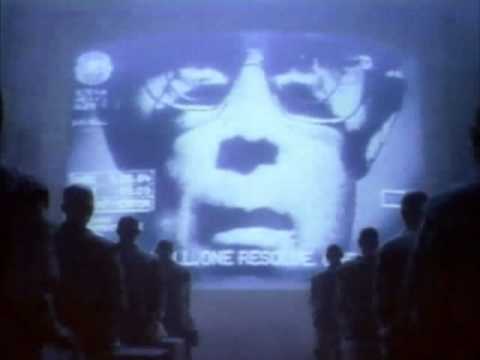
1. Apple – “1984” (Super Bowl, 1984)
More than a simple Macintosh launch, this Ridley Scott-directed ad was a cultural manifesto.
The Prediction: It didn't predict a specific technology, but a revolution in computing power. It visualized a future where personal computing would liberate individuals from conformity and central control (represented by IBM). It predicted that computers would not just be corporate tools, but instruments of individual empowerment and creativity.
Prediction-Reality Gap: The Macintosh made the metaphor real. The graphical interface, the mouse, and the "computer for the rest of us" concept democratized technology, fulfilling the ad's promise of liberation.
YouTube Link:
 Watch YouTube video
2. AT&T – “You Will” Campaign (1993)
Possibly the most accurate series of predictive ads in history.
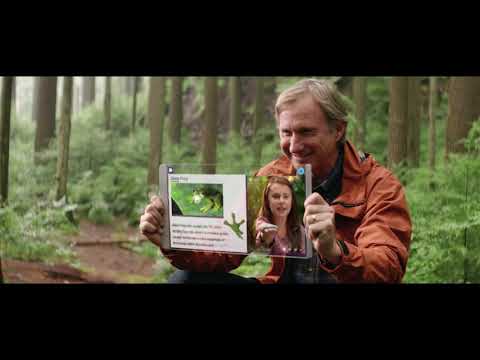
The Predictions: In a series of vignettes, AT&T showed people making video calls from the beach, sending faxes from the airport (a precursor to mobile email), using GPS in the car to find a bookstore, and a doctor reviewing X-rays remotely (telemedicine). It also showed portable devices for paying tolls and accessing recipes instantly.
Prediction-Reality Gap: Practically nonexistent in concept, though overly optimistic in timing. AT&T imagined these technologies running on its own network, but it was the internet and other companies' smartphones that made them ubiquitous. The ad hit the nail on the head with the what, though not the hows or the whos.
YouTube Link:
Watch YouTube video

3. Microsoft – “Future Vision” (1990s and 2000s)
A series of conceptual videos and commercials showcasing Microsoft's vision for the future of work and home.
The Prediction: They showed touch-screen tablets for reading news, transparent screens on refrigerators managing shopping lists, holographic video conference meetings, and digital assistants organizing schedules. In essence, they predicted the cloud productivity suite, universal touch devices, and ambient intelligence.
Prediction-Reality Gap: Microsoft correctly glimpsed the post-PC era, where devices would be multiple, connected, and cloud-centric. However, while a pioneer in concepts like the tablet (with Windows XP Tablet PC Edition), it was not the company that commercially dominated this vision. Apple, Google, and Amazon materialized key parts of this future.
YouTube Link:
Watch YouTube video
4. IBM – “Smarter Planet” (2008)
Launched after the financial crisis, this campaign didn't sell specific products, but a worldview.
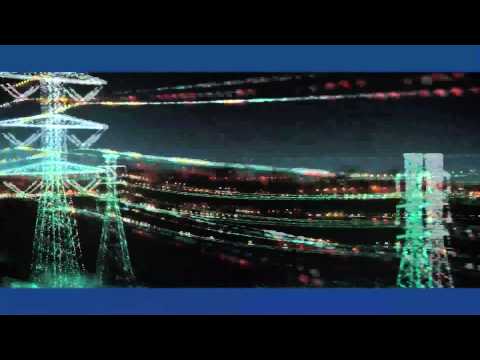
The Prediction: IBM argued the world was becoming instrumented, interconnected, and intelligent. Its ads showed how data from sensors in rivers, power grids, hospitals, and roads could be analyzed to predict problems, optimize resources, and create smart cities. It was the definitive prediction of the Internet of Things (IoT) and Big Data applied to critical infrastructure.
Prediction-Reality Gap: The campaign was deeply visionary in focusing on the intelligence derived from data, not just the connection. Today, concepts like smart grids, precision agriculture, and AI-optimized logistics are pillars of the "Smart City," just as IBM outlined. The gap lies in the scale and complexity of implementation, which is still evolving.
YouTube Link:
Watch YouTube video
5. Samsung – “Smart Home” (2014 onward)
Samsung has produced numerous commercials showcasing its vision of a fully connected home.
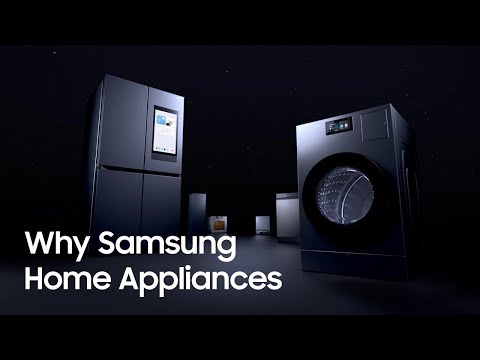
The Prediction: Refrigerators that suggest recipes based on their contents, bathroom mirrors showing the weather forecast and schedule, TVs controlling other house devices, and washing machines that activate during off-peak energy hours. They predicted the interoperability of the smart home ecosystem.
Prediction-Reality Gap: The technology exists today almost exactly as shown. The main gap is not technical, but in user experience: the reality of smart homes often involves multiple apps, compatibility issues, and privacy concerns—things idyllic ads tend to omit.
YouTube Link:
Watch YouTube video
The Psychology of the Futuristic Ad: Why Do They Work?
These ads impact us because they operate on several psychological levels:
Aspiration and Identification: The viewer doesn't just see technology; they see themselves in a more efficient, creative, and connected future. It sells a better version of the consumer's life.
Narrative of Progress: They are framed within the grand modern narrative of technological progress as a positive force, generating optimism and hope.
Memorability Through Contrast: The futuristic image strongly contrasts with the viewer's present, creating an unforgettable mental benchmark.
Visionary Authority: The brand dresses as an oracle, gaining an authority that transcends its current products.
Risks and Lessons of Playing the Visionary
Not all futuristic ads age well. The risks are considerable:
The Curse of Over-Promise: The classic case is General Magic in the 90s, an Apple spin-off whose ads showed devices and services (like visual shopping and messaging) so advanced that the technology of the time couldn't support them, leading the company to bankruptcy.
Uncomfortable Futures: Some predictions, like fully automated kitchens that prepare food with pills, reflect a cold, dehumanized vision that society has rejected.
Failure in Execution: You can get the vision right and fail in the execution, as happened to Microsoft with many of its concepts. The brand's credibility can suffer if others materialize their future.
Cultural Blindness: Many visions from the 50s and 60s showed an ultra-convenient future but with very rigid gender roles, something perceived today as obsolete and limiting.
Conclusion: The Commercial Dream as an Engine of Innovation
From Apple predicting the digital rebellion to AT&T describing our smartphone-filled world with astonishing accuracy, these ads teach us that advertising, at its best, is a form of social and cultural engineering. They don't just sell what is; they sell the seed of what could be.
These commercials acted as self-fulfilling prophecies. By imagining a future and showing it to millions, they didn't just predict it—they helped create it, inspiring engineers, entrepreneurs, and consumers to turn that vision into reality. In 2026, as we enter the era of AI, quantum computing, and biotechnology, brands will continue to use this power of visual narrative to outline the next chapter. They remind us that the future doesn't just arrive; it is first advertised.
Discover effective strategies for conducting market research to enhance your campaigns. Learn how to gather insights that drive successful marketing decisions.
Discover how visuals enhance advertising effectiveness, capturing attention and driving engagement. Explore the science behind impactful visual strategies.
Discover the art of crafting a compelling brand story that connects with your audience. Learn essential tips to elevate your brand's narrative and impact.

Discover the unique intersection of film and advertising as we explore directors who starred in their own commercials. Uncover their creative genius today!

Discover the iconic singers who have graced memorable ads. Explore their impact on marketing and how music enhances brand storytelling.

Discover how GoPro transformed its customers into passionate creators, fostering a vibrant community that shares stunning adventures and inspiring content.
Discover how Ben & Jerry’s champions social justice through impactful campaigns. Join the movement for equality and learn about their initiatives today.
Discover how LEGO ads spark creativity and inspire imaginative play, transforming simple bricks into limitless possibilities for builders of all ages.
Discover the most memorable commercials that cleverly broke the fourth wall, engaging viewers in unique ways. Explore creativity in advertising today!

Discover how quiet campaigns influence public perception and drive change without the noise. Explore their effectiveness and strategies

Discover the fascinating journeys of unknown actors who skyrocketed to fame through memorable advertisements. Explore their stories and impact on pop culture.