
In the world of cinema, the director is the great puppeteer, the mastermind who orchestrates the vision from behind the camera—invisible yet omnipresent. Their face is rarely as recognizable as the stars they direct. However, some of the most creative and influential filmmakers have crossed that line, surprising audiences by becoming the centerpiece of their own advertising campaigns. This phenomenon, where the artist becomes the instrument of their own commercial message, blurs the boundary between art and marketing, transforming the ad into a statement of authorship and an extension of their creative universe.
This article explores directors who have starred in their own commercials, analyzing why this strategy is so powerful, highlighting iconic examples that have left a mark on pop culture, and examining how this trend continues to influence modern advertising.
Why a Director On-Screen is a Masterstroke
The decision for a director to appear in their own commercial is not accidental. It is a strategy loaded with meaning and potential that works for several key reasons:
Unquestionable Authenticity: The director is the brand of their own style. When Spike Lee or Wes Anderson appear on screen, there are no intermediaries; they are embodying and selling their creative vision directly. There is no filter, which generates a unique trust connection with the viewer.
Intellectual Star Power: An acclaimed director possesses enormous cultural capital. Their appearance attracts attention not only from cinephiles but also from a public that recognizes their name as a synonym for quality, innovation, or a distinctive style. It is a type of "celebrity" that confers intellectual prestige upon the brand.
Meta Appeal and Self-Awareness: Seeing the creator within their own creation adds a fascinating layer of self-awareness. The commercial becomes a commentary on the creative process, fame, or the very nature of advertising itself. It breaks the fourth wall elegantly, inviting the viewer into an intellectual game.
Amplified Cultural Impact: These commercials often transcend their initial function to become cult objects, studied and shared as pieces of the director's filmography. They integrate into the cultural narrative surrounding their figure.
Memorability Through Transgression: It breaks established convention. The viewer does not expect to see the puppeteer on stage, so the moment is etched more forcefully into memory.
Iconic Examples: From the Set to the Commercial Screen
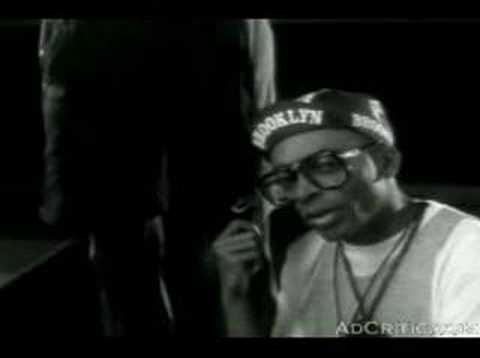
1. Spike Lee – Nike Air Jordan (1988-1990)
More than a simple cameo, Spike Lee created a cultural character.
The Context: Fresh off the success of Do the Right Thing (1989), Lee incorporated his comical alter ego, Mars Blackmon, from his film She's Gotta Have It, into Nike commercials. Blackmon, an obsessive and energetic fan, interviewed Michael Jordan with the recurring question: "Is it the shoes?"
The Strategy: Lee didn't just appear; he directed and co-created the spots. He fused the language of African American independent cinema with elite sports marketing. His presence guaranteed street authenticity and cultural credibility, connecting basketball with urban fashion and a "cool" attitude.
The Legacy: Mars Blackmon became an icon. The commercials established a model for future collaborations between celebrities and brands where the artist contributes their entire universe, not just their face.
YouTube Link:
 Watch YouTube video
2. Quentin Tarantino – Pepsi (1994)
A pre-superstardom appearance that showed his raw charisma.
The Context: Before Pulp Fiction (1994), a young Tarantino, known only for Reservoir Dogs, appeared in an Australian Pepsi commercial. In it, he discusses the script for a fictional movie, "Love Bird," with a producer, defending a ridiculously violent and absurd scene.
The Strategy: The brand leveraged Tarantino's emerging aura as the enfant terrible of independent cinema. His rapid-fire dialogue, histrionic passion for cinematic details, and black humor transferred his personal stamp directly to the ad. It was a bet on "underground" culture that was about to explode into the mainstream.
The Legacy: It is a time capsule capturing Tarantino at the exact moment before global fame. It shows how a brand can identify and align itself with a disruptive creative voice at its boiling point.
YouTube Link:
Watch YouTube video
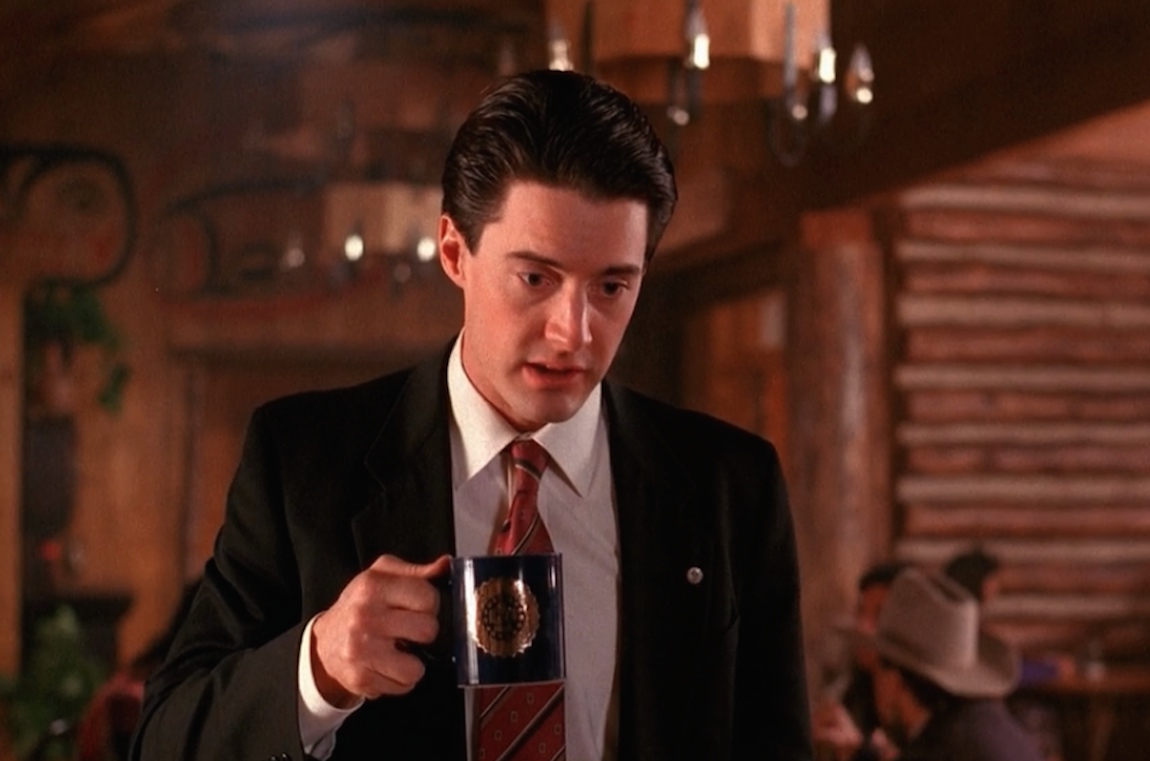
3. David Lynch – Georgia Coffee (1993) and others (Japan)
The master of surrealism took his enigma to the world of Japanese advertising.
The Context: Lynch, revered for Blue Velvet and Twin Peaks, starred in a series of hypnotic and strange commercials for Georgia Coffee in Japan. In one, he simply drinks coffee in a red room while a woman sings in Japanese. In another, he speaks directly to the camera with his unmistakable cadence about "smooth" and "taste."
The Strategy: The brand wasn't seeking clarity, but the prestige and intrigue associated with the Lynchian universe. His presence turned an everyday act (drinking coffee) into a dreamlike, mysterious ritual. It was advertising as conceptual art, appealing to a sophisticated audience.
The Legacy: These spots are cult objects, celebrated for their unflinching fidelity to Lynch's vision. They demonstrate that a director can transplant their unique aesthetic into a commercial context without compromise, creating an ad that is, above all, a piece of auteur work.
YouTube Link:
Watch YouTube video

4. John Waters – Nike "Butt Sweat" (1998)
The Sultan of Bad Taste brought his transgressive humor to a mass-market brand.
The Context: Nike, in an era of provocative advertising, turned to John Waters, director of Pink Flamingos, for a commercial about athletic wear. Waters, with his pencil-thin mustache, speaks directly to camera about the glorious "butt sweat" and how Nike's Dry-Fit clothing handles it.
The Strategy: It was a stroke of genius. Nike used Waters' subversive and comedic reputation to tackle a taboo subject (body sweat) with campy, brazen humor. His presence guaranteed the brand wasn't taking itself too seriously and could connect with an alternative sense of humor.
The Legacy: A perfect example of how a cult director can "infect" a mass-market brand with their unique sensibility, resulting in memorable advertising that defies norms of decorum.
YouTube Link:
Watch YouTube video
5. Wes Anderson – American Express (2006)
A masterclass in making your style the protagonist.
The Context: In his commercial for American Express, Wes Anderson not only appears but guides the viewer through a day in his life, showcasing his meticulous creative process. From using the card to pay for miniature models to filming with his characteristic crew, the ad is a making-of of his own aesthetic world.
The Strategy: American Express wasn't selling a product, but an idea: the card as a tool for creativity. Anderson's meticulous, eccentric, and artisanal personality was the perfect vehicle. The ad was a miniature work of art that reinforced both the director's brand and the financial company's brand.
The Legacy: Essentially, Anderson directed a sponsored autobiographical short film. It established the model for directors with a highly defined visual style to create ads that are flawless extensions of their cinematic work.
YouTube Link:
Watch YouTube video

Risk and Reward: A Delicate Balance
This strategy is not without its dangers. A director with niche appeal may not resonate with the general public. Their strong style may clash with the brand's identity if not carefully aligned. Furthermore, surreal or intellectual humor may not translate well globally.
However, when it works, the reward is immense. The brand acquires a sheen of authenticity and creativity difficult to achieve otherwise. The commercial becomes a cultural event, generating conversation and organic virality. In a saturated advertising landscape, the genuine presence of a recognized auteur is a beacon of originality.
Conclusion: The Author as the Ultimate Message
The appearance of directors in their own commercials represents the pinnacle of authenticity in advertising. It is no longer an actor reading a script, but the creator themself asserting: "This bears my seal, my humor, my vision." From Spike Lee's street energy to Lynchian dreams and Anderson's symmetrical universe, these filmmakers demonstrated that the commercial medium can be another canvas for their art.
In 2026, as brands desperately seek to differentiate themselves and generate trust with a skeptical audience, the figure of the director-auteur as protagonist will remain a powerful resource. It reminds us that in a world of mass messages, the unique and identifiable voice of an artist remains the most valuable asset. Sometimes, to sell creativity, there is no better method than to personify it.
Discover effective strategies for conducting market research to enhance your campaigns. Learn how to gather insights that drive successful marketing decisions.
Discover how visuals enhance advertising effectiveness, capturing attention and driving engagement. Explore the science behind impactful visual strategies.
Discover the art of crafting a compelling brand story that connects with your audience. Learn essential tips to elevate your brand's narrative and impact.
Discover the iconic singers who have graced memorable ads. Explore their impact on marketing and how music enhances brand storytelling.

Discover how GoPro transformed its customers into passionate creators, fostering a vibrant community that shares stunning adventures and inspiring content.

Discover how Ben & Jerry’s champions social justice through impactful campaigns. Join the movement for equality and learn about their initiatives today.
Discover how LEGO ads spark creativity and inspire imaginative play, transforming simple bricks into limitless possibilities for builders of all ages.
Discover the most memorable commercials that cleverly broke the fourth wall, engaging viewers in unique ways. Explore creativity in advertising today!

Discover how quiet campaigns influence public perception and drive change without the noise. Explore their effectiveness and strategies

Discover the fascinating journeys of unknown actors who skyrocketed to fame through memorable advertisements. Explore their stories and impact on pop culture.
Discover the groundbreaking ads that transformed political campaigning forever. Explore their impact and how they shaped modern electoral strategies.