
Food advertising is one of the most competitive areas in marketing. Whether it’s a fast‑food burger, a luxury chocolate bar, or a refreshing soda, the way food looks on screen directly influences consumer desire. Behind the scenes, editors and colorists use color grading techniques to make food appear more appetizing, vibrant, and irresistible.
This article explores the secrets of color grading in food commercials, the psychology behind color choices, iconic examples, and how editors transform raw footage into mouth‑watering visuals. You’ll also find links to campaigns that perfectly illustrate these techniques.
What Is Color Grading?
Definition: Color grading is the process of adjusting and enhancing the colors of video footage to achieve a specific look or mood. It is a fundamental creative phase in post-production.
Difference from Color Correction: While color correction focuses on fixing technical issues (incorrect exposure, white balance, base contrast) to achieve a "neutral" and realistic image, grading is all about style. Its goal is to impart character, evoke emotions, and create a coherent visual identity for the piece.
Goal in Food Ads: It’s not just about making the food look "good," but about making it appear fresh, warm, delicious, and consistent with the brand's identity. It is the art of sublimating reality to trigger craving.
The Psychology of Color in Food Advertising
The choice of colors is not random. It responds to deep-seated psychological and cultural responses.
Warm Tones (Reds, Oranges, Yellows)
They are the undisputed kings of food. Red stimulates appetite, increases heart rate, and creates a sense of urgency. Orange and yellow convey warmth, happiness, and the feeling of "homemade" or "freshly baked." They are essential for grilled meats, melted cheese, pizzas, and bread.
Contrast & Saturation
High contrast makes details and textures stand out: the grains of salt on fries, water droplets on a salad, bubbles in a soda. Elevated saturation (without becoming artificial) intensifies the perception of freshness and vitality. A super-saturated tomato looks juicier and riper.
Freshness Cues (Greens and Bright Whites)
Vibrant greens in vegetables like lettuce, cucumbers, or avocados convey health and naturalness. Pure, bright whites (on a plate, a yogurt container, the foam of a drink) suggest hygiene, purity, and freshness.
Cultural Associations
The meaning of colors varies. While in the West green can evoke eco-friendliness and health, in some contexts it may be associated with immaturity. Red, a symbol of appetite and passion in many cultures, in East Asia also represents good luck and prosperity, making it omnipresent in advertising.
Techniques Editors Use
Enhancing Warmth: Applying a color curve that slightly tilts shadows and midtones towards orange or amber. This makes golden, baked, or fried foods appear crispier and more appetizing.
Boosting Selective Saturation: Instead of increasing the saturation of the entire image (which can look artificial), colorists intensify only specific channels, like the red of tomato sauce or the green of vegetables, using tools like the HSL (Hue, Saturation, Luminance) secondary.
Selective Color Isolation: A powerful technique where a single color (the brown of chocolate, the pink of salmon) is enhanced while slightly desaturating the background or surrounding elements. This guides the viewer's eye directly to the hero.
Texture Highlighting: Through local adjustments to contrast, clarity, and sharpness, key details are accentuated: steam rising from a hot dish, the grainy texture of a brownie, the creaminess of ice cream, or the perfect crunch of a crust.
Consistency Across Shots: Perhaps the most critical task. A food item must look equally delicious in a wide shot, a medium shot, and an extreme close-up. The colorist adjusts each take so the burger has the same shade of melted cheese and the bun has the same golden hue from every angle.
Iconic Examples of Color Grading in Food Ads
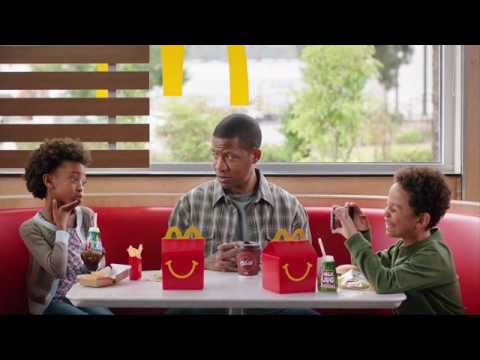
McDonald’s – "I’m Lovin’ It" Campaign
McDonald's masters the use of its corporate palette. Its commercials are bathed in stimulating reds and warm, happy yellows. The grading focuses on making the burger buns have a perfect golden hue, the lettuce a vibrant green, and the sauces look juicy. Everything emanates a feeling of instant, accessible happiness.
YouTube:
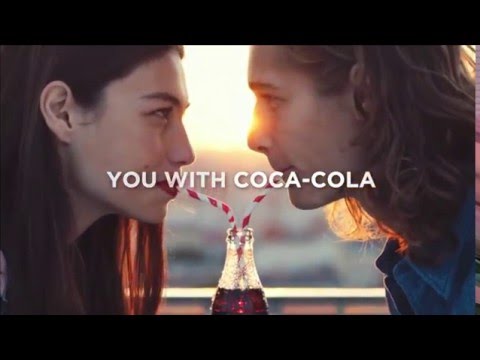
Coca-Cola – "Taste the Feeling"
Here, the star is the deep, iconic red of the can or bottle, intensified to be impeccably vibrant. The key contrast lies in the bright whites of the bubbles and ice, which are enhanced to convey a maximum feeling of freshness and effervescence. The grading often has an overall slightly cool tone (blues in the shadows) to accentuate the idea of refreshment.
YouTube:
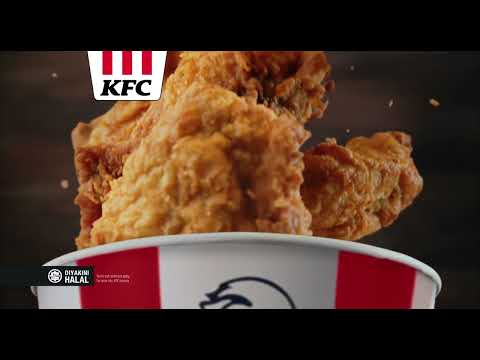
KFC – "Finger Lickin’ Good"
The palette focuses on golds, browns, and ambers. The grading exalts the crispy, perfect color of the fried chicken's breading, making every golden nub stand out with texture. A slight ambient "glow" or warmth is often added to suggest the food is fresh out of the fryer, hot, and ready to eat.
YouTube:
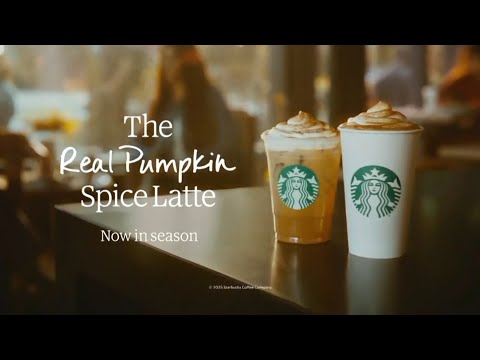
Starbucks – Seasonal Drinks Campaigns
Starbucks adapts its grading to the season. For coffee, it uses rich, velvety browns that suggest smoothness and quality. For matcha, it intensifies the vibrant greens. During the holidays, red and green drinks are graded with a Christmas warmth and a touch of almost "magical" sparkle to evoke nostalgia and joy.
YouTube:
Pepsi – "Live for Now"
Pepsi often opts for a more youthful and energetic feel. While enhancing its blue, the grading in beverage ads frequently features high contrast and a very pronounced treatment of the bubbles with bright highlights. The overall palette may lean slightly towards cyans and blues (unlike Coca-Cola's warm red) to reinforce its distinctive identity.
YouTube:

The Technical Workflow (Step-by-Step)
Raw Footage Review (RAW/Log): The editor/colorist assesses the quality of the filming, lighting, and exposure.
Color Correction: All shots are normalized. White balance, exposure, and base contrast are adjusted to have a neutral, technically correct starting point.
Creative Grading: Predefined LUTs (Look-Up Tables) are applied or manual adjustments are made to curves, color wheels, and HSL secondaries to create the desired "look" (warm, cool, vintage, etc.).
Texture & Detail Enhancement: Masks and local adjustments are used to sharpen key details (seeds, herbs, bubbles) without affecting the rest of the image.
Final Consistency Check: The entire commercial is reviewed, shot by shot, ensuring transitions between angles are seamless and the food maintains its perfect appearance.
Benefits, Risks, and The Future
Benefits:
Appetite Appeal: Activates almost unconscious sensory responses.
Brand Identity: A consistent color "look" makes a brand's ad instantly recognizable.
Emotional Resonance: Creates atmospheres (cozy, refreshing, luxurious) that connect with the viewer.
Higher Engagement: An attractive visual is more memorable and shareable.
Risks & Challenges:
Over-Saturation: Can make food look plastic or unnatural, breeding distrust.
Cultural Missteps: Using an inappropriate color in a market can damage the message.
Technical Limitations: If the filming is poor quality, grading cannot work miracles.
Authenticity Concerns: The disconnect between the on-screen product and the real one can lead to disappointment and accusations of misleading advertising.
The Future:
AI & Automation: AI tools will learn to apply a brand's "look" automatically, guaranteeing absolute consistency.
Grading for AR & VR: In immersive experiences, color will need to adapt dynamically to the user's environment.
Personalized Advertising: Streaming platforms could slightly adjust an ad's grading based on a user's visual preferences.
The Natural Trend: In response to the demand for authenticity, a more "realistic" grading style will emerge, emphasizing natural tones and genuine textures, especially for eco-friendly brands.
Conclusion
Color grading is the invisible art that turns food into an object of desire on screen. It is a technical and psychological alchemy that, through warmth, saturation, and contrast, transforms ordinary ingredients into a visual feast. From McDonald's golden fries to the refreshing fizz of a Coca-Cola, this discipline ensures that food advertising remains irresistible.
As technology advances, we will see even more sophisticated techniques that seek the perfect balance between the art of visual seduction and the authenticity demanded by the modern consumer, ensuring that every bite looks, at least on screen, as good as it tastes.
Discover effective strategies for conducting market research to enhance your campaigns. Learn how to gather insights that drive successful marketing decisions.
Discover how visuals enhance advertising effectiveness, capturing attention and driving engagement. Explore the science behind impactful visual strategies.
Discover the art of crafting a compelling brand story that connects with your audience. Learn essential tips to elevate your brand's narrative and impact.
Discover the breathtaking real-world locations featured in 2026 car ads. Explore stunning landscapes that enhance the allure of automotive advertising.
Explore the decline of jingles in advertising and discover why brands now favor licensed pop songs to capture audience attention and enhance engagement.
Discover how agencies select the ideal face for global campaigns, exploring the intricate process behind casting decisions and the impact on brand success.
Discover the art of storytelling in advertising with our list of 5 remarkable commercials shot in a single continuous take. Experience creativity in motion!
Discover how QR codes revolutionized commercial viewing, enhancing engagement and interactivity. Explore the impact on advertising strategies today.
Explore the evolution of self-aware and ironic commercials, uncovering their impact on advertising and consumer perception in today's media landscape.
Discover how clicking, whispering, and pouring sounds enhance product appeal and drive sales. Learn the psychology behind sound marketing strategies.
Discover how brands leverage seasonal drops to create urgency and boost sales. Learn effective strategies to engage customers and enhance brand loyalty.