
In today’s hyper‑competitive and digitally-saturated marketplace, where consumer attention is fragmented and ad-blocking is rampant, brands face a monumental challenge: how to cut through the noise and drive immediate, decisive action. One strategy has risen to dominance, evolving from a niche tactic into a central pillar of modern marketing: the Seasonal Drop. These limited-edition, time-sensitive product releases are not mere promotions; they are meticulously engineered cultural events that transform ordinary commodities into objects of intense desire, leveraging urgency, community, and tradition to create powerful commercial and cultural force.
This article deconstructs the anatomy of the seasonal drop. We will explore the deep psychological principles that make them irresistible, analyze the strategic playbooks brands employ, examine iconic examples that have defined the genre, and forecast the future of this urgency-driven model. Direct YouTube links to landmark campaigns will showcase the hype in real-time.
Defining the Phenomenon: More Than Just a Launch
What Are Seasonal Drops?
A seasonal drop is a strategic product release characterized by two non-negotiable constraints: time and/or quantity. It is intrinsically tied to a specific season, holiday, or cultural moment (e.g., Fall, Holiday Season, Pride Month, a sports final). Crucially, it is framed as a fleeting opportunity—a "get it now or miss it forever" proposition.
The Critical Difference from a Standard Launch:
A standard product launch introduces a new permanent item to the market. A drop, however, is inherently ephemeral. Its scarcity is not a byproduct of poor planning; it is the core feature. This intentional limitation is what fuels the entire engine of desire. The product may return in the future, but its availability is never guaranteed, creating a perpetual cycle of anticipation.
The Ultimate Purpose: Beyond a temporary sales spike, the goal is to generate cultural hype, cultivate a devoted community of "hunters," reinforce brand relevance by tapping into the cultural calendar, and collect invaluable consumer data and engagement.
The Psychology of Urgency: Why Our Brains Can't Say No
Seasonal drops are effective because they exploit fundamental, hardwired cognitive biases and social drivers:
The Scarcity Principle: This is the bedrock. Behavioral economics confirms that perceived scarcity dramatically increases an item's perceived value and desirability. A limited-quantity PSL or sneaker isn't just a beverage or shoe; it's a rare token. Our brains equate "limited" with "precious," triggering a competitive instinct to acquire it.
FOMO (Fear of Missing Out): Scarcity's powerful social sibling. In the age of social media, not participating in a shared cultural moment (like the first day of PSL season) can feel like social exclusion. FOMO transforms a purchase from a transactional act into a social one—a way to belong, to participate in the conversation, and to share in the collective experience.
Nostalgia and Ritual Creation: The most successful seasonal drops become annual traditions. They tap into the powerful human love for ritual and cyclical celebration. The return of the Shamrock Shake isn't just a product release; it's a signpost that spring is coming. This ritualistic element builds profound, sentimental loyalty that transcends the product itself.
Social Proof and Viral Validation: When drops "sell out," it creates powerful social proof. The frenzy itself becomes a marketing tool, signaling to others that the product is desirable and worth the effort. Unboxing videos, "haul" posts, and resale market premiums further validate the drop's status, creating a self-perpetuating cycle of hype.
Case Studies: Mastering the Seasonal Calendar
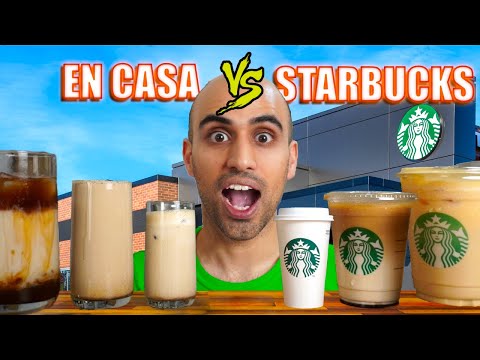
1. Starbucks – The Pumpkin Spice Latte (PSL)
The Campaign: The undisputed king of seasonal drops. Every August/September, Starbucks heralds the return of the Pumpkin Spice Latte with a multi-channel campaign of teasers, launch events, and themed merchandise. Its availability is strictly limited to the fall months.
Why It’s the Ultimate Blueprint: Starbucks didn't just create a drink; it created a cultural season. "PSL Season" is a recognized phrase. The brand masterfully combines scarcity (time-limited), nostalgia (annual return), and sensory marketing (the iconic flavor and aroma). It has evolved into a ritual that signifies the transition into autumn for millions. The drop is so powerful it has spawned an entire economy of copycats and a passionate, if sometimes ironically so, fanbase.
YouTube Link:
2. Nike – Seasonal Sneaker Drops (e.g., Travis Scott, Dunk Lows)
The Campaign: Nike (and its subsidiary Jordan Brand) operates a relentless calendar of limited-edition sneaker drops tied to seasons, collaborations, and cultural moments. Releases are announced with precise dates and times, often requiring entries in digital raffles on the SNKRS app.
Why It’s the Ultimate Blueprint: Nike has industrialized the drop model. It leverages collaborative scarcity (artist/designer partnerships), digital queueing that gamifies the purchase process, and community building through its app. The seasonal colorways (e.g., "Summer," "Halloween," "Holiday") tie the product directly to the time of year. The instantaneous sell-outs and subsequent resale market inflation are not failures but features, cementing the shoes' status as coveted cultural artifacts.
YouTube Link:

3. McDonald’s – The Shamrock Shake
The Campaign: A simpler, purer form of the seasonal drop. For decades, McDonald's has released its mint-green Shamrock Shake for a few weeks leading up to St. Patrick's Day. Marketing is straightforward but effective, relying on decades of built-up tradition.
Why It’s the Ultimate Blueprint: This campaign demonstrates the power of consistency and nostalgia. It’s not about complex digital queues or collaborations; it’s about the reliable, joyful return of a beloved product. It becomes a family tradition, a shared experience passed down through generations. The limited window creates a "now or never" urgency that drives consistent sales year after year, with minimal marketing expenditure required.
YouTube Link:

4. Coca-Cola – Holiday "Contour" Bottles
The Campaign: Each holiday season, Coca-Cola transitions its iconic contour bottle into festive designs, often featuring polar bears, Santa, or simple holiday motifs. The cans and bottles become ubiquitous symbols of the season.
Why It’s the Ultimate Blueprint: Coca-Cola uses seasonal drops to enhance brand integration into personal tradition. The product itself doesn't change, but the packaging becomes a collectible, seasonal marker. Families look for the holiday bottles to put on their dinner tables. It’s a masterclass in using packaging as a limited-edition vehicle to make a mass-market product feel special and timely, strengthening its emotional connection to cherished personal moments.
YouTube Link:

5. Glossier – Cloud Paint Duo (Seasonal Hues)
The Campaign: The cult beauty brand frequently releases limited-edition shades of its popular Cloud Paint blush, tied to seasons (e.g., a vibrant coral for summer, a deep berry for fall). These are promoted as "here for a good time, not a long time."
Why It’s the Ultimate Blueprint: This represents the digital-native, community-driven drop. Glossier announces releases to its highly-engaged email list and social followers, creating a direct, intimate feel. The seasonal colors tap into beauty trends and the desire to refresh one's look with the changing calendar. It drives quick sales from superfans and creates a sense of insider access, reinforcing community loyalty.
The Strategic Playbook: Engineering the Frenzy
Brands don't leave drops to chance. They follow a meticulous playbook:
The Anticipation Engine: Teasers, countdowns, and "coming soon" announcements begin weeks or months in advance, building pre-launch buzz and allowing desire to simmer.
Scarcity by Design: Whether it's a hard cap on units (Nike) or a firm calendar end date (Starbucks), the limits are clear, communicated, and non-negotiable.
Community as Amplifier: Drops are often funneled through brand apps (SNKRS, Starbucks Rewards) or exclusive access for loyalty members, rewarding superfans and making the purchase feel like an earned privilege.
Packaging as the Hero: For many drops, the special seasonal packaging is the product. It creates instant recognition and shareability on social media.
The Post-Drop Narrative: "Selling out" is celebrated as a victory. Waitlists, restock rumors, and resale market chatter keep the product in the conversation long after the initial drop, fueling anticipation for the next cycle.
Navigating the Pitfalls: When Drops Go Wrong
The strategy is not without significant risks:
Consumer Fatigue: An overcrowded calendar of drops can lead to burnout. If everything is "limited edition," nothing truly feels special.
Operational Breakdowns: Websites crash, apps glitch, and supply chains falter under peak demand, turning excitement into frustration and brand-damaging backlash.
The Authenticity Trap: If a drop feels cynically manipulative or disconnected from the brand's core identity (e.g., a random holiday product from a tech brand), it can erode trust rather than build it.
Scalping and Community Erosion: When resale bots snag all the inventory, genuine fans are alienated. The brand risks appearing complicit in a system that rewards scalpers over loyal customers.
The Future of the Drop: Hyper-Personalization and Digital-Physical Blends
The evolution of the seasonal drop points toward:
Personalized Drops: Using AI and customer data, brands could offer hyper-personalized limited-time products or bundles based on an individual's past purchases and preferences.
Phygital Experiences: Drops will increasingly involve a digital component—an NFT, an AR filter, or access to a virtual event—that unlocks or accompanies the physical product.
Regenerative & Reason-Driven Drops: Sustainability will become a seasonal theme, with drops tied to Earth Day or made from limited-run recycled materials, combining urgency with purpose-driven marketing.
Conclusion: The Mastery of Temporary Permanence
Seasonal drops represent a sophisticated understanding of modern consumer psychology. They are not about selling a product for all time; they are about selling a moment in time. By masterfully blending scarcity, social dynamics, and the rhythmic nostalgia of the annual calendar, brands like Starbucks, Nike, and McDonald's transform routine consumption into anticipated celebration.
In doing so, they achieve a marketer's ultimate goal: they make their products not just things people buy, but events people experience and traditions people keep. The seasonal drop, in its perfect execution, creates a beautiful paradox: the most urgent, fleeting offers often forge the most enduring brand loyalties.
Discover effective strategies for conducting market research to enhance your campaigns. Learn how to gather insights that drive successful marketing decisions.
Discover how visuals enhance advertising effectiveness, capturing attention and driving engagement. Explore the science behind impactful visual strategies.
Discover the art of crafting a compelling brand story that connects with your audience. Learn essential tips to elevate your brand's narrative and impact.
Discover the most emotional Mother's Day campaigns of the year. Explore heartfelt previews that celebrate the love and bond between mothers and their children.
Discover how tech brands strategically engage students during the off-season, leveraging unique marketing tactics to boost brand loyalty and sales.
Discover how protein brands are breaking free from "Gym Bro" stereotypes, embracing inclusivity and diverse lifestyles in the fitness community.
Discover the most empowering women's sports campaigns of 2026, celebrating strength, resilience, and the drive for equality in athletics. Join the movement!
Explore the ultimate showdown between North Face and Patagonia in 2026. Discover their unique approaches to adventure gear and sustainability.
Explore the impact of Adidas' "Impossible is Nothing" 2026 campaign. Dive into our analysis of its strategies, messaging, and audience engagement.
Discover the best air fryer and smart oven commercials of 2026. Explore innovative features and find the perfect kitchen appliance for your cooking needs.
Discover how Charmin and Scott mascots influence consumer loyalty in the paper goods market. Explore the power of branding in your buying decisions.