
In recent years, marketing has undergone a quiet revolution. In an era dominated by flashy visuals and bombastic soundtracks, some of the most powerful tools to sell products are unexpectedly subtle: the crisp click of a pen, the intimate whisper of a voice, the soothing pour of a liquid. These sounds, once relegated to the background of everyday life, are now taking center stage in advertising campaigns. This phenomenon is inextricably linked to the rise of ASMR (Autonomous Sensory Meridian Response), a sensory experience characterized by tingling, relaxing sensations triggered by specific auditory and visual stimuli.
Brands across industries are now engineering these sounds to bypass traditional persuasion and tap directly into our nervous systems, creating urgency, forging deep emotional connections, and crafting experiences that are not just watched, but felt. This article explores the science and psychology behind why these mundane sounds have become marketing gold, how companies are deploying them with surgical precision, and the profound impact they are having on consumer behavior.
The New Sonic Frontier: What is ASMR Marketing?
ASMR Defined: Autonomous Sensory Meridian Response is a perceptual phenomenon where certain sounds or visuals trigger a static-like, tingling sensation across the scalp and spine, often accompanied by deep relaxation and calm. Common triggers include whispering, tapping, crinkling, and slow, methodical movements.
ASMR Marketing in Practice: This is the strategic integration of ASMR triggers into advertising content. It moves beyond mere background audio to make the sonic experience the primary narrative device. The goal is to evoke a specific, pleasurable physiological state in the viewer—one of intimacy, focus, and sensory delight—and then associate that state directly with the brand or product.
The Strategic Goal: In an overwhelmingly noisy digital environment, both literally and metaphorically, ASMR ads create a moment of stark contrast. They are a sanctuary of calm. This makes them exceptionally memorable and shareable, as they offer not just a product pitch, but a genuine emotional and sensory respite.
The Psychology of Sound: Why Our Brains Can't Resist
The power of ASMR marketing is rooted in fundamental neurology and psychology:
Direct Sensory Bypass: While visual information is processed through complex cognitive filters, sound often takes a more direct route to the emotional centers of the brain, particularly the amygdala. A satisfying click or a calming whisper can evoke a feeling before the conscious mind has even processed the associated image or message.
The Intimacy of Whispering: Whispering is a primal, intimate act. It implies secrecy, closeness, and personal attention. In an ad, it makes the viewer feel as though the brand is speaking directly and exclusively to them, breaking the impersonal barrier of mass media and fostering a powerful parasocial connection.
Triggering Satisfaction Loops: Repetitive, crisp sounds like clicking or tapping can trigger what psychologists call "completion bias" or the "Ikea effect" in micro-form. The clean, definitive sound provides a small auditory reward that signals precision, control, and task completion. This feeling of satisfaction is subconsciously linked to the product producing the sound.
Novelty and Attentional Capture: Our brains are wired to notice what breaks the pattern. In a landscape of loud music and hyperbolic voiceovers, the deliberate quiet and hyper-focused sounds of an ASMR ad act as a sensory surprise. This novelty grabs and holds attention in a way that conventional ads struggle to achieve.
Decoding the Triggers: Why Clicking, Whispering, and Pouring Are So Effective
Each sound is a tool chosen for a specific psychological task:
The Click: The sharp, definitive click is a sound of precision, activation, and quality. It suggests mechanical perfection, a satisfying closure, or the initiation of something new. It’s perfect for technology (a laptop closing, a camera shutter), luxury goods (a pen cap, a jewelry clasp), and packaging (a satisfying box close), where it communicates craftsmanship and reliability.
The Whisper: The soft, breathy whisper is the sound of intimacy, confidentiality, and calm. It lowers the viewer's heart rate and draws them in. It’s ideal for beauty and skincare (suggesting a secret ritual), wellness products (promoting relaxation), and luxury items (implying exclusivity). It makes any message feel personal and trustworthy.
The Pour: The liquid pour is a deeply multisensory sound. It evokes freshness, indulgence, and anticipation. The glug of a drink, the trickle of lotion, or the flow of syrup suggests abundance, quality, and sensory pleasure. It’s a cornerstone for food & beverage ads (Pepsi, coffee), cosmetics (serums, oils), and cleaning products (where the pour implies potency and ease).
Sonic Branding in Action: Iconic ASMR Campaigns
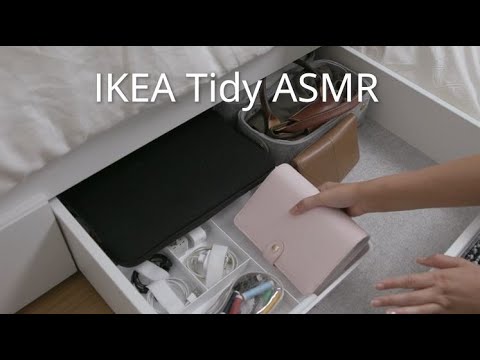
1. IKEA – "Oddly IKEA: The ASMR Bedtime Story" (2019)
The Campaign: A 25-minute video titled "Oddly IKEA" features a soft-spoken woman whispering as she sets up a bedroom with IKEA products. The ad focuses intently on the sounds: the rustle of sheets, the scrape of a drawer, the crinkle of a packaging tag, the click of a lamp switch.
Why It’s Revolutionary: IKEA, a brand known for functional assembly, used ASMR to completely re-contextualize its products. It wasn't selling furniture; it was selling the experience of calm, orderly, personal space creation. The whispering narrator and meticulous sounds transformed mundane objects into tools for relaxation and self-care. The campaign went massively viral, showing that ASMR could sell not just sensations, but an entire aspirational lifestyle centered around a brand's catalogue.
YouTube Link:
2. Michelob Ultra – "The Pure Experience" (Super Bowl 2022)
The Campaign: In stark contrast to the high-energy, celebrity-packed ads typical of the Super Bowl, Michelob Ultra aired a serene spot featuring actress Zoë Kravitz. She whispers into a microphone, gently taps a bottle, and meticulously pours a beer, with every sound amplified to a hyper-realistic degree.
Why It’s Revolutionary: This was ASMR deployed on advertising's biggest, loudest stage as a deliberate act of counter-programming. While others shouted, Michelob whispered. It associated the brand with mindfulness, sophistication, and authentic indulgence. It used ASMR not as a niche gimmick, but as a premium brand differentiator, positioning the beer as a reward for calm, conscious enjoyment.
YouTube Link:

3. Apple – "Behind the Mac – Relaxing Typing Sounds" (Various)
The Campaign: While not always labeled as ASMR, Apple has masterfully used the sound of its products for decades. Recent campaigns and specific online videos focus intensely on the satisfying "thock" of the Magic Keyboard, the precise click of the trackpad, and the gentle tap on a MacBook lid.
Why It’s Revolutionary: Apple understands that the sound of its hardware is part of the product's luxury appeal. The crisp, tactile keyboard sounds aren't accidental; they are engineered and then highlighted in marketing to communicate precision, quality, and a pleasurable user experience. It turns a functional action (typing) into a sensory ritual, making the product feel more valuable and satisfying to use.
YouTube Link: (While Apple has many, a prime example is their focus on product sounds in launch videos and specific social content showcasing MacBook typing.)
4. PepsiCo – "The Sound of Pepsi" (Ongoing)
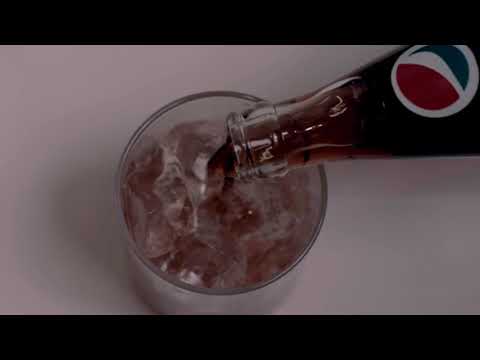
The Campaign: Pepsi has long understood the power of the "pour and fizz." Their commercials often feature extreme close-ups with hyper-amplified audio: the crack of the can opening, the glug-glug of the pour into a glass filled with ice, and the sustained, effervescent fizz that follows.
Why It’s Revolutionary: This is classic, pre-ASMR sensory marketing that has been perfected. The sound sequence is a direct trigger for thirst and anticipation. It creates a visceral, craving-based response by focusing on the moment of reward and refreshment. It’s a simple, universally understood sonic logo that signals immediate satisfaction.
YouTube Link:
5. KFC – "The Whole Chicken" (2018)
The Campaign: KFC released an 18-minute ASMR video of a person slowly and methodically eating an entire bucket of fried chicken. The audio highlights every crunch, crackle, and gentle bite, with minimal talking.
Why It’s Revolutionary: This campaign was a bold, humorous, and genius embrace of a product's core sensory attribute: CRUNCH. By stretching the experience to an absurd length and focusing solely on the sound, KFC celebrated the visceral, mouth-watering pleasure of eating fried chicken in a way a conventional ad never could. It was authentic, oddly mesmerizing, and deeply effective at triggering desire.
The Benefits and the Precarious Balance
Benefits for Brands:
Deep Emotional Anchoring: Positive sensory experiences create powerful, lasting memories tied to the brand.
Standout Differentiation: In a sea of sameness, a sonic identity built on ASMR principles is instantly recognizable.
Enhanced Perceived Value: Products associated with pleasing sounds are often perceived as higher quality and more premium.
Organic Amplification: The relaxing, satisfying nature of the content encourages saves, shares, and repeated views on social platforms.
Risks & Challenges:
The "Creep" Factor: ASMR is a deeply subjective experience. For those who do not experience the pleasant "tingles," the videos can feel intensely awkward, invasive, or even irritating.
Execution is Everything: Low-quality audio or inauthentic performance (forced whispering, fake sounds) can backfire spectacularly, coming across as insincere and manipulative.
Novelty Erosion: As more brands adopt the technique, the initial surprise and stand-out factor diminish. The soundscape itself risks becoming a cluttered space.
The Future: A More Sonic World
The trend points toward a future where sound is not an accessory, but a primary design and marketing dimension:
Product Sound Design: Companies will engineer the sounds of their product interactions (packaging, switches, alerts) with the same care as their visual design, creating proprietary "sound logos."
Personalized Sonic Branding: With data, brands could tailor ad soundscapes to individual listener preferences—softer whispers for some, more tapping for others.
Immersive & Spatial Audio: With the growth of VR, AR, and advanced headphones, brands will create 3D soundscapes where the whisper travels around the listener or the pour sounds like it's happening right beside them, deepening immersion exponentially.
Conclusion: The Unseen Hand That Guides Desire
The strategic use of clicking, whispering, and pouring in advertising reveals a profound truth: we are not just logical consumers, but sensory beings. The most effective modern marketing doesn't just talk to our minds; it speaks to our nervous systems. By harnessing the primal psychology of sound and the modern phenomenon of ASMR, brands are building connections that feel less like transactions and more like shared, intimate experiences.
From the whispered promise of a calm bedroom to the explosive crunch of fried chicken, these campaigns prove that in a visually saturated world, the most compelling path to a consumer's heart—and wallet—may just be through their ears.
Discover effective strategies for conducting market research to enhance your campaigns. Learn how to gather insights that drive successful marketing decisions.
Discover how visuals enhance advertising effectiveness, capturing attention and driving engagement. Explore the science behind impactful visual strategies.
Discover the art of crafting a compelling brand story that connects with your audience. Learn essential tips to elevate your brand's narrative and impact.
Discover how brands leverage seasonal drops to create urgency and boost sales. Learn effective strategies to engage customers and enhance brand loyalty.
Discover the most emotional Mother's Day campaigns of the year. Explore heartfelt previews that celebrate the love and bond between mothers and their children.
Discover how tech brands strategically engage students during the off-season, leveraging unique marketing tactics to boost brand loyalty and sales.
Discover how protein brands are breaking free from "Gym Bro" stereotypes, embracing inclusivity and diverse lifestyles in the fitness community.
Discover the most empowering women's sports campaigns of 2026, celebrating strength, resilience, and the drive for equality in athletics. Join the movement!
Explore the ultimate showdown between North Face and Patagonia in 2026. Discover their unique approaches to adventure gear and sustainability.
Explore the impact of Adidas' "Impossible is Nothing" 2026 campaign. Dive into our analysis of its strategies, messaging, and audience engagement.
Discover the best air fryer and smart oven commercials of 2026. Explore innovative features and find the perfect kitchen appliance for your cooking needs.