
Coffee advertising has long since graduated from simply touting aroma and taste. It is a sophisticated arena where brands sell lifestyle, identity, and a sense of belonging. In 2026, two titans of the global coffee industry, Starbucks and Nespresso, escalated this narrative arms race to a new level. They didn't just launch ad campaigns; they debuted cinematic experiences that blurred the line between commercial and content, transforming coffee ads into cultural events. This article deconstructs the creative strategies behind this high-stakes "ad battle," comparing their philosophical approaches, dissecting their execution, and exploring why these campaigns represent a zenith of innovation in beverage marketing.
🎬 Starbucks 2026: "Moments That Brew Us" – The Human Mosaic
Starbucks’ 2026 campaign, “Moments That Brew Us,” was a masterstroke in emotional branding, doubling down on the company’s core identity as a third place—a cultural hub between home and work.
Concept & Narrative: The Anthology of Connection
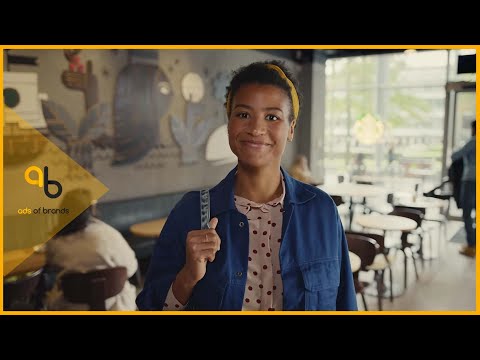
The campaign’s genius lay in its anthology structure. Instead of a single linear story, it presented a series of intimate vignettes where diverse characters’ lives subtly intersect within the ecosystem of a Starbucks café. One vignette might depict a fledgling romance sparked over mistaken coffee orders; another, a freelance writer finding creative sanctuary; a third, a quiet moment of reconciliation between parent and child. The coffee is not the plot driver, but the constant—the ritual catalyst that facilitates these human connections.
Visual Style & Tone:
Aesthetically, the campaign drew from the playbook of heartfelt indie cinema. The visual tone was warm, intimate, and grounded. It utilized soft natural light filtering through café windows, close-ups on expressive faces, and authentic, urban landscapes. The color palette leaned into earthy browns, warm creams, and the distinctive green of the Starbucks apron, all feeling organic and unforced. The soundtrack was often minimalist—acoustic guitar or gentle piano—prioritizing dialogue and ambient sound.
Platform Strategy & Impact:
Understanding its audience’s media diet, Starbucks adopted a social-first, platform-native rollout. The full vignettes lived on YouTube, but were broken into episodic, vertical slices for TikTok and Instagram Reels, encouraging users to follow character arcs. This reinforced Starbucks not just as a product, but as a backdrop to modern life, a stage where personal stories unfold.
🎥 Starbucks “Moments That Brew Us” Short Film (2026):
🎥 Nespresso 2026: "The Art of Extraction" – The Cult of Craft
In stark contrast, Nespresso’s “The Art of Extraction” campaign was a paean to precision, luxury, and sensory theater. It shifted the focus entirely from the public sphere to the private, sacred ritual of personal consumption.
Concept & Narrative: The Symphony of Precision
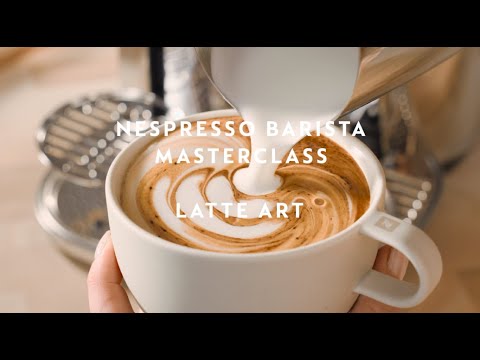
Where Starbucks told stories about people, Nespresso told a story about craftsmanship. The campaign was a high-gloss exploration of coffee as an artistic and scientific pursuit. Narratives followed the journey from sustainable coffee farms to the engineering of the capsule, culminating in the dramatic, slow-motion climax of the extraction process itself—the rich, crema-topped espresso flowing like liquid gold. It featured artisans, master blenders, and designers, all framed as curators of a luxury experience.
Visual Style & Tone:
The aesthetic was unequivocally European, sleek, and orchestral. Imagine the visual language of a high-end watch or perfume advert applied to coffee. Cinematography featured extreme slow-motion, macro shots of coffee blooms, and clinically beautiful kitchens. The lighting was dramatic, the color palette muted with accents of Nespresso’s signature metallic blues and blacks. A soaring classical or minimalist electronic score underscored every moment, elevating the act of brewing to a private performance.
Platform Strategy & Impact:
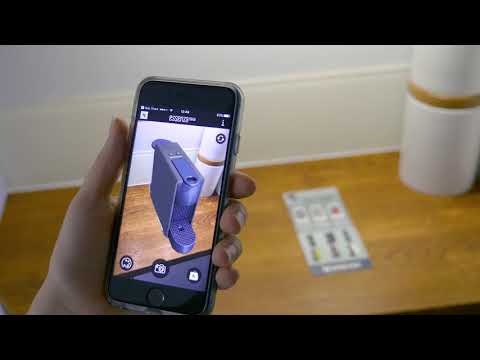
Nespresso pursued an exclusive, high-touch distribution model. The campaign premiered with trailers in cinemas before indie and arthouse films. Extended director’s cuts were hosted on YouTube and Vimeo, complemented by immersive Augmented Reality (AR) experiences that let users visually "unbox" the journey of a coffee bean. This strategy cemented Nespresso not as a mere appliance, but as an object of desire and a symbol of refined taste.
🎥 Nespresso “The Art of Extraction” Cinematic Ad (2026):
📊 The Creative Chasm: A Strategic Comparison
| Narrative Core | Human-centered, emotional, focusing on social connection and serendipity. | Product-centered, artistic, focusing on craftsmanship, sustainability, and sensory luxury. |
| Visual Tone | Warm, authentic, indie-film realism; "lived-in" aesthetics. | Cool, glossy, high-fashion precision; "engineered" aesthetics. |
| Primary Audience | Gen Z & Millennials seeking community, authenticity, and everyday ritual. | Affluent professionals (35+) and aspirational consumers valuing design, exclusivity, and at-home luxury. |
| Key Platforms | Social media (TikTok, IG Reels), YouTube, streaming TV ad slots. | Cinemas, premium digital (YouTube, Vimeo), AR experiences, high-end lifestyle media. |
| Brand Positioning | The cultural hub. Coffee as a social lubricant and comforting constant. | The private gallery. Coffee as a personally-curated, artistic experience. |
| Emotional Trigger | Belonging, nostalgia, shared humanity. | Appreciation, discernment, personal indulgence. |
🔑 Expert Insights: Strengths and Inherent Tensions
Starbucks’ Winning Formula:
Its strength is universal relatability. By showcasing micro-moments of human connection, the campaign is infinitely shareable and meme-able. It doesn’t sell coffee; it sells the feeling of possibility that exists within a Starbucks, effectively deepening emotional loyalty. It reinforces the store as an indispensable urban utility.
Nespresso’s Razor-Sharp Edge:
Its power is aspirational elevation. The campaign successfully frames its coffee system not as a kitchen appliance, but as a piece of functional art and a badge of sophisticated taste. It appeals directly to the consumer’s desire for self-reward and curated quality, justifying a premium price point through perceived artistry.
The Shared Innovation:
Both brands made the audacious bet that audiences would give minutes, not seconds, to a coffee ad. They embraced long-form, director-driven storytelling, trusting that the value of the brand halo built by beautiful content would outweigh the immediate call-to-action.
The Risk Factor:
For Starbucks: The campaign risks tipping into sentimental cliché. If the human stories feel contrived or overly saccharine, the authenticity that is its lifeblood evaporates. It also risks further obscuring its actual coffee craftsmanship in favor of ambiance.
For Nespresso: The extreme focus on luxury and precision can come across as cold, pretentious, or exclusionary. It risks alienating the mainstream coffee drinker who might find the artistry intimidating or disconnected from the simple pleasure of a morning cup.
⚠️ Navigating High-Stakes Trade-Offs
Emotion vs. Product: Starbucks chose emotion, betting that feeling drives frequency. Nespresso chose product, betting that perceived quality justifies premium. Each must guard against their core choice overshadowing the other essential element.
Accessibility vs. Exclusivity: Starbucks’ "everyone’s welcome" ethos is its mass-market superpower. Nespresso’s "curated for the few" is its luxury magnet. Straying from these cores—Starbucks becoming too exclusive, Nespresso too common—would be brand-diluting.
Content Cost vs. Cultural ROI: These campaigns represent eight-figure productions. The return is not measured in quarterly sales bumps alone, but in long-term brand equity, cultural conversation, and competitive differentiation. The gamble is that being talked about as a cultural innovator is more valuable than a thousand targeted discount ads.
🎥 Starbucks Behind the Scenes Campaign Featurette:
🎥 Nespresso AR Experience Showcase:
📈 Consumer Reception and Cultural Ripples
The campaigns succeeded in dominating different, but equally valuable, arenas of consumer mindshare:
Starbucks’ Social Wave: The campaign ignited TikTok, with users filming their own "#MomentsThatBrewUs" in local stores, effectively creating infinite user-generated sequels. It was praised for its inclusivity and warmth, making the brand feel culturally contemporaneous.
Nespresso’s Critical Acclaim: It was featured in design magazines (Wallpaper*, Monocle) and film criticism circles for its technical artistry. It won awards for cinematography and brand experience, burnishing Nespresso’s reputation as a patron of the arts.
The Industry Debate: The campaigns sparked intense discussion in marketing publications: Is coffee marketing’s future social (Starbucks) or sensual (Nespresso)? This very debate ensured both campaigns were analyzed, celebrated, and remembered, achieving a level of cultural penetration most ads never approach.
✅ Conclusion
The 2026 cinematic clash between Starbucks and Nespresso was not a battle with a single winner. It was a definitive demonstration of two perfected, divergent philosophies in modern branding.
Starbawks proved that in an increasingly digital and fragmented world, the deepest craving might be for human connection and familiar ritual. Its campaign was an embrace, selling a sense of place and community. Nespresso, conversely, proved that in a world of noise and mass production, the ultimate luxury is controlled, personal perfection. Its campaign was an invitation to an exclusive sensory club.
Together, they redefined the ambition of coffee advertising. They moved beyond selling a morning pick-me-up to selling a worldview—one centered on the warmth of "we," the other on the refinement of "me." In doing so, they set a new benchmark, proving that the most effective way to market a commodity turned cultural touchstone is to treat the audience not as consumers, but as connoisseurs of experience, whether that experience is found in a crowded café or the quiet perfection of a single, beautifully extracted cup at home.
Discover the actor featured in Starbucks' latest "Morning Ritual" ad. Uncover insights about their role and the ad's captivating message.
Discover the filming locations of the iconic Starbucks Holiday Cups commercial and explore the festive settings that brought this beloved ad to life.
Discover the filming locations of the Starbucks Summer Refreshers commercial. Uncover the scenic spots that brought this vibrant ad to life.
Discover how Kellogg’s is reinventing breakfast for Gen Z in 2026. Explore innovative branding strategies that cater to the tastes and values of a new generation.
Discover the most creative snack ads of 2026 as Doritos and Cheetos battle for the spotlight. Explore innovative campaigns that redefine snacking!
Discover how brands leverage influencer takeovers to create authentic TV spots. Explore the impact of creators directing campaigns and engaging audiences.
Discover the science behind virality and learn why even million-dollar ads can fail. Uncover key factors that drive successful marketing campaigns.
Discover how drones revolutionized car commercials with stunning aerial shots, enhancing visual storytelling and capturing audience attention like never before.
Discover the most iconic denim ads of the mid-2000s that defined a generation. Explore fashion trends and nostalgia in our comprehensive flashback collection.
Discover the origins of social media marketing with insights into how Facebook and Twitter revolutionized online engagement and brand promotion.
Discover the quirkiest candy ads from 2005 and take a nostalgic journey through forgotten snacks that once delighted taste buds.