

By 2026, streetwear has completed its journey from subcultural uniform to the dominant language of global fashion. It is no longer defined solely by graphic tees and limited-edition sneakers, but by a digital-native ethos of community, identity, and access. At the summit of this multi-billion-dollar ecosystem, two titans, Nike and Adidas, have mastered the art of modern marketing, but through fundamentally different philosophical lenses. Their battle for cultural supremacy is not fought in traditional ad buys, but in the curated feeds of influencers, where authenticity and association are the ultimate currencies. This deep dive explores how each brand's distinct influencer strategy—Nike's grassroots authenticity versus Adidas' celebrity-powered spectacle—shapes the future of streetwear branding.
The New Marketplace: Why Influencers Are the Cornerstone
The paradigm shift is absolute. For Gen Z and Millennial consumers, the discovery, validation, and purchase of streetwear are intrinsically linked to social ecosystems. Traditional top-down advertising is viewed with skepticism; trust is vested in peer-driven validation and creator credibility. Influencers serve as the essential bridge, transforming a brand's narrative into a lived, relatable experience. They provide social proof, stylistic context, and, most importantly, a sense of belonging to a chosen community. In this environment, the influencer isn't just a spokesperson; they are a cultural translator and community leader.
Nike's Playbook: The Cult of Authentic Engagement
Nike’s 2026 influencer strategy is a masterclass in precision and perceived authenticity. It operates on a "less is more" philosophy where relevance trumps raw reach.
1. The Power of the Micro-Influencer & Niche Authority: Nike strategically partners with a vast network of micro-influencers—the dedicated sneaker restorers, the underground skateboarders, the visionary street stylists, and the college basketball culture vloggers. These individuals may have follower counts in the tens or hundreds of thousands, not millions, but their engagement rates are exponentially higher (averaging 5-7% versus the sub-2% norm for mega-celebrities).
YouTube:
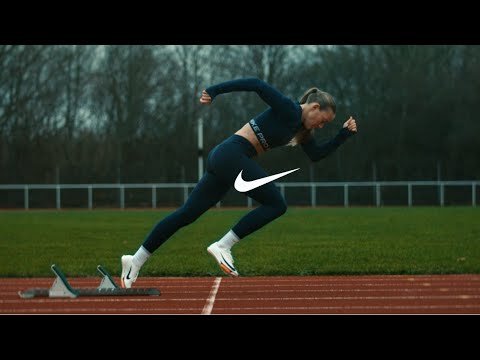
Their power lies in hyper-specialized credibility. When a respected sneakerhead details the craftsmanship of a new Nike SB Dunk, their audience listens as an act of faith. This strategy builds grassroots credibility that feels earned, not bought, allowing Nike to penetrate subcultures with surgical precision.
2. The Engine of User-Generated Content (UGC): Nike’s campaigns are increasingly designed to be co-created with its community. Instead of just broadcasting polished ads, Nike launches TikTok challenges, Instagram styling hashtags (#NikeStyle), and encourages fans to showcase their personal Nike aesthetics. The brand then amplifies the best UGC across its own channels. This genius loop achieves two goals: it generates an endless stream of authentic, diverse content, and it makes the consumer feel like an active participant in the brand's story, not just a passive receiver.
3. Audience-First Persona Targeting: Nike’s marketing is driven by detailed consumer personas (e.g., "The Urban Athlete-Artist," "The Collegiate Sneakerhead," "The Sustainable Activewear Enthusiast"). Influencers are meticulously matched to these personas. This ensures messaging feels custom-tailored and culturally resonant, rather than a one-size-fits-all celebrity blast. It’s a strategy of deep community immersion.
Adidas's Playbook: The Architecture of Cultural Spectacle
If Nike’s approach is a targeted infiltration, Adidas’s is a broadcast of cultural dominance. Its strategy leverages the star power of global icons to position its Three Stripes at the epicenter of music, sport, and fashion.
1. The Mega-Celebrity Collaboration as Event: Adidas’s heritage is built on legendary partnerships (Run-D.M.C., Kanye West's Yeezy). In 2026, this continues with a focus on cross-disciplinary icons. Imagine a campaign featuring a global music superstar, a premier league footballer, and a renowned contemporary artist all launching intertwined product lines. These are not mere endorsements; they are cultural events.
YouTube:
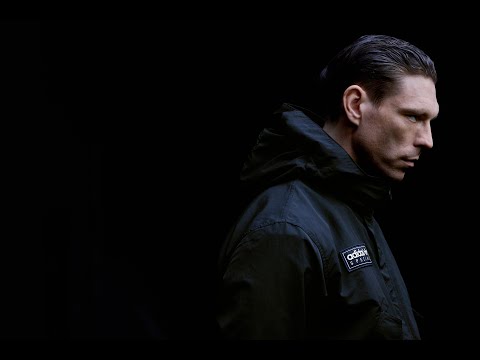
The influencer is the product. This generates immense, instantaneous visibility and cements Adidas Originals as a lifestyle badge synonymous with pop culture prestige.
2. Global Resonance through Local Glocalization: Adidas executes a "glocal" strategy masterfully. While the campaign face might be a global celebrity, the activation is localized. In Seoul, it's amplified by K-pop idols and street dance crews; in Lagos, by afrobeats stars and local fashion icons. Adidas uses a tiered influencer model: global celebs provide the halo effect, while regional influencers ensure street-level relevance and authenticity in diverse markets.
3. Blurring the Lines: Sport, Street, and Stadium: Adidas uniquely leverages its dual presence in performance sport and street fashion. A campaign might feature a top athlete like Lionel Messi in a stylized, fashion-forward setting, wearing apparel that crosses from the pitch to the pavement. This strategic blurring reinforces that Adidas is the authentic choice for both athletic performance and streetwise style, owned by the icons who define both worlds.
The Strategic Divide: A Side-by-Side Analysis
| Core Philosophy | Authenticity & Community. "For us, by us." Grassroots credibility. | Spectacle & Association. "Worn by the icons." Cultural landmarking. |
| Influencer Tier Focus | Micro & Mid-Tier. Niche experts, stylists, athletes in specific communities. | Mega-Celebrity & Macro. Global stars in music, sports, and entertainment. |
| Content Model | Co-creation & UGC. Leverages community content; feels user-driven. | High-Production Broadcast. Cinematic, celebrity-centric storytelling. |
| Consumer Relationship | Participatory. You can be part of the story. Builds insider loyalty. | Aspirational. You can wear what the icons wear. Builds desire through prestige. |
| Key Risk | Limited Scale. May struggle to create a singular, mass-cultural moment. | Authenticity Gap. Can feel commercial; reliant on star alignment and conduct. |
| Brand Perception | The authentic, ingrained choice of the dedicated community. | The culturally dominant, star-powered lifestyle brand. |
Analysis: Navigating the Risks in an Saturated Arena
Both strategies navigate a minefield of modern challenges. The greatest threat is oversaturation and influencer fatigue. Consumers, bombarded by #sponsored content, are developing sharper "ad detection" senses. Nike's micro-influencers risk blending into the background noise if not exceptionally curated, while Adidas's celebrity deals can feel predictable or transactional if the partnership lacks genuine creative synergy.
Furthermore, the authenticity imperative is escalating. Gen Z demands transparency about sustainability, labor practices, and brand values. An influencer strategy that feels disconnected from a brand's real-world actions will backfire spectacularly. Both brands must ensure their influencer alliances are aligned with deeper corporate responsibility narratives.
Conclusion: Two Sides of the Same Street
The Nike vs. Adidas influencer showdown of 2026 illustrates that there is no single path to victory in streetwear branding. Instead, they represent the two dominant and complementary modes of cultural persuasion in the digital age.
Nike wins by fostering depth, building intense loyalty within dedicated communities through trusted, niche voices. It’s a strategy of cultivation. Adidas wins by commanding breadth, creating moments of mass cultural desire through association with global superstars. It’s a strategy of spectacle.
Together, they define the boundaries of the modern fashion landscape. The future belongs not to the brand that chooses one path, but to the one that can most artfully balance the grassroots authenticity Nike champions with the cultural magnetism Adidas wields. In the end, the most powerful streetwear brand may be the one that makes every consumer feel like both an insider in a niche community and a participant in a global phenomenon.
Discover the full cast of the X Town Square ad, featuring diverse talents and engaging performances that bring the campaign to life. Explore now!
Discover the catchy song featured in the HP Work from Anywhere commercial. Uncover the artist and lyrics that make this ad memorable and engaging.
Discover effective strategies for conducting market research to enhance your campaigns. Learn how to gather insights that drive successful marketing decisions.

Discover the elegance of Rolex through their latest television spots, showcasing the art of prestige and timeless craftsmanship in luxury watchmaking.

Discover the art of perfume commercials in 2026, where cinematic storytelling captivates audiences and elevates fragrance marketing to new heights.

Discover the high-octane marketing strategies of Red Bull through a visual analysis that captures their adrenaline-fueled brand essence and impact.

Discover how McDonald's leverages ASMR in their latest ads to enhance customer experience and drive engagement in the fast food industry.
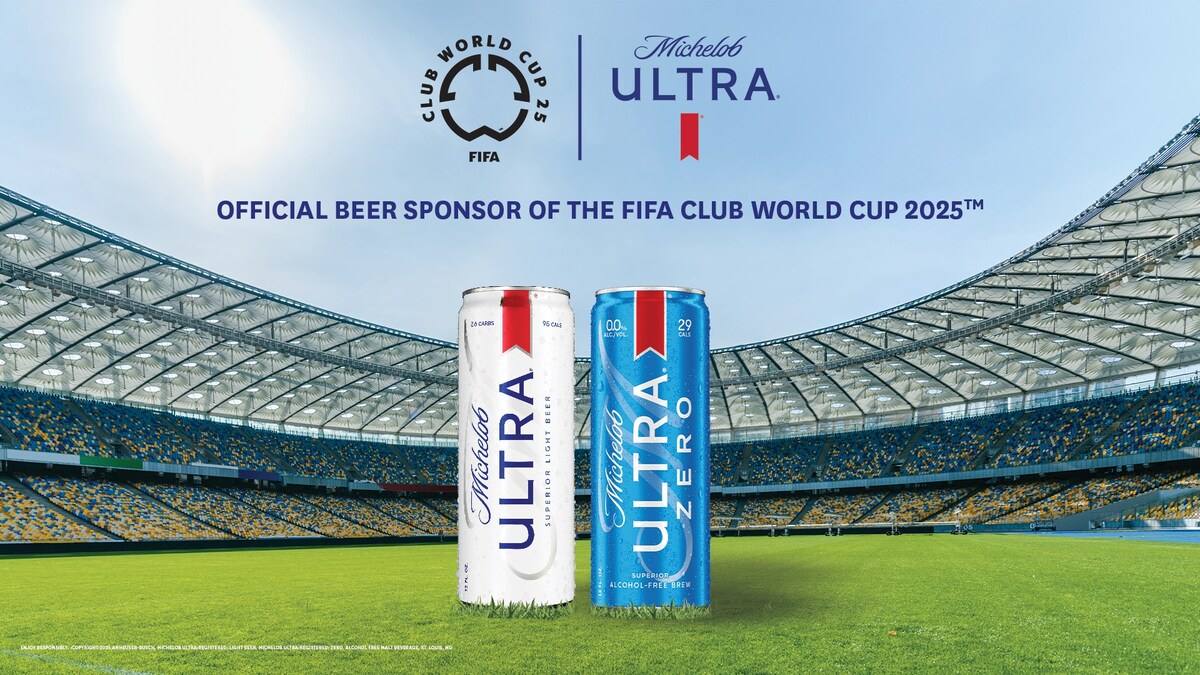
Discover the best beer ads of 2026! Explore top commercials that will elevate your sports season experience and keep you entertained all year long.
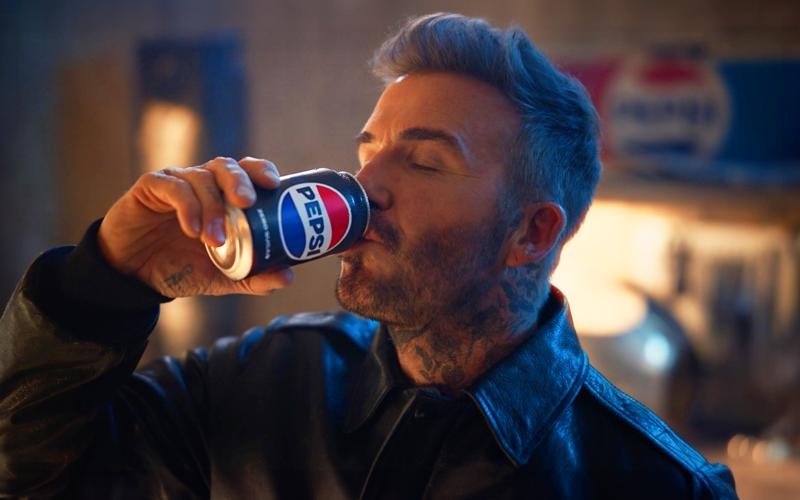
Explore the innovative strategies behind Pepsi's Global Campaign 2026. Discover creative insights and marketing tactics that drive brand engagement.

Discover how PlayStation and Xbox are engaging Gen Z with innovative advertising strategies that resonate with their values and interests.

Discover the ultimate showdown between Samsung and Apple in 2026. Explore our detailed flagship ad comparison to find out which brand reigns supreme.