

McDonald’s, the undisputed titan of fast-food marketing, has built its empire on a foundation of catchy jingles, heartwarming family moments, and globally recognizable mascots. For decades, its advertising spoke to the eyes and the heart. But in a bold pivot for the digital age, the Golden Arches are now speaking directly to the ears—and the nervous system—of a new generation. By embracing ASMR (Autonomous Sensory Meridian Response), McDonald’s is executing a sophisticated sensory hack, trading broad-stroke emotion for hyper-focused, intimate sensation. This strategy isn't just a novelty; it's a calculated move to embed the brand into the subconscious comfort zones of Gen Z and Millennials, transforming the act of eating a burger into a deeply personal, digitally-native experience of sound.
The Digital Soundscape: Why ASMR is the New Marketing Frontier
To understand McDonald's strategy, one must first understand ASMR's cultural currency. Originating in niche online communities, ASMR has exploded into a mainstream digital phenomenon characterized by soft, deliberate sounds (whispers, crinkles, taps) that trigger a relaxing, tingling sensation for many listeners. For its primary consumers—Gen Z and Millennials—it represents more than just "oddly satisfying" content; it's a tool for stress relief, focus, and authentic, screen-mediated intimacy.
McDonald's application of this aesthetic is a masterstroke of cultural adaptation. It recognizes that for a demographic raised on TikTok and YouTube, traditional 30-second narrative commercials can feel interruptive. ASMR content, however, feels native and immersive. It meets the audience on their own turf, in the format they already consume for pleasure, turning a brand message into a piece of sought-after sensory media.
Deconstructing the Sonic Strategy: The Four Pillars of McDonald's ASMR
McDonald's doesn't use ASMR randomly; it deploys it with specific psychological and strategic objectives in mind.
1. Sensory Seduction & Craving Generation:
This is the core tactic. ASMR spots hyper-amplify the most visceral sounds of food preparation and consumption. The sizzle of a patty on the grill, the crisp crunch of a pickle being placed, the delicate rustle of fresh lettuce, and the definitive snap of a sesame seed bun closing.
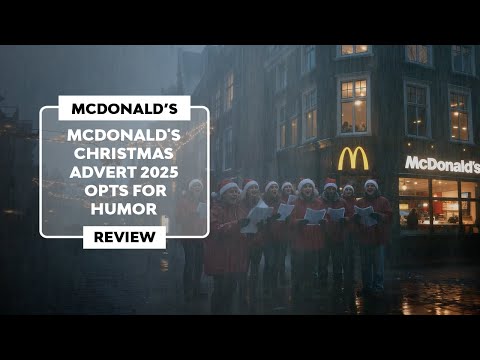
YouTube Example: While a specific "Burger Build" URL wasn't provided, the described aesthetic is epitomized in campaigns like the McDonald's Christmas Ad 2025. This spot masterfully layers festive sounds with food-centric ASMR, creating a tapestry of comfort.
YouTube:
By isolating and elevating these sounds, McDonald's bypasses rational thought and targets the primal brain. The ad doesn't tell you the burger is fresh; it makes you hear its freshness. It doesn't claim to be delicious; it triggers the auditory memory of deliciousness, generating a physical craving that visual alone often cannot.
2. The Illusion of Authenticity and Transparency:
In an era where consumers distrust corporate polish, ASMR offers a powerful veneer of "realness." These ads are typically minimalist: no voiceover, no celebrity, no sweeping storyline. Just the "unvarnished" sounds of food being made. This stripped-down approach cleverly positions McDonald's as transparent and honest. It whispers, "This is what it's really like," fostering a sense of authentic connection that feels radically different from the brand's more theatrical campaigns.
3. Associating Fast Food with Deep Comfort:
McDonald's has long sold happiness, but ASMR allows it to sell calm. The rhythmic, repetitive, and soothing nature of the sounds—the pouring of a drink, the methodical stacking of ingredients—aligns the brand with relaxation and mindfulness. This is a strategic repositioning. A McDonald's meal isn't just a quick bite; it's a moment of sensory solace in a chaotic day. This is particularly potent in campaigns like the Christmas ad, where food sounds are blended with crackling fireplaces, directly tying the brand to warmth, nostalgia, and holiday comfort.
4. Platform-Optimized, Shareable Content:
ASMR is inherently suited for the digital ecosystems where McDonald's needs to win. These spots are perfect for TikTok and YouTube Shorts—platforms built on immersive, sound-on, vertical video. A 15-second clip of fries being salted, with the sound amplified, is not an ad; it's prime, shareable content that fits seamlessly into the user's "For You" page. This guarantees the campaign lives natively in the spaces where younger audiences spend their time, achieving organic reach and engagement that a traditional TV buy cannot.
The McDonald's ASMR Playbook: A Strategic Sound Map
| Trigger Craving | Amplify sizzle, crunch, fizz, snap. | Physiological mouth-watering; subconscious desire. | Creates a more visceral and memorable urge than visual ads. |
| Build Authenticity | Minimalist production; no script; "raw" kitchen sounds. | Perception of transparency and unvarnished quality. | Distances brand from "corporate" feel; builds digital-native trust. |
| Associate with Comfort | Use rhythmic, repetitive, and soothing soundscapes. | Emotional linkage of brand with relaxation and personal pleasure. | Expands brand ethos from "fun" to include "calm" and "reassuring." |
| Drive Digital Engagement | Create short, loopable clips for TikTok/Reels/Shorts. | Content is saved, shared, and looped; high watch time. | Achieves native integration and viral potential on key youth platforms. |
Analysis: Navigating the High-Wire of Sensory Marketing
While innovative, this strategy walks a fine line with significant risks. The most prominent is audience polarization. ASMR is not universally enjoyed; for some, the amplified sounds can be irritating or unsettling (a phenomenon called misophonia). McDonald's must carefully balance its ASMR output with its broader, more inclusive marketing to avoid alienating segments of its customer base.
Furthermore, there's the risk of the "gimmick" factor. If overused or executed without genuine subtlety, ASMR can feel like a cheap, trend-chasing trick rather than an authentic brand expression. The strategy's success hinges on its perceived authenticity, which can evaporate if the content feels forced.
Finally, McDonald's must maintain brand coherence. Its identity is also built on energy, value, and family fun. An over-reliance on the calm, minimalist ASMR aesthetic could dilute this core energy. The challenge is to integrate ASMR as a compelling, modern flavor in its marketing mix without letting it define the entire brand voice.
Conclusion: The Future Feels (and Sounds) Different
McDonald's foray into ASMR is far more than a quirky experiment. It is a signal of a fundamental shift in how global brands communicate in the digital age. It demonstrates an understanding that for the consumers of tomorrow, engagement is multisensory and intimacy is manufactured through the screen.
By harnessing the power of sound, McDonald's is not just selling burgers and fries; it is selling a sensory memory and a moment of curated calm. It is building a new kind of brand loyalty—one that lives in headphones and quiet, focused screen time. This move challenges the entire fast-food category to think beyond the visual and the narrative, and to consider how their brands sound and feel in the palm of a user's hand. In the noisy marketplace of both media and the mind, sometimes the most powerful message is a whisper—or in this case, a perfectly amplified, irresistibly crisp crunch.
Discover the catchy tune featured in McDonald's 2026 "Menu Favorites" campaign. Uncover the song that enhances your favorite meal experience today!
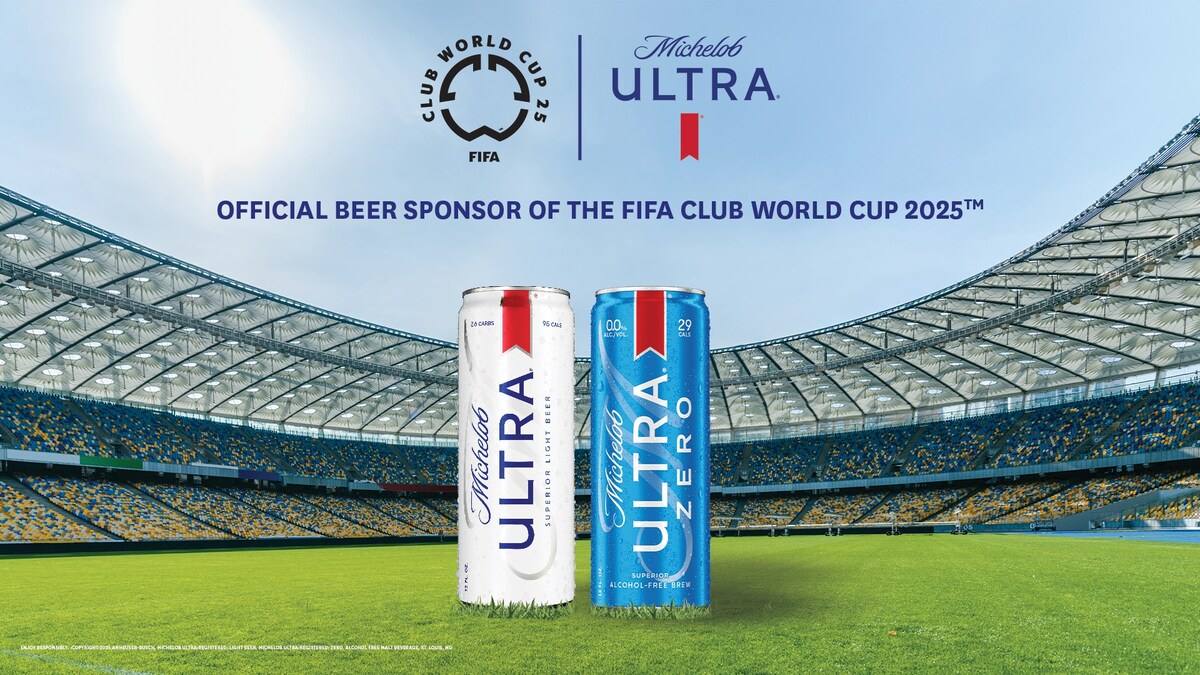
Discover the best beer ads of 2026! Explore top commercials that will elevate your sports season experience and keep you entertained all year long.
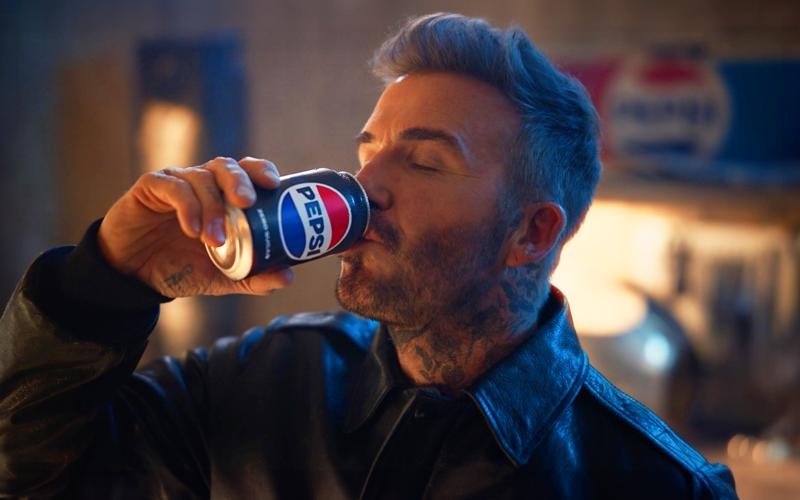
Explore the innovative strategies behind Pepsi's Global Campaign 2026. Discover creative insights and marketing tactics that drive brand engagement.

Discover how PlayStation and Xbox are engaging Gen Z with innovative advertising strategies that resonate with their values and interests.

Discover the ultimate showdown between Samsung and Apple in 2026. Explore our detailed flagship ad comparison to find out which brand reigns supreme.

Discover the top 5 electric vehicle commercials of 2026! Explore innovative ads that showcase the future of EVs and their impact on sustainable driving.

Discover Tesla's innovative marketing strategy for 2026 through an in-depth analysis of their impactful video campaigns. Uncover insights and trends now.
Discover how Philips Ads revolutionized tech marketing, influencing strategies and shaping the industry's future. Explore the impact today.

Discover the most influential advertising campaigns of the 2020s that transformed brands and captivated audiences. Explore creativity and impact today!