

The 1990s represented a unique golden age for children's advertising. In a pre-internet era, television was the domestic altar and Saturday mornings its sacred mass. Within this media ecosystem, two toy giants, Barbie and Lego, didn't just sell products; they exerted a formative influence, defining aspirations, sparking creativity, and cementing their place as cultural pillars. Their ads were much more than commercial interruptions; they were tiny narrative capsules that promised worlds of glamour, adventure, and possibility. Revisiting these ads today is an exercise in cultural archaeology that reveals how toy marketing shaped the imagination, identities, and memories of an entire generation.
Barbie in the 90s: "We Girls Can Do Anything" and the Reinvention of the Dream
Strategy and Themes
Following controversies from earlier decades about stereotypes, the 90s marked a crucial strategic pivot for Barbie. Mattel embarked on a mission to reposition the doll not only as a fashion icon but as a vehicle for empowerment. The ads of this decade are a masterclass in selling a multifaceted aspiration.
The Magic of the Jingle and Slogan: No campaign better encapsulates this spirit than "We Girls Can Do Anything, Right Barbie?" This slogan, chanted by a chorus of young, energetic voices, became a generational mantra. It wasn't a question; it was a triumphant statement. It was accompanied by rapid-fire images of Barbie as a doctor, astronaut, gym teacher, and of course, rock star, all in a single 30-second ad.
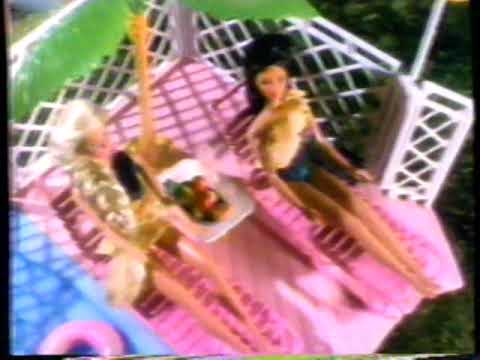
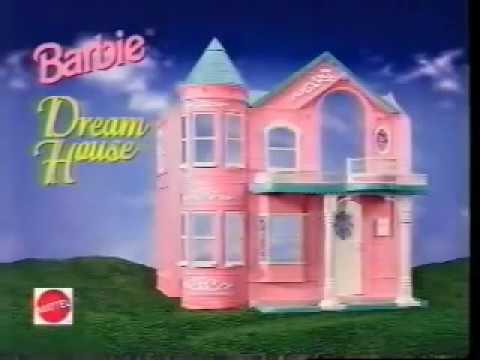
Narrative of Fantasy and Augmented Reality: The Barbie Dream House or Barbie Convertible ads were mini-lifestyle films. They showcased a parallel reality of accessible luxury: dolls communicating on pink phones, cruising in convertibles, and living in houses with elevators and pools. The aesthetic was hyper-feminine, bright, and perfect. They weren't selling a plastic toy; they were selling the experience of a complete universe, where play meant acting out scenarios of an idealized, glamorous adult life.
The Strategic Dilemma (Glamour vs. Professionalism): Barbie ads walked a fine line. On one hand, they embraced traditional glamour (fashion, beauty, luxury items). On the other, they insisted on the doll's professional versatility. This dualism reflected the broader cultural debates of the 90s about women's roles: could you "have it all"? Barbie, on screen, suggested yes.
Cultural Impact
Barbie was no longer just a doll; she was a platform for projection. Her ads offered girls a menu of possible identities. While criticism about unattainable beauty standards persisted, the advertising narrative made a visible effort to expand the definition of female success. The commercials served as a mirror (albeit a distorted one) to the growing empowerment message directed at girls of the time.
 Watch YouTube video
Lego in the 90s: "Just Imagine..." and the Cult of Creation
Strategy and Themes
While Barbie sold a prefabricated world of aspirations, Lego sold the raw materials to build your own. Its advertising in the 90s, considered by many its creative zenith, focused on the transformative power of imagination and unstructured play.
Focus on Process, Not Product: Unlike action figure ads that showed predefined battle scenes, Lego ads dedicated time to showing children's hands building. The camera focused on bricks snapping together, towers growing, vehicles taking shape. The message was clear: the real magic is in the act of creating, not in the static final object.
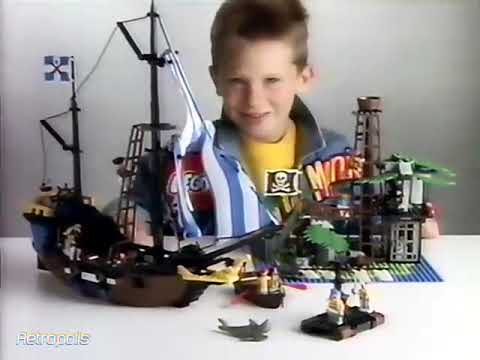
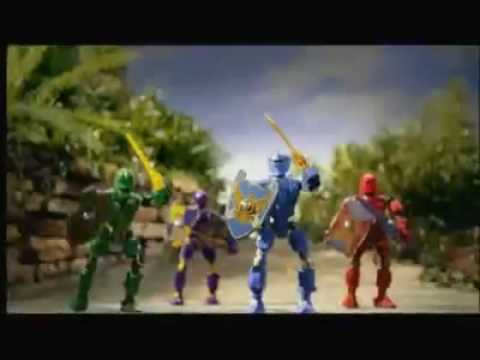
Epic Narratives and Immersive Worlds: Lego launched its most iconic themes in this decade: Space (Blacktron, Ice Planet), Pirates, Castle, and Knights. The ads for these sets were miniature cinematic trailers. They used rudimentary but charming stop-motion effects, dramatic voiceovers, and mini-stories of adventure, betrayal, and heroism. A Lego Pirates ad didn't just show a ship; it showed a ship being attacked by a kraken, with minifigure pirates swinging from the masts. They invited the child into a saga, not to buy a toy.
Tacit Inclusivity and Focus on Creativity: Although the sets were often gender-segmented in catalogs, TV advertising tended to be more inclusive. The (predominantly male) children featured in the ads were presented as engineers, explorers, and architects. The underlying message was that Lego was a tool for thinking, problem-solving, and storytelling, universal skills. It was the antidote to the passivity of TV consumption.
Cultural Impact
Lego positioned itself not as a simple toy, but as a system for cognitive and creative development. Its ads, by celebrating construction and invention, resonated with emerging educational values that emphasized critical thinking and "learning by doing." They contributed to the idea that play could be a serious, intellectual, and deeply satisfying activity.
Comparative Analysis: Two Colliding Play Philosophies
| Core Message | "You can be anything" (emphasis on social/professional roles). | "You can build anything" (emphasis on tangible creation). |
| Type of Play Promoted | Simulation and social role-play. Acting out lives, relationships, and careers. | Construction and epic narrative play. Creating worlds, telling adventure stories. |
| Visual Aesthetic | Bright, saturated, smooth, dreamlike. Visual perfection and glamour. | Textured, colorful yet earthy, full of dynamic action and "handmade" movement. |
| Soundtracks | Catchy pop jingles, female choruses, upbeat melodies. | Orchestral or epic synth music, building sounds, dramatic sound effects. |
| Emotional Legacy | Nostalgia for aspiration, performative femininity, and friendship. | Nostalgia for limitless creativity, adventure, and the achievement of building something. |
The Medium Context: TV as a Commercial Playground
The effectiveness of these ads was inseparable from their medium. Cable television and block children's programming (like Saturday mornings) created an encapsulated environment. Children didn't just watch the ads; they absorbed them in a state of relaxed, receptive attention. Repetition was key: seeing the same Barbie Dream House or Lego Pirates commercial dozens of times over a month etched the product and its associated narrative into long-term memory. TV was the only channel for this type of brand storytelling aimed at children, giving it a concentrated, unmatched cultural power.
Nostalgia and the Rediscovery of the "Kidult"
Today, these ads are rediscovered and celebrated on YouTube, generating millions of views. For millennials, they are not just curiosities; they are emotional artifacts. The characteristic "buzz" of a CRT TV, the grain of VHS tape, and familiar jingles trigger a Proustian audiovisual madeleine. This nostalgia is not passive; it is a resource both brands have masterfully exploited. Mattel releases reissues of classic Dream Houses and uses 90s stock footage in its campaigns. Lego revives its Space and Castle themes under the "Lego Icons" brand, explicitly selling nostalgia to adults with purchasing power. The 90s ads didn't just sell toys to children; they planted the seeds for future loyal adult consumers.
Conclusion: The Lasting Imprint of Sold Imagination
The Barbie and Lego ads of the 1990s were successful because they sold fuel for the imagination, albeit of radically different types. Barbie offered the fuel of identity aspiration—a vast wardrobe of roles and lifestyles to try on. Lego offered the fuel of material creation—the literal bricks to erect worlds from scratch.
Together, they defined the poles of childhood play of the era: the internal social world and the external physical world. Their divergent strategies—Barbie's narrative of perfect lifestyle versus Lego's narrative of imperfect epic construction—reflected and shaped how a generation learned to dream and to build. Three decades later, their echo remains powerful, proving that the most effective advertising doesn't interrupt childhood, but becomes an inseparable part of its mental landscape.
🎥 Watch Iconic 90s Barbie & Lego Ads on YouTube
Barbie – “We Girls Can Do Anything” (1990s):
Watch YouTube videoBarbie Dream House Commercial (1994):
Watch YouTube videoLego Pirates Commercial (1990s):
Watch YouTube videoLego Space Set Ad (1993):
Watch YouTube videoLego Knights Kingdom Commercial (1990s):
Watch YouTube video
Discover the inspiring message behind Barbie's 2026 "You Can Be Anything" campaign. Explore how it empowers dreams and encourages limitless possibilities.
Exploring the influence of Barbie movies on pop culture and feminism, examining their impact and significance in shaping societal norms and empowering girls.

Explore the legacy of Apple's "Shot on iPhone" campaign, showcasing stunning photography and inspiring stories that redefine mobile photography.

Discover the most iconic summer campaigns in Africa, showcasing vibrant cultures, stunning landscapes, and unforgettable experiences that define the season.

Discover how Xerox ads revolutionized business marketing strategies, influencing brand messaging and consumer engagement in the modern marketplace.

Discover how NEC Ads transformed tech marketing strategies, driving innovation and engagement in the digital landscape. Explore the impact today!

Discover how Fujitsu's innovative advertising strategies have reshaped tech marketing, driving engagement and setting new industry standards.

Discover how Acer Ads revolutionized laptop marketing strategies, influencing consumer behavior and setting new industry standards for advertising effectiveness.

Discover how Oracle Ads revolutionized enterprise marketing strategies, enhancing targeting, engagement, and ROI for businesses in the digital landscape.

Discover how IBM Ads revolutionized tech culture, influencing innovation and shaping the digital landscape. Explore the impact on advertising and technology.