

Advertising in the business-to-business (B2B) world faces a unique paradox: the products are often complex, the buyers are rational committees, and the emotional triggers of consumer marketing seem absent. For decades, Xerox, a titan of office technology, masterfully solved this puzzle. Its advertising campaigns did more than sell machines; they built an empire of trust, redefined productivity, and ultimately shaped the very language of B2B marketing. This article traces the evolution of Xerox’s advertising, exploring how its strategies created a verb, sold outcomes over features, and provided a blueprint for marketing enterprise technology.
The Foundation: Building a Verb, Establishing Trust (1960s-1970s)
Xerox’s rise coincided with a revolution: the move from messy carbon paper and mimeograph machines to clean, electrostatic copying. Their early advertising had a monumental task—to introduce a transformative technology and assure businesses it was reliable.
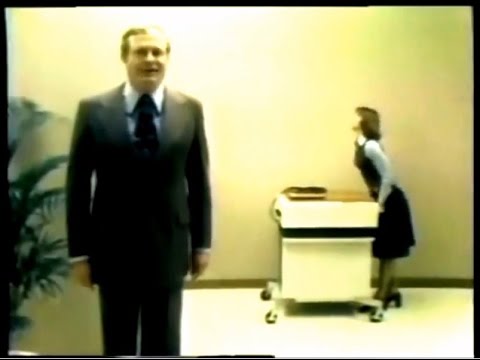
Strategy & Themes: Ads from this era were elegantly straightforward. They emphasized simplicity, reliability, and quality. The famous "It's a Xerox" campaign didn't just promote a brand; it positioned Xerox machines as the definition of the category. Visuals showed crisp copies produced effortlessly, with messaging targeted at office managers and executives who valued precision and uptime.
Cultural & Marketing Impact: This campaign achieved the ultimate marketing zenith: genericization. Much like "Google" for search or "Kleenex" for tissue, "Xerox" became a verb synonymous with copying. This level of brand dominance was built on unparalleled trust. For B2B marketing, Xerox demonstrated that in a corporate environment, trust is not just a value-add; it is the primary currency. They proved that by becoming the safe, default choice, a brand could achieve market penetration that transcended advertising cycles.
Watch a classic Xerox Copier Ad from the 1970s:
The Evolution: Selling Productivity, Not Just Printers (1980s-1990s)
As the market for copiers became competitive and Xerox expanded into printers and document management systems, its advertising evolved. The message shifted from "what it is" to "what it does for you."
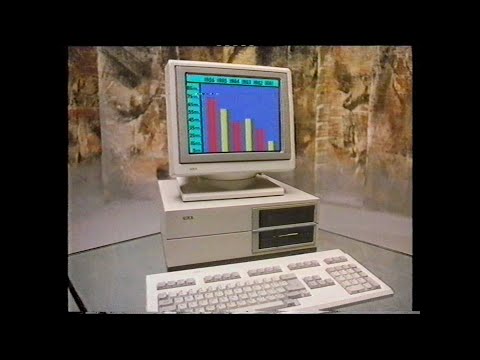
Strategy & Themes: This era focused on business outcomes: efficiency, productivity, and cost savings. Ads depicted streamlined workflows, time-strapped managers meeting deadlines, and businesses gaining a competitive edge. The storytelling moved from showcasing the machine to showcasing the solved problem—the chaotic office tamed by Xerox efficiency. Case studies and ROI-driven messaging became central, speaking directly to the financial and operational concerns of executives.
Cultural & Marketing Impact: Xerox pioneered a fundamental shift in B2B tech advertising: the move from features to benefits. They were not selling a printer with a certain ppm (pages per minute); they were selling regained hours, reduced overhead, and controlled chaos. This outcome-driven approach became the template for virtually all subsequent enterprise tech marketing, from SAP to Cisco. It framed technology not as an expense, but as a strategic investment in business transformation.
Watch a Xerox Productivity Campaign from the 1980s:
The Pivot: Rebranding as a Digital Partner (2000s)
The dawn of the digital century threatened traditional print-based businesses. Xerox faced this existential challenge head-on with a bold advertising pivot aimed at fundamentally repositioning the company.
Strategy & Themes: Advertising messaging aggressively moved "beyond the box." Xerox launched campaigns promoting digital workflow solutions, IT services, and cloud-based document management. The brand narrative transformed from a manufacturer of hardware to a partner in digital transformation. Ads highlighted secure document handling, compliance, and seamless integration into digital ecosystems.
Cultural & Marketing Impact: This was a masterclass in corporate rebranding. Xerox’s ads showed the world—and its competitors—that a legacy hardware company could reinvent itself as a services and solutions provider. This successful pivot influenced rivals like HP, Canon, and Ricoh to follow suit, emphasizing services and software. It underscored a critical lesson for B2B marketing: a brand’s story must evolve with technological and market realities, or risk obsolescence.
Watch a Xerox Digital Workflow Ad from the 2000s:

The Modern Era: Aligning with Hybrid Work and Sustainability (2010s-2020s)
Today, Xerox’s advertising reflects the defining trends of the modern enterprise: the hybrid workplace, environmental responsibility, and intelligent automation.
Strategy & Themes: Contemporary campaigns focus on themes like workflow automation for distributed teams, sustainability through reduced paper consumption, and AI-driven document intelligence. The messaging connects Xerox’s solutions to enabling flexible work, supporting corporate ESG (Environmental, Social, and Governance) goals, and driving innovation.
Cultural & Marketing Impact: Xerox’s current advertising demonstrates how a B2B brand must align with contemporary corporate values. By linking its products to sustainability and hybrid work efficiency, Xerox positions itself as an enabler of modern, conscious business practices. This shows that cutting-edge B2B marketing must speak to the broader cultural and operational priorities of its clientele.
Watch a Xerox Cloud Services Campaign from the 2010s: 
Watch a Xerox Hybrid Work Solutions ad from the 2020s: 
Expert Analysis: The Pillars of Xerox’s Advertising Legacy
Marketing analysts point to several enduring reasons for the effectiveness of Xerox’s advertising across generations:
The Primacy of Trust: Initially built on machine reliability, this trust evolved into trust in Xerox as a business partner. This foundational element lowered the perceived risk for B2B purchasers.
Outcome-Driven Storytelling: Xerox consistently sold the why, not the what. Whether it was saving time, cutting costs, or enabling digital transformation, the customer’s success was always the hero of the story.
Strategic Anticipation: Successful B2B marketing requires anticipating client needs before they become urgent. Xerox ads evolved from copying, to office efficiency, to digital workflows, to hybrid work support—each time aligning with the next wave of workplace evolution.
Adaptive Brand Identity: The brand demonstrated remarkable elasticity, moving from a hardware manufacturer to a services partner without losing its core association with document expertise.
The Broader Influence: Shaping B2B Marketing Culture
Xerox’s impact extends far beyond its own ads:
Shaping Procurement: Its early campaigns helped shift business perception of office equipment from a mere operational cost to a strategic investment in productivity.
Inspiring Competitors: The entire competitive landscape, from HP to Canon, adopted Xerox’s playbook of selling solutions and business outcomes.
Setting Industry Standards: Xerox established benchmarks for how to communicate value, use case studies, and build long-term brand equity in the enterprise space.
Conclusion: More Than Copies, A Blueprint for B2B
The legacy of Xerox advertising is not found in any single slogan or jingle, but in the foundational principles it embedded in B2B marketing. It proved that even the most utilitarian products could be marketed through powerful, emotionally resonant narratives of trust, efficiency, and transformation. From making its name a verb to guiding businesses through the digital revolution, Xerox’s campaigns provided a master blueprint: in the world of business, the most powerful thing you can sell is not a machine, but a better way to work.

Discover how NEC Ads transformed tech marketing strategies, driving innovation and engagement in the digital landscape. Explore the impact today!

Discover how Fujitsu's innovative advertising strategies have reshaped tech marketing, driving engagement and setting new industry standards.

Discover how Acer Ads revolutionized laptop marketing strategies, influencing consumer behavior and setting new industry standards for advertising effectiveness.

Discover how Oracle Ads revolutionized enterprise marketing strategies, enhancing targeting, engagement, and ROI for businesses in the digital landscape.

Discover how IBM Ads revolutionized tech culture, influencing innovation and shaping the digital landscape. Explore the impact on advertising and technology.

Explore Renault's innovative advertising journey in automotive safety, highlighting groundbreaking campaigns that prioritize driver and passenger protection.

Discover the iconic athletes who have starred in Pepsi commercials, showcasing their talent and charisma while promoting the brand's refreshing image.

Discover the most iconic Adidas campaigns in running sports, showcasing innovation, inspiration, and the spirit of athletes. Explore their impact on the sport.