

In the fiercely competitive world of personal computing, advertising has long been the arena where brands define their identity and battle for consumer hearts and minds. While some, like Apple, cultivated an aura of premium exclusivity, Acer carved its own indelible path by championing a radically different principle: democratization. For decades, Acer’s advertising campaigns have been a masterclass in making technology accessible, targeting overlooked segments, and shaping the very perception of what a laptop can be for different people. From cost-conscious families to hardcore gamers and classrooms full of students, Acer’s marketing legacy is one of strategic inclusivity and category creation.
The Foundational Ethos: Championing Affordability (Late 1980s-1990s)
As Acer emerged from Taiwan onto the global stage, it faced established giants like IBM, Compaq, and later, Dell. Its primary weapon wasn't superior specs, but disruptive pricing enabled by its innovative manufacturing. Acer’s early advertising reflected this core competitive advantage with unapologetic clarity.
Strategy & Themes: Campaigns hammered home the message of “affordable innovation” and “value for money.” Ads targeted households, small businesses, and first-time buyers in emerging markets, presenting Acer laptops not as luxury items but as practical, reliable tools for advancement. The messaging was straightforward: you don’t need to break the bank to own capable, modern technology.
Cultural & Marketing Impact: This focus was revolutionary. At a time when laptops were largely corporate status symbols, Acer’s advertising actively worked to demystify and decommoditize computing. It played a pivotal role in making laptops mainstream across Asia, Eastern Europe, and Latin America. By consistently speaking to the budget-conscious consumer—a segment largely ignored by premium brands—Acer didn’t just find a niche; it helped create and expand the entire value segment of the PC market, forcing competitors to eventually respond with their own affordable lines.
The Lifestyle Pivot: The Aspire Series and Mainstream Appeal (2000s)
With the launch of the Acer Aspire series, the company executed a brilliant strategic shift. Having built a foundation on price, it now layered on aspirational lifestyle appeal. This marked the moment Acer began targeting the home user not just as a buyer, but as a multimedia consumer.
Strategy & Themes: Advertising for the Aspire line was vibrant and consumer-focused. It highlighted entertainment features—watching movies, listening to music, video chatting, and internet browsing. The laptop was portrayed as the colorful, sleek centerpiece of a modern digital life, targeted at students, families, and young professionals. Design, portability, and fun became key selling points alongside specs and price.
Cultural & Marketing Impact: Acer Aspire ads were instrumental in redefining the laptop’s role in the home. They successfully positioned laptops as personal lifestyle devices, moving them decisively out of the home office and into the living room and dorm room. This “lifestyle marketing” approach influenced the entire industry, pushing competitors to soften their technical jargon and showcase their products in relatable, domestic settings. Acer helped make the laptop a universal tool for entertainment and connection.
Watch an Acer Aspire Series Ad from the 2000s:

Owning the Classroom: The Chromebook Conquest (2010s)
Seeing the rise of cloud computing and the specific needs of the education sector, Acer made an early and decisive bet on Google’s Chromebook platform. Its advertising for this category was a masterstroke in targeted, solution-based marketing.
Strategy & Themes: Chromebook campaigns were simple, clear, and perfectly pitched to two audiences: school district administrators and parents. Ads emphasized ease of use, durability, cost-effectiveness, and seamless integration with Google Classroom. The message was that these were not just cheap laptops, but purpose-built tools for learning—simple to manage, hard to break, and perfect for fostering collaboration.
Cultural & Marketing Impact: Acer’s aggressive and clear Chromebook advertising played a huge role in making the platform—and Acer itself—the default choice in K-12 education, particularly in the United States. This campaign reshaped educational technology procurement, shifting the conversation from expensive, complex Windows machines to streamlined, manageable devices. It demonstrated the power of marketing that addresses a specific ecosystem’s pain points with surgical precision.
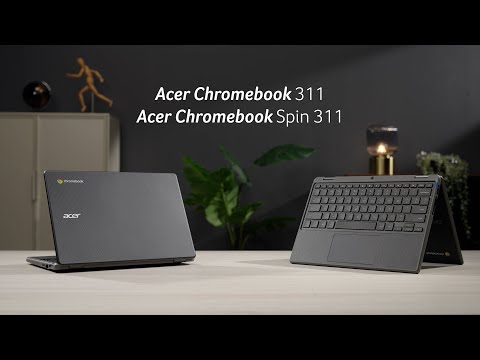
Watch an Acer Chromebook in Education advertisement:
Forging a Gaming Identity: The Predator and Nitro Revolution (2010s-Present)
In a bold move to capture the high-margin, passion-driven gaming market, Acer launched the Predator brand in 2008, later complemented by the more accessible Nitro line. This wasn’t a subtle expansion; it was a full-throated entry into a new cultural arena.
Strategy & Themes: Predator advertising is visceral and immersive. It leans into dark, aggressive aesthetics, high-octane visuals, and the language of raw power and victory. Ads highlight cutting-edge cooling, blistering refresh rates, and RGB lighting, directly appealing to performance-seeking gamers. Crucially, Acer backed this with major esports sponsorships and community engagement, embedding the brand within gaming culture itself. The Nitro line’s ads carry a similar energy but with a focus on accessible performance for aspiring gamers.
Cultural & Marketing Impact: Acer’s gaming campaigns did more than sell laptops; they helped define the visual and cultural vocabulary of gaming hardware marketing. By fully committing to a distinct, aggressive sub-brand identity, Acer legitimized itself as a serious player against established rivals like ASUS ROG and MSI. These ads shaped consumer expectations for what a gaming laptop should look and feel like, pushing the entire category toward more dramatic design and community-focused marketing.
Watch an Acer Predator Gaming Ad: 
Watch an Acer Nitro Affordable Gaming Laptop ad: 
The Modern Professional: Swift and Spin Ultrabooks (2020s)
To compete in the premium thin-and-light space popularized by Apple’s MacBook Air, Acer developed its Swift and Spin series. The advertising for these lines represents yet another strategic evolution, targeting style-conscious professionals and students.
Strategy & Themes: These campaigns are sleek, minimalist, and focus on mobility, productivity, and elegant design. Ads showcase the laptops in cosmopolitan settings—coffee shops, modern offices, airports—emphasizing their portability, all-day battery life, and premium build materials like aluminum chassis. The message is about efficient, stylish modern living.
Cultural & Marketing Impact: With the Swift and Spin campaigns, Acer proved it could play in the premium design league while still offering compelling value. These ads helped broaden Acer’s brand perception beyond affordability alone, showing it could deliver sophistication and performance for the mobile professional, influencing the ultrabook market to balance aesthetics with practicality.
Watch an Acer Swift Ultrabook Lifestyle Campaign: 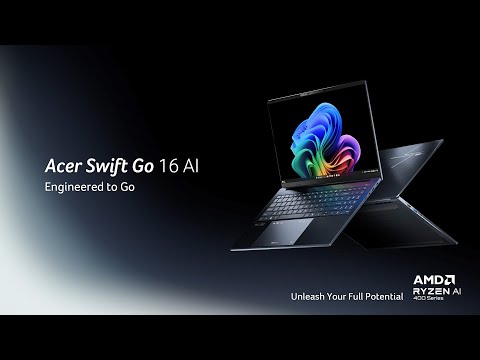
Expert Analysis: The Pillars of Acer’s Marketing Success
Acer’s enduring relevance stems from several advertising principles:
Segment-Specific Authenticity: Whether talking to a parent, a gamer, or a CFO, Acer’s ads speak the language of the target audience with genuine understanding, avoiding a one-size-fits-all approach.
Democratization as a Core Narrative: The through-line across decades is making powerful technology accessible to more people, whether through price (early ads), simplicity (Chromebooks), or tiered performance (Nitro vs. Predator).
Category Leadership Through Focus: Instead of diluting its message, Acer has repeatedly used focused sub-brands (Aspire, Predator, Chromebook) to own specific categories in the consumer’s mind.
Adapting to Cultural Shifts: Acer’s advertising evolution mirrors societal changes: the rise of home computing, the importance of edtech, the explosion of gaming culture, and the demand for mobile productivity.
Conclusion: The Legacy of Strategic Accessibility
Acer’s advertising legacy is not built on a single iconic commercial, but on a consistent, strategic mission to meet users where they are. It reshaped laptop marketing by proving that success lies not just in chasing the high-end, but in authentically serving the vast and varied middle—the students, the families, the budget-conscious professionals, and the passionate gamers. By democratizing technology through focused, empathetic advertising, Acer didn’t just sell millions of laptops; it played a fundamental role in making personal computing a truly universal tool. In doing so, it provided a blueprint for how a brand can grow by championing accessibility without ever sacrificing a clear sense of identity.
Now in How to Fix Acer laptop touchpad not working Learn how to troubleshoot and fix Acer laptop touchpad issues with our step-by-step guide. Get your touchpad working again in no time!

Discover how Oracle Ads revolutionized enterprise marketing strategies, enhancing targeting, engagement, and ROI for businesses in the digital landscape.

Discover how IBM Ads revolutionized tech culture, influencing innovation and shaping the digital landscape. Explore the impact on advertising and technology.

Explore Renault's innovative advertising journey in automotive safety, highlighting groundbreaking campaigns that prioritize driver and passenger protection.

Discover the iconic athletes who have starred in Pepsi commercials, showcasing their talent and charisma while promoting the brand's refreshing image.

Discover the most iconic Adidas campaigns in running sports, showcasing innovation, inspiration, and the spirit of athletes. Explore their impact on the sport.

Discover how Hitachi's innovative advertising strategies have reshaped tech marketing, driving engagement and setting new industry standards.

Discover Burger King’s most daring advertising slogans that have captured attention and sparked conversations. Explore the boldness behind their marketing genius.
Discover how sharp advertising has shaped tech culture, influencing trends, consumer behavior, and the evolution of digital marketing strategies.