
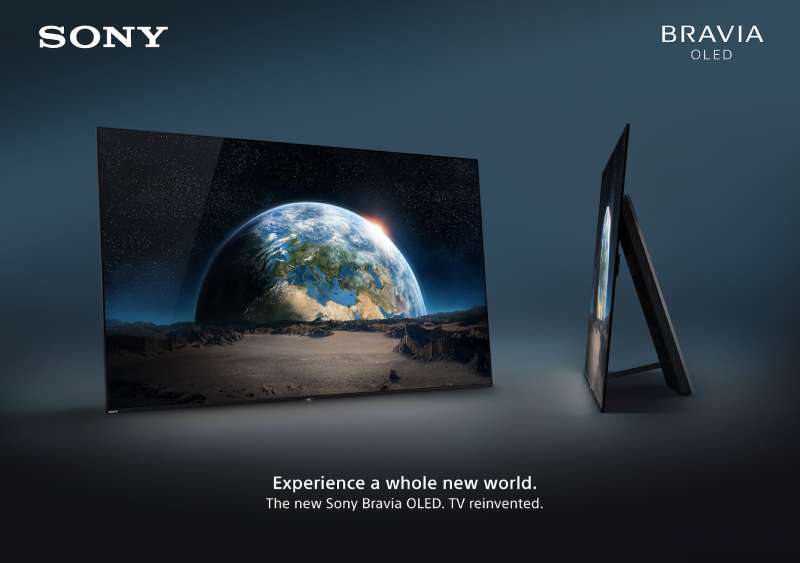
Sony has never been a company that simply manufactures devices. It creates vessels for experience. From the liberating portability of the Walkman to the immersive worlds of PlayStation, Sony's products have always promised something beyond function: they promise escape, identity, and wonder.
This promise has been consistently articulated through some of the most influential advertising in modern history. Sony's commercials do not merely demonstrate features; they enact the emotions those features enable. A Walkman ad from the 1980s does not explain cassette mechanisms; it shows a dancer lost in music, oblivious to the city around her. A Bravia spot does not list resolution specs; it floods a street with 250,000 colorful bouncing balls.
This article explores why Sony matters in entertainment advertising, analyzes its landmark campaigns across decades, and reveals how the brand has consistently elevated commerce into cultural storytelling.
Why Sony Matters in Entertainment Advertising
H2: Lifestyle Storytelling
Sony's ads have always understood that consumers do not buy products; they buy better versions of themselves. The Walkman was not a portable tape player; it was a key to private soundtracks. PlayStation was not a gaming console; it was a portal to alternate identities. Sony's advertising sells transformation, not technology.
H2: Visual Innovation
The Bravia "Balls" campaign demonstrated that television advertising could aspire to the condition of art. Its creators treated the commercial as a canvas, not a catalog. This visual ambition set a new standard for how technology brands communicate quality.
H2: Cross-Media Power
Sony's unique position—as a manufacturer, a film studio, a music label, and a gaming platform—allows it to create advertising that resonates across entertainment industries. A Spider-Man film trailer and a PlayStation ad can share visual language, reinforcing Sony's ecosystem without explicit promotion.
H2: Cultural Resonance
Sony campaigns have consistently aligned with the cultural moods of their eras. The Walkman spoke to 1980s individualism. PlayStation's surrealism reflected 1990s anxiety about identity and reality. Bravia's visual spectacle matched the 2000s hunger for cinematic experience. Sony does not chase culture; it anticipates it.
Historical Timeline of Sony's Entertainment Advertising
Walkman Era (Late 1970s–1980s)
Innovation: The Walkman did not invent portable music, but it invented portable music culture. Sony's advertising showed dancers, skaters, and city wanderers connected to private worlds through tiny headphones.
Impact: Redefined how people consumed music, transforming listening from a communal activity into an intimate, mobile experience.
Advertising Style: Focused on individuality, youth energy, and the romance of urban movement.
🎥 Watch a classic Walkman ad here:

Sony Bravia Campaigns (2005–2010s)
Iconic Ads: "Balls" (2005) and "Foam City" (2009)
Concept: "Balls" featured 250,000 colored balls bouncing through the streets of San Francisco. "Foam City" filled a Glasgow neighborhood with expanding colored foam. Both demonstrated Bravia's color reproduction without a single technical specification.
Impact: Elevated television advertising into a visual art form. The campaigns were discussed in design publications, film festivals, and advertising awards ceremonies.
Advertising Style: Cinematic, experiential, and defiantly non-commercial.
🎥 Watch "Balls" here:

🎥 Watch "Foam City" here:

(Note: This link currently shows limited metadata; searching "Sony Bravia Foam City" on YouTube will lead to the full ad.)
PlayStation Advertising (1990s–Present)
Iconic Campaigns: "Double Life" (1999), "Mental Wealth" (1999), "Long Live Play" (2011), "Greatness Awaits" (2013)
Concept: PlayStation ads have always understood that gaming is not about escapism but about dual existence. "Double Life" showed a man's mundane reality intercut with his heroic in-game identity. "Long Live Play" assembled Sony's iconic characters—Crash Bandicoot, Nathan Drake, Kratos—in a single, emotional narrative.
Impact: Defined gaming culture for multiple generations. PlayStation advertising made players feel seen, understood, and celebrated.
Advertising Style: Surreal, emotionally charged, and deeply respectful of gaming's psychological depth.
🎥 Watch "Double Life" here:

🎥 Watch "Long Live Play" here:

Sony Music & Film Collaborations
Partnerships: Sony's entertainment divisions frequently collaborate on cross-promotional campaigns. Spider-Man film releases are accompanied by PlayStation-themed content; music artists appear in hardware advertising.
Impact: Reinforces Sony's position as an integrated entertainment ecosystem, not a collection of unrelated divisions.
Advertising Style: Leverages existing cultural momentum rather than manufacturing it
📊 Table: Sony's Entertainment Advertising
| Walkman (1980s) | Lifestyle freedom ads | Mobility, individuality, urban youth | Created portable music culture, defined a generation |
| Bravia (2000s) | "Balls," "Foam City" | Visual spectacle, cinematic artistry | Elevated TV advertising to gallery-worthy art |
| PlayStation (1990s–2020s) | "Double Life," "Greatness Awaits," "Long Live Play" | Escapism, dual identity, community | Defined gaming culture across multiple generations |
| Sony Music/Films | Spider-Man tie-ins, artist collaborations | Celebrity, cross-media synergy | Reinforced Sony's entertainment dominance |
Expert Analysis: Why These Campaigns Worked
Lifestyle Innovation: Walkman advertising succeeded because it understood that the product was merely a prop. The real story was the user's private world. Sony sold the permission to tune out, not the device that enabled it.
Cinematic Spectacle: Bravia's "Balls" was revolutionary because it trusted the audience. It did not explain why color mattered; it simply showed color in its most joyful, overwhelming form. The audience supplied the interpretation.
Gaming Identity: PlayStation ads tapped into something profound about gaming psychology: players do not forget their real lives when they play; they add a layer. The "Double Life" campaign articulated this duality with poetic precision.
Cross-Media Integration: Sony's ability to connect its film, music, and gaming divisions creates advertising that feels coherent rather than corporate. A Spider-Man game and a Spider-Man film share visual language, reinforcing both experiences.
Cultural Timing: Sony has consistently launched campaigns at moments of cultural readiness. The Walkman arrived as cities became spaces for anonymous individual experience. PlayStation's surrealism emerged as digital identity became a mainstream concern.
Broader Cultural Significance
Advertising History: Sony's campaigns are studied as milestones in lifestyle and cinematic advertising. They represent the transition from feature-based marketing to emotion-based storytelling.
Pop Culture: The image of colored balls bouncing through San Francisco has entered the visual vocabulary of advertising. PlayStation's character assemblies have become cultural events in themselves.
Consumer Psychology: Sony's emotional resonance builds loyalty that transcends rational comparison. A PlayStation owner is not just a customer; they are a member of a tribe that shares memories, references, and values.
Global Reach: Sony's campaigns translate across borders because they appeal to universal human desires: the desire for private space, for vibrant experience, for heroic identity.
Conclusion / The Legacy of Sony in Entertainment Advertising
Sony's role in entertainment advertising is defined by a consistent insight: people do not want devices; they want what devices make possible. The Walkman promised a personal soundtrack. Bravia promised a window into vibrant worlds. PlayStation promised a second life.
These promises were not delivered through specifications but through stories. Sony's advertising taught an entire industry that technology marketing could be emotional, artistic, and culturally significant.
From bouncing balls to dual lives, from foam cities to assembled heroes, Sony's commercials have proven that advertising, at its best, is not interruption but enrichment. It does not sell products. It sells possibilities.
🎥 Iconic Sony Ads on YouTube (Raw Links)
Sony Walkman Lifestyle Ad (1980s):
 Watch YouTube video
Sony Bravia "Balls" (2005):
Watch YouTube videoSony Bravia "Foam City" (2009):
Watch YouTube videoPlayStation "Double Life" (1999):
Watch YouTube videoPlayStation "Long Live Play" (2011):
Watch YouTube video
Discover the actress featured in the Sony WH-1000XM6 headphones ad. Uncover her identity and learn more about her role in this captivating campaign.
Explore Sony's innovative advertising journey in gaming, showcasing how their strategies shaped the industry and captivated audiences worldwide.

Discover how emotional campaigns in sports advertising connect with audiences, driving engagement and loyalty through powerful storytelling and relatable themes.

Discover the groundbreaking streaming ads that transformed digital advertising. Explore their impact and learn how they shaped the future of marketing.

Explore the evolution of Givenchy perfume campaigns through the years, showcasing iconic scents and captivating visuals that define luxury and elegance.

Discover the most iconic summer campaigns in Latin America, showcasing vibrant culture, creativity, and unforgettable marketing strategies that captivate audiences.

Discover how famous actors use their star power in charity advertising campaigns to inspire change and support important causes around the world.

Discover the actors who have represented leading technology companies, showcasing their unique roles and contributions to the tech industry.

Discover the top actors in perfume advertising campaigns and explore how their star power elevates brand appeal and consumer engagement.
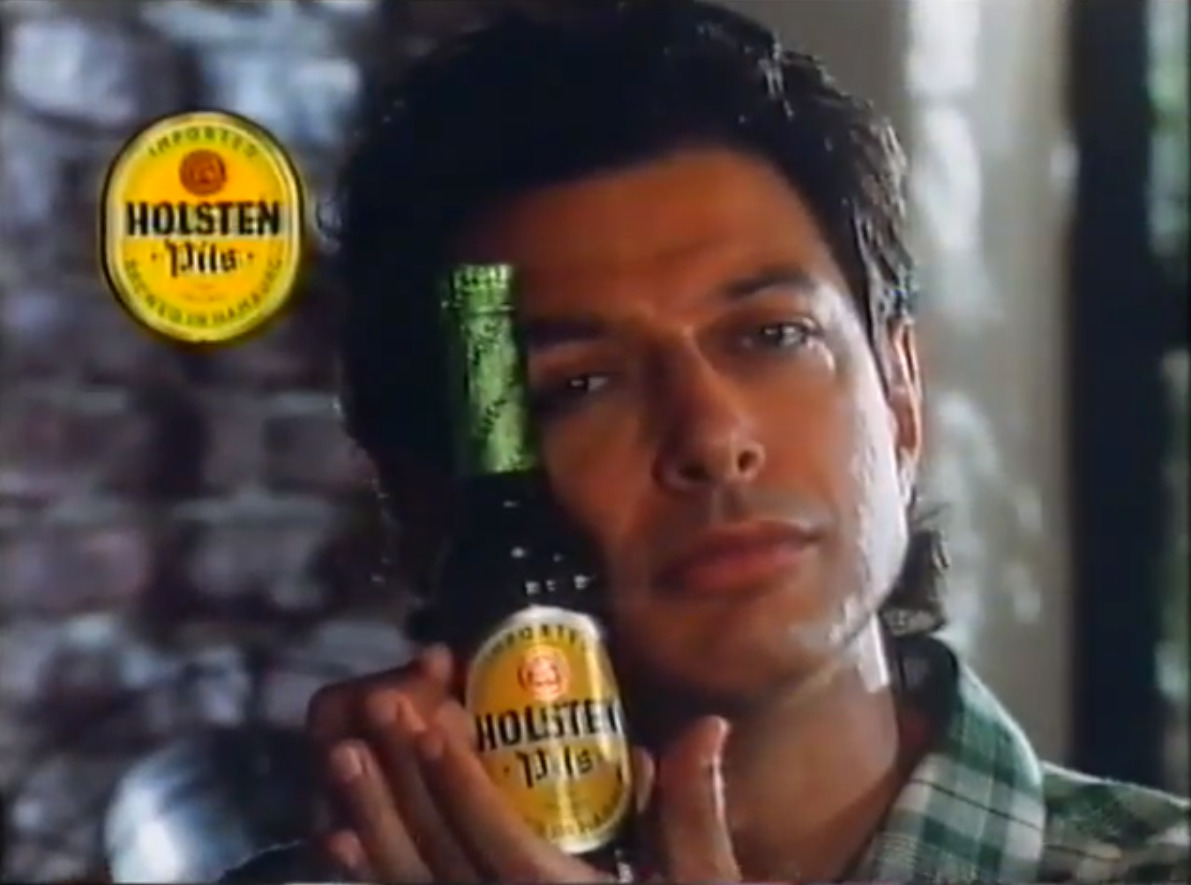
Discover the iconic actors who brought beverage ads to life in the 90s, shaping pop culture and advertising trends that still resonate today.