

In the world of luxury fragrance, few names carry the weight of Givenchy. Since Hubert de Givenchy opened his couture house in 1952, the brand has represented a specific kind of French elegance—refined, innovative, and intimately connected to the women and men who wear it.
But Givenchy's true genius has never been limited to fabric or fragrance. It lies in storytelling. From the moment Audrey Hepburn became the face of L'Interdit in 1957, Givenchy understood something that would take the rest of the luxury industry decades to learn: a perfume is not sold by its ingredients but by its associations. A bottle is not an object; it is an invitation into a world.
This article explores why Givenchy's perfume campaigns matter, traces their evolution across seven decades, and reveals how the brand has consistently used celebrity, cinema, and cultural resonance to transform commerce into art.
Why Givenchy Perfume Campaigns Matter
H2: Celebrity Endorsement Power
Givenchy did not merely participate in celebrity advertising; it invented the modern form. When Hubert de Givenchy created L'Interdit exclusively for Audrey Hepburn, he established a template that would dominate luxury marketing for generations: the perfume as an extension of a specific, desirable persona.
H2: Cinematic Storytelling
Givenchy campaigns have always aspired to the condition of cinema. They employ narrative arcs, emotional scores, and visual language borrowed from film. A Givenchy commercial does not demonstrate a product; it stages a scene.
H2: Cultural Resonance
Each Givenchy campaign reflects the values of its era. The 1950s demanded exclusivity and grace. The 1990s celebrated sensuality. The 2020s embrace diversity, digital fluency, and跨界 collaboration. Givenchy adapts without ever losing its essential identity.
Historical Timeline of Givenchy Perfume Campaigns
1950s–1970s: Audrey Hepburn & the Birth of Celebrity Endorsement
1957: Hubert de Givenchy creates L'Interdit exclusively for his muse, Audrey Hepburn. For one year, only she wears it. When the perfume is released to the public, Hepburn becomes its face—the first time a movie star fronted a fragrance campaign.
1970: Givenchy III launches with an enigmatic slogan: "Who knows why one is reminded of a particular woman and not another one? Givenchy III gives memories to men."
Impact: Established the celebrity-endorsed perfume as a luxury standard. Hepburn's association with Givenchy became legendary, referenced for decades afterward.
🎥 Watch Audrey Hepburn in L'Interdit (1958) here:
1980s–1990s: Expanding the Portfolio
Ysatis (1984) and Amarige (1991): Feminine fragrances that emphasized bold sophistication.
Organza (1996): A campaign centered on sensuality and sculptural elegance. The advertising imagery was lush, dramatic, and unmistakably luxurious.
Men's Fragrances: Gentleman (1974) established masculine identity for the brand; Pi (1999) introduced a spiritual, philosophical dimension.
Impact: Givenchy proved it could create distinct olfactory identities for different audiences while maintaining cohesive brand luxury.
🎥 Watch the Organza commercial (1996) here:

2000s: Very Irrésistible & Celebrity Glamour
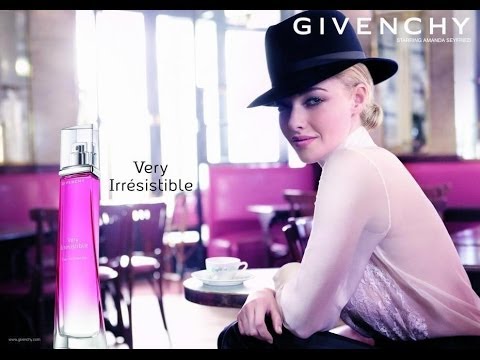
2003: Very Irrésistible Givenchy launches with Liv Tyler as its face. The campaign emphasizes spontaneity, femininity, and Parisian chic—capturing the early 2000s appetite for accessible glamour.
Impact: Tyler's ethereal presence modernized Givenchy for a new generation, proving that heritage and youth appeal could coexist.
🎥 Watch Liv Tyler in Very Irrésistible (2003) here:
2010s: Modern Reinvention
2011: Dahlia Noir introduces a darker, more mysterious tone, reflecting the era's fascination with complex femininity.
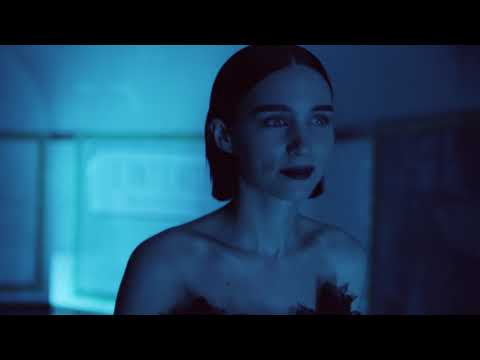
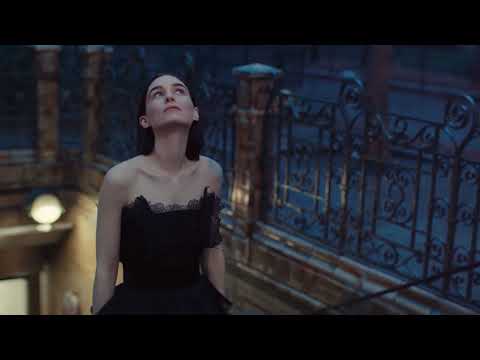
2018: L'Interdit is relaunched with Rooney Mara as its face. The campaign consciously reconnects with Hepburn's legacy while asserting a contemporary identity—mysterious, intense, and visually striking.
Impact: Demonstrated that heritage could be a platform for innovation rather than a limitation.
🎥 Watch Rooney Mara in L'Interdit Rouge (2018) here:
2020s: Gentleman Society & Digital Luxury
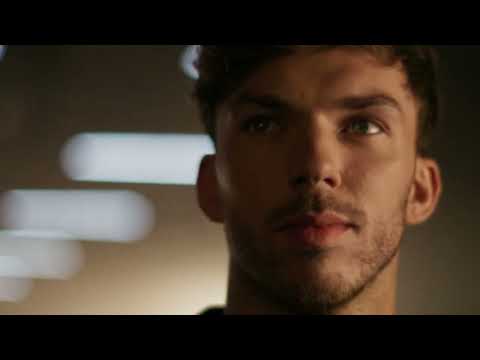
2023: Gentleman Society launches with an unexpected duo: musician Benjamin Clementine and Formula 1 driver Pierre Gasly. The campaign blends music, sport, and fashion—reflecting the decade's跨界 ethos.
L'Interdit Rouge: A bolder, more daring iteration of the classic, emphasizing passion and intensity through striking red visuals.
Impact: Givenchy embraces digital platforms and experiential activations, including pop-ups at the Cannes Film Festival, ensuring its campaigns dominate social media as effectively as they once dominated magazines.
🎥 Watch the Gentleman Society campaign with Pierre Gasly here:
https://www.youtube.com/watch?v=5NQ39Ghn19
📊 Table: Givenchy Perfume Campaigns Over the Years
| 1950s–70s | L'Interdit, Givenchy III | Audrey Hepburn | First celebrity perfume campaign, established luxury template |
| 1980s–90s | Ysatis, Amarige, Organza | Models | Sensuality, elegance, sculptural femininity |
| 2000s | Very Irrésistible | Liv Tyler | Parisian chic, spontaneity, youthful glamour |
| 2010s | Dahlia Noir, L'Interdit relaunch | Rooney Mara | Cinematic, mysterious, heritage reinvented |
| 2020s | Gentleman Society, L'Interdit Rouge | Benjamin Clementine, Pierre Gasly | Modern,跨界, digitally fluent, bold visuals |
Expert Analysis: Why These Campaigns Worked
Innovation: Givenchy pioneered celebrity perfume advertising with Audrey Hepburn. This was not merely a marketing decision; it was a philosophical statement. The brand understood that perfume is intangible and requires embodiment.
Consistency: Across seven decades, Givenchy has maintained a coherent identity while adapting to each era's aesthetics. The 1950s exclusivity, the 1990s sensuality, the 2020s digital fluency—all are expressions of the same elegant core.
Cultural Impact: L'Interdit is not just a perfume; it is a story about Hepburn, about friendship, about the intimacy between designer and muse. This narrative depth gives the campaign lasting cultural weight.
Modern Virality: Gentleman Society's casting of Benjamin Clementine and Pierre Gasly was designed for the social media era. Their distinct audiences—music lovers and sports fans—converged around the campaign, generating organic amplification.
Cinematic Ambition: Givenchy campaigns consistently employ film language. They are not commercials interrupted by content; they are content that happens to be commercials.
Broader Cultural Significance
Advertising History: Givenchy's campaigns are studied as benchmarks in luxury fragrance marketing. They demonstrate that celebrity endorsements, when rooted in genuine relationships, can achieve cultural permanence.
Pop Culture: Audrey Hepburn's L'Interdit imagery remains recognizable sixty years later. Rooney Mara's brooding intensity defined 2010s fragrance aesthetics. These campaigns do not just reflect culture; they shape it.
Consumer Psychology: Familiar faces reduce the psychological distance between consumer and luxury house. A bottle associated with Hepburn or Mara carries emotional weight that no ingredient list can match.
Global Reach: Givenchy's casting strategy ensures relevance across markets. Hollywood actresses appeal to Western audiences;跨界 figures like Gasly attract global sports followers; Clementine brings artistic credibility. The brand speaks multiple languages simultaneously.
Conclusion / The Legacy of Givenchy Perfume Ads
Givenchy's perfume campaigns, from Audrey Hepburn's L'Interdit to Benjamin Clementine's Gentleman Society, tell a story of continuity and reinvention. The brand has never abandoned its core values—elegance, exclusivity, cinematic ambition—but it has expressed them differently in each decade.
This balance between tradition and innovation is the essence of luxury longevity. Givenchy understands that heritage is not a museum piece but a living vocabulary. Each new campaign adds a word, a phrase, a sentence to an ongoing conversation about beauty, identity, and desire.
The legacy of Givenchy's perfume advertising is definitive: when a brand treats its commercials as art, audiences treat the art as culture.
🎥 Givenchy Perfume Ads on YouTube (Raw Links)
Audrey Hepburn – L'Interdit (1958):
 Watch YouTube video
Liv Tyler – Very Irrésistible Givenchy (2003):
Watch YouTube videoRooney Mara – L'Interdit Relaunch / Rouge Campaign (2018):
Watch YouTube videoGentleman Society – Benjamin Clementine & Pierre Gasly (2023):
Watch YouTube videoOrganza – Givenchy (1996):
Watch YouTube video

Discover the most iconic summer campaigns in Latin America, showcasing vibrant culture, creativity, and unforgettable marketing strategies that captivate audiences.

Discover how famous actors use their star power in charity advertising campaigns to inspire change and support important causes around the world.

Discover the actors who have represented leading technology companies, showcasing their unique roles and contributions to the tech industry.

Discover the top actors in perfume advertising campaigns and explore how their star power elevates brand appeal and consumer engagement.
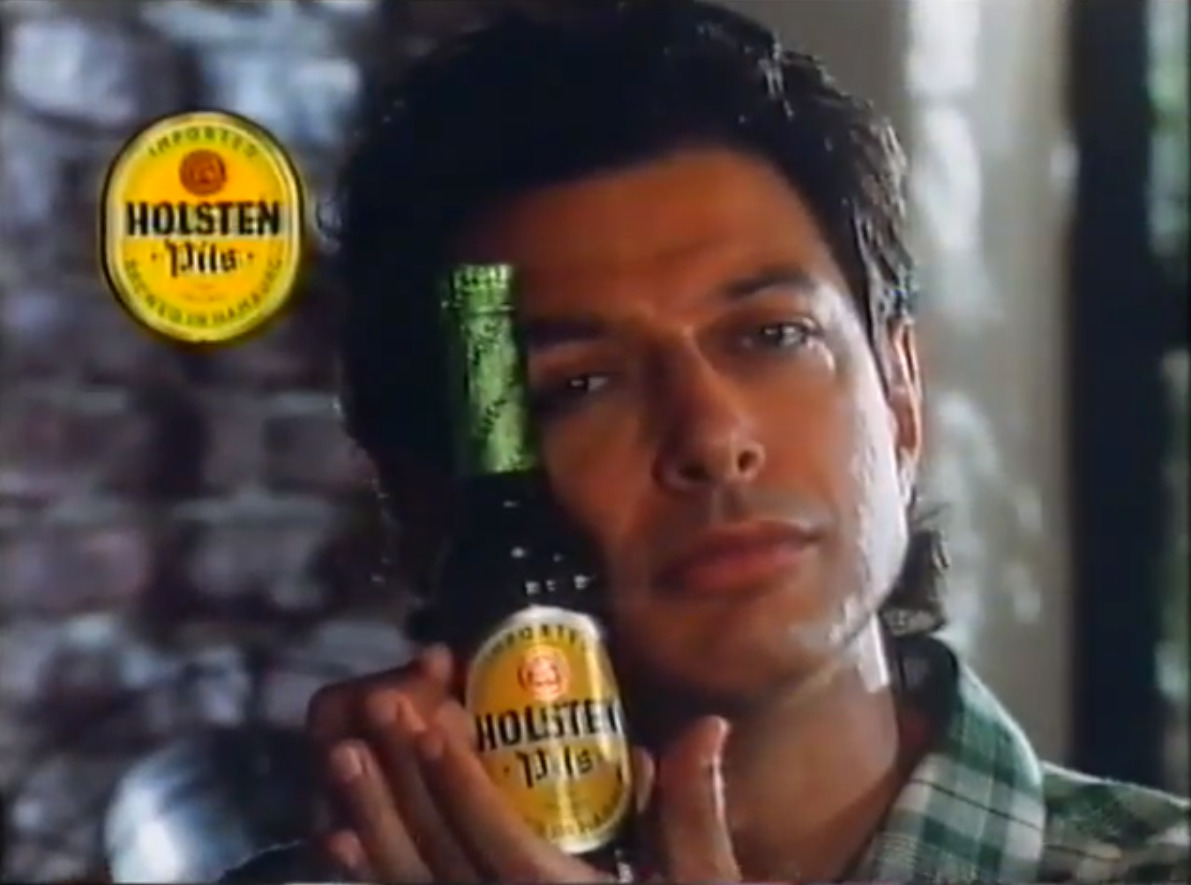
Discover the iconic actors who brought beverage ads to life in the 90s, shaping pop culture and advertising trends that still resonate today.

Discover Emma Stone's captivating presence in cosmetics advertising campaigns, showcasing her beauty and charm in stunning visuals and innovative marketing strategies.

Explore the captivating world of Robert De Niro in automotive advertising campaigns, showcasing his unique charisma and influence in the industry.

Explore Renault's significant influence on European advertising, showcasing innovative campaigns that shaped cultural narratives and consumer perceptions.