

Sony’s journey in gaming is a masterclass in brand evolution, defined by audacious marketing that didn't just sell consoles but defined generations, shaped cultural conversations, and fostered fervent loyalty. From its disruptive entry into a Nintendo-dominated market to its current position as a home entertainment titan, Sony's PlayStation advertising has consistently been bold, cinematic, and culturally attuned. This article traces Sony's advertising journey through the console wars, examining how its campaigns built the PlayStation into one of the world's most powerful entertainment brands.
The Disruptive Entry: Establishing an Attitude (1994-1999)
Sony entered the gaming arena not as a toy company, but as a consumer electronics giant with a reputation for cool. Its advertising had to establish an entirely new identity.
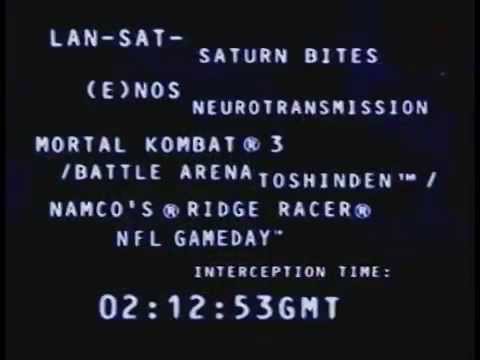
The PlayStation Launch: "U R Not E" (Red) / "Enos Lives" (1995)
The Campaign: A surreal, avant-garde campaign in the UK featuring bizarre imagery (like a man with a duck for a head) and the cryptic tagline "U R Not E" (You Are Not Ready). In the US, it used the enigmatic "Enos Lives" and ads that felt like underground art films.
The Impact: This immediately set PlayStation apart from Sega and Nintendo. It wasn't for kids; it was for a new, older, more sophisticated generation. The ads cultivated an aura of mystery and counter-cultural cool, positioning PlayStation as the rebel brand.
Watch (U R Not E):
 Watch YouTube video
The "Double Life" Campaign (1999)
The Campaign: With the PS1 firmly established, this campaign targeted young adults. Ads showed mundane, everyday situations (office work, a grocery store) transforming into epic gaming scenarios (a racing track, a fantasy battle) with the tagline "Live in your world. Play in ours."
The Impact: It brilliantly articulated the value proposition of gaming as an essential escape and source of identity. It validated the player's "double life" and made PlayStation the portal to a more exciting reality.
Watch:
Watch YouTube video
The Dominance Era: Selling the Fantasy (2000-2006)
With the PlayStation 2, Sony achieved market supremacy. Advertising shifted from establishing an attitude to showcasing the epic, cinematic scope of the experiences.
PS2 Launch: The "Third Place" (2000)
The Campaign: Epic, CG-heavy ads depicted the PS2 as a black monolith or a futuristic console transforming living rooms into other worlds. The famous "Mountain" ad showed a cityscape forming on the surface of a PS2 disc.
The Impact: It sold the PS2 not just as a games console, but as the definitive "third place" (after home and work) for entertainment—a DVD player, a music hub, a gateway to unimaginable digital worlds. The scale of the advertising matched the scale of its ambition.
Watch (Mountain):
Watch YouTube video
"Fun, Anyone?" Campaign (2002)
Iconic Ad - "Mental Wealth": A man's head opens like the roof of a sports car, releasing fun in the form of colorful characters from games like Ratchet & Clank and Jak and Daxter.
The Impact: This campaign distilled the pure, chaotic joy of the PlayStation 2 library. It was vibrant, energetic, and focused on the diverse, character-driven experiences that defined the platform's first-party strength.
Watch (Mental Wealth):
Watch YouTube video
The Underdog Fight & Brand Refinement (2006-2013)
The PS3 era began with arrogance and high price points, leading to a costly marketing recalibration against a resurgent Xbox 360 and the disruptive Wii.
PS3's Rocky Start: "$599" & "This Is Living" (2006)
The Misstep: The infamous E3 2006 reveal, with Ken Kutaragi announcing the "$599" price point, became a marketing nightmare. The early "This Is Living" ads felt pretentious and out of touch.
The Pivot: Sony slowly shifted marketing to focus on the raw power ("The Only Console") and its must-have exclusive games like Metal Gear Solid 4.
The "It Only Does Everything" Rebrand (2009)
The Campaign: A direct, comparative, and humorous campaign mocking the Wii and Xbox 360 for what they couldn't do (play Blu-rays, offer free online). Kevin Butler, a fictional, passionate VP, became a star.
The Impact: This campaign was a much-needed dose of humility and clarity. It effectively communicated the PS3's value proposition late in the cycle and began rebuilding gamer goodwill.
Watch (Kevin Butler):
Watch YouTube video
The Resurgence & Player-Centric Focus (2013-Present)
Learning from the PS3 era, Sony's PS4 and PS5 marketing has been a masterclass in focused, player-first communication.
PS4 Launch: "For the Players" (2013)
The Campaign: A direct, confident contrast to Xbox One's initially TV-focused "All-in-One" strategy. Sony's E3 2013 presentation focused squarely on games, game sharing, and respecting the player. The "Greatness Awaits" tagline and the $399 price point were devastatingly effective.
The Impact: It was a strategic knockout. By positioning itself as the console "for the players," Sony tapped into core gamer identity and capitalized on Microsoft's missteps, winning the generation before it began.
Watch (E3 2013 Reveal):
Watch YouTube video
"The Best Place to Play" & "Worlds" Campaigns (PS4/PS5)
The Visuals: Cinematic ads that blend real-world scenes with gameplay, showcasing the emotional depth and graphical fidelity of exclusives like The Last of Us Part II, God of War, and Spider-Man.
The Impact: This advertising sells an ecosystem and an identity. It’s no longer about specs, but about the exclusive, award-winning narratives you can only experience on PlayStation. It reinforces the brand as the home of premium, cinematic gaming.
Watch (PS5 "Play Has No Limits"):
Watch YouTube video
The "PlayStation Studios" Branding
The Strategy: The intro animation before first-party games (the orchestral score over shifting shapes) is itself a powerful piece of brand advertising. It signals quality and a curated experience, building immense equity for the in-house developer collective.
The Impact: It turns a corporate structure into a mark of prestige, similar to a movie studio logo. It tells players, "What follows is a guaranteed standard of excellence."
Table: Sony's Gaming Advertising Evolution
| PlayStation 1 | "U R Not E" / "Double Life" | Rebel Cool; Gaming as an Escape. | Disrupted the kid-focused market; established a mature brand. |
| PlayStation 2 | "Third Place" / "Fun, Anyone?" | The Entertainment Hub; Pure Joy. | Market dominance; sold the breadth of experience. |
| PlayStation 3 | "It Only Does Everything" | Late-Cycle Value; Humility & Features. | Recovery from a poor start; won back core gamers. |
| PlayStation 4 | "For the Players" | Player-First; Focus on Games. | Capitalized on competitor's error; defined a generation. |
| PlayStation 5 | "Play Has No Limits" / "Worlds" | Premium, Cinematic Exclusives; Next-Gen Immersion. | Selling a ecosystem of must-have narrative experiences. |
Expert Analysis: The Pillars of PlayStation Marketing
"Sony's greatest marketing strength is its ability to forge an emotional tribe," says a gaming industry analyst. "With PS1, it was the tribe of cool rebels. With PS4, it was the tribe of respected core gamers. Their ads are less about polygons and more about permission: permission to be an adult gamer, permission to escape, permission to demand premium stories. When they stumble (PS3's launch), it's when they forget to speak to the tribe's identity."
The journey shows a brand that learned to leverage its strengths: hardware design as art, first-party studios as auteurs, and an unwavering (post-PS3) focus on the core gamer's desires. Their modern strategy of advertising exclusive worlds rather than consoles turns software into the ultimate system-seller.
Conclusion: More Than a Box, A Gateway
Sony's advertising journey in gaming is the story of a brand that grew from an arrogant disruptor into a confident curator of digital experiences. It successfully transitioned from selling "cool" to selling "character," and finally to selling "culturally significant art."
From the cryptic "U R Not E" to the empowering "For the Players," PlayStation's messaging has consistently validated the identity of its audience. In doing so, it has built one of the most loyal communities in consumer electronics. The journey proves that in gaming, the most powerful marketing doesn't just sell a machine—it sells membership to a world, and a promise that the best journey is always the one ahead.
YouTube Visual References for Key Campaigns:
PS1 "U R Not E" (UK Ad):
PS1 "Double Life" Campaign:

PS2 "Mountain" Ad:

PS2 "Mental Wealth" Ad:

PS3 "It Only Does Everything" (Kevin Butler):
PS4 "Greatness Awaits" Launch Trailer:

PS5 "Play Has No Limits" Reveal Trailer:

PlayStation Studios Intro Animation:
Discover the actress featured in the Sony WH-1000XM6 headphones ad. Uncover her identity and learn more about her role in this captivating campaign.
Discover how Sony shapes the landscape of entertainment advertising, leveraging innovative strategies to engage audiences and enhance brand visibility.

Discover how Google's visual strategy transforms advertising campaigns, enhancing engagement and driving results through innovative design and targeted messaging.

Discover Microsoft’s most memorable commercials that shaped advertising history. Explore iconic moments and innovative storytelling that captivated audiences.

Explore the fascinating evolution of Ford's advertising strategies over the years, showcasing innovative campaigns that shaped the automotive industry.

Discover the groundbreaking campaigns that transformed social media advertising. Explore strategies, successes, and lessons from the industry's best.

Discover the groundbreaking campaigns that transformed tech product perceptions and reshaped consumer attitudes. Explore their impact on the industry today.

Explore the enduring impact of Nike's "Just Do It" slogan, a powerful call to action that has inspired millions and transformed the world of sports marketing.

Explore the evolution of Coca-Cola's Christmas campaigns, showcasing iconic ads and their impact on holiday traditions and brand identity over the years.

Discover the most iconic Super Bowl campaigns that captivated audiences and transformed advertising. Explore memorable moments and creative brilliance today!