

Sports have always been a theater of human emotion. The last-second victory, the career-ending injury, the quiet tears of an athlete embracing their parent—these moments transcend competition. They speak to something universal about struggle, belonging, and hope.
Great sports advertising understands this. The most powerful campaigns in the industry's history do not focus on shoe cushioning or moisture-wicking fabric. They focus on the face of a mother watching her child compete. They focus on the trembling voice of an athlete defying expectations. They focus on the collective exhale of a community coming together.
This article explores why emotional campaigns have become the gold standard in sports advertising, analyzes the landmark campaigns that defined the genre, and reveals how brands like Nike, P&G, and Adidas have turned commercials into cultural touchstones.
Why Emotional Campaigns Matter in Sports Advertising
H2: Emotional Connection
Sports are not consumed rationally. Fans do not calculate; they feel. Advertising that mirrors the emotional texture of sports—the anxiety before a match, the euphoria of victory, the dignity in defeat—resonates at a level that feature lists never can.
H2: Performance Advantage
Research consistently demonstrates that emotional campaigns outperform rational ones by significant margins. Viewers may forget a price point, but they remember a feeling. Emotional storytelling creates neural anchors that keep campaigns alive in memory for years, even decades.
H2: Cultural Relevance
The most effective emotional campaigns do not exist in isolation. They align with broader social conversations—gender equality, racial justice, community resilience—and become part of those conversations. They are not interruptions but contributions.
Landmark Emotional Campaigns
Nike – Dream Crazier (2019)
Narrated by: Serena Williams
Concept: A manifesto about women athletes who have been labeled "crazy" for daring to compete, to protest, to exist publicly. The ad celebrates their defiance and reframes the insult as affirmation.
Impact: Became an immediate cultural milestone in the conversation about gender equality in sports. Williams's narration—raw, personal, authoritative—gave the campaign an authenticity no actor could replicate.
🎥 Watch the ad here:

Nike – You Can't Stop Us (2020)
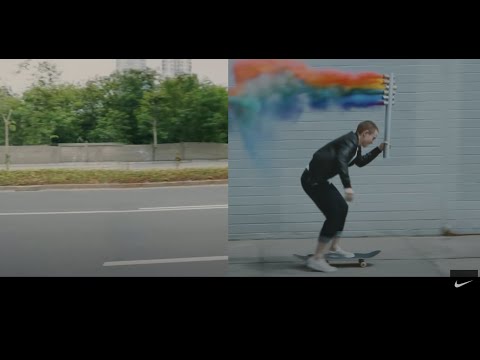
Concept: A masterwork of split-screen editing, juxtaposing athletes across sports, genders, and backgrounds in perfect synchrony. The ad emphasized unity and perseverance, released during the peak of pandemic isolation and social justice protests.
Impact: One of Nike's most shared campaigns in history. It captured the global mood with precision—acknowledging struggle while insisting on hope. The split-screen technique became instantly iconic, imitated across advertising and social media.
🎥 Watch the ad here:
P&G – Thank You, Mom (2012–2016 Olympics)
Concept: A multi-year campaign celebrating the mothers who sacrifice endlessly to support their children's athletic dreams. The ads follow young athletes from early morning practices to Olympic podiums, with mothers as silent, constant presences.
Impact: Widely considered the most emotional Olympic campaign ever produced. It elevated P&G's profile globally while reminding audiences that athletic achievement is never individual—it is collective, familial, sacrificial.
🎥 Watch the ad here:

Adidas – We All Need Someone to Make Us Believe (2025)
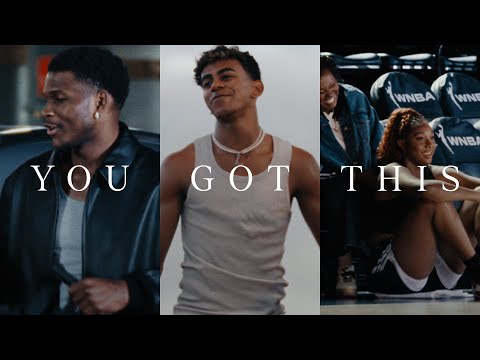
Concept: A campaign centered on mentorship and belief. It highlights the relationships between athletes and the coaches, parents, or friends who saw potential when others saw limitation.
Impact: Reinforced Adidas's identity as a brand of inspiration and authenticity. The campaign connected strongly with younger audiences seeking genuine emotional narratives over performative messaging.
🎥 Watch the ad here:
Kia – Super Bowl Ad (2024)
Concept: A departure from typical automotive advertising, this Super Bowl spot focused on community resilience. It told the story of a town coming together around a local team, emphasizing that victory is shared.
Impact: Proved that sports advertising can highlight collective experience, not just individual athletic achievement. The ad generated significant emotional response, with many viewers reporting tears.
🎥 Watch the ad here:
https://www.youtube.com/watch?v=4UtsGBBcuf
📊 Table: Emotional Campaigns in Sports Advertising
| Nike | Dream Crazier | 2019 | Empowerment, defiance, resilience | Became a milestone in gender equality conversations |
| Nike | You Can't Stop Us | 2020 | Unity, diversity, perseverance | Pandemic-era inspiration, instantly iconic editing |
| P&G | Thank You, Mom | 2012–2016 | Gratitude, family sacrifice, pride | Olympic emotional benchmark, globally resonant |
| Adidas | Make Us Believe | 2025 | Inspiration, mentorship, belief | Reinforced brand identity with authentic storytelling |
| Kia | Super Bowl Ad | 2024 | Community, shared resilience | Emotional mainstream success, transcended category |
Expert Analysis: Why These Campaigns Worked
Authenticity: Nike's "Dream Crazier" succeeded because Serena Williams was not reading a script about women athletes; she was describing her own experience. The campaign's power derived from this alignment between messenger and message.
Storytelling: P&G's "Thank You, Mom" understood that the most universal stories are often the most personal. By focusing on the specific, mundane details of maternal sacrifice—the early mornings, the car rides, the quiet waiting—the campaign became globally relatable.
Cultural Timing: Nike's "You Can't Stop Us" arrived at a moment when the world needed precisely that message. The pandemic had isolated us; protests had divided us. The ad's insistence on unity felt not like marketing but like ministry.
Inspiration: Adidas's mentorship campaign tapped into a fundamental human need: the need to be seen and believed in by someone we respect. This theme resonates across ages, cultures, and circumstances.
Community Focus: Kia's Super Bowl ad demonstrated that emotional sports advertising need not feature famous athletes. Sometimes the most powerful stories are about the people in the stands, not the players on the field.
Broader Cultural Significance
Advertising History: These campaigns are now studied as benchmarks in emotional storytelling. They represent the industry's recognition that feature-based advertising cannot compete with narrative-based connection.
Pop Culture: Serena Williams's voice in "Dream Crazier" has entered the cultural vocabulary. The split-screen imagery of "You Can't Stop Us" has been referenced in music videos, political ads, and social media content. These campaigns transcended their commercial origins.
Consumer Psychology: Emotional resonance builds loyalty that rational messaging cannot replicate. Consumers who cried during "Thank You, Mom" do not remember P&G's product portfolio; they remember that P&G honored their mothers.
Global Reach: The themes of these campaigns—family, unity, belief—are universal. A mother's sacrifice in China is recognizable to a mother in Brazil. This emotional common ground allows campaigns to travel across borders without translation.
Conclusion / The Legacy of Emotional Sports Ads
Emotional campaigns in sports advertising succeed because they mirror what fans already feel. They do not impose emotion; they articulate it. When Serena Williams speaks about "crazy" women athletes, she is not telling viewers what to think; she is naming what they already know.
Nike, P&G, Adidas, and Kia have demonstrated that the most powerful tool in marketing is not technology but humanity. Their campaigns prove that when brands tell authentic, emotionally resonant stories, they do not just sell products—they win hearts.
And in sports, as in life, that is the only victory that matters.
🎥 Emotional Sports Ads on YouTube (Raw Links)
Nike – Dream Crazier (2019, narrated by Serena Williams):
 Watch YouTube video
Nike – You Can't Stop Us (2020, pandemic split-screen ad):
Watch YouTube videoP&G – Thank You, Mom (2012 Olympics):
Watch YouTube videoAdidas – We All Need Someone to Make Us Believe (2025):
Watch YouTube videoKia – Super Bowl Ad (2024, emotional community focus):
Watch YouTube video

Discover the full cast of the X Town Square ad, featuring diverse talents and engaging performances that bring the campaign to life. Explore now!
Discover the catchy song featured in the HP Work from Anywhere commercial. Uncover the artist and lyrics that make this ad memorable and engaging.
Discover effective strategies for conducting market research to enhance your campaigns. Learn how to gather insights that drive successful marketing decisions.

Discover the groundbreaking streaming ads that transformed digital advertising. Explore their impact and learn how they shaped the future of marketing.

Explore the evolution of Givenchy perfume campaigns through the years, showcasing iconic scents and captivating visuals that define luxury and elegance.

Discover the most iconic summer campaigns in Latin America, showcasing vibrant culture, creativity, and unforgettable marketing strategies that captivate audiences.

Discover how famous actors use their star power in charity advertising campaigns to inspire change and support important causes around the world.

Discover the actors who have represented leading technology companies, showcasing their unique roles and contributions to the tech industry.

Discover the top actors in perfume advertising campaigns and explore how their star power elevates brand appeal and consumer engagement.
Discover the iconic actors who brought beverage ads to life in the 90s, shaping pop culture and advertising trends that still resonate today.

Discover Emma Stone's captivating presence in cosmetics advertising campaigns, showcasing her beauty and charm in stunning visuals and innovative marketing strategies.