

Perfume advertising occupies a unique space in marketing. Unlike cars or computers, fragrances cannot be demonstrated. They cannot be test-driven or benchmarked. They can only be suggested, evoked, dreamed.
This is why actors have become essential to the genre. A perfume advertisement is not about the liquid in the bottle; it is about the person holding it. The actor becomes the scent made visible—a translation of aroma into attitude, of chemistry into charisma.
From Nicole Kidman's Hollywood fantasy for Chanel to Adam Driver's surreal metamorphosis for Burberry, these campaigns have transcended their commercial origins to become cultural artifacts. They are watched, shared, and remembered not as advertisements but as short films, as art, as dreams.
This article ranks the most iconic actors in perfume advertising, analyzing why their campaigns worked and how they shaped the industry's evolution.
Why Actors Matter in Perfume Advertising
H2: Star Power and Glamour
Perfume is invisible. It requires a vessel of meaning. Actors provide that vessel, lending their accumulated cultural associations to the fragrance. When Nicole Kidman graces a Chanel commercial, she is not just a performer; she is the embodiment of the house's century-long legacy of elegance.
H2: Emotional Storytelling
The most memorable perfume ads function as compressed cinema. They have narrative arcs, emotional beats, and visual poetry. Actors trained in film bring the skills necessary to deliver meaning in glances, gestures, and silences.
H2: Cultural Resonance
Great perfume campaigns capture something of their moment. Natalie Portman's Miss Dior commercials speak to contemporary feminism's emphasis on choice and self-definition. Adam Driver's Burberry Hero reflects evolving conversations about masculinity.
H2: Virality and Modernity
In the social media era, perfume ads must generate conversation. Surreal imagery, unexpected casting, and shareable moments ensure that campaigns live beyond their paid media placement.
Ranking of Iconic Actors in Perfume Advertising
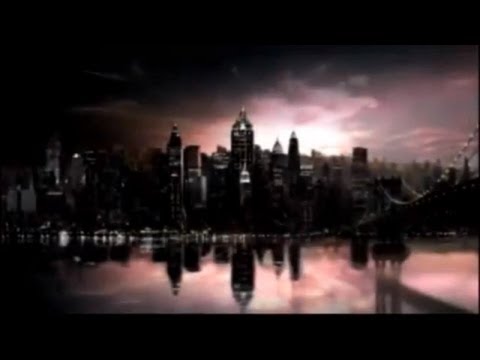
1. Nicole Kidman – Chanel No. 5 (2004)
Director: Baz Luhrmann
Concept: A three-minute mini-film depicting a movie star escaping fame for a night of ordinary romance. Kidman, in pink silk, flees paparazzi and finds connection with a bohemian stranger.
Why It Worked: Luhrmann's direction transformed advertising into legitimate cinema. Kidman's performance—vulnerable, radiant, utterly convincing—made the fantasy tangible. The campaign established that perfume commercials could aspire to the condition of art.
Impact: Set a new standard for production value and narrative ambition. One of the most expensive commercials ever made, its influence is still visible two decades later.
🎥 Watch the ad here:
2. Natalie Portman – Miss Dior (2011–present)
Director: Multiple, including Emmanuel Cossu
Concept: Portman dashes through Paris, scrawls graffiti, declares independence. The campaign repositions Miss Dior from demure to defiant, from observed to self-defined.
Why It Worked: Portman's intellectual credibility and feminist activism made her the perfect vessel for a campaign about feminine choice. The ads feel less like endorsements and more like manifestos.
Impact: One of the longest-running celebrity partnerships in fragrance history. Portman has evolved with the brand, each campaign adding new dimensions to the Miss Dior identity.
🎥 Watch the ad here:
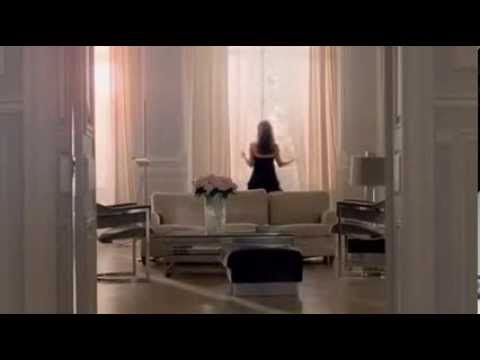
3. Charlize Theron – Dior J'Adore (2011)
Director: Jean-Baptiste Mondino
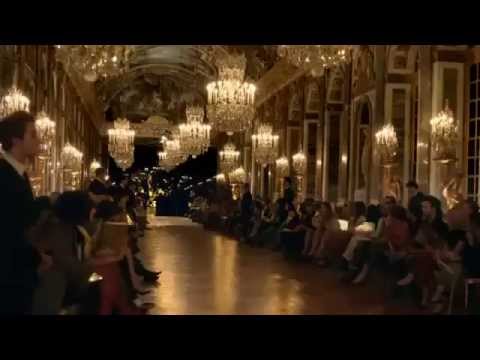
Concept: Theron, sheathed in gold, walks through the Hall of Mirrors at Versailles, shedding gowns and jewels with each stride. Her reflection multiplies infinitely; her confidence remains singular.
Why It Worked: The campaign understood that Theron's power lies not in traditional femininity but in self-possession. She is not performing for anyone; she is simply existing in her own magnificence.
Impact: Became the benchmark for fragrance advertising glamour. The image of Theron in gold has been referenced, parodied, and celebrated across media.
🎥 Watch the ad here:
4. Keira Knightley – Coco Mademoiselle (2011)
Director: Joe Wright
Concept: Knightley, racing through Paris on a motorcycle, embodies a woman who is sensual, independent, and entirely in control. The campaign blends romance with autonomy.
Why It Worked: Wright's cinematic sensibility—he directed Knightley in Pride & Prejudice and Atonement—gave the ads narrative depth. Knightley's tomboyish elegance offered a different kind of Chanel femininity.
Impact: Expanded Chanel's appeal to younger women who saw in Knightley a reflection of their own contradictions: romantic but not dependent, feminine but not fragile.
🎥 Watch the ad here:

5. Adam Driver – Burberry Hero (2021)
Director: Jonathan Glazer
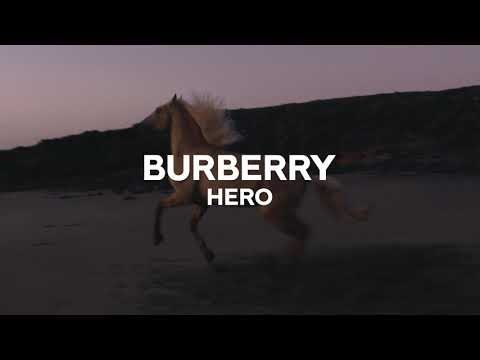
Concept: Driver, running across a beach, gradually transforms into a horse. The imagery is primal, surreal, and utterly unexpected.
Why It Worked: The campaign risked absurdity but achieved transcendence. Driver's intensity—honed in collaborations with Martin Scorsese and Noah Baumbach—made the metamorphosis feel mythic rather than ridiculous.
Impact: Became a viral sensation, generating conversation about masculinity, metamorphosis, and the boundaries of advertising. Proved that perfume commercials could still surprise.
🎥 Watch the ad here:
6. Penélope Cruz – Lancôme Trésor (2010s)
Concept: Cruz brings warmth, sensuality, and Spanish romanticism to Lancôme's signature fragrance. Her campaigns emphasize timeless elegance with a contemporary glow.
Why It Worked: Cruz's authenticity—her refusal to disappear into conventional Hollywood glamour—makes her relatable even in the most aspirational contexts. She seems to be enjoying the perfume, not just selling it.
Impact: Helped Lancôme maintain its position as a leader in accessible luxury. Cruz's global appeal, spanning Europe and the Americas, extended the campaign's reach.
🎥 Watch the ad here:
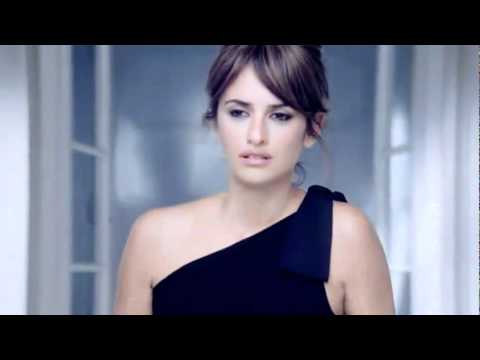
7. Emily Blunt – YSL Opium (2010s)
Concept: Blunt embodies the bold, daring spirit of Opium. The campaign emphasizes sensuality with an edge, reflecting YSL's identity as the house for those who break rules.
Why It Worked: Blunt's versatility—equally adept in drama and comedy—allowed her to inhabit the fragrance's contradictions: classic and rebellious, elegant and dangerous.
Impact: Reinforced YSL's positioning as the luxury brand for the non-conformist. Blunt's intelligence and wit prevented the campaign from veering into cliché.
🎥 Watch the ad here:
https://www.youtube.com/watch?v=lKMh8hmjbx
📊 Table: Actors in Perfume Advertising
| 1 | Nicole Kidman | Chanel No. 5 | 2004 | Cinematic landmark, most expensive ad of its era |
| 2 | Natalie Portman | Miss Dior | 2011–present | Feminist manifesto, long-running partnership |
| 3 | Charlize Theron | Dior J'Adore | 2011 | Gold runway at Versailles, ultimate glamour |
| 4 | Keira Knightley | Coco Mademoiselle | 2011 | Independent sensuality, cinematic depth |
| 5 | Adam Driver | Burberry Hero | 2021 | Surreal viral sensation, redefined masculinity |
| 6 | Penélope Cruz | Lancôme Trésor | 2010s | Warm romance, global accessibility |
| 7 | Emily Blunt | YSL Opium | 2010s | Bold daring, rule-breaking elegance |
Expert Analysis: Why These Campaigns Worked
Cinematic Storytelling: The best perfume ads are directed by filmmakers who understand narrative. Baz Luhrmann, Joe Wright, and Jonathan Glazer brought their cinematic sensibilities to commercials, elevating the form.
Celebrity Alignment: Each actor's persona aligns with the fragrance's identity. Kidman's ethereal glamour matched Chanel's timeless elegance. Driver's intensity embodied Burberry's reimagined masculinity. These were not arbitrary castings but essential partnerships.
Cultural Impact: Nicole Kidman's Chanel ad defined an era of luxury advertising. Adam Driver's Burberry Hero defined the possibilities of digital-era surrealism. These campaigns become reference points, shaping how subsequent advertising is made and judged.
Virality: Modern campaigns must function in the attention economy. Driver's horse metamorphosis was designed to be shared, discussed, memed. It succeeded because it rewarded attention with genuine strangeness.
Emotional Resonance: Ultimately, these campaigns work because they make audiences feel. Portman's declaration of independence, Knightley's motorcycle ride, Theron's golden solitude—these are emotions rendered visible, made available for purchase.
Broader Cultural Significance
Advertising History: Perfume campaigns are studied as the intersection of commerce and art. They demonstrate that commercial constraints need not limit creative ambition.
Pop Culture: Kidman's pink gown, Theron's golden train, Driver's horse-form—these images have entered cultural vocabulary. They are recognized even by those who never saw the original commercials.
Consumer Psychology: Familiar faces reduce psychological distance. A bottle associated with Kidman or Portman carries emotional weight that no ingredient list can match.
Global Reach: Hollywood actors ensure that campaigns designed in Paris resonate in Tokyo, São Paulo, and Mumbai. The universal recognition of these faces makes perfume truly international.
Conclusion / The Legacy of Perfume Advertising
Actors have defined perfume advertising by transforming commerce into cinema, selling not bottles but dreams. Nicole Kidman taught us that a fragrance could be a love story. Adam Driver showed us that it could be a metamorphosis. Natalie Portman proved that it could be a declaration.
These campaigns endure because they understand that perfume is not about how something smells. It is about how someone feels—confident, desired, free. And who better to embody those feelings than the faces we already associate with them?
The legacy of perfume advertising is the proof that the most effective marketing is not about products at all. It is about people. And the dreams they inspire us to buy.
🎥 Perfume Ads on YouTube (Raw Links)
Nicole Kidman – Chanel No. 5 (2004, dir. Baz Luhrmann):
 Watch YouTube video
Natalie Portman – Miss Dior (2011–present):
Watch YouTube videoCharlize Theron – Dior J'Adore (2011, Versailles runway):
Watch YouTube videoKeira Knightley – Coco Mademoiselle (2011, dir. Joe Wright):
Watch YouTube videoAdam Driver – Burberry Hero (2021, surreal horse campaign):
Watch YouTube videoPenélope Cruz – Lancôme Trésor (2010s):
Watch YouTube videoEmily Blunt – YSL Opium (2010s):
Watch YouTube video
Discover the full cast of the X Town Square ad, featuring diverse talents and engaging performances that bring the campaign to life. Explore now!
Discover the catchy song featured in the HP Work from Anywhere commercial. Uncover the artist and lyrics that make this ad memorable and engaging.
Discover effective strategies for conducting market research to enhance your campaigns. Learn how to gather insights that drive successful marketing decisions.
Discover the iconic actors who brought beverage ads to life in the 90s, shaping pop culture and advertising trends that still resonate today.

Discover Emma Stone's captivating presence in cosmetics advertising campaigns, showcasing her beauty and charm in stunning visuals and innovative marketing strategies.

Explore the captivating world of Robert De Niro in automotive advertising campaigns, showcasing his unique charisma and influence in the industry.

Explore Renault's significant influence on European advertising, showcasing innovative campaigns that shaped cultural narratives and consumer perceptions.
Explore the captivating world of Pepsi ads and their iconic musical collaborations. Discover how music elevates brand storytelling and engages audiences.

Discover the allure of Prada ads featuring Hollywood's biggest stars. Explore iconic campaigns that blend luxury fashion with celebrity glamour.

Discover Burger King’s most creative slogans that have captivated audiences. Explore the clever wordplay and memorable phrases behind their iconic ads.

Discover how Huawei's innovative mobile campaigns are reshaping the global market, driving engagement, and setting new industry standards.