

Advertising is the mirror of a brand's identity. For LG Electronics, founded in 1958 as Lucky-Goldstar, advertising has been the primary vehicle through which the company transformed itself from a local Korean manufacturer into a globally recognized technology powerhouse. Over the decades, LG's advertising strategies have evolved dramatically—shifting from purely functional product promotion to sophisticated emotional storytelling, aspirational lifestyle branding, and now, forward-thinking sustainability-driven campaigns.
This article explores LG's advertising journey across five major eras, analyzing how the brand skillfully adapted to changing consumer expectations, profound cultural shifts, and relentless technological innovation. By examining LG's most significant campaigns and comparing them with broader industry trends, we uncover how strategic advertising shaped LG's global reputation and enduring success.
1960s–1980s: The Era of Product-Centric Advertising
In its early decades, LG focused on functional, straightforward advertising. The company's primary goal was to establish credibility and build trust in Korea's rapidly growing domestic market.
Products Promoted: Radios, black-and-white televisions, refrigerators, and washing machines—the essential appliances for a modernizing society.
Advertising Style: The approach was simple and direct, emphasizing affordability, durability, and reliability above all else. The message was clear: these were products you could depend on.
Target Audience: Korean households eager to embrace the convenience of modern home appliances.
Core Strategy: Build unwavering trust in a new electronics brand by consistently highlighting product utility and practical benefits.
Example Campaigns
Early television commercials showcased basic features like long-lasting performance and value for money. Print ads emphasized the comfort and convenience that these new appliances could bring to family life.
YouTube Reference (Vintage LG Ads):
 Watch YouTube video

Key Takeaways from This Era:
Established a foundation of trust and reliability in the domestic market.
Focused on clear, functional messaging that resonated with practical consumers.
Laid the groundwork for future global expansion.
1990s: Global Expansion and the Birth of "Life's Good"
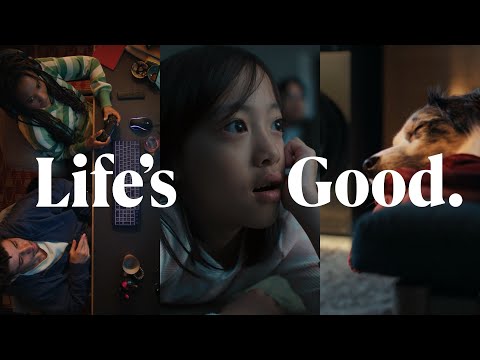
The 1990s marked a pivotal turning point as LG made its strategic entry into international markets. To resonate with a global audience, the company adopted the now-iconic slogan "Life's Good," a phrase that would become synonymous with the brand for decades to come.
Focus: Quality, innovation, and a powerful sense of optimism.
Advertising Style: The messaging became aspirational, positioning LG as a brand that could genuinely improve everyday life through thoughtful technology.
Target Audience: The growing global middle class, consumers with disposable income and a desire for quality international brands.
Core Strategy: Position LG as a trustworthy, reliable, and optimistic global brand, capable of competing with established players from Japan, Europe, and the United States.
Example Campaigns
Ads for color televisions emphasized vibrant visuals and sleek, modern design. Refrigerator campaigns highlighted energy efficiency, reliability, and the promise of a better, more convenient home life.
YouTube Reference (Life's Good Branding):
Watch YouTube video
Key Takeaways from This Era:
Successfully created a unified, globally recognizable brand identity.
The "Life's Good" slogan provided a consistent, optimistic message that transcended cultural boundaries.
Marked LG's arrival as a serious contender on the world stage.
2000s: The Shift to Lifestyle Branding
By the 2000s, LG recognized that consumers were no longer just buying products—they were buying experiences, identities, and lifestyles. The company strategically shifted toward premium lifestyle branding.
Focus: Style, design, convenience, and seamless integration into modern living.
Advertising Style: The commercials became sleek, visually stunning, and aspirational, focusing on how the product made the consumer feel.
Target Audience: Millennials and modern families seeking to express their personal style through the products they chose.
Core Strategy: Position LG as a brand that doesn't just sell appliances, but enhances and elevates the entire experience of daily life.
Example Campaigns
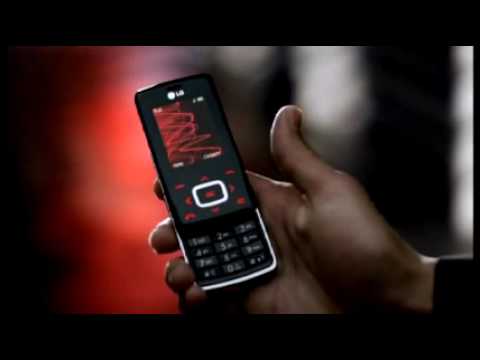
The LG Chocolate Phone (2006) was a landmark campaign. It was marketed not just as a communication device, but as a stylish, desirable fashion accessory. The ads emphasized its sleek design and emotional appeal, completely shifting the conversation away from technical specifications.
YouTube Reference (LG Chocolate Phone Ad):
Watch YouTube video
Key Takeaways from This Era:
Successfully moved the brand into the premium, aspirational space.
Demonstrated that LG could compete on design and emotional appeal, not just price and features.
Connected with a younger, more style-conscious generation.
2010s: Innovation Meets Emotional Storytelling
The 2010s were defined by rapid technological innovation. LG introduced groundbreaking products like OLED TVs, smart appliances, and its G-series smartphones. Its advertising evolved to match this new reality, masterfully blending cutting-edge technology with deep emotional resonance.
Focus: Cutting-edge technology, immersive user experiences, and the joy these innovations could bring to families and individuals.
Advertising Style: Emotional storytelling became central. Ads highlighted the joy of shared experiences, the wonder of perfect picture quality, and the simplicity of smart living.
Target Audience: Tech-savvy early adopters and families seeking to enrich their lives with technology.
Core Strategy: Showcase LG as a true leader in innovation while forging deep emotional connections with consumers by focusing on how technology enhances life's most precious moments.
Example Campaigns
LG OLED TV Ads: These visually stunning commercials highlighted the technology's "perfect blacks" and infinite contrast, but always in the service of creating a more immersive, emotionally powerful viewing experience for families.
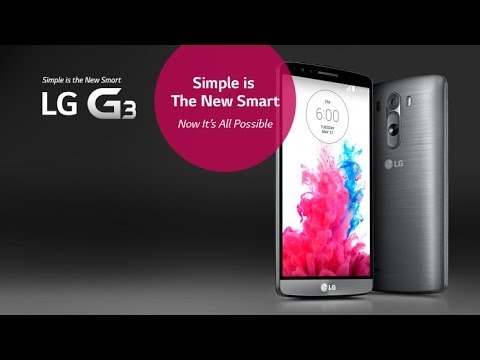
LG G3 Smartphone Campaign: With the tagline "Simple is the new smart," these ads emphasized user-friendly innovation and intuitive design, making powerful technology feel accessible.
YouTube References:
LG OLED TV Campaign:
Watch YouTube videoLG G3 Smartphone Ad:
Watch YouTube video

Key Takeaways from This Era:
Masterfully combined technological leadership with emotional storytelling.
Positioned LG as a brand that understands the human side of innovation.
Built deeper, more meaningful relationships with consumers.
2020s: Sustainability and the Vision of Smart Living
In the current decade, LG has embraced two of the most powerful global trends: sustainability and AI-powered smart living. The brand's advertising reflects a profound commitment to eco-friendly innovation and seamlessly connected home ecosystems.
Focus: Environmental responsibility, AI integration, and the vision of a fully connected, intelligent home.
Advertising Style: The campaigns are futuristic and aspirational, while also being deeply conscious of environmental concerns. They showcase a world where technology is smart, sustainable, and effortlessly helpful.
Target Audience: Environmentally conscious consumers and tech-savvy households looking for integrated, responsible solutions.
Core Strategy: Position LG not just as an appliance maker, but as a trusted partner in creating a sustainable, intelligent, and beautifully connected future.
Example Campaigns
LG ThinQ Smart Home Ads: These commercials showcase a vision of AI-powered appliances that learn from their owners and simplify daily life, from refrigerators that suggest recipes to washing machines that optimize cycles.
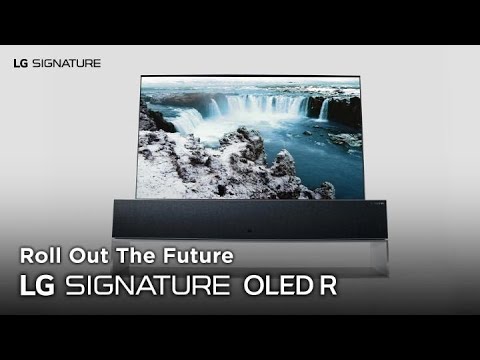
CES Rollable OLED Displays: While often shown at trade shows, the marketing around these futuristic innovations positions LG at the absolute cutting edge of display technology, reinforcing its reputation for visionary thinking.
YouTube References:
LG ThinQ Smart Home:
Watch YouTube videoLG Rollable OLED Innovations:
Watch YouTube video

Key Takeaways from This Era:
Aligns the brand with the crucial global values of sustainability and responsibility.
Positions LG as a visionary leader in AI and smart home technology.
Evolves the "Life's Good" promise to encompass a sustainable, connected future.
Comparison Table: LG Advertising Evolution
| 1960s–1980s | Product reliability, affordability | Functional, utility-focused advertising | Korean domestic households |
| 1990s | Quality, global expansion | Aspirational global branding | International middle-class consumers |
| 2000s | Lifestyle, design, style | Premium lifestyle positioning | Millennials, style-conscious families |
| 2010s | Innovation, emotional connection | Emotional storytelling, tech leadership | Tech-savvy users, families |
| 2020s | Sustainability, AI, smart living | Eco-conscious, future-focused branding | Global, environmentally aware households |
Expert Analysis
LG's advertising strategies powerfully demonstrate a clear and successful evolution from product-centric to deeply emotion-centric marketing.
Early years: Built an essential foundation of credibility through clear, functional messaging.
Global expansion: Established a powerful, unified brand identity with the timeless "Life's Good" slogan.
Modern era: Masterfully pivoted to focus on innovation, sustainability, and seamless lifestyle integration.
Marketing experts consistently highlight that LG's enduring success lies in its remarkable ability to adapt to evolving consumer lifestyles while maintaining a consistent and reassuring brand message. The "Life's Good" slogan remains as relevant as ever, but its meaning has gracefully evolved—from promising basic comfort and reliability, to now encompassing a vision of smart, sustainable, and beautifully connected modern living.
Conclusion
LG's advertising journey is a powerful reflection of the broader evolution of global marketing itself: a clear progression from functional product-focused ads to sophisticated emotional storytelling and purpose-driven sustainability branding. By consistently and intelligently adapting to changing consumer needs and cultural trends, LG has successfully positioned itself as far more than just a technology provider. It has become a trusted partner in modern living, a brand that consumers welcome into their homes and their lives.
From the functional, trust-building ads of the 1960s, to the global optimism of the "Life's Good" 1990s, the lifestyle-focused campaigns of the 2000s, the innovation-driven storytelling of the 2010s, and the sustainability-centered vision of the 2020s, LG's advertising evolution showcases how a brand can gracefully evolve while remaining steadfastly true to its core, optimistic message: Life's Good.
Discover the talented actress featured in the LG smart home appliances ad. Uncover her background and other roles that showcase her impressive skills.
Discover how LG is transforming smart device advertising with innovative strategies and cutting-edge technology to enhance user engagement and brand visibility.
Discover how LG is transforming smart home advertising with innovative technology and strategies that enhance consumer engagement and drive sales.

Discover how Netflix campaigns harness the art of storytelling to captivate audiences and drive engagement. Explore the power of narrative in marketing.

Discover the most iconic Adidas ads from the last decade, showcasing creativity and innovation that have defined the brand's powerful marketing campaigns.

Discover the captivating evolution of Mercedes-Benz advertisements, showcasing innovative strategies and iconic campaigns that shaped the brand's legacy.

Discover the enduring impact of Coca-Cola's "Open Happiness" campaign and how it shaped brand loyalty and consumer emotions worldwide.

Discover how Google leverages storytelling in ads to engage audiences and enhance brand connection. Unlock the secrets behind effective advertising strategies.

Discover BMW's most captivating commercials from the last decade. Explore innovative storytelling and stunning visuals that define the brand's legacy.

Explore the fascinating history of Nestlé's advertising, showcasing innovative campaigns and strategies that shaped the brand's global presence over the years.

Explore the groundbreaking campaigns that shaped social media marketing. Discover strategies, successes, and lessons learned from industry leaders.