

Nestlé’s advertising history is a complex narrative that mirrors the evolution of modern consumerism, global branding, and corporate social responsibility. From its controversial beginnings with infant formula to its current position as the world's largest food and beverage company, Nestlé's marketing strategies have consistently aimed to build trust, convenience, and emotional connection across a vast portfolio. This article traces the key phases and iconic campaigns in Nestlé’s advertising journey, acknowledging both its marketing innovations and its profound controversies.
Phase 1: The Foundational Product & The First Global Controversy (1867-1950s)
Nestlé’s origin is intrinsically tied to its first product and its most controversial advertising.
Product: Farine Lactée (Infant Formula), invented by Henri Nestlé in 1867 to combat infant mortality.
Early Marketing: Initially, advertising was scientific and medical, targeting doctors and pharmacists. It positioned the product as a life-saving, hygienic alternative for mothers who could not breastfeed.
The Controversy Emerges: As the company expanded globally in the 20th century, particularly in developing nations in the post-WWII era, its marketing tactics for infant formula became the subject of intense ethical scrutiny. Critics accused Nestlé of aggressively promoting formula over breastfeeding through tactics like distributing free samples in hospitals (which could discourage lactation), using misleading imagery suggesting equivalence to breastmilk, and targeting mothers with limited access to clean water.
Impact: This led to the international Nestlé boycott starting in 1977 and the subsequent development of the WHO International Code of Marketing of Breast-milk Substitutes in 1981. Nestlé's advertising practices for infant formula remain a defining and scrutinized part of its legacy, setting a precedent for corporate accountability in global health marketing.
Phase 2: Portfolio Expansion & Building Trusted Household Brands (1950s-1980s)
During the mid-20th century, Nestlé grew through acquisitions and product innovation, using advertising to embed its brands into daily family life.
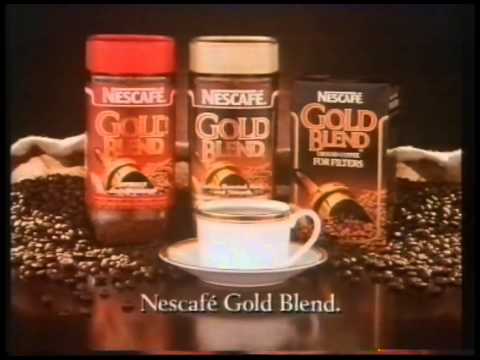
Nescafé (1938): Instant coffee was a revolutionary product. Post-WWII, its advertising focused on convenience, consistency, and modernity. The famous "Nescafé Gold Blend" campaigns in the UK (1980s-90s) used a serialized romantic drama format, making the coffee a symbol of sophisticated aspiration. It was a landmark in product placement within narrative advertising.
Watch (Gold Blend Romance Series):
 Watch YouTube video
Kit Kat (Global acquisition): Advertised as the perfect break-time companion. The iconic "Have a Break, Have a Kit Kat" slogan (created in 1957) and jingle became one of the most recognizable in advertising history, selling a moment of simple pleasure and respite.
Watch (Classic UK Ad):
Watch YouTube video
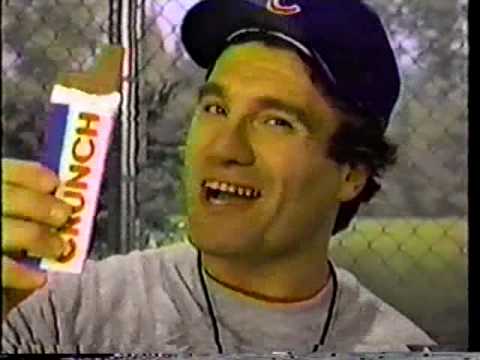
Nestlé Crunch & Butterfinger: In the US, ads for these candy bars focused on fun, crunch, and childlike enjoyment, often using animated characters or slapstick humor.
Maggi (Acquired 1947): In markets like India and across Africa/Asia, Maggi noodles' advertising centered on speed, taste, and nutrition for children, becoming a cultural staple and synonymous with quick meals.
Phase 3: The Global Mega-Brand & Emotional Storytelling (1990s-2010s)
As Nestlé consolidated its global empire, advertising became more polished, emotional, and focused on corporate branding alongside product-specific spots.
"Good Food, Good Life" (1997-Present): This global corporate slogan aimed to unify the sprawling portfolio. Advertising under this banner emphasized quality, nourishment, and the joy that food brings to families and communities. It was a direct effort to build a warm, trustworthy corporate image.
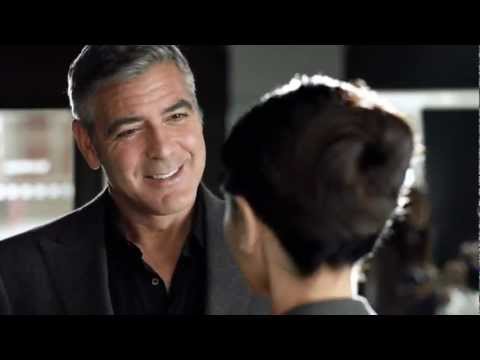
Nespresso (1986-launch, 2000s-global): Perhaps Nestlé's most spectacular modern marketing success. The introduction of George Clooney as brand ambassador in 2006 was transformative. Ads created a world of sophistication, exclusivity ("The Nespresso Club"), and refined taste. It wasn't selling coffee; it was selling an aspirational lifestyle.
Watch (Clooney Nespresso Ad):
Watch YouTube video
Nestlé Pure Life Water: Marketing focused on purity, family health, and accessibility, becoming the world's best-selling bottled water brand through widespread distribution and clear, benefit-driven messaging.
Phase 4: The Modern Era: Sustainability, Digital Engagement, and Crisis Management (2010s-Present)
Facing growing consumer consciousness about health, sustainability, and corporate ethics, Nestlé's advertising has had to adapt significantly.
Sustainability & Purpose Messaging: Campaigns now highlight commitments to responsible sourcing, packaging reduction (pledge for 100% recyclable/reusable), and water stewardship. This is a direct response to criticism over plastic pollution and water rights.
Nutrition, Health & Wellness (NHW): Advertising for products like Nestlé Fitness cereal or fortified milks emphasizes wellness, balanced nutrition, and active lifestyles, shifting from pure indulgence to functional benefits.
Digital & Personalized Marketing: Leveraging first-party data (often controversially) to target consumers with personalized offers and content, particularly for brands like Nespresso and pet care (Purina).
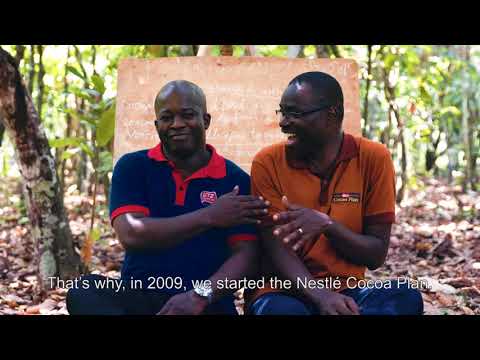
Crisis Response Advertising: The company has increasingly used advertising to address controversies directly. For example, campaigns to explain its baby formula marketing practices in compliance with the WHO code or to promote its Cocoa Plan initiatives addressing child labor in its supply chain.
Table: Nestlé's Advertising Evolution
| Foundational (1867-1950s) | Infant Formula | Medical, Life-Saving Solution | N/A | Building trust; later facing ethical firestorm over global marketing. |
| Household Trust (1950s-80s) | Nescafé, Kit Kat | Convenience, Family, Simple Pleasures | "Have a Break..." | Embedding processed foods into post-war domestic life. |
| Global Aspiration (1990s-2010s) | Nespresso, "Good Food, Good Life" | Lifestyle Sophistication, Corporate Trust | "Good Food, Good Life" | Selling premium experiences and unifying a global mega-brand. |
| Purpose-Driven Modern (2010s-Now) | Portfolio-wide | Sustainability, Wellness, Ethics | "Unlocking the Power of Food" | Responding to health, environmental, and ethical consumer demands. |
Analysis: Navigating Trust and Scrutiny
"Nestlé's advertising history is a masterclass in building category-defining household brands while perpetually navigating a trust deficit born from its core product," notes a corporate reputation analyst. "Its most successful campaigns (Kit Kat's break, Nespresso's club) skillfully create emotional, associative equity. However, its marketing is always shadowed by its need to respond to activism on issues from infant health to water privatization. Modern Nestlé advertising is thus a dual-purpose tool: to sell products and to continually manage one of the world's most complex corporate reputations."
The company's ability to market everything from life-saving nutrition to indulgent chocolate highlights its deep understanding of segmented, benefit-driven advertising. Yet, its legacy is a constant reminder that for global giants, advertising is never just about the product—it's about the corporation's license to operate.
Conclusion: More Than Food, A Mirror of Consumerism
Nestlé’s advertising chronicle is more than a history of selling food; it's a reflection of 20th and 21st-century consumerism's promises and perils. It showcases the power of advertising to build timeless brand loyalty around a chocolate bar or a cup of coffee, while also demonstrating the profound societal impact and ethical responsibilities that come with marketing essential nutrition on a global scale.
From the life-saving promise of Farine Lactée to the luxurious whisper of Nespresso, Nestlé’s ads have aimed to be a comforting, trusted voice. Yet, that voice has continually been tested, making its advertising history one of the most instructive and consequential in the world of business.
YouTube Visual References (Note: Many classic global ads are region-specific and may not have centralized official channels):
Nestlé Historical Archive (Early 20th Century Ads):
Nescafé Gold Blend "Romance" Ad Series (UK, 1990s):
Kit Kat Classic UK "Have a Break" Ad:
Nespresso with George Clooney (Classic Ad):
Nestlé "Good Food, Good Life" Corporate Campaign:

Maggi India Classic "2-Minute Noodles" Ad:

Nestlé Cocoa Plan Sustainability Ad:

Explore the groundbreaking campaigns that shaped social media marketing. Discover strategies, successes, and lessons learned from industry leaders.

Discover the funniest beer commercials on TV! Enjoy a collection of hilarious ads that will make you laugh and celebrate the joy of good times with friends.

Discover the groundbreaking campaigns that transformed digital advertising. Explore innovative strategies and insights that shaped the industry today.

Explore the enduring impact of Apple's "Think Different" campaign, celebrating innovation and creativity that reshaped the tech landscape and inspired generations.

Explore the evolution of Levi's campaigns in fashion, showcasing iconic styles and cultural impact that shaped denim history. Discover the journey today!

Discover Europe’s most memorable Christmas campaigns that capture the spirit of the season. Explore heartwarming stories and creative marketing magic.

Discover how your favorite celebrities are making a difference through charity campaigns. Explore inspiring stories and impactful initiatives today.

Discover George Clooney's remarkable journey with Nespresso, exploring his impact on the brand and the coffee industry through innovation and sustainability.