
LG Electronics has become one of the most recognizable names in household technology, not only for its innovations in appliances and consumer electronics but also for the way it communicates those innovations through advertising. From its early days as Lucky-Goldstar in South Korea to its global campaigns under the slogan Life's Good, LG's advertising journey reflects the evolution of household technology marketing. The brand has consistently balanced technical excellence with emotional storytelling, positioning itself as both a technology leader and a household companion. This article explores LG's advertising evolution, its landmark campaigns, and why its approach remains a benchmark in household tech marketing.
📺 Early Foundations (1950s–1990s): Reliability and Affordability
H2: Building Trust in a Post-War Economy
LG began as Lucky-Goldstar, a South Korean conglomerate producing radios, refrigerators, and washing machines for a domestic market recovering from war. In these early decades, advertising was straightforward: demonstrate durability, emphasize affordability, and promise accessibility for middle-income families. There were no celebrity endorsements, no cinematic narratives—just honest products positioned as solutions to everyday problems.
The messaging focused on trust. In an era when household appliances were long-term investments, consumers needed reassurance that their refrigerator would not fail after twelve months. LG's ads delivered that reassurance through technical specifications, warranty promises, and imagery of happy, functional families.
H2: Expansion Beyond Korea
By the 1980s, LG set its sights beyond the Korean peninsula. Entering North America and Europe required more than translation; it required credibility. LG advertising highlighted Korean engineering excellence as a point of differentiation. The brand positioned itself not as a low-cost alternative to Japanese and American competitors, but as a legitimate peer in precision manufacturing.
This period established the foundation for LG's global ambitions. When the company formally rebranded from Lucky-Goldstar to LG in 1995, it carried decades of accumulated trust into international markets.
H2: Impact
Established LG as a trusted household brand in Korea and emerging markets.
Created a foundation for aggressive global expansion in the 1990s.
Demonstrated that reliability, while unsexy, is a sustainable advertising position.
🏠 2000s: Lifestyle Integration
H2: Design and Convenience
As LG entered the 21st century, its advertising underwent a profound transformation. Technical specifications receded; lifestyle benefits advanced. Campaigns highlighted slim refrigerators that fit modern kitchens, front-loading washing machines that saved water, and stylish microwaves that complemented contemporary design aesthetics.
The shift was strategic. By the 2000s, consumers assumed reliability. The question was no longer "Will this product work?" but "How will this product make my life better?" LG answered with family-friendly problem solving.
H2: Life's Good Slogan
In 2000, LG introduced a slogan that would define the next two decades: Life's Good. It was deceptively simple—two words, one period, infinite implications. The slogan was not about products; it was about optimism. LG appliances were no longer metal boxes that performed functions; they were enablers of happiness.
The campaign portrayed LG as a lifestyle brand, not merely a technology company. A washing machine was not about cleaning clothes; it was about more time with children. A refrigerator was not about preserving food; it was about gathering family around the dinner table.
H2: Impact
Expanded LG's global reach across developed and emerging markets.
Positioned LG as a brand that understood emotional needs, not just functional requirements.
Established Life's Good as one of the most recognizable technology slogans worldwide.
🤖 2010s: Smart Home & Innovation
H2: ThinQ AI Integration
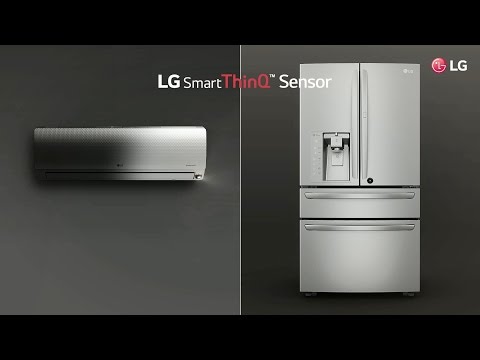
The 2010s belonged to the smart home. LG responded with ThinQ, its artificial intelligence ecosystem connecting appliances to smartphones and voice assistants. Advertising shifted accordingly: commercials featured refrigerators that tracked expiration dates, washing machines that recommended cycles, and ovens that responded to voice commands.
The campaigns emphasized convenience, personalization, and the quiet magic of anticipatory technology. These were not ads about circuits and processors; they were ads about mornings made smoother and evenings made simpler.
🎥 LG ThinQ Smart Home Campaign:
H2: WashTower Campaigns
LG's WashTower represented a genuine innovation: a stacked washer-dryer unit with centralized controls, designed for spaces where every inch mattered. The advertising campaign, "No Rubbing, No Scrubbing," made laundry entertaining. Commercials featured dancing garments, synchronized cycles, and the satisfying logic of AI Direct Drive technology.
The genius of these ads was their tone. Laundry is universally regarded as drudgery. LG transformed it into a performance.
🎥 LG WashTower Dancing Laundry Ad:

H2: OLED TV Campaigns
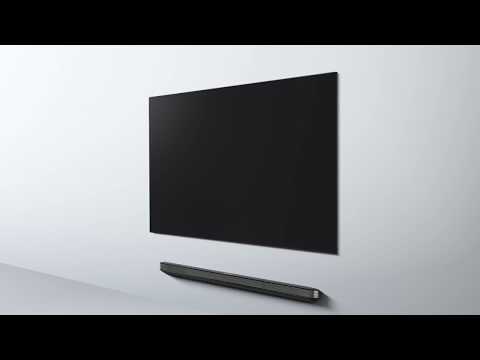
Simultaneously, LG was establishing dominance in premium television through OLED technology. Unlike LCD, OLED delivered perfect blacks, infinite contrast, and cinematic color accuracy. LG's advertising treated OLED not as a specification but as an experience.
The brand tied its OLED campaigns to major cultural events, particularly March Madness. Commercials featured basketball in stunning clarity, reinforcing that LG was not just for home theater enthusiasts but for sports fans, movie lovers, and anyone who valued visual excellence.
Celebrity endorsements amplified this positioning. Ballerina Misty Copeland appeared in campaigns that juxtaposed her artistry against OLED's visual precision. The message was subtle but unmistakable: LG belongs in cultural conversations, not just consumer reports.
🎥 LG OLED TV March Madness Commercial:
H2: Impact
Positioned LG as a leader in smart home innovation.
Demonstrated that household technology advertising could be genuinely entertaining.
Reinforced LG's reputation for cutting-edge technology across appliances and electronics.
🌱 2020s: Optimism & Sustainability
H2: Life's Good Relaunch (2023)
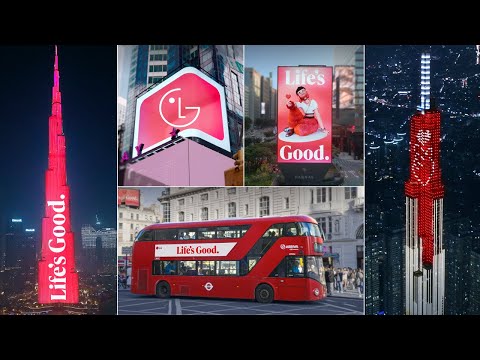
In 2023, LG relaunched Life's Good for a new generation. The campaign retained the iconic slogan but refreshed its energy. The new commercials were vibrant, youthful, and globally conscious. They featured diverse casts, upbeat soundtracks, and a renewed emphasis on optimism—a deliberate counterprogramming to the anxiety of the post-pandemic era.
🎥 Life's Good Global Relaunch (2023):
H2: Sustainability Messaging
The 2020s also brought an urgent new priority: sustainability. LG's advertising responded by highlighting energy-efficient appliances, recycled materials, and reduced carbon footprints. These were not defensive campaigns; they were aspirational. LG positioned itself not as a company playing catch-up to environmental regulations but as a responsible partner in building a better future.
Commercials featured washing machines that used less water, refrigerators that consumed less electricity, and packaging made from sustainable materials. The message was consistent with Life's Good: a good life should not cost the earth.
H2: Impact
Strengthened emotional branding through optimism and purpose.
Connected LG's household technology with global sustainability movements.
Proved that a twenty-year-old slogan could remain culturally relevant through thoughtful reinvention.
📊 Comparison Table: LG Household Tech Advertising
| 1950s–1990s | Reliability, affordability | Print ads, radio campaigns | Built consumer trust |
| 2000s | Lifestyle convenience | Family-oriented storytelling | Expanded global reach |
| 2010s | Smart home innovation | AI features, entertaining ads | Positioned LG as tech leader |
| 2020s | Optimism & sustainability | Global "Life's Good" relaunch | Strengthened emotional branding |
🔎 Expert Analysis: Why LG's Ads Worked
Authenticity
LG's campaigns consistently align with its identity as a household companion, not merely a technology conglomerate. When LG advertises a washing machine, it does not forget that the machine exists in a home, not a laboratory. This grounding in domestic reality prevents the brand from feeling cold or corporate.
Artistic Innovation
LG transformed appliances into lifestyle symbols. The WashTower is, objectively, a stacked laundry unit. But in LG's advertising, it became a choreographed performance. OLED televisions became portals to cultural experiences. This artistic ambition elevated LG above commodity status.
Pop Culture Integration
Celebrity endorsements and sports tie-ins ensured LG's campaigns resonated across demographics. Misty Copeland brought cultural cachet. March Madness brought mass audience reach. LG understood that household technology advertising need not be confined to home improvement magazines; it could compete for attention alongside entertainment and sports marketing.
Strategic Timing
LG launched campaigns during cultural moments that amplified their relevance. The Life's Good relaunch arrived when the world desperately needed optimism. Sustainability campaigns arrived as climate consciousness moved from fringe to mainstream. ThinQ smart home ads arrived as consumers were finally ready to trust AI in their kitchens. Timing transformed competent campaigns into cultural landmarks.
🌍 Broader Cultural Significance
Advertising History: LG's campaigns are studied as milestones in household technology advertising. They represent the evolution from feature-focused messaging to identity-driven branding, from local manufacturing to global lifestyle positioning.
Pop Culture: LG ads became part of conversations about lifestyle, sustainability, and smart homes. The Life's Good slogan transcended its commercial origins to become a shorthand for optimistic consumerism.
Consumer Psychology: Emotional resonance built loyalty and trust. Consumers do not remember the wattage of their LG washing machine; they remember the feeling of watching laundry dance to music. They do not recall the contrast ratio of their OLED television; they recall Misty Copeland's grace rendered in perfect black.
Global Reach: Despite its Korean origins, LG's advertising achieved genuine globalization. A Life's Good commercial in São Paulo shares the same emotional architecture as one in Seoul or London. By appealing to universal values—family, convenience, optimism, sustainability—LG transcended cultural boundaries.
🧠 Conclusion: The Legacy of LG Advertising
LG's role in household tech advertising reflects a remarkable evolution: from reliability and affordability in post-war Korea to smart innovation and emotional storytelling in the global digital age. By relaunching Life's Good with optimism and sustainability, LG continues to position itself as a household brand that blends technology with lifestyle.
But the deeper legacy of LG's advertising is not about refrigerators or televisions. It is about meaning. LG understood that household technology is uniquely intimate. These are not products we use at work or on public transit; they are products we touch in our kitchens, our laundry rooms, our living spaces. They are present during our most private moments.
LG's advertising respected that intimacy. It never treated appliances as cold machinery. It treated them as silent partners in the project of daily life. The washing machine that saves time. The refrigerator that preserves freshness. The television that delivers art. The AI that anticipates needs.
This is not technology marketing; it is humanity marketing. And it is why LG's campaigns remain benchmarks in the industry.
The legacy of LG advertising is this: the brand proved that household technology could be sold not through intimidation, but through empathy. Not through specifications, but through stories. Not through fear of obsolescence, but through hope for a good life.
And as long as Life's Good continues to mean something, that legacy will endure.
Discover the talented actress featured in the LG smart home appliances ad. Uncover her background and other roles that showcase her impressive skills.
Discover how LG is transforming smart device advertising with innovative strategies and cutting-edge technology to enhance user engagement and brand visibility.
Discover how LG is transforming smart home advertising with innovative technology and strategies that enhance consumer engagement and drive sales.

Discover how Netflix ads mirror pop culture trends, shaping viewer perceptions and influencing entertainment choices in today's digital landscape.

Discover the most iconic Adidas campaigns that have shaped sports fashion. Explore their impact on style, culture, and athletic performance today.

Explore Canon's advertising journey in photography, showcasing innovative campaigns and iconic moments that shaped the industry and inspired photographers worldwide.

Discover the magic of Christmas as famous actors shine in festive campaigns. Explore their memorable performances and the joy they bring to the season.

Discover the iconic actors who transformed perfume advertising in the 2000s, blending glamour and allure to create unforgettable campaigns.

Discover how Idris Elba is revolutionizing technology advertising campaigns with his unique charisma and innovative approach. Explore the impact today!

Discover the captivating world of Cate Blanchett in perfume advertising campaigns, showcasing her elegance and charm in stunning visuals and compelling narratives.

Discover the allure of Versace ads featuring iconic celebrities. Explore stunning visuals and captivating campaigns that define luxury fashion.