

For Coca-Cola, Christmas is more than a season; it's a brand-owned holiday. Through decades of iconic advertising, the company has woven itself into the very fabric of the festive period, shaping modern Christmas imagery and sentiment in the process. The evolution of Coca-Cola’s Christmas campaigns is a masterclass in long-term brand building, reflecting changing social values, marketing strategies, and cultural desires—all while maintaining a core message of happiness and togetherness. This article traces the journey from the creation of the modern Santa Claus to today's cinematic, values-driven stories, exploring how Coca-Cola’s holiday advertising became a global tradition.The Foundational Myth: Creating the Modern Santa (1930s-1950s)While Coca-Cola did not invent Santa Claus, it standardized and popularized the universal image we know today.
The Artist: Haddon Sundblom, a commercial illustrator.
The Campaign: Starting in 1931, Sundblom’s paintings for Coca-Cola departed from the earlier, elfin, sometimes stern depictions of St. Nicholas. He created a warm, friendly, human-sized Santa: a jovial, rosy-cheeked man with a twinkle in his eye, dressed in Coca-Cola’s signature bright red (which aligned perfectly with the brand's colors) and white fur-trimmed suit.
The Impact: Sundblom’s Santa, often shown enjoying a Coke after a hard night's work or interacting with children, appeared in magazines, store displays, and calendars for over three decades. This consistent, heartwarming imagery cemented the "Coca-Cola Santa" as the definitive version in the public imagination, creating an unbreakable bond between the brand and the holiday.
The "Hilltop" Ad (1971): Though not exclusively Christmas, this ad’s message of global harmony ("I'd Like to Buy the World a Coke") became a perennial holiday favorite, embodying the season's idealistic spirit of unity. Its jingle was re-recorded as the pop hit "I'd Like to Teach the World to Sing."
The "Mean Joe Greene" Ad (1979): Another non-Christmas ad that became a holiday staple due to its powerful emotional narrative of kindness and connection—themes central to the season.
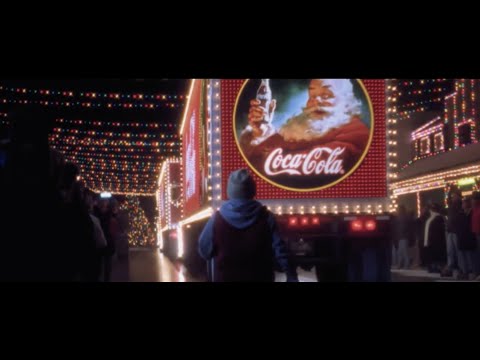
The "Holidays are Coming" Trucks (1995): This campaign introduced one of the most potent symbols in modern advertising. The ad featuring a convoy of magical, red-lit trucks traveling through a snowy, slumbering landscape to the anthem "Holidays are Coming" created a sense of wonder and official holiday arrival. The Coca-Cola Christmas Trucks became a real-world phenomenon, with tours that draw millions, making the advertising fantasy a tangible experience.
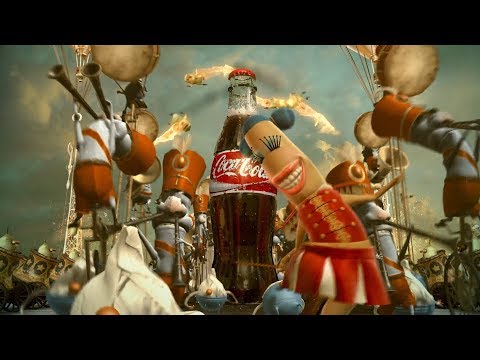
"The Happiness Factory" (2006): A fantastical CGI series that showed the whimsical inner world of a Coca-Cola vending machine. It was a pure exercise in brand-as-magic, perfectly suited to the wonder of the holidays.
"Snow Globe" & "Letters" Campaigns: Many ads from this era focused on simple, emotional narratives: a soldier returning home for Christmas, a man reuniting his neighbor with family via a snow globe, or the story of two brothers at Christmas.
The "Santa Claus" Return: Coca-Cola periodically returned to its Santa roots with high-production ads, like the 2011 "Border" spot where Santa crosses a guarded border using a Coke as a magical passport, reinforcing his role as a figure who transcends boundaries.
"The Wonder of Us" / "Wish Upon a Coke" (2018): This campaign focused on personalization and names, a digital-age strategy, but applied it to the holidays, encouraging sharing and personal connection.
"Holidays are Coming" with a Sustainable Twist (2019-2021): The classic truck ad was re-released with subtle updates, and Coca-Cola began emphasizing its "World Without Waste" initiative, showing the trucks running on renewable electricity and highlighting recycled packaging. This strategically linked the cherished tradition with modern environmental values.
The "Real Magic" Platform & Inclusion (2021-Present): Under the new "Real Magic" brand philosophy, Christmas ads have emphasized inclusivity and modern family dynamics. Ads have featured diverse families, LGBTQ+ relationships, and non-traditional gatherings, presenting the brand as a facilitator of all forms of togetherness.
Nostalgia as a Pillar: Simultaneously, Coca-Cola continues to powerfully leverage its own archive, re-releasing classic ads and ensuring the Sundblom Santa and the Christmas Trucks remain central, balancing innovation with tradition
Table: The Evolution of Coca-Cola Christmas Campaigns
| Foundational (1930s-50s) | Haddon Sundblom's Santa Claus | Print Illustrations, Calendars | Warmth, Family, Generosity | Codified the modern image of Santa; fused brand with holiday iconography. |
| Cinematic (1970s-90s) | "Holidays are Coming" Trucks; "Hilltop" | Television | Magic, Universal Harmony, Nostalgic Arrival | Created a new, owned festive symbol (the trucks); anthemic branding. |
| Storytelling (2000s-10s) | "The Happiness Factory"; Narrative Shorts (e.g., "Snow Globe") | TV & Online Video | Wonder, Emotional Reunion, Small Acts of Kindness | Focused on cinematic, heartwarming mini-stories for the digital age. |
| Purpose-Driven (2010s-Present) | Sustainable Trucks; "Real Magic" Inclusive Stories | Integrated (TV, Social, Experiential) | Togetherness (All Forms), Sustainability, Shared Nostalgia | Modernized tradition to reflect values of inclusivity and environmental responsibility. |
Expert Analysis: The Strategy Behind the Sentiment
Coca-Cola’s Christmas success is not accidental; it’s a strategic orchestration of emotional branding at its most effective.
"Coca-Cola owns Christmas because it invested in the season's emotional real estate for nearly a century," explains a brand historian. "They didn't just advertise during Christmas; they actively helped define its visual and emotional language—Santa's look, the feeling of magical arrival, the ideal of family reunion. The key to their evolution is their ability to adapt that core 'happiness' message to each era's language: from Sundblom's illustrations to TV spectacle to inclusive, sustainable storytelling. They manage the ultimate balance: being a timeless tradition while feeling of the moment."
The brand operates on a "loop of nostalgia." Each generation grows up with a specific Coke Christmas ad (the Trucks, a particular story). As adults, re-watching that ad or seeing the trucks return triggers powerful personal nostalgia, which they then pass on to their children, who form new memories with the contemporary ads. This creates a self-perpetuating cycle of brand loyalty.
Conclusion: More Than a Drink, A Season's Companion
The evolution of Coca-Cola's Christmas campaigns is the story of a brand becoming a ritual. From defining Santa's image to sending magical trucks across the world’s screens, Coke has positioned its product not as a mere beverage, but as an essential ingredient for holiday magic, connection, and reflection.
By evolving from illustrator to filmmaker to socially conscious storyteller, Coca-Cola has ensured its Christmas message remains relevant. Yet, through it all, the constant has been the red of Santa’s suit and the promise of a moment of happiness. In a changing world, Coca-Cola’s Christmas legacy endures because it sells something far more powerful than sugar and caffeine: it sells a feeling, a memory, and for many, the very taste of Christmas itself.
YouTube Visual References for Key Campaigns:
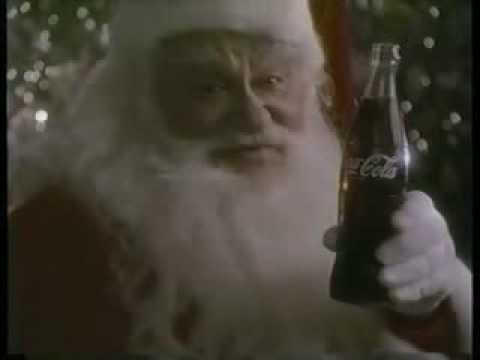
Haddon Sundblom Santa Claus Compilation:
 Watch YouTube video
"Holidays are Coming" Christmas Trucks (1995 Original):
Watch YouTube videoCoca-Cola "The Happiness Factory" (2006):
Watch YouTube videoCoca-Cola Christmas 2011: "Border" (Santa):
Watch YouTube videoCoca-Cola Christmas 2013: "Snow Globe":
Watch YouTube videoCoca-Cola "Real Magic" Christmas 2021: "The Letter":
Watch YouTube video
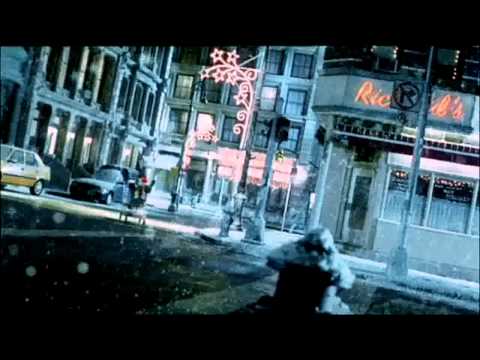
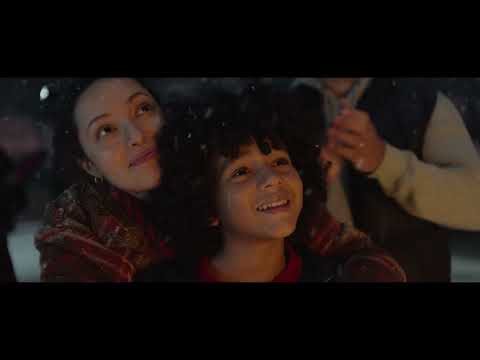
Discover the catchy tune featured in Coca-Cola's 2026 "Real Magic" commercial. Uncover the artist and song details that are captivating audiences worldwide.
Discover the song featured in Coca-Cola's 2026 "Real Magic" commercial. Uncover the artist and lyrics that bring this captivating ad to life.
Discover the enchanting song featured in the 2025 Coca-Cola Christmas truck commercial. Unwrap the festive spirit and find out more about this holiday classic.

Discover the most iconic Super Bowl campaigns that captivated audiences and transformed advertising. Explore memorable moments and creative brilliance today!

Discover the journey from commercials to Hollywood careers. Explore insights, tips, and success stories to elevate your acting aspirations today.

Discover the most memorable TV commercial actors who have left a lasting impression. Explore our rankings and relive iconic moments from your favorite ads.

Discover the iconic actors who shaped 90s perfume ads, blending glamour and allure. Explore their influence on fragrance marketing and pop culture.

Discover how Ryan Reynolds revolutionizes tech advertising campaigns with his unique charm and creativity, captivating audiences and driving engagement.

Explore the cultural impact of Toyota ads worldwide, showcasing how they resonate across diverse communities and influence global marketing trends.
Discover the iconic songs that have defined McDonald's commercials over the years. Explore how music enhances the brand's memorable advertising campaigns.

1. Discover the iconic actors who have collaborated with Adidas, showcasing their influence in fashion and sports. Explore their stories and partnerships here.