

Google’s advertising stands as a masterclass in a seemingly contradictory goal: making the world’s most complex information technology feel simple, human, and emotionally resonant. In a landscape of flashy visuals and hard sells, Google’s visual strategy is distinguished by its minimalist aesthetic, narrative-driven approach, and profound focus on the user, not the product. From the iconic Doodle to the tear-jerking "Year in Search" films, Google’s advertising visual language is a powerful tool for building not just brand awareness, but brand trust. This article deconstructs the key pillars of Google's visual advertising strategy and the campaigns that define it.
Pillar 1: The "Doodle" - Brand as Playful Portal
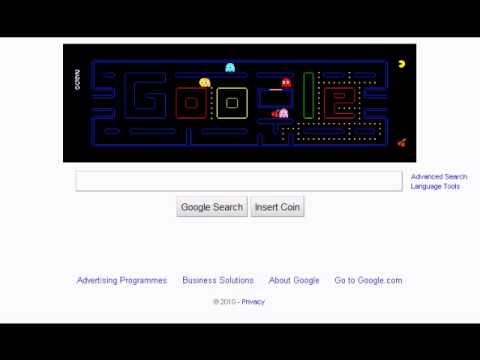
The Visual: The transformation of the Google logo on the homepage to celebrate holidays, anniversaries, and notable figures.
Strategic Purpose: It makes the gateway to the internet feel personal, culturally aware, and creative.
Visual Example: Google Doodle archive showcases thousands of examples.
Watch (Example - Pac-Man Doodle):
 Watch YouTube video
Pillar 2: Product Demonstration as Mini-Narrative (The "Demo Ad")
The Visual: Clean, screen-centric shots showing a hand interacting with a phone or laptop. The focus is on the interface and the outcome.
Strategic Purpose: To demystify and humanize complex technology.
Iconic Campaign - "Parisian Love" (2009 Super Bowl):
Visuals: A simple sequence of search queries typed into a browser, telling a love story.
Impact: It sold the romance of search using Google’s core interface as the only visual.
Watch:
Watch YouTube video
Pillar 3: The "Magic" of AI and Assistant
The Visual: Warm, family-focused scenes where technology helps seamlessly.
Strategic Purpose: To make AI feel like a helpful, intuitive member of the family.
Iconic Campaign - "Google Assistant: A Helping Hand" (2017):
Visuals: A man uses Google Assistant to manage family logistics and reconnect with a memory of his father.
Impact: Showcased Assistant as a practical and emotional life tool.
Watch:
Watch YouTube video
Pillar 4: Accessibility & Inclusion as Visual Hero
The Visual: Intimate portraits of people with disabilities using Google tech to gain independence.
Strategic Purpose: To demonstrate a core company value ("universal access") with tangible, human impact.
Iconic Example - "Project Relate":
Visuals: Individuals with speech impairments using the app to communicate.
Impact: Shows Google using its resources for societal good.
Watch:
Watch YouTube video
Table: Google's Visual Strategy Framework
| Playful Portal | Google Doodle | Animated, interactive logo. | Delight, Cultural Connection | Pac-Man Doodle. |
| Product Narrative | Demo Ad | Screen POV, clean typography. | Empowerment, Convenience | "Parisian Love" (Search). |
| Data Humanism | Cinematic Montage | Documentary/news footage. | Unity, Empathy, Reflection | "Year in Search". |
| Ambient Assistance | Lifestyle Film | Warm family shots. | Trust, Comfort, Care | "A Helping Hand". |
| Inclusive Design | Documentary Demo | Intimate portraits. | Hope, Dignity, Purpose | "Project Relate". |
Analysis: Why This Visual Strategy Works
Google’s visual approach succeeds because it inverts traditional tech advertising:
User-Centric, Not Product-Centric: The human and their story are always in focus.
Simplicity as Sophistication: Clean, minimalist aesthetic communicates clarity and understanding.
Emotion Over Specs: It advertises the feelings its products enable, not technical specifications.
Authenticity through Utility: Grounds a giant tech company in tangible reality.
"Google's visual strategy is a brilliant defensive mechanism," notes a creative director. "Their ads visually position them not as a data-hungry corporation, but as a humble librarian and compassionate witness to the human experience. It’s a strategy that builds affection to offset anxiety."
Conclusion: The Visual Language of Trust
Google’s advertising visual strategy is not about being the loudest or flashiest; it’s about being the most meaningful. By consistently visualizing technology as a bridge—between question and answer, memory and present, limitation and ability—Google crafts a brand image that is both indispensable and benevolent. In the end, Google’s most powerful visual is the relieved smile of a person it has helped.
YouTube Playlist of Key Campaigns:
Google Doodle - Pac-Man:
"Parisian Love" (Super Bowl 2009):

Google Assistant "A Helping Hand":

"Project Relate" Demo:
Google Photos "Dear Sophie" (Early Narrative):

Google Translate "Search On" (2020):
Discover the identity of the girl in the Google Super Bowl commercial and learn about her role and impact in this memorable advertisement.
Discover how Google Ads can enhance everyday utility for your business. Learn effective strategies to reach your audience and boost engagement today.
Discover how Google leverages storytelling in ads to engage audiences and enhance brand connection. Unlock the secrets behind effective advertising strategies.

Discover Microsoft’s most memorable commercials that shaped advertising history. Explore iconic moments and innovative storytelling that captivated audiences.

Explore the fascinating evolution of Ford's advertising strategies over the years, showcasing innovative campaigns that shaped the automotive industry.

Discover the groundbreaking campaigns that transformed social media advertising. Explore strategies, successes, and lessons from the industry's best.

Discover the groundbreaking campaigns that transformed tech product perceptions and reshaped consumer attitudes. Explore their impact on the industry today.

Explore the enduring impact of Nike's "Just Do It" slogan, a powerful call to action that has inspired millions and transformed the world of sports marketing.

Explore the evolution of Coca-Cola's Christmas campaigns, showcasing iconic ads and their impact on holiday traditions and brand identity over the years.

Discover the most iconic Super Bowl campaigns that captivated audiences and transformed advertising. Explore memorable moments and creative brilliance today!

Discover the journey from commercials to Hollywood careers. Explore insights, tips, and success stories to elevate your acting aspirations today.