

Social media advertising didn't just change how brands talk to consumers—it rewrote the entire playbook. Moving from one-way broadcasting to interactive, community-driven conversation, the most groundbreaking campaigns have turned passive viewers into active participants, creators, and brand advocates. These campaigns shaped the very DNA of social media marketing, establishing best practices, proving new formats, and demonstrating the immense cultural power of platforms like YouTube, Instagram, Twitter, and TikTok. This article explores the landmark campaigns that defined each era and set the standards for what social media advertising could achieve.
The Pioneering Era: Demonstrating Viral Potential (2000s)
1. Blendtec's "Will It Blend?" (2006)
Platform: YouTube
The Campaign: Blendtec's founder, Tom Dickson, started blending unusual items—from iPhones and golf balls to glow sticks—in their industrial blenders. The videos were low-budget, high-concept, and answered a simple, captivating question.
The Impact: This was arguably the first viral B2C social media campaign. It proved that authenticity, curiosity, and a demonstration of extreme product quality could drive massive organic reach without a traditional ad spend. It established YouTube as a platform for creative product marketing and "edutainment."
Watch:
It Blend? - iPhone) Watch YouTube video
2. Old Spice "The Man Your Man Could Smell Like" Response Campaign (2010)
Platform: YouTube, Twitter
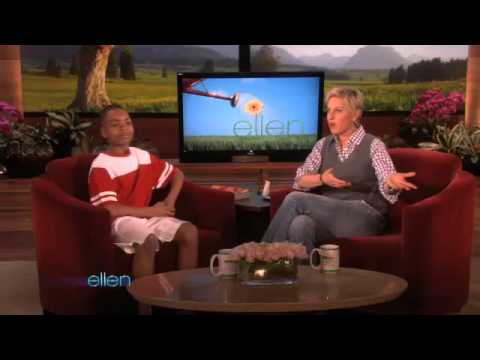
The Campaign: After the iconic TV ad aired, Old Spice (via Wieden+Kennedy) had actor Isaiah Mustafa film 186 personalized video responses in real-time to questions from users on Twitter, Reddit, and other social platforms. Celebrities like Ellen DeGeneres and Alyssa Milano were targeted.
The Impact: This was the first major campaign to master real-time marketing and two-way interaction on a mass scale. It transformed a monologue into a dynamic conversation, making fans feel personally acknowledged and generating staggering earned media. It set the template for agile, platform-native engagement.
Watch:
to Ellen DeGeneres)Watch YouTube video
The Platform-Native Era: Harnessing Community & Trends (2010s)
3. Coca-Cola "Share a Coke" (2011-2014)
Platform: Primarily Instagram & Facebook
The Campaign: Coca-Cola replaced its iconic logo on bottles with 250 of the most popular names in each country, encouraging people to "Share a Coke with [Name]." The social media component encouraged users to share photos of their personalized bottles with the hashtag #ShareACoke.
The Impact: This campaign perfected personalization at scale and user-generated content (UGC) as a growth engine. It turned a mass product into a personal token, leveraging the innate human desire to see one's own name and share experiences. The hashtag created a massive, brand-positive visual gallery across social networks.
Watch:
Recap)Watch YouTube video
4. Airbnb's "Night At" Campaigns (2015)
Platform: Instagram, Twitter
The Campaign: Airbnb offered users the chance to win a night in incredibly unique locations, like the Great Wall of China, the Paris Catacombs, or the Finnish Northern Lights igloo. Entrants had to explain why they deserved the stay via social posts.
The Impact: This masterfully used experiential marketing and exclusive access as social currency. The campaigns were inherently shareable, generating massive buzz and aspirational content that perfectly communicated Airbnb's core brand promise of "belonging anywhere." It showed how to sell a lifestyle, not just a service.
Watch:
At the Great Wall Recap)Watch YouTube video
5. ALS Association "Ice Bucket Challenge" (2014)
Platform: Facebook (primarily)
The Campaign: Though not created by a brand, this user-generated phenomenon is perhaps the most impactful social campaign ever. People filmed themselves dumping ice water on their heads, nominated others, and donated to ALS research.
The Impact: It demonstrated the explosive power of a simple, participatory, peer-to-peer challenge framework. It leveraged social proof, FOMO (Fear of Missing Out), and the network effect of tags/nominations to raise over $220 million and achieve unprecedented global awareness for a cause. Every brand studied its mechanics.
Watch:
Watch YouTube video
The Influencer & Authenticity Era (Late 2010s)
6. Glossier's Build-Through-Community Model (2014-Ongoing)
Platform: Instagram
The Campaign: Instead of traditional advertising, beauty brand Glossier built its entire launch strategy on social media, specifically Instagram. It used its own account (@glossier) to showcase UGC, engaged directly with followers in comments and DMs, and turned early customers into micro-influencers.
The Impact: Glossier proved that a brand could be built from the community up. It established the "millennial pink" aesthetic as a marketable brand identity and showed that authentic peer recommendations and a conversational tone could be more powerful than polished celebrity endorsements. It shaped the direct-to-consumer (DTC) playbook.
Watch: N/A (Strategy was platform-native; no single ad)
7. Daniel Wellington's Influencer Micro-Marketing (2015-Ongoing)
Platform: Instagram
The Campaign: The watch brand grew exponentially by sending free products to thousands of mid- and micro-influencers in exchange for styled photos featuring a personalized discount code. The aesthetic was clean, consistent, and highly aspirational.
The Impact: It systematized and scaled the influencer gifting/discount code model, proving its direct ROI. It demonstrated the power of aesthetic uniformity across countless creators and made "influencer marketing" a quantifiable, cornerstone strategy for lifestyle brands.
The Social-Conscious & Algorithm-First Era (2020s)
8. Nike "You Can't Stop Us" (2020)
Platform: All, but engineered for social sharing
The Campaign: A masterfully edited split-screen film showing the parallel struggles and triumphs of athletes from different sports, genders, and backgrounds, released during the pandemic and social justice movements.
The Impact: It showed how a major brand could speak to a global moment of hardship and division with a message of unity and resilience. Its visual technique was perfectly suited for mute viewing and powerful screenshotting on social feeds. It proved purpose-driven messaging could be unifying and widely shared when it felt authentic and visually groundbreaking.
Watch:
Watch YouTube video
Table: The Evolution of Social Media Advertising
| Viral Demo (2000s) | Blendtec "Will It Blend?" | Proof of Organic, Demo-Driven Virality | YouTube | Authentic product demonstration can beat high production value. |
| Real-Time Interaction (2010) | Old Spice Response Videos | Real-Time, Personalized Engagement | YouTube/Twitter | Turn broadcast into a two-way conversation. |
| UGC & Personalization (2011) | Coca-Cola "Share a Coke" | Mass Personalization & Hashtag-Driven UGC | Instagram/Facebook | Give users a personal stake and a reason to create content. |
| Community-as-Brand (2014) | Glossier's Instagram-First Launch | Building a Brand Through Direct Community Engagement | Your customers are your best marketers; listen to them. | |
| Algorithm-Native (2020) | Ocean Spray TikTok Moment | Leveraging Organic User-Generated Memes | TikTok | Don't control the narrative; authentically participate in it. |
Expert Analysis: The Shifting Paradigms
"Social media advertising evolved from treating platforms as new billboards to treating them as living ecosystems," notes a digital strategist. "The great campaigns understood the native language of each platform—YouTube was for spectacle and demonstration, Twitter for real-time conversation, Instagram for aesthetic aspiration, and TikTok for authentic, participatory culture. The brands that won didn't just adapt their old TV ads; they built entirely new narratives that could only exist within the logic of the social feed."
The underlying shift across all these campaigns is from interruption to invitation. The most successful social campaigns invite users to play, create, share, and belong. They provide social currency—be it a laugh, a beautiful photo, a sense of community, or a moment of relevance.
Conclusion: From Selling to Story-Dwelling
The campaigns that shaped social media advertising did more than sell products; they built worlds and fostered movements. They proved that in the social age, brand value is co-created with the audience. The legacy of these campaigns is a new marketing mandate: be useful, be entertaining, be authentic, and above all, be human. The most powerful social media ads are no longer ads at all—they are cultural contributions that earn their place in the scroll.
YouTube Visual References for Key Campaigns:
Blendtec "Will It Blend? - iPhone":

Old Spice Response to Ellen:
Coca-Cola "Share a Coke" Campaign Recap:
Airbnb "Night At the Great Wall":

ALS Ice Bucket Challenge Official Recap:
Nike "You Can't Stop Us":
Discover the groundbreaking campaigns that transformed tech product perceptions and reshaped consumer attitudes. Explore their impact on the industry today.
Discover the most emotional advertising campaigns of the last decade that touched hearts and inspired change. Explore their powerful stories and impact.

Discover the groundbreaking campaigns that transformed tech product perceptions and reshaped consumer attitudes. Explore their impact on the industry today.

Explore the enduring impact of Nike's "Just Do It" slogan, a powerful call to action that has inspired millions and transformed the world of sports marketing.

Explore the evolution of Coca-Cola's Christmas campaigns, showcasing iconic ads and their impact on holiday traditions and brand identity over the years.

Discover the most iconic Super Bowl campaigns that captivated audiences and transformed advertising. Explore memorable moments and creative brilliance today!

Discover the journey from commercials to Hollywood careers. Explore insights, tips, and success stories to elevate your acting aspirations today.

Discover the most memorable TV commercial actors who have left a lasting impression. Explore our rankings and relive iconic moments from your favorite ads.

Discover the iconic actors who shaped 90s perfume ads, blending glamour and allure. Explore their influence on fragrance marketing and pop culture.

Discover how Ryan Reynolds revolutionizes tech advertising campaigns with his unique charm and creativity, captivating audiences and driving engagement.