

In today's fragmented digital landscape, consumers interact with brands across dozens of touchpoints—social media, search engines, streaming services, email, websites, and physical locations. A cohesive multi-channel advertising strategy ensures that no matter where your audience encounters your brand, they receive a consistent, relevant, and compelling experience that guides them toward conversion.
This guide will walk you through everything you need to know to build, execute, and optimize a multi-channel advertising strategy that drives results.
What Is Multi-Channel Advertising?
Multi-channel advertising is the practice of reaching your target audience across multiple platforms and touchpoints—both digital and physical—with a coordinated, consistent message. Unlike single-channel approaches that focus on one platform (e.g., Facebook-only campaigns), multi-channel strategies meet customers where they already spend their time.
Multi-Channel vs. Omni-Channel vs. Cross-Channel
| Multi-Channel | Presence on multiple independent channels; channels may not communicate with each other |
| Cross-Channel | Channels work together but may not be fully integrated; some data sharing exists |
| Omni-Channel | Fully integrated experience where channels share data seamlessly and create a unified customer journey |
For most advertisers, building across-channel or omni-channel approachis the ultimate goal—where each channel reinforces the others and data flows between them to create a seamless experience.
📺Video: Multi-Channel vs. Omni-Channel Marketing Explained
▶️

Why Multi-Channel Advertising Matters
The case for multi-channel advertising is supported by compelling data:
| Purchase likelihood | 7 out of 10 customers are more likely to purchase from brands that offer a consistent, personalized experience across channels |
| Customer retention | 89% of customers stay loyal to brands that provide a seamless experience across all touchpoints |
| Revenue growth | Companies with strong omni-channel strategies retain an average of 89% of their customers, compared to 33% for those with weak strategies |
| Customer lifetime value | Omni-channel customers spend 4% more in-store and 10% more online than single-channel customers |
| ROI efficiency | Marketers using three or more channels in a campaign earn 287% higher purchase rates than those using a single channel |
📺Video: Why Multi-Channel Marketing Is Essential in 2026
▶️
Core Channels in a Multi-Channel Strategy
A comprehensive multi-channel advertising strategy typically includes a mix of these channels:
1. Search Advertising
| Search Engine Marketing (SEM) | Text ads on Google, Bing, and other search engines targeting users with high purchase intent |
| Shopping Ads | Product listing ads (PLAs) that display images, prices, and reviews directly in search results |
| Performance Max | Google's AI-driven campaign type that distributes ads across all Google properties |
Best for:Capturing high-intent users actively searching for products or services like yours.
2. Social Media Advertising
| Meta (Facebook & Instagram) | Granular targeting, visual storytelling, massive reach |
| TikTok | Viral potential, Gen Z and Millennial reach, authentic content |
| B2B targeting, professional audiences, thought leadership | |
| Discovery platform, high purchase intent, visual inspiration | |
| Snapchat | Gen Z audience, AR experiences, ephemeral content |
Best for:Building brand awareness, driving engagement, and reaching audiences in discovery mode.
3. Video Advertising
| YouTube Ads | In-stream, in-feed, and Shorts ads on the world's second-largest search engine |
| Connected TV (CTV) | Ads on streaming platforms like Hulu, Peacock, Netflix, and Amazon Prime Video |
| TikTok/Reels | Short-form vertical video native to social platforms |
| OTT (Over-the-Top) | Video content delivered via internet, bypassing traditional cable |
Best for:Storytelling, product demonstrations, and building emotional connections.
📺Video: Connected TV Advertising 101
▶️
4. Display & Programmatic
| Display Ads | Banner ads across websites and apps |
| Native Ads | Ads that match the look and feel of the publisher's content |
| Programmatic DOOH | Digital out-of-home advertising (billboards, transit screens, gym displays) |
| Audio Ads | Spots on streaming music platforms like Spotify and Pandora |
Best for:Broad reach, brand awareness, and retargeting.
5. Email Marketing
| Newsletters | Regular updates, content, and offers to subscribers |
| Automated Flows | Welcome series, abandoned cart, post-purchase follow-up |
| Segmented Campaigns | Targeted messages based on behavior, preferences, or demographics |
Best for:Nurturing leads, driving repeat purchases, and building customer relationships.
6. Influencer & Creator Marketing
| Macro-Influencers | Large followings, broad reach, awareness focus |
| Micro-Influencers | Niche audiences, high engagement, authenticity |
| Creator Partnerships | Long-term collaborations that build sustained awareness |
Best for:Building trust, authentic storytelling, and reaching specific communities.
7. Offline & Physical Channels
| Digital Out-of-Home (DOOH) | Programmatic billboards, transit ads, screens in public spaces |
| Magazines, newspapers, direct mail (increasingly integrated with digital) | |
| Events & Experiential | Live events, pop-ups, trade shows |
| Radio & Podcasts | Audio advertising for local or national reach |
📺Video: Programmatic DOOH Explained
▶️

Step-by-Step: Building Your Multi-Channel Strategy
Step 1: Define Your Audience
Start with a clear understanding of who you're trying to reach.
Create detailed audience personas:
-
Demographics (age, location, income, education)
-
Psychographics (interests, values, pain points)
-
Media consumption habits (where they spend time, when they're most active)
-
Purchase behavior (how they research, what influences decisions)
Map the customer journey:
Identify which channels your audience uses at each stage of the buying process:
| Awareness | Social media, video, display, DOOH, podcasts |
| Consideration | Search, YouTube, retargeting, influencer content |
| Conversion | Search, email, retargeting, shopping ads |
| Retention | Email, social, loyalty programs, SMS |
📺Video: How to Build Audience Personas for Multi-Channel Campaigns
Step 2: Set Clear Goals and KPIs
Define what success looks like for your multi-channel strategy.
Common objectives and associated KPIs:
| Brand Awareness | Impressions, reach, video views, unique users |
| Engagement | CTR, social interactions, time-on-site, video completion rate |
| Consideration | Site visits, page views, session duration, bounce rate |
| Conversions | CPA, ROAS, conversion rate, revenue |
| Retention | Repeat purchase rate, CLV, email open rate, churn |
SMART goal example:
"Increase revenue by 25% in Q3 by implementing a coordinated search, social, and email retargeting strategy, achieving a 3.5x ROAS across all channels."
Step 3: Select Your Channel Mix
Choose channels based on:
-
Where your audience spends time
-
Your goals(awareness vs. conversion)
-
Your budget and resources
-
Channel fit(certain products perform better on visual platforms)
Channel selection framework:
| Immediate sales | Search, shopping ads, retargeting |
| Brand awareness | Video, display, DOOH, influencers |
| Lead generation | LinkedIn, search, email capture |
| Customer retention | Email, SMS, social engagement |
| Product discovery | TikTok, Instagram, Pinterest, influencers |
Step 4: Develop Consistent Messaging and Creative
Consistency doesn't mean showing the exact same ad everywhere. It means creating a cohesive brand experience where each channel plays its role while maintaining a unified identity.
Elements of cohesive messaging:
-
Visual identity:Consistent logo usage, color palette, typography, imagery style
-
Voice and tone:Whether playful or professional, maintain consistency
-
Core messaging:Key value propositions, unique selling points, brand promises
-
Call-to-action:Clear, consistent action prompts adapted to channel context
Adapt messaging to channel strengths:
| Search | Direct, transactional: "Buy now," "Free shipping," specific features |
| Social | Relatable, entertaining: Stories, humor, user-generated content |
| Video | Emotional, narrative: Show product in action, tell brand story |
| Display | Visual, simple: Strong imagery, minimal text |
| Personalized, value-driven: Exclusive offers, helpful content |
📺Video: How to Create Consistent Brand Messaging Across Channels
▶️
Step 5: Implement Tracking and Measurement Infrastructure
A multi-channel strategy is only as good as your ability to measure it.
Essential tracking elements:
-
UTM parameters:Use consistent naming conventions for all campaign links
-
Conversion tracking:Implement pixels and event tracking across all channels
-
Cross-device tracking:Ensure you can attribute conversions across devices
-
Customer Data Platform (CDP):Centralize customer data from all sources
UTM structure example:
text
https://yourwebsite.com/?utm_source=facebook&utm_medium=social&utm_campaign=q3_sale&utm_content=video_adAttribution models to consider:
-
Last-click:Credits the last channel before conversion
-
First-click:Credits the channel that introduced the customer
-
Linear:Distributes credit evenly across all touchpoints
-
Time-decay:Gives more credit to touchpoints closer to conversion
-
Data-driven:Uses algorithm to assign credit based on actual impact
📺Video: How to Set Up Multi-Channel Tracking with UTM Parameters
▶️

Step 6: Allocate Budget Across Channels
Budget allocation should reflect both your goals and channel performance.
Approaches to budget allocation:
| Historical performance | Allocate more to channels with proven ROAS |
| Goal-based | Allocate based on each channel's role in the funnel |
| Testing | Reserve 10-20% for testing new channels |
| Seasonal | Shift budget based on seasonal channel performance |
Sample budget allocation for an e-commerce brand:
| Search (Google Shopping) | 35% | Direct revenue, high intent |
| Meta (Facebook/Instagram) | 25% | Awareness, retargeting |
| YouTube/CTV | 15% | Brand building, video |
| Programmatic Display | 10% | Retargeting, reach |
| Influencers | 8% | Authenticity, new audiences |
| Email/SMS | 5% | Retention, repeat purchases |
| Testing (new channels) | 2% | Experimentation |
Step 7: Create a Content Calendar and Campaign Timeline
Coordinate your efforts across channels to maximize impact.
Elements of a multi-channel campaign calendar:
-
Launch dates:When each channel goes live
-
Creative rotations:When to refresh assets
-
Seasonal alignment:Coordinating with holidays, events, sales periods
-
Cross-channel promotions:Timing messages to reinforce each other
Example campaign timeline: New Product Launch
| Tease | 1 week | Social, email, influencers | "Something new is coming..." |
| Launch | Launch day | All channels | "Available now!" |
| Amplify | 2 weeks | Paid social, search, video | Features, benefits, reviews |
| Retarget | 2 weeks | Display, social, email | "Still interested?" "Limited time" |
| Sustain | Ongoing | Search, email, loyalty | Ongoing performance marketing |
📺Video: How to Plan a Multi-Channel Campaign Calendar
Step 8: Launch, Monitor, and Optimize
Once your campaign is live, continuous monitoring and optimization are essential.
What to monitor daily:
-
Spend pacing (are you on budget?)
-
Performance against KPIs (ROAS, CPA, CTR)
-
Creative fatigue (declining CTR, engagement)
-
Frequency caps (overexposure on social/video)
What to optimize weekly:
-
Budget reallocation (shift to best-performing channels)
-
Audience adjustments (pause underperforming segments)
-
Creative testing (launch new variations)
-
Bid adjustments (based on performance by channel)
What to analyze monthly:
-
Channel attribution (which channels drive assisted conversions?)
-
Incrementality (are channels truly adding value?)
-
Customer journey analysis (which paths lead to conversion?)
-
Competitive landscape (shifts in auction dynamics)
Channel-Specific Best Practices
Search Advertising
Best practices:
-
Use Performance Maxfor automated cross-channel coverage
-
Implement shopping feedswith high-quality product data
-
Leverage audience signals(customer lists, website visitors)
-
Set up brand protectionto defend against competitors
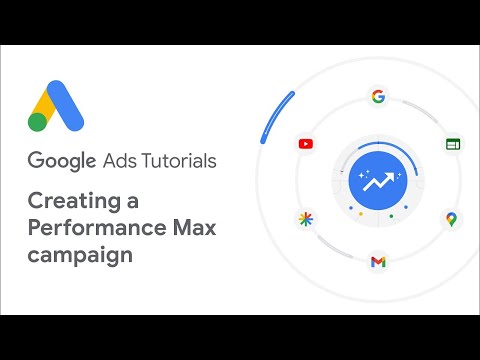
📺Video: Google Performance Max Tutorial
▶️
Social Media Advertising
Best practices:
-
Use platform-native collaboration features(Instagram Collab, TikTok Collab)
-
Prioritize video content(Reels, Shorts, Stories)
-
Test multiple creative formats(UGC, lifestyle, product demos)
-
Set frequency capsto prevent ad fatigue
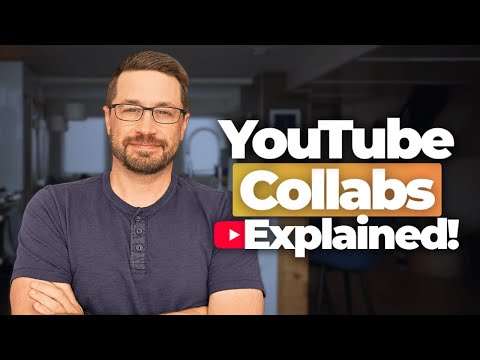
📺Video: How to Use YouTube Collaboration Feature
▶️
Video Advertising
Best practices:
-
Hook within first 3 seconds(especially for short-form)
-
Create multiple lengths(6-second bumper, 15-second, 30-second, longer for CTV)
-
Optimize for sound-off(captions, visual storytelling)
-
Use sequential messagingacross multiple video views
Display & Programmatic
Best practices:
-
Combine behavioral + contextual targetingfor privacy-safe relevance
-
Use dynamic creativeto personalize at scale
-
Filter out MFA (made-for-advertising) sitesto protect quality
-
Include video creativeseven in display campaigns
Email Marketing
Best practices:
-
Segment based on behavior(not just demographics)
-
Coordinate with ad campaigns(e.g., email follow-up to ad clickers)
-
Use triggered flows(welcome, abandoned cart, post-purchase)
-
Personalize subject lines and content
Influencer Marketing
Best practices:
-
Focus on micro-influencersfor higher engagement and authenticity
-
Establish long-term partnershipsrather than one-off posts
-
Allow creative freedomwithin brand guidelines
-
Use influencer content as ad creative(with permission)
How AI Is Transforming Multi-Channel Advertising in 2026
AI-Powered Campaign Types
| Performance Max | Automatically distributes ads across all Google properties (Search, Shopping, Display, YouTube, Discover, Gmail) | |
| Meta | Advantage+ Shopping | Automated campaigns that optimize across Facebook, Instagram, and Audience Network |
| Amazon | Amazon DSP with AI | Automated buying across Amazon and third-party inventory |
| TikTok | Smart Performance Campaign | AI-optimized campaigns across TikTok placements |
AI for Creative Optimization
-
Dynamic Creative Optimization (DCO):AI assembles ad variations in real-time based on user data
-
Creative testing at scale:AI tests thousands of creative combinations to identify winners
-
Predictive creative performance:AI predicts which creatives will perform before launch
AI for Budget Allocation
-
Automated budget pacing:AI reallocates spend across channels based on real-time performance
-
Cross-channel ROAS optimization:AI balances spend to maximize total return across all channels
AI for Audience Discovery
-
Lookalike modeling:AI finds new users who resemble your best customers
-
Predictive audiences:AI identifies users likely to convert based on behavioral signals
-
Custom audience expansion:AI expands your targeting while maintaining relevance
📺Video: AI-Powered Multi-Channel Advertising in 2026
▶️
Common Multi-Channel Mistakes to Avoid
1. Siloed Channel Management
Managing each channel in isolation leads to inconsistent messaging, wasted budget, and missed opportunities for cross-channel synergy.
Fix:Use a centralized planning process, shared goals, and regular cross-team communication.
2. Inconsistent Branding
Different logos, colors, voice, or messaging across channels creates confusion and dilutes brand equity.
Fix:Create brand guidelines and ensure all teams and agencies have access and adhere to them.
3. Poor Attribution
Without proper attribution, you can't know which channels are driving results, leading to misallocated budget.
Fix:Implement consistent UTM tracking, use a multi-touch attribution model, and regularly review channel contribution.
4. Ignoring the Customer Journey
Treating all channels as direct-response vehicles ignores the role of awareness and consideration channels.
Fix:Map the customer journey and assign channels roles based on where they fit in the funnel.
5. Ad Fatigue
Running the same creative across channels for too long leads to declining performance and annoyed audiences.
Fix:Set creative refresh schedules, test new variations regularly, and monitor frequency caps.
6. Neglecting First-Party Data
Failing to leverage customer lists, website visitor data, and CRM information limits your ability to personalize and optimize.
Fix:Upload first-party data to ad platforms, even if not actively retargeting, to power AI optimization.
Measuring Success: Key Metrics by Channel
| Search | ROAS, CPA, conversion rate | Impression share, CTR |
| Social | CTR, engagement rate, CPA | Reach, frequency, video views |
| Video | View-through rate, completion rate | Brand lift, CTR, CPA |
| Display | CTR, view-through conversions | Reach, frequency, brand lift |
| Open rate, CTR, conversion rate | Unsubscribe rate, revenue per email | |
| Influencer | Engagement rate, reach, CPA | UGC volume, sentiment |
Cross-Channel Metrics
| Incremental reach | Unduplicated reach across all channels |
| Cross-channel ROAS | Total revenue across channels / total spend |
| Assisted conversions | Conversions where a channel played a supporting role |
| Customer lifetime value (CLV) | Long-term value of customers acquired through multi-channel efforts |
Quick-Start Checklist
Phase 1: Foundation (Weeks 1-2)
-
Define audience personasand map customer journey
-
Set SMART goalsand select KPIs
-
Select channel mixbased on audience and goals
-
Install tracking pixelsacross all channels
-
Set up UTM naming convention
Phase 2: Planning (Weeks 3-4)
-
Develop consistent messagingand creative assets
-
Create channel-specific creative variations
-
Build campaign timelineand content calendar
-
Allocate budgetacross channels
-
Set up audience segments(website visitors, customer lists)
Phase 3: Execution (Week 5+)
-
Launch campaignsacross selected channels
-
Set up daily monitoringdashboards
-
Establish optimization cadence(daily/weekly/monthly)
-
Create creative refresh schedule
Phase 4: Optimization (Ongoing)
-
Monitor performanceagainst KPIs
-
Reallocate budgetbased on performance
-
Test new creativesand audiences
-
Review attributionand channel contribution
-
Document learningsfor next campaign
Conclusion
Building a cohesive multi-channel advertising strategy is no longer optional—it's essential for reaching today's fragmented audiences and staying competitive. The brands that succeed are those that:
-
Understand their audiencedeeply, including where they spend time at each stage of the journey
-
Choose channels strategically,not just following trends but based on audience alignment and business goals
-
Maintain consistent brandingwhile adapting messaging to channel strengths
-
Implement robust trackingto measure performance and attribute results accurately
-
Use AI-powered toolsto optimize across channels at scale
-
Continuously test and optimize,treating every campaign as a learning opportunity
Remember that multi-channel advertising is a journey, not a destination. Start with a strong foundation, test and learn, and gradually expand your channel mix as you build confidence and capability. The result will be a resilient, integrated marketing strategy that meets customers wherever they are—and guides them seamlessly toward your brand.
Discover the full cast of the X Town Square ad, featuring diverse talents and engaging performances that bring the campaign to life. Explore now!
Discover the catchy song featured in the HP Work from Anywhere commercial. Uncover the artist and lyrics that make this ad memorable and engaging.
Discover effective strategies for conducting market research to enhance your campaigns. Learn how to gather insights that drive successful marketing decisions.

Discover effective strategies to attract new customers through targeted retargeting campaigns. Boost your conversion rates and grow your business today.

Discover the fundamentals of programmatic advertising. Learn how automated buying and selling of ads can enhance your marketing strategy effectively.

Discover effective strategies for leveraging user-generated content in your marketing campaigns to boost engagement and build brand loyalty.
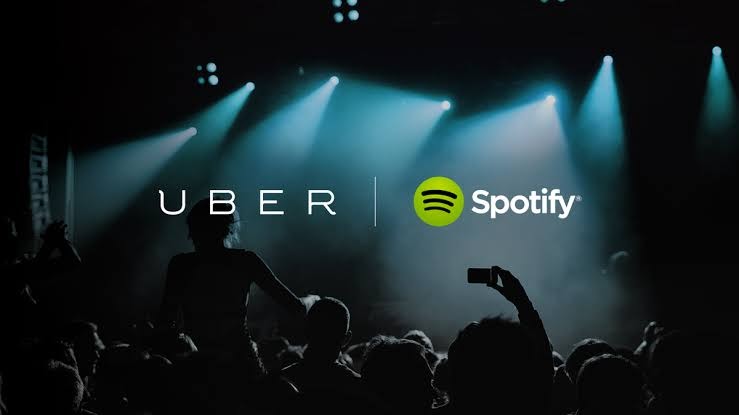
Discover effective strategies for cross-promoting your products and services to boost visibility and drive sales. Maximize your marketing efforts today!

Discover the star-studded lineup of the Booking.com 2026 commercial. Find out who makes an appearance and what to expect from this exciting campaign.

Discover the captivating background song featured in Expedia's "Made to Travel" commercial. Uncover the artist and track that enhances your travel inspiration.
Discover the artist behind the captivating Alaska Airlines 2026 campaign ad. Uncover the voice that brings the ad to life and its significance.
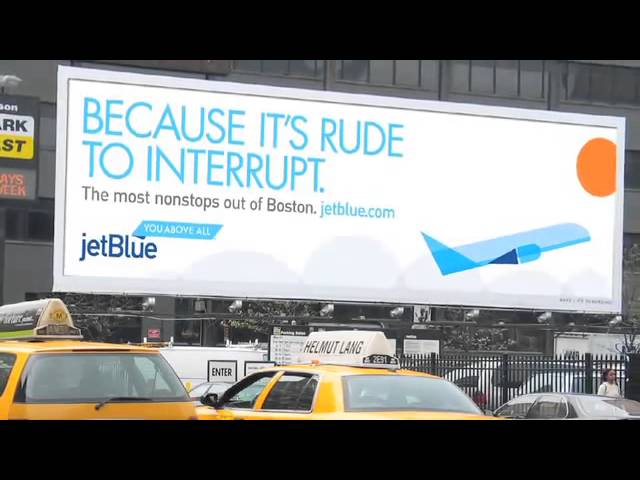
Discover the meaning behind JetBlue's "You Above All" commercial. Explore its themes of customer care and connection that set JetBlue apart in the airline industry.