

In a world where consumers are bombarded with thousands of advertising messages daily, the ads that break through are rarely the ones with the most features or the lowest prices. They're the ones that make usfeel. Emotion is the shortcut past the brain's filters, the key to memory formation, and the bridge between attention and action.
This comprehensive guide explores the science and strategy behind emotional advertising—why it works, how to use it, and which emotions drive results. You'll learn how to create campaigns that don't just inform, but move people, complete withYouTube examplesto see the theory in action.
Why Emotion Beats Logic
For decades, marketers believed consumers made rational decisions based on features, benefits, and price. Neuroscience has proven otherwise.
The Brain on Emotion
| Limbic system | Emotion, memory, social bonding | Drives 95% of decisions |
| Neocortex | Logic, language, analysis | Justifies decisions after they're made |
| Reticular activating system | Attention filter | Prioritizes emotional stimuli |
When an ad triggers emotion, it:
-
Gets noticed(the brain prioritizes emotional content)
-
Gets remembered(emotion strengthens memory encoding)
-
Gets shared(people share feelings, not facts)
-
Gets acted upon(emotion drives action)
The Data on Emotional Advertising
| Emotional adsoutperform rational ads by 2:1 | Feeling beats thinking |
| Emotionally connected customershave 306% higher lifetime value | Emotional bonds drive loyalty |
| Ads with emotional contentare shared 2× more | Emotion fuels virality |
| 31% of ad effectivenesscomes from emotional response | Logic alone isn't enough |
Watch the Tutorial: The Neuroscience of Emotional Advertising
Learn why emotion is the most powerful force in marketing.
-
Watch here:
 Watch YouTube video
Part 1: The Emotional Spectrum—Which Emotions Drive Action
Not all emotions are created equal. Some drive action; others don't.
High-Arousal vs. Low-Arousal Emotions
| Awe | Contentment |
| Excitement | Calm |
| Anger | Melancholy |
| Fear | Nostalgia (mild) |
| Joy | Serenity |
| Surprise | Satisfaction |
Emotions That Convert
| Joy/Delight | Positive association; people share happiness | Consumer goods, experiences, entertainment |
| Awe | Overwhelming positive emotion; creates wonder | Technology, travel, achievement |
| Hope | Aspirational; belief in possibility | Fitness, education, personal development |
| Fear | Urgency; avoidance of negative outcomes | Security, health, insurance |
| Anger | Mobilization; desire for change | Social causes, challenger brands |
| Nostalgia | Connection to positive memories | Legacy brands, family-oriented products |
| Trust | Reduced risk; safety | Financial services, healthcare, B2B |
| Curiosity | Information gap drives engagement | Content, entertainment, education |
The Emotion-Action Map
| Joy | Share, engage, repeat |
| Fear | Buy protection, take precaution |
| Anger | Support movement, switch brands |
| Hope | Invest in self, try something new |
| Awe | Aspire, dream, pursue |
| Nostalgia | Reconnect, revisit, purchase memories |
Watch the Tutorial: Choosing the Right Emotion for Your Brand
Learn how to select emotions that align with your product and audience.
-
Watch here:
Watch YouTube video

Part 2: Joy—The Universal Connector
Joy is the most shareable emotion. When you make someone happy, they want to spread that happiness.
Why Joy Works
| Positive association | Joy transfers to your brand |
| Social currency | People share joy to make others happy |
| Memory encoding | Positive emotions are remembered |
| Repeated exposure | People seek out content that makes them happy |
Joyful Advertising Examples
Coca-Cola "Happiness Machine" (2010)
A vending machine that dispenses more than soda—flowers, pizza, sandwiches—delivering unexpected joy to college students. The ad became one of the most viral brand videos of its era because it made people smile.
-
Watch here:
Watch YouTube video

John Lewis Christmas Ads (UK)
Year after year, John Lewis creates holiday ads that deliver emotional joy—from a boy waiting impatiently for Christmas to a penguin finding love. The joy becomes an annual tradition audiences anticipate.
-
Watch here:
Watch YouTube video

How to Use Joy
| Unexpected delight | Surprise moments, hidden extras |
| Humor | Wit, relatability, surprise |
| Celebration | Milestones, achievements, shared moments |
| Playfulness | Whimsy, imagination, fun |
| Connection | Relationships, reunions, belonging |
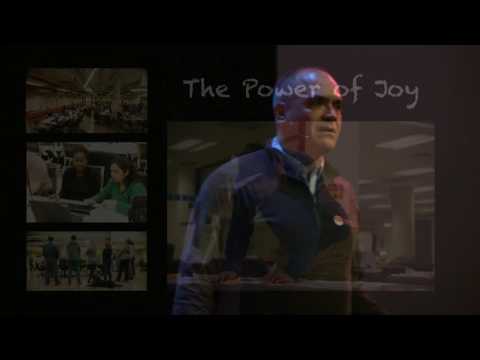
Watch the Example: The Power of Joy in Advertising
-
Watch here:
Watch YouTube video
Part 3: Awe—The Wonder Effect
Awe is the emotion we feel when we encounter something vast, beautiful, or extraordinary. It makes us feel small in the best way—connected to something larger than ourselves.
Why Awe Works
| Stops scrolling | Awe-inspiring visuals demand attention |
| Creates wonder | Leaves a lasting impression |
| Elevates brand | Associates brand with greatness |
| Generates word-of-mouth | People share what amazed them |
Awe-Inspiring Advertising Examples
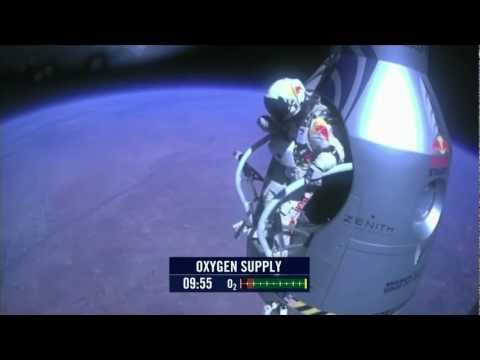
Red Bull Stratos (2012)
Felix Baumgartner's jump from the edge of space wasn't just an ad—it was a global event. 8 million people watched live, experiencing awe together. The brand became synonymous with pushing human limits.
-
Watch here:
Watch YouTube video
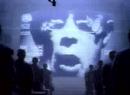
Apple "1984" (1984)
The scale, the dystopian vision, the defiance—the ad inspired awe by positioning Apple as the liberator against monolithic conformity. It's still discussed 40 years later.
-
Watch here:
Watch YouTube video
How to Use Awe
| Scale | Show something vast (landscapes, crowds, achievements) |
| Beauty | Stunning visuals, cinematography |
| Human achievement | Extraordinary feats, breakthroughs |
| Nature | Natural wonders, wildlife, landscapes |
| Technology | Innovation, complexity, elegance |
Watch the Example: Creating Awe in Advertising
Part 4: Fear—The Urgency Driver
Fear is one of the most powerful emotions in advertising. When we perceive a threat, our brain's survival instinct kicks in, demanding action.
Why Fear Works
| Immediate attention | Threat detection is the brain's highest priority |
| Urgent action | Fear creates a "must act now" response |
| Memory formation | Fearful memories are encoded deeply |
| Risk aversion | People pay to avoid negative outcomes |
The Fear-Efficacy Balance
Fear alone isn't enough. Effective fear-based advertising balances:
| Threat | Creates awareness of the problem |
| Severity | Shows consequences of inaction |
| Susceptibility | Makes it personal ("this could happen to you") |
| Efficacy | Shows your product prevents the threat |
| Self-efficacy | Makes the solution feel achievable |
Fear-Based Advertising Examples
Truth Campaign "Body Bags" (2000)
The Truth campaign used fear—piling body bags outside tobacco company headquarters—to make the consequences of smoking visceral and undeniable. The campaign contributed to significant declines in youth smoking.
Life Alert "I've Fallen and I Can't Get Up" (1980s-present)
The ad taps into a fundamental fear: being alone in an emergency. The fear has made the brand memorable for decades.
How to Use Fear Responsibly
| Show the problem honestly | Exploit vulnerability |
| Provide a clear solution | Create fear without resolution |
| Respect the audience | Manipulate with false threats |
| Balance with hope | Overwhelm with despair |
Watch the Tutorial: Using Fear in Advertising
Learn how to balance threat and efficacy.
Part 5: Nostalgia—The Memory Connection
Nostalgia is a powerful emotional shortcut. It connects your brand to positive memories, creating an instant bond.
Why Nostalgia Works
| Instant familiarity | Recognizable elements bypass skepticism |
| Positive association | Connects brand to happy memories |
| Shared experience | Creates connection across generations |
| Comfort | Familiarity reduces perceived risk |
Nostalgic Advertising Examples
Stranger Things Marketing (2016-present)
The show itself is built on 1980s nostalgia, but its marketing—from Eggo waffles to retro posters—extends the feeling into a cultural phenomenon.
-
Watch here:
Watch YouTube video

Pepsi "The Joy of Cola" (2023)
Pepsi revived classic 1990s visual elements and music, tapping into millennial nostalgia. The campaign generated significant engagement from adults who grew up with the brand.
How to Use Nostalgia
| Era-specific aesthetics | Visual styles from a particular time |
| Throwback packaging | Limited edition retro designs |
| Cultural touchpoints | Music, movies, events from shared past |
| Brand heritage | Your own brand's history |
| Shared experiences | Moments generations share |
Watch the Example: Nostalgia in Advertising
Part 6: Hope—The Aspirational Engine
Hope is the belief that things can get better. It's the emotion that drives self-improvement, investment, and action toward a better future.
Why Hope Works
| Aspiration | People want to become their ideal selves |
| Optimism | Positive future orientation |
| Motivation | Hope drives action toward goals |
| Brand loyalty | Brands that enable hope earn devotion |
Hope-Based Advertising Examples
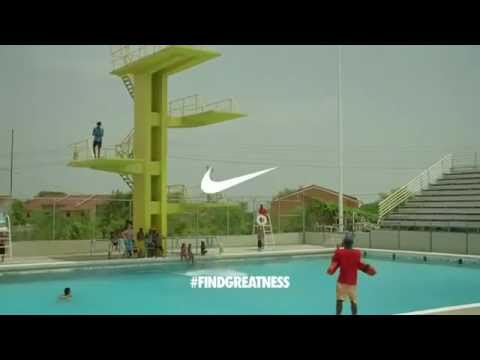
Nike "Find Your Greatness" (2012)
Instead of featuring elite athletes, Nike showed ordinary people finding their own greatness. The ad inspired hope that anyone can achieve.
-
Watch here:
Watch YouTube video
Always "Like a Girl" (2014)
The ad reframed a phrase that had become an insult, showing girls that doing something "like a girl" was something to be proud of. It gave hope to young women and their families.
-
Watch here:
Watch YouTube video

How to Use Hope
| Before/after | Show transformation possible |
| Role models | People who achieved what others aspire to |
| Possibility | Show what's possible with effort or product |
| Progress | Celebrate small wins on the journey |
| Future vision | Paint a picture of a better tomorrow |
Watch the Example: Hope in Advertising
Part 7: Anger—The Mobilizing Force
Anger is the emotion of injustice. When people are angry, they want to act—to change things, to fight back, to align with the righteous side.
Why Anger Works
| Mobilization | Anger demands action |
| In-group bonding | Shared anger creates community |
| Moral clarity | Right vs. wrong narratives are compelling |
| Word-of-mouth | People share what makes them angry |
Anger-Based Advertising Examples
Dove "Real Beauty Sketches" (2013)
While the ad evoked sadness and hope, the underlying anger at how women perceive themselves—and how society shapes that perception—gave the campaign its power.
-
Watch here:
Watch YouTube video

Patagonia "The President Stole Your Land" (2017)
Patagonia's homepage went black with the message "The President Stole Your Land." The anger was authentic to the brand's values and mobilized their audience.
-
Watch here:
Watch YouTube video

How to Use Anger Responsibly
| Align with genuine brand values | Manufacture outrage for attention |
| Offer a constructive outlet | Leave anger without resolution |
| Be authentic | Exploit real issues for commercial gain |
| Provide hope alongside anger | Let anger be the only emotion |
Watch the Tutorial: Using Anger in Advertising
Learn how to harness anger for good.
Part 8: Emotional Storytelling Frameworks
Emotion is most powerful when embedded in story. These storytelling structures consistently drive emotional response.
The Hero's Journey
| Ordinary World | Relatability, comfort |
| Call to Adventure | Curiosity, hope |
| Refusal | Doubt, hesitation |
| Meeting the Mentor | Trust, hope |
| Crossing the Threshold | Commitment, excitement |
| Tests and Allies | Tension, connection |
| Approach | Anticipation |
| Ordeal | Fear, suspense |
| Reward | Joy, relief |
| Return | Satisfaction, inspiration |
Application:Position your customer as the hero; your brand as the guide.
The Problem-Agitation-Solution (PAS)
| Problem | Recognition, discomfort |
| Agitation | Fear, frustration, urgency |
| Solution | Relief, hope, satisfaction |
Application:Ideal for direct response advertising.
The Emotional Arc
| Setup | Relatability, connection |
| Conflict | Tension, concern, fear |
| Climax | Catharsis, joy, relief |
| Resolution | Satisfaction, hope, inspiration |
Application:Story-driven brand advertising.
Watch the Tutorial: Emotional Storytelling Frameworks
Learn how to structure stories that move people.
-
Watch here:
Watch YouTube video

Part 9: The Visual Language of Emotion
Visuals communicate emotion faster than words. Understanding visual emotional cues helps you design ads that hit the right feeling.
Color and Emotion
| Red | Excitement, urgency, passion, danger |
| Blue | Trust, calm, security, professionalism |
| Green | Growth, health, nature, hope |
| Yellow | Optimism, warmth, energy |
| Orange | Enthusiasm, affordability, fun |
| Purple | Luxury, creativity, wisdom |
| Black | Sophistication, power, elegance |
| White | Purity, simplicity, cleanliness |
Faces and Emotion
| Smile | Joy, warmth, trust |
| Direct gaze | Connection, intimacy |
| Averted gaze | Vulnerability, reflection |
| Tears | Sadness, relief, joy |
| Furrowed brow | Concern, determination |
| Wide eyes | Surprise, awe, fear |
Composition and Emotion
| Close-up | Intimacy, intensity |
| Wide shot | Scale, awe, isolation |
| Warm light | Comfort, nostalgia, hope |
| Cool light | Distance, tension, melancholy |
| Movement | Energy, excitement, urgency |
| Stillness | Calm, tension, reflection |
Watch the Tutorial: Visual Emotional Cues
Learn how to design for emotional impact.
Part 10: Measuring Emotional Impact
You can measure emotion—and you should. These tools and metrics help you understand whether your advertising is connecting emotionally.
Emotional Measurement Tools
| Facial coding | Micro-expressions during ad viewing |
| Eye tracking | Visual attention and emotional hotspots |
| EEG/Neurological | Brain activity during emotional response |
| Biometric | Heart rate, skin conductance, arousal |
| Surveys | Self-reported emotional response |
| Social listening | Emotional language in shares and comments |
Emotional Metrics
| Engagement rate | Emotional resonance drives interaction |
| Share rate | High-arousal emotions drive sharing |
| Sentiment score | Positive vs. negative emotional response |
| Comment analysis | Specific emotions mentioned |
| Brand lift | Emotional connection drives brand metrics |
The Emotional ROI
| Purchase intent | 2× higher for emotionally connected |
| Brand loyalty | 3× higher retention |
| Willingness to pay | 20% premium for emotionally connected brands |
| Word-of-mouth | 4× more recommendations |
Watch the Tutorial: Measuring Emotional Impact
Learn how to quantify emotional response.
Part 11: Common Emotional Advertising Mistakes
| Manufactured emotion | Feels inauthentic, manipulative | Root emotion in genuine brand truth |
| Emotion without substance | Forgettable after the feeling fades | Connect emotion to brand value |
| Wrong emotion for category | Mismatch creates cognitive dissonance | Align emotion with product context |
| Overwhelming negative | Avoidance, not action | Balance with hope, efficacy |
| No clear takeaway | People remember feeling, not brand | Ensure brand is hero of emotion |
| Cultural disconnect | Emotion doesn't translate | Test across audiences |
| Forgetting the product | Emotional ad with no purchase link | Connect emotion to product benefit |
Summary Checklist: Emotional Advertising
Strategy
-
Identify primary emotion for campaign (joy, awe, fear, hope, nostalgia, anger)
-
Ensure emotion aligns with brand values
-
Map emotion to customer journey stage
-
Balance emotion with rational support
Creative
-
Use visual language that supports the emotion
-
Choose music that reinforces the feeling
-
Structure narrative for emotional arc
-
Show, don't tell—demonstrate emotion
-
Include clear brand connection
Execution
-
Hook in first 3 seconds
-
Build emotional intensity over time
-
Provide resolution (don't leave negative emotions unresolved)
-
End with clear takeaway
Measurement
-
Track engagement, shares, sentiment
-
Use emotional measurement tools when possible
-
Test emotional response before scale
-
Measure brand lift, not just ad recall
Authenticity
-
Root emotion in genuine brand truth
-
Avoid manipulation or exploitation
-
Balance emotional appeal with honest product representation
-
Consider cultural context
Conclusion: Feelings Are the Foundation
For decades, advertisers believed they needed to convince consumers with facts, features, and rational arguments. Neuroscience has revealed the truth: people make decisions emotionally and justify them rationally.
The most effective advertising doesn't just inform—it moves. It makes people feel something. Joy that spreads, awe that inspires, hope that motivates, nostalgia that connects. These feelings become attached to your brand, influencing decisions long after the facts have faded.
Emotional advertising isn't manipulation. It's connection. It's recognizing that your customers are human beings with hopes, fears, memories, and dreams. When you speak to those, you're not just selling—you're building relationships.
Start where you are. What emotion does your brand authentically own? What feeling do you want people to associate with you? Create from that truth. Because in the end, people don't remember what you said. They remember how you made them feel.
Discover the full cast of the X Town Square ad, featuring diverse talents and engaging performances that bring the campaign to life. Explore now!
Discover the catchy song featured in the HP Work from Anywhere commercial. Uncover the artist and lyrics that make this ad memorable and engaging.
Discover effective strategies for conducting market research to enhance your campaigns. Learn how to gather insights that drive successful marketing decisions.

Discover effective strategies to optimize your landing pages and boost conversions. Learn key techniques to enhance user experience and drive results.

Discover how to build trust with your audience through effective advertising strategies that resonate and engage. Elevate your brand's credibility today.

Learn how to harness customer data to create personalized ads that resonate. Drive better results and improve your marketing strategy with our expert tips.
Discover the secrets to crafting viral advertisements that captivate audiences and boost engagement. Unlock your brand's potential today!

Discover essential steps to create a winning marketing plan that drives results. Learn strategies, tools, and tips to elevate your business success.

Discover the stars of the SharkNinja vacuum commercial and learn more about their roles and impact in this engaging advertisement.

Discover the captivating background song featured in the Dyson vacuum cleaner commercial. Uncover the artist and track that enhances this innovative ad.
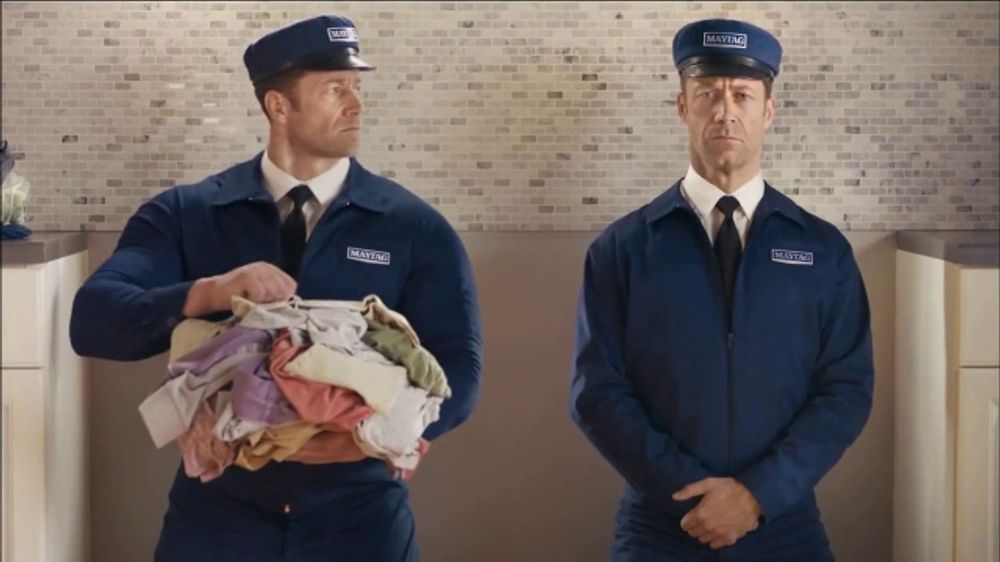
Discover the voice behind the Maytag "Man vs Machine" ad. Uncover the artist and the story behind this memorable commercial that captivates audiences.