

In an era of deepfakes, AI-generated content, and increasing consumer skepticism, trust has become the most valuable currency in advertising. It's no longer enough to capture attention or drive clicks—you must earn belief. Without trust, even the most creative campaigns fall flat. With it, your advertising becomes not just tolerated but welcomed.
This comprehensive guide explores how to build genuine trust with your audience through advertising—from foundational principles to practical execution, complete withYouTube tutorialsto help you implement trust-building strategies in your campaigns.
Why Trust Matters Now More Than Ever
The advertising landscape has fundamentally shifted. Consumers are more skeptical, more informed, and more empowered than ever before.
The Trust Crisis
| Only 30% of peopletrust most brands | The majority are skeptical by default |
| 81% of consumerssay trust is a deciding factor in purchase decisions | Trust directly impacts revenue |
| 63% of consumerswill stop buying from brands they distrust | Trust erosion has immediate consequences |
| 90% of consumersare influenced by positive reviews | Social proof signals trust |
| Gen Zis the most skeptical generation yet | Trust gap is widening, not narrowing |
The Trust Dividend
| Lower acquisition costs | Trust reduces friction in purchase decisions |
| Higher customer lifetime value | Trusted customers buy more, longer |
| Premium pricing | Trusted brands command higher prices |
| Crisis resilience | Trust acts as a buffer during mistakes |
| Word-of-mouth | Trusted brands are recommended more often |
Watch the Tutorial: Why Trust Is the New Currency in Advertising
Learn why trust matters and how it impacts your bottom line.
-
Watch here:
 Watch YouTube video

Part 1: The Four Pillars of Trust
Trust isn't a single attribute—it's built on four interconnected pillars. Effective trust-building advertising addresses all four.
The Trust Framework
| Competence | You can deliver what you promise | Show expertise, results, credentials |
| Reliability | You consistently deliver as expected | Consistent messaging, dependable experience |
| Integrity | You are honest and ethical | Transparency, clear policies, owning mistakes |
| Benevolence | You care about customers, not just profits | Customer-first messaging, values alignment |
The Trust-Building Pyramid
text
┌─────────────────┐ │ Benevolence │ ← "You care about me" ├─────────────────┤ │ Integrity │ ← "You are honest" ├─────────────────┤ │ Reliability │ ← "You do what you say" ├─────────────────┤ │ Competence │ ← "You can do it" └─────────────────┘Each layer builds on the one below. Without competence, reliability doesn't matter. Without integrity, benevolence feels manipulative.
Watch the Tutorial: The Four Pillars of Brand Trust
Learn how to build trust from the foundation up.
-
Watch here:
Watch YouTube video
Part 2: Demonstrate Competence Through Your Ads
Competence is the foundation of trust. Your audience needs to believe you can actually deliver what you promise.
Ways to Signal Competence
| Credentials and expertise | Show qualifications, certifications, experience | "Over 20 years in business," "Board-certified" |
| Results and case studies | Demonstrate proven outcomes | "Helped 10,000+ customers achieve [result]" |
| Quality production | Professional execution signals capability | Clean design, clear communication |
| Product demonstrations | Show, don't just tell | Before/after, how-it-works videos |
| Industry recognition | Third-party validation | Awards, certifications, media mentions |
| Data and research | Evidence-based claims | "Backed by 15 years of research" |
The Competence-Competence Trap
Avoid over-claiming. Claims that sound too good to be true trigger skepticism, not trust.
| "We're the best in the world" | "Trusted by 50,000+ customers" |
| "Guaranteed results overnight" | "Most customers see results within 4 weeks" |
| "Revolutionary breakthrough" | "New approach backed by [specific research]" |
Watch the Example: Volvo "The Epic Split"
Volvo demonstrated competence not by claiming safety, but by showing it—a precision split between two trucks by Jean-Claude Van Damme. The ad didn't say "we're stable"—it proved it.
-
Watch here:
Watch YouTube video

Part 3: Build Reliability Through Consistency
Reliability is trust built over time. Your audience needs to know what to expect from you—and that you'll deliver it consistently.
Consistency in Advertising
| Brand voice | Recognizable personality builds familiarity |
| Visual identity | Consistent colors, fonts, imagery signal stability |
| Messaging | Core value proposition remains constant |
| Quality | Every ad meets the same standard |
| Presence | You show up consistently over time |
The Frequency-Trust Connection
| 1-2 exposures | Initial awareness, neutral |
| 3-5 exposures | Growing familiarity, trust begins |
| 6-10 exposures | Established presence, trust solidifies |
| 10+ exposures | Trusted brand, reduced skepticism |
Consistency Across Channels
| TV/Video | Visual style, music, tone |
| Social media | Voice, posting cadence, response style |
| Design, frequency, personalization | |
| Website | Layout, navigation, messaging |
| In-person | Experience, service, follow-through |
Watch the Example: Apple's Decades of Consistency
Apple's advertising has evolved, but the core elements—clean design, product focus, emotional resonance—have remained consistent for over 40 years. The consistency builds trust that each new product will deliver the expected experience.
Part 4: Demonstrate Integrity Through Transparency
Integrity is earned through honesty. In an age of skepticism, transparency is a competitive advantage.
Transparency in Advertising
| Pricing | All costs upfront, no hidden fees |
| Claims | Specific, verifiable, not exaggerated |
| Limitations | What the product doesn't do, who it's not for |
| Sourcing | Where products come from, how they're made |
| Data use | What data you collect, how it's used |
| Reviews | Show both positive and negative (when appropriate) |
The Transparency Paradox
Paradoxically, admitting limitations can increase trust. When you're honest about what you're not, people believe you more about what you are.
| "Perfect for everyone" | "Best for small businesses; enterprise features limited" | High |
| "Guaranteed results" | "Results vary; most customers see improvement in 30 days" | High |
| "100% natural" | "Made with natural ingredients; packaging is recycled plastic" | High |
| No pricing shown | Clear pricing with all fees disclosed | High |
Authenticity Signals
| Real people, not actors | "We're not hiding behind production" |
| Unscripted moments | "This is who we really are" |
| Customer voices | "We don't control the message" |
| Behind-the-scenes | "We have nothing to hide" |
| Admitting mistakes | "We're honest, even when it's uncomfortable" |
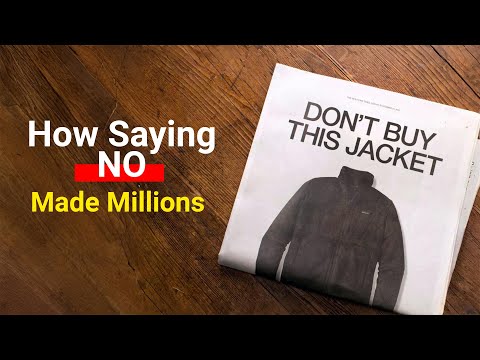
Watch the Example: Patagonia "Don't Buy This Jacket"
On Black Friday, Patagonia ran an ad telling people not to buy their product. The transparency about consumption's environmental impact—even at the cost of short-term sales—cemented their integrity.
-
Watch here:
Watch YouTube video
Part 5: Show Benevolence Through Customer-Centric Advertising
Benevolence is trust built on care. Your audience needs to believe you have their best interests at heart, not just your own.
Benevolence in Advertising
| Educational content | You help without asking for anything in return |
| Problem-first messaging | You focus on their challenges, not your features |
| Customer stories | You celebrate them, not yourself |
| Responsive service | You're there when they need you |
| Values alignment | You stand for something beyond profit |
| Long-term focus | You care about their success, not just this sale |
The Benevolence Test
Ask yourself: Would this ad be valuable even if the viewer never buys? If yes, you're demonstrating benevolence. If the only purpose is to sell, you're not.
| "Our product is the best" | "Here's how to solve [problem]" |
| "Limited time offer—buy now" | "Resources to help you decide" |
| "We've sold 1 million units" | "What our customers achieved" |
| "Our story" | "Your story" |
Purpose-Driven Advertising
| Dove | Real beauty, self-esteem | Features real women, not models |
| Patagonia | Environmental protection | Advocates for conservation, even against sales |
| TOMS | Giving back | One for One model is central to messaging |
| REI | Outdoor stewardship | #OptOutside campaign closes stores on Black Friday |
Watch the Example: Dove "Real Beauty Sketches"
Dove's ad didn't sell soap—it addressed women's self-perception. The care for the audience's well-being, not just product sales, demonstrated genuine benevolence.
-
Watch here:
Watch YouTube video

Part 6: Leverage Social Proof Effectively
Social proof is one of the most powerful trust-building tools. People trust what other people say far more than what brands say about themselves.
Types of Social Proof
| Customer reviews | Real experiences from real people | Very high |
| Testimonials | Detailed success stories | High |
| Case studies | Documented results | Very high |
| User counts | "Join 10,000+ customers" | Moderate |
| Expert endorsements | Third-party authority | High |
| Media mentions | Press coverage | Moderate |
| Awards | Industry recognition | Moderate |
| Influencer partnerships | Trusted voices | Varies by authenticity |
Authentic Testimonials vs. Scripted Endorsements
| Specific, detailed | Generic praise |
| Mentions both pros and cons | Only positive |
| Sounds like a real person | Sounds like marketing copy |
| Includes context (problem, solution, result) | Just the result |
| Customer's words, not yours | Brand's words, customer's face |
The Power of Verified Reviews
| Verified purchase badge | +15% trust |
| Specific details | +25% trust |
| Photo/video | +30% trust |
| Response to negative reviews | +20% trust (shows you care) |
Watch the Example: Airbnb "Live There" Campaign
Airbnb's campaign featured real hosts and guests sharing authentic experiences. The social proof wasn't scripted—it was the community's voice.
Part 7: Handle Mistakes Transparently
Trust isn't built in perfect moments—it's forged in how you handle imperfection. How you respond to mistakes can strengthen or destroy trust.
The Trust-Building Response to Mistakes
| Acknowledge | "We made a mistake" (not "mistakes were made") |
| Explain | What happened, without excuses |
| Apologize | Genuine, specific apology |
| Remediate | What you're doing to fix it |
| Prevent | What you're doing to ensure it doesn't happen again |
| Follow through | Actually do what you said you would |
Advertising Mistakes to Avoid
| Overpromising | Broken promises destroy credibility |
| Hidden fees | Feels like deception |
| Fake reviews | Catastrophic when discovered |
| Misleading claims | Erodes all credibility |
| Ignoring complaints | Shows you don't care |
| Defensiveness | Signals guilt or arrogance |
The Apology Ad
Some brands have turned mistakes into trust-building moments by owning them publicly:
Example:When KFC ran out of chicken in the UK, they ran a full-page ad with the letters "FCK" rearranged to spell "FKC"—an apology that was honest, humorous, and human.
Watch the Tutorial: Crisis Communication and Trust Recovery
Learn how to handle mistakes without losing audience trust.
-
Watch here:
Watch YouTube video

Part 8: Balance Personalization with Privacy
Personalization builds trust when done right—and destroys it when done wrong.
The Personalization-Privacy Balance
| Helpful personalization | "You might also like..." based on past purchases | Positive |
| Creepy personalization | "We know you were at [location] yesterday" | Negative |
| Respectful reminders | Cart abandonment with clear value | Neutral to positive |
| Intrusive targeting | Following you across the web after one visit | Negative |
Privacy-First Personalization
| Clear consent | Ask before collecting; explain why |
| Easy opt-out | Make it simple to say no |
| Data transparency | Show what you have; let users correct it |
| Value exchange | Give something in return for data |
| On-device processing | Personalize without sending data to servers |
The Trust-Building Privacy Statement
| What | What data you collect |
| Why | Why you collect it (how it benefits the user) |
| How | How you use and protect it |
| Controls | How users can manage their data |
| Contact | Who to reach with questions |
Watch the Tutorial: Trustworthy Personalization
Learn how to personalize without crossing privacy boundaries.
-
Watch here:
Watch YouTube video

Part 9: Use Authentic Creators and Influencers
Influencer marketing can build trust—or undermine it. The key is authenticity.
Authentic vs. Transactional Influencer Partnerships
| Creator already uses/loves product | First time hearing about it |
| Honest about pros and cons | Only positive |
| Integration fits their content | Forced, scripted |
| Long-term relationship | One-off post |
| Clear disclosure | Hidden or unclear sponsorship |
The Trust-Building Influencer Checklist
| Does this creator genuinely align with our brand? | Authenticity starts with fit |
| Have they used our product before? | First-hand experience is credible |
| Are we giving them creative freedom? | Their voice is what followers trust |
| Are we disclosing the partnership clearly? | Transparency builds trust |
| Are we measuring beyond vanity metrics? | Engagement, sentiment, trust signals |
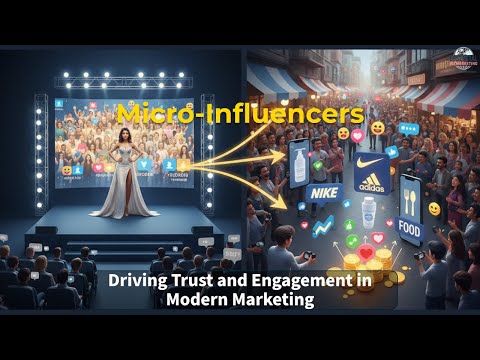
Watch the Example: Micro-Influencer Authenticity
Smaller creators with loyal, engaged followings often build more trust than mega-influencers with massive but passive audiences.
-
Watch here:
Watch YouTube video
Part 10: Build Trust Through Visual Authenticity
What your ads look like signals what you stand for. Polished perfection can sometimes feel less trustworthy than genuine imperfection.
Visual Authenticity Signals
| Professional models | Real customers |
| Perfect lighting | Natural environments |
| Scripted dialogue | Real conversations |
| Studio backgrounds | Real locations |
| Perfect symmetry | Candid moments |
The Authenticity Spectrum
| High production | Studio, perfect lighting, models | Competence, professionalism |
| Mid production | Controlled but natural, real people | Balanced |
| Low production | User-generated style, real moments | Authenticity, relatability |
The right balance depends on your brand. Luxury brands may need polish to signal quality. DTC brands often win with authenticity.
Watch the Example: Liquid Death's Unpolished Aesthetic
Liquid Death's ads look like punk-rock videos, not polished commercials. The rawness signals authenticity and builds trust with their audience.
Part 11: Measure Trust—Not Just Performance
Trust can be measured. Track these indicators to understand whether your advertising is building or eroding trust.
Trust Metrics
| Brand sentiment | Positive vs. negative mentions | Social listening, surveys |
| Net Promoter Score (NPS) | Likelihood to recommend | Post-purchase surveys |
| Review ratings | Aggregate customer satisfaction | Review platforms |
| Repeat purchase rate | Behavioral trust indicator | CRM, analytics |
| Customer churn | Trust erosion indicator | CRM |
| Ad feedback | "Hide ad" vs. engagement | Platform reporting |
| Organic share of voice | Earned mentions | Social listening |
The Trust Scorecard
| Competence | Customer satisfaction | 4.5/5 |
| Reliability | On-time delivery rate | 98% |
| Integrity | Trustpilot rating | 4.5+ |
| Benevolence | NPS | 50+ |
Watch the Tutorial: Measuring Brand Trust
Learn how to quantify trust and track it over time.
Part 12: Common Trust-Building Mistakes
| Overpromising | Broken promises destroy credibility | Set realistic expectations |
| Inconsistent messaging | Feels unreliable | Maintain consistent voice |
| Ignoring negative feedback | Signals you don't care | Respond thoughtfully |
| Hidden policies | Feels like you have something to hide | Be transparent upfront |
| Generic responses | Feels robotic, uncaring | Personalize when possible |
| Defensive communication | Signals guilt | Own mistakes humbly |
| Forced authenticity | Audiences can tell | Be genuinely authentic |
Summary Checklist: Building Trust Through Advertising
Competence
-
Show credentials, expertise, results
-
Use case studies and testimonials
-
Demonstrate product capabilities
-
Avoid overclaiming
Reliability
-
Maintain consistent brand voice and visual identity
-
Deliver consistent quality across all ads
-
Show up consistently over time
-
Keep promises made in advertising
Integrity
-
Be transparent about pricing, limitations, sourcing
-
Use specific, verifiable claims
-
Show both positive and negative reviews (when appropriate)
-
Admit mistakes openly when they happen
Benevolence
-
Focus on customer problems, not just your features
-
Provide value without immediate ask
-
Celebrate customer success
-
Align with values beyond profit
Social Proof
-
Feature real customer reviews and testimonials
-
Show verified purchase badges
-
Include photos and video in reviews
-
Respond thoughtfully to all reviews
Privacy
-
Obtain clear consent before collecting data
-
Explain why data is collected
-
Provide easy opt-out options
-
Honor privacy preferences
Authenticity
-
Use real people when appropriate
-
Choose creators who genuinely align with your brand
-
Allow creative freedom in influencer partnerships
-
Disclose partnerships clearly
Measurement
-
Track brand sentiment over time
-
Measure NPS and customer satisfaction
-
Monitor review ratings and feedback
-
Track repeat purchase and churn rates
Conclusion: Trust Is Your Most Valuable Asset
In a world where consumers are bombarded with thousands of advertising messages daily, where AI can generate convincing content at scale, and where skepticism is the default response, trust is the ultimate differentiator.
The brands that win aren't necessarily those with the biggest budgets or the cleverest creative. They're the ones that earn belief—through competence demonstrated, reliability proven, integrity demonstrated, and benevolence shown. They understand that every ad is not just a transaction attempt but a trust-building opportunity.
Trust isn't built overnight. It's built over time, through consistency, through transparency, through caring. But once earned, trust compounds. Trusted customers buy more, stay longer, pay more, and tell others. Trust turns advertising from an expense into an investment.
Start where you are. Audit your current advertising against the four pillars of trust. Where are you strong? Where could you improve? Pick one area—perhaps being more transparent about pricing, featuring real customers, or responding to feedback—and improve it this week.
Because in the end, the most effective advertising doesn't just sell products. It builds relationships. And relationships are built on trust.
Discover the full cast of the X Town Square ad, featuring diverse talents and engaging performances that bring the campaign to life. Explore now!
Discover the catchy song featured in the HP Work from Anywhere commercial. Uncover the artist and lyrics that make this ad memorable and engaging.
Discover effective strategies for conducting market research to enhance your campaigns. Learn how to gather insights that drive successful marketing decisions.

Learn how to harness customer data to create personalized ads that resonate. Drive better results and improve your marketing strategy with our expert tips.
Discover the secrets to crafting viral advertisements that captivate audiences and boost engagement. Unlock your brand's potential today!

Discover essential steps to create a winning marketing plan that drives results. Learn strategies, tools, and tips to elevate your business success.
Discover the stars of the SharkNinja vacuum commercial and learn more about their roles and impact in this engaging advertisement.
Discover the captivating background song featured in the Dyson vacuum cleaner commercial. Uncover the artist and track that enhances this innovative ad.
Discover the voice behind the Maytag "Man vs Machine" ad. Uncover the artist and the story behind this memorable commercial that captivates audiences.
Discover the meaning behind Bosch dishwasher quiet commercials. Explore how they highlight efficiency, innovation, and the brand's commitment to quality.
Discover the actor featured in the GE Appliances kitchen innovation ad. Uncover insights about their role and contributions to this captivating campaign.