
In the late 1980s, the microchip was the hidden vital organ of the computer revolution: essential, but invisible and incomprehensible to the average consumer. It was considered a matter for engineers and enthusiasts, not a component that would define the user experience. Intel, with bold vision and a series of revolutionary advertising campaigns, not only changed this perception but turned silicon into a cultural phenomenon. The famous blue 'Intel Inside' sticker and its five-note jingle became much more than a logo; they became symbols of trust, power, and the promise of the future, achieving something unprecedented: making consumers choose and pay more for a brand of something they couldn't even see.
🧠 Intel's Advertising Philosophy: 'Ingredient Branding' and Building an Icon
Intel didn't invent the microchip, but it invented the way to sell it to the world. Its strategy was based on three disruptive pillars:
Ingredient Branding: Intel broke the mold of traditional B2B marketing. Instead of selling only to computer manufacturers (OEMs), it decided to educate and seduce the end consumer directly. The message was clear: the most important component of your computer is not the brand of the case, but the 'brain' inside, and that brain has a name: Intel. It was as if Coca-Cola decided to promote the taste of its syrup directly to people ordering a drink in a restaurant.
Pop Culture Integration: Intel understood that to be relevant, its technology had to transcend specialized magazines. Its campaigns adopted the language of mass culture: catchy music, humor, lifestyle narratives, and emotional storytelling. The chip ceased to be a technical object to become a symbol of creativity, performance, and freedom.
Emotional Resonance Over Technical Specifications: Rarely was there talk of megahertz or nanometers. Instead, Intel sold sensations and capabilities: the power to create, the speed to win, the freedom to connect. They transformed an engineering datum into a promise of personal empowerment.
🎥 Iconic Campaigns: Building a Legacy
Intel's rise to cultural stardom can be traced through five fundamental campaigns.
1. The 'Red X' Campaign – 1988: The Declaration of War
Strategy: Simple, direct, and combative. The ads showed the number '286' crossed out with a large red X, followed by the shining number '386'. It wasn't just advertising; it was a manifesto.
Impact: For the first time, Intel directly confronted consumers with a clear technological choice. It educated the market about processor generations and sparked a public conversation about "what was inside" their PC. Purchase consideration for the 386 chip skyrocketed from 15% to 66%, proving that direct-to-consumer marketing in technology did work.
YouTube:
2. 'Intel Inside' – 1991: The Birth of a Universal Symbol
Strategy: The genius was twofold: a simple, recognizable blue swirl logo and a five-note jingle (composed by musician Walter Werzowa) that would be etched into collective memory.
Impact: This was the masterstroke of 'ingredient branding'. Intel created a co-marketing program with PC manufacturers, subsidizing part of their advertising in exchange for including the logo and jingle. Overnight, the 'Intel Inside' sticker appeared on millions of computers and in TV ads worldwide. Intel's brand awareness skyrocketed from 24% to 80% in one year. The microchip had achieved its own 'brand status'.
YouTube:
3. The Pentium Launch – 1993: The Emotion of Power
Strategy: With the market already aware of the 'what', Intel moved to sell the 'why'. The Pentium ads, with their slogan "Intel. The Computer Inside.", were cinematic and emotive pieces. They showed scientists, artists, and adventurers using the chip's power to create, discover, and dream.
Impact: Pentium ceased to be a processor to become a luxury brand inside the computer. Intel succeeded in positioning itself as a premium component that consumers were willing to pay more for, definitively separating itself from commoditization and consolidating huge profit margins. It forever associated the name 'Pentium' with high performance.
YouTube:
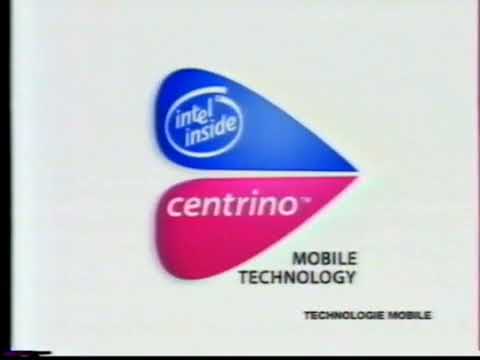
4. Centrino: Mobility as a Lifestyle – 2003
Strategy: Intel anticipated the mobile revolution. Centrino wasn't just a chip; it was a platform for wireless connection. Its campaigns, starring the now-famous Intel engineer "Mooly Eden", showed people working and having fun in cafes, airports, and parks.
Impact: Intel redefined the laptop. It was no longer a portable work tool, but the center of a mobile and connected lifestyle. The company managed to associate its technology not only with power but with an even more powerful value: freedom.
YouTube:
5. 'Intel Visual Life' – 2010: Humanizing Technology
Strategy: To connect with a new generation, Intel collaborated with artists, DJs, and content creators. Campaigns like "The Museum of Me" or "The Beauty Inside" used Intel technology to enhance artistic expression and tell human stories.
Impact: This movement elevated the brand to a higher cultural level. It demonstrated that computing power was not an end in itself, but a catalyst for human creativity. Intel positioned itself not only as a chipmaker but as a facilitator of culture and innovation.
YouTube:

📊 Table: The Journey from Chip to Pop Culture
| Red X | 1988 | Performance superiority, direct confrontation. | Educated the consumer, started the public conversation about chips. |
| Intel Inside | 1991 | 'Ingredient branding' + auditory/visual identity. | Turned the logo into a universal icon, synonymous with quality. |
| Pentium Launch | 1993 | Emotional storytelling, association with creativity and power. | Positioned the chip as a luxury and aspirational product. |
| Centrino | 2003 | Lifestyle branding, focus on mobility and freedom. | Redefined the laptop and associated Intel with modern connected life. |
| Visual Life | 2010 | Artistic collaboration, humanization of technology. | Elevated the brand to a cultural sponsor, connecting with creators. |
⚙️ Expert Analysis: The Mechanisms of Success
Intel's triumph was no accident; it was the result of impeccable execution of innovative marketing principles:
Visibility of the Invisible: The 'Intel Inside' program was an act of brand alchemy. It took a completely opaque product and gave it a visual and sonic identity impossible to ignore. The blue sticker became a quality guarantee for the indecisive consumer.
The Power of Ubiquity: The alliances with OEMs were brilliantly symbiotic. Manufacturers got advertising support, and Intel got its brand to appear at every point of sale and communication, creating an illusion of omnipresence and absolute leadership.
From MHz to Emotions: Intel never sold a transistor. It sold the ability to render a video faster, to play without interruptions, to be connected anywhere. It connected cold technology with warm human desires.
Integration into the Daily Rhythm: The jingle, logo, and slogans became so deeply integrated into pop culture that they transcended advertising. They became part of the media landscape of an era, as recognizable as the logo of a soft drink company.
⚠️ Strengths and Challenges of a Cultural Giant
Strengths:
Built a Wall of Trust: 'Intel Inside' became a purchase heuristic for millions: "If it has Intel, it's good."
Margins and Loyalty: The premium brand status allowed Intel to maintain high prices and retain manufacturers, creating a virtuous circle of investment and innovation.
Enduring Brand Equity: Even today, decades later, the legacy of those campaigns endures in the brand's quality perception.
Challenges and Risks:
Complacency from Success: Dominance of the consumer mind sometimes led to underestimating competitors like AMD, who attacked with better performance at a lower price.
The Simplification Dilemma: The focus on branding sometimes overshadowed the communication of real technical innovations, making it difficult for the average consumer to differentiate between chip generations beyond the name.
Market Evolution: With the arrival of smartphones and tablets, the 'Intel Inside' paradigm (centered on the PC) had to adapt to a world where the chip was no longer the only visible "brain," but part of a less identifiable system-on-a-chip (SoC).
✅ Conclusion: Silicon in the Cultural Olympus
Intel's pop culture campaigns represent one of the brightest achievements in marketing history. They demonstrated that no product is too technical or boring if the right narrative is found. Intel didn't just sell microprocessors; it sold a promise of modernity, trust, and progress.
By making the five-note jingle audible and the blue tag visible, Intel gave a heartbeat and a face to the digital age. Its legacy is proof that in the attention economy, even the most fundamental and hidden components can, with ingenuity and audacity, ascend to the main stage of popular culture and stay there for decades. Intel didn't just put a chip inside computers; it put its name inside the mind of a generation.
Discover how Intel's innovative advertising strategies revolutionized computer marketing, shaping industry trends and consumer perceptions.
Explore the evolution of Intel's advertising strategies and innovations that have shaped the tech industry. Discover key campaigns and their impact.

Explore the visual history of Microsoft Cloud Ads and discover how cloud innovation has transformed the digital landscape. Dive into the evolution today!

Discover how Google Ads can enhance everyday utility for your business. Learn effective strategies to reach your audience and boost engagement today.
Discover how Amazon Ads are transforming shopping experiences, enhancing customer engagement, and driving sales. Explore innovative strategies today.

Discover how Coca-Cola's ads embrace local cultures, creating powerful connections through relatable themes and vibrant storytelling. Explore the impact today!
Explore the iconic Sony PlayStation ads that shaped the console wars, showcasing innovative marketing strategies and unforgettable moments in gaming history.
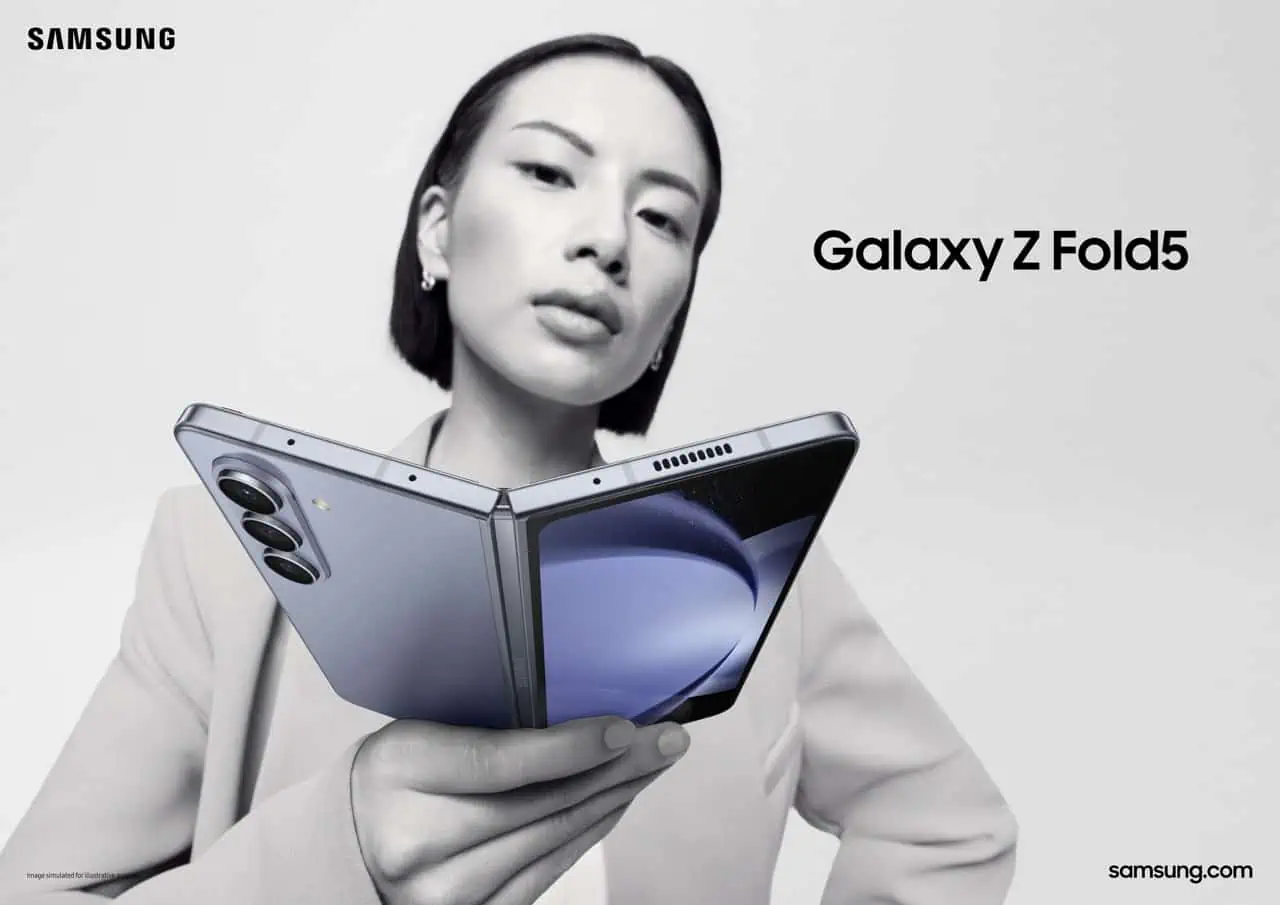
Discover how Samsung Ads showcases the groundbreaking innovation of foldable technology, transforming the way we interact with devices and advertising.

Discover how Apple Ads prioritize accessibility, showcasing innovative features that empower users of all abilities. Explore inclusive marketing strategies today.

Discover the most viral Spotify Wrapped ads that captivated audiences and sparked conversations. Explore the creativity behind these memorable moments.