
In the world of outdoor apparel, 2026 is not defined by a single vision of adventure, but by a profound philosophical schism. On one side stands Patagonia, a brand that has woven environmental activism into its very fabric. On the other stands The North Face, a titan of technical performance and aspirational lifestyle. Their rivalry transcends jackets and backpacks; it is a battle for the soul of the modern explorer, offering two distinct answers to a fundamental question: What does it mean to answer the call of the wild in the 21st century?
This article delves into the core identities, marketing strategies, and cultural impacts of these two industry giants, dissecting how they have come to represent not just gear, but competing worldviews for the outdoor consumer.
The Core Philosophies: Two Definitions of Adventure
Patagonia: Adventure as Stewardship
Patagonia’s mission statement, “We’re in business to save our home planet,” is not a marketing tagline; it is its operational blueprint. For Patagonia, adventure is intrinsically linked to responsibility. The brand posits that you cannot truly love the wild without fighting to protect it. Every product, every campaign, is filtered through this lens. Adventure is framed as a privilege granted by a healthy planet, and their gear is the tool for mindful, low-impact exploration. The emotional hook is purpose: buying Patagonia is an act of alignment with a values-driven community.
The North Face: Adventure as Human Potential
The North Face’s iconic slogan, “Never Stop Exploring,” speaks to boundless human ambition. Adventure, here, is a personal test of limits. It is about peak performance, conquering elements, and the relentless pursuit of the next summit—whether that’s a Himalayan peak or the urban jungle. The brand celebrates the physics of exploration: insulation ratios, waterproof breathability, and lightweight durability. The emotional hook is empowerment: The North Face equips you, technically and stylistically, to push further and look capable doing it.
Marketing Mastery: Contrasting Paths to the Consumer
Patagonia: The Activism-Led Storyteller
Patagonia’s marketing budget is famously lean, often cited as less than 1% of revenue. It doesn’t buy attention; it earns it through conviction.
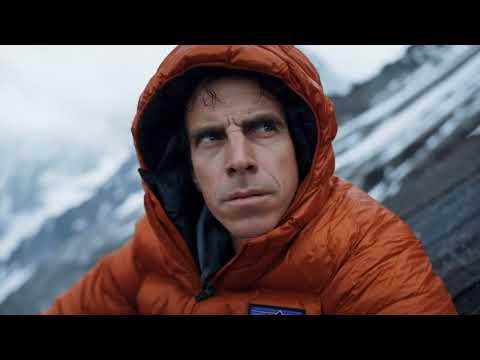
Strategy: Invest in high-impact, documentary-style storytelling that shines a light on environmental crises. Their ads often function as short films about dam removals, regenerative agriculture, or public lands protection.
Channels: A robust, editorial-quality blog (The Cleanest Line), impactful email narratives, and partnerships with grassroots activist groups. Word-of-mouth is their primary amplifier, fueled by a deeply loyal customer base that sees itself as part of a movement.
2026 Campaign Example: Their continued focus isn't on a new jacket, but on the "Right to Repair" movement and the defense of the Arctic National Wildlife Refuge. The product is present, but as a supporting actor to the larger environmental story.
YouTube Link:
The North Face: The Performance-Driven Amplifier
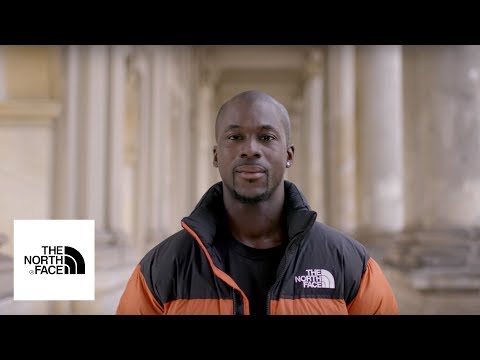
The North Face operates like a global sports brand, investing heavily in paid media, high-profile partnerships, and athlete endorsements.
Strategy: Glossy, high-energy campaigns that blend elite athleticism with accessible aspiration. They feature a roster of world-class climbers, skiers, and mountaineers, but also smartly integrate these performers into urban settings.
Channels: Major TV spots during key sporting events, pervasive digital advertising, strategic collaborations with fashion labels (like Gucci and Supreme), and a powerful presence in both specialty outdoor retailers and mainstream department stores.
2026 Campaign Example: Campaigns likely center on the physiology of extreme cold or the future of urban exploration, showcasing their latest Futurelight or ThermoBall technologies through breathtaking cinematography of athletes in action.
YouTube Link:
Product as Proposition: What You're Really Buying
Patagonia: The Durable, Ethical Tool
Aesthetics: Functional, timeless, and slightly utilitarian. Colors are often earthy. The design screams longevity over trends.
Innovation Focus: Sustainable materials. The highlight is on what it’s made from—100% recycled polyester, traceable down, organic cotton. Their most celebrated "product" is arguably their Worn Wear program, which repairs, resells, and recycles gear, explicitly challenging the consumption cycle.
Consumer Promise: Buy once, buy right, repair forever. You invest in a piece of gear and a set of ethics.
The North Face: The High-Performance Engine
Aesthetics: Technical, sleek, and increasingly fashion-forward. Designs bridge the gap between mountain face and city street with aplomb.
Innovation Focus: Performance engineering. The highlight is on what it can do—its waterproof rating, its warmth-to-weight ratio, its breathability. Innovation is measured in grams shaved and degrees of warmth added.
Consumer Promise: Unmatched technical capability for your specific mission, wrapped in a design that confers status and confidence in any environment
The Expert Analysis: Strengths and Inherent Tensions
Patagonia’s Position:
Strengths: Unassailable authenticity, a cult-like brand loyalty that borders on ideology, leadership in the circular economy. They have successfully made "buying less" a core tenet of their sales pitch.
Risks: The premium pricing (a Micro Puff jacket can approach $300) creates an "ethical luxury" paradox, potentially excluding the very broad coalition needed for the environmental movement they champion. They also constantly walk the tightrope of "greenwashing" accusations, requiring absolute transparency.
The North Face’s Position:
Strengths: Unrivaled technical credibility, mass-market appeal across enthusiasts and fashion consumers, a versatile brand identity that works for both elite alpinists and commuters.
Risks: Can be perceived as diluted or commercial compared to Patagonia’s purity. The embrace of streetwear collaborations, while lucrative, risks alienating core outdoor purists who question the brand's commitment to "real" adventure.
The Consumer's Choice: A Values-Based Decision
For the consumer in 2026, choosing between these brands is less about specs and more about personal identity.
You Buy Patagonia If: You view consumption as a political and ecological act. You are willing to pay a premium for durability and ethical provenance. You want your gear to tell a story about your values. You are part of, or aspire to join, a community of activist-minded outdoorspeople. The Worn Wear ethos resonates deeply with you.
You Buy The North Face If: You prioritize cutting-edge performance technology for specific activities. You want gear that transitions seamlessly from a hike to a café. You are inspired by the imagery of elite athletic achievement. You appreciate a brand that is both a tool for exploration and a badge of adventurous spirit.
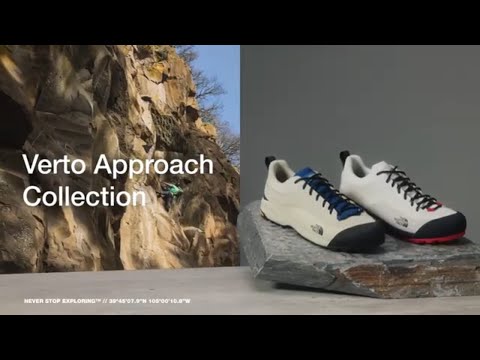
YouTube Resource - The North Face Athlete Focus:
The Cultural Impact and Market Reality
Both strategies are not only viable but thriving, because they tap into different but powerful human drives.
Patagonia has shifted the entire industry’s conversation around sustainability. They have made recycled materials and supply chain transparency a baseline expectation, forcing every competitor, including The North Face, to up their game.
The North Face has democratized and glamorized the outdoor aesthetic, bringing the idea of adventure to millions who may never ice climb but who embrace the exploratory mindset. They have made technical apparel culturally relevant.
The market has room for both because the modern outdoor enthusiast is not a monolith. One consumer might own a Patagonia jacket for their environmental advocacy and a North Face shell for its proven storm performance on a Himalayan expedition. The "rivalry" is less about market share theft and more about a healthy, defining tension that pushes the entire category forward.
Conclusion: Complementary Visions for a Changing World
In 2026, Patagonia and The North Face are not simply selling jackets; they are selling parallel visions for humanity's relationship with the outdoors. Patagonia argues that true adventure requires a planet worth exploring, making the consumer a steward. The North Face argues that true adventure requires pushing human potential, making the consumer a pioneer.
This divide is the industry's greatest strength. It forces consumers to be intentional about what they value most: the ethics of the journey or the performance of the pursuit. In a world facing ecological crisis, Patagonia’s moral imperative feels essential. In a culture yearning for challenge and escape, The North Face’s promise of empowerment remains irresistible. Together, they map the complex, contradictory, and deeply human contours of adventure in the modern age. The trail ahead is wide enough for both philosophies to lead the way.
Explore the impact of Adidas' "Impossible is Nothing" 2026 campaign. Dive into our analysis of its strategies, messaging, and audience engagement.
Discover the best air fryer and smart oven commercials of 2026. Explore innovative features and find the perfect kitchen appliance for your cooking needs.
Discover how Charmin and Scott mascots influence consumer loyalty in the paper goods market. Explore the power of branding in your buying decisions.
Discover eco-friendly cleaning solutions for your home. Embrace green chemistry and protect your family while keeping your space spotless and safe.
Discover the psychology behind the most satisfying laundry ads of 2026. Explore how visuals and emotions drive consumer behavior in this engaging analysis.
Explore the fierce competition between Uber Eats and DoorDash in the delivery market. Discover their strategies, ads, and what sets them apart.
Discover how Zara and H&M revolutionize fast fashion by transforming runway trends into accessible styles, shaping the future of retail and consumer culture.
Explore the seasonal visual ad strategies of Walmart and Target in 2026. Discover how these retail giants engage customers and enhance brand loyalty.