
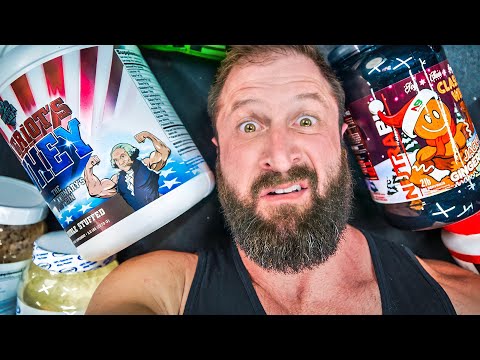
For over half a century, the world of protein powders and supplements was dominated by a singular, hyper-masculine archetype: the Gym Bro. This image, forged in the iron temples of 1970s bodybuilding, portrayed protein as the exclusive fuel for a very specific goal: building Herculean muscle. Marketing was steeped in aggression—packaging featured dark colors, explosive graphics, and slogans that promised "extreme mass" and "brutal strength." The implied consumer was almost exclusively a young man, and the product was presented not as nutrition, but as a chemical tool for physical domination.
Today, that monolithic image has shattered. A profound transformation is reshaping the protein industry, driven by cultural shifts, consumer demand, and a new, holistic understanding of health. Protein has broken out of the weight room and into the mainstream, reinvented as an inclusive, functional, and essential component of modern wellness for everyone. This article explores the death of the "Gym Bro" marketing model and the birth of a new, diverse, and purpose-driven protein landscape.
The Iron Age: How the "Gym Bro" Archetype Was Forged
To understand the scale of the shift, we must first examine the roots of the old paradigm.
Cultural Anchors in Bodybuilding: The rise of figures like Arnold Schwarzenegger and the proliferation of magazines like Flex and Muscle & Fitness created a powerful association. Protein powder was the secret sauce of the elite bodybuilder, a necessary supplement for achieving a superhuman, hyper-masculine physique. It was niche, intimidating, and deeply coded as male.
Aggressive, Exclusionary Branding: Walk into any supplement store circa 2005, and the protein aisle was a visual assault of black tubs with chrome lettering, images of gargantuan biceps, and names like "Nitro-Tech," "Mega Mass," or "Animal Pump." The messaging was clear: this is for serious, hardcore individuals. It deliberately excluded women, older adults, and anyone whose fitness goals weren't centered on maximal hypertrophy.
The "More is More" Philosophy: Marketing focused overwhelmingly on two metrics: grams of protein per scoop and biological value (with whey reigning supreme). The narrative was singular: consume this to get bigger, faster. The subtlety of health, sustainability, or holistic well-being was entirely absent.
The Catalysts of Change: Why the Walls Came Down
Several powerful societal and market forces converged to dismantle this decades-old model.
The Diversification of the Fitness Consumer: The rise of yoga, Pilates, barre, HIIT, running, and home fitness (exponentially accelerated by Peloton and the pandemic) created a massive audience of fitness enthusiasts whose goals were strength, endurance, recovery, and mental well-being, not just size. This audience, disproportionately female, found no reflection in the old "Gym Bro" marketing.
The Plant-Based Revolution: The explosive growth of vegan and vegetarian diets wasn't just an ethical choice; it was a market disruptor. Consumers sought plant proteins (pea, rice, hemp, soy) for reasons of sustainability, digestive health, and allergen avoidance. This forced brands to innovate and, crucially, to market on values like environmental impact and clean sourcing, moving far beyond the old "muscle fuel" pitch.
The Mainstreaming of Wellness: Health is no longer just the absence of disease or the presence of muscle; it's a holistic pursuit encompassing energy, immunity, cognitive function, beauty (like hair, skin, and nails), and longevity. Protein found a new role within this framework. Collagen peptides, for example, are marketed not for bench press gains, but for joint health and glowing skin, capturing a huge female demographic.
The Digital Democratization of Information: Social media and influencers diversified the fitness narrative. On platforms like Instagram and TikTok, female trainers, vegan athletes, and older fitness inspirations showcased their use of protein, normalizing it for every body and every goal. The monopoly of the male bodybuilder influencer was broken.
The New Playbook: Strategies of the Modern Protein Brand
Today's leading protein companies are speaking a fundamentally different language. Their strategies are built on inclusion, functionality, and purpose.
Inclusive Packaging & Brand Aesthetics: The intimidating black tub is being replaced. Brands like Form Nutrition use minimalist, elegant packaging with soft colors. Vital Proteins employs a clean, apothecary-style jar. The visual message is approachability, purity, and sophistication, inviting a shopper browsing the wellness aisle, not just the supplement dungeon.
Representation in Storytelling: Advertising campaigns have undergone a radical overhaul. They now feature:
Women of all ages, from young athletes to active mothers and menopausal women focusing on bone density.
Diverse athletes like tennis champion Venus Williams, who co-founded Happy Viking, a brand focused on plant-based fuel for energy and recovery.
Everyday people using protein to power through a workday, support an active lifestyle with their kids, or aid in recovery from illness.
Product Format Innovation: Protein has escaped the shaker bottle. It is now infused into:
Ready-to-drink coffees and lattes
Functional soups and broths (pioneered by brands like Mitchells Nutrition)
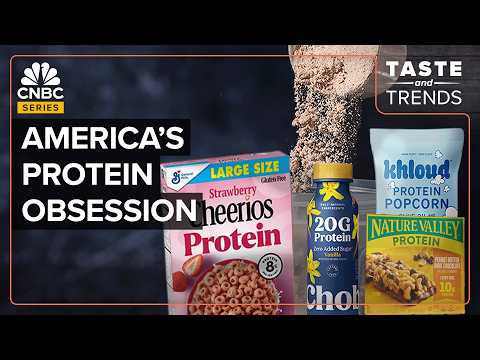
High-protein cereals, snack bars, and baking mixes
Beauty-boosting collagen waters
This "food-first" approach reduces the intimidation factor and integrates protein seamlessly into daily rituals.
Values-Driven Marketing: The "why" is as important as the "what." Campaigns highlight:
Sustainability: Carbon-neutral sourcing, regenerative agriculture, and plastic-free packaging.
Transparency: Clean labels, third-party testing, and ethical sourcing.
Holistic Benefits: Messaging focuses on "feel-good energy," "stronger every day," and "nourishment from within."
YouTube Resource:
Case Studies in Reinvention
Vital Proteins: Arguably the brand that most successfully decoupled protein from muscle. By focusing on collagen, they tapped into the beauty-from-within trend, marketing directly to women seeking benefits for skin, hair, nails, and joints. Their partnership with celebrities like Jennifer Aniston cemented this lifestyle positioning.
Happy Viking (Co-founded by Venus Williams): This brand leverages the powerful narrative of elite athletic performance but through a plant-based, female-founded lens. It challenges the myth that plant protein is inferior and speaks to a goal of sustained energy and recovery, not just post-workout synthesis.
Form Nutrition: A UK-based, vegan brand that builds its entire identity on science, sustainability, and stunning design. It explicitly positions itself against the "overhyped, under-delivered" world of traditional sports nutrition, appealing to the informed, ethically-conscious consumer.
Ghost Lifestyle: A brand that bridged the gap. It maintains ties to fitness culture through edgy collaborations (like with Oreo and Warheads) but uses transparent labeling and a focus on flavor to appeal to a generation that values authenticity and enjoyment in their nutrition.
Consumer Impact: A New Protein Paradigm
The result of this marketing revolution is a seismic shift in perception:
From Strength to Wellness: Protein is now a widely accepted tool for overall health maintenance, metabolic function, and healthy aging.
Explosion of the Female Market: Women no longer fear that protein will make them "bulky." They are the fastest-growing demographic, consuming protein for satiety, fitness recovery, and holistic benefits.
Mainstream Retail Integration: You can now buy premium protein products at Target, Starbucks, and Sephora. This accessibility marks the final stage of its journey from niche supplement to everyday wellness staple.
YouTube Resource:
Challenges on the New Path
The industry's transformation is not without friction:
Debunking Persistent Myths: The belief that plant protein is "incomplete" or that only athletes need supplements persists, requiring ongoing education.
Greenwashing and Authenticity: As sustainability becomes a selling point, brands must ensure their claims are substantive to avoid backlash from savvy consumers.
Market Saturation: The barrier to entry is now low, leading to a crowded field where only brands with genuine differentiation and authentic storytelling will survive.
The Future: Protein as Purpose-Driven Nutrition
Looking ahead, the trajectory is clear. Protein branding will continue to:
Hyper-Personalize: With advances in nutrigenomics, marketing may shift towards personalized protein blends for individual health goals and DNA profiles.
Deepen Sustainability Narratives: A focus on regenerative farming, water usage, and full-circle lifecycle analysis will become standard.
Fuse with Functional Foods: The line between supplement, food, and medicine will blur further, with proteins engineered for specific functional benefits like sleep support or stress resilience.
Conclusion: More Than Muscle
The reinvention of protein marketing is a powerful case study in how industries must evolve to reflect cultural values. By moving beyond the narrow, exclusionary "Gym Bro" image, the protein industry has not just expanded its market—it has democratized wellness. It has acknowledged that the desire for strength is universal, but that strength can be defined as resilience, energy, longevity, and the power to live well.
Protein is no longer just about what you build in the gym. It’s about what you sustain in your life. In shedding its hyper-masculine armor, the protein industry has found a stronger, more resonant voice—one that speaks to everyone, on every step of their health journey. The future of protein isn't hardcore; it's holistic, inclusive, and intelligently designed for the world we live in now.
Discover effective strategies for conducting market research to enhance your campaigns. Learn how to gather insights that drive successful marketing decisions.
Discover how visuals enhance advertising effectiveness, capturing attention and driving engagement. Explore the science behind impactful visual strategies.
Discover the art of crafting a compelling brand story that connects with your audience. Learn essential tips to elevate your brand's narrative and impact.
Discover the most empowering women's sports campaigns of 2026, celebrating strength, resilience, and the drive for equality in athletics. Join the movement!
Explore the ultimate showdown between North Face and Patagonia in 2026. Discover their unique approaches to adventure gear and sustainability.
Explore the impact of Adidas' "Impossible is Nothing" 2026 campaign. Dive into our analysis of its strategies, messaging, and audience engagement.
Discover the best air fryer and smart oven commercials of 2026. Explore innovative features and find the perfect kitchen appliance for your cooking needs.
Discover how Charmin and Scott mascots influence consumer loyalty in the paper goods market. Explore the power of branding in your buying decisions.
Discover eco-friendly cleaning solutions for your home. Embrace green chemistry and protect your family while keeping your space spotless and safe.
Discover the psychology behind the most satisfying laundry ads of 2026. Explore how visuals and emotions drive consumer behavior in this engaging analysis.
Explore the fierce competition between Uber Eats and DoorDash in the delivery market. Discover their strategies, ads, and what sets them apart.