
In the hyper-competitive, often undifferentiated world of paper goods, where the core function of every product is essentially the same, branding isn't just important—it's everything. Two titans, Charmin and Scott, have forged diametrically opposed paths to consumer loyalty over decades. Their rivalry represents a classic marketing dichotomy: the emotional, character-driven appeal versus the rational, utility-first proposition. This article explores how Charmin’s iconic mascots have built a fortress of emotional resonance, while Scott’s steadfast, no-frills approach cultivates loyalty through perceived value, analyzing why, in a commodity category, personality often trumps practicality.
The Philosophical Divide: Emotion vs. Utility
At its heart, the Charmin-Scott divide is a battle for the consumer's heart versus their wallet.
Charmin’s Thesis: Toilet paper is not just a functional item; it's a part of intimate, daily life that can be associated with comfort, care, and even joy. By injecting humor and relatability through mascots, Charmin elevates a mundane purchase into an emotionally positive experience. They sell "a better bathroom experience."
Scott’s Thesis: Toilet paper and paper towels are practical necessities. The primary consumer concerns are value, durability, and reliability. Fancy branding is a cost to be minimized; the product should speak for itself through its utility and price point. They sell "more sheets for your dollar."
This fundamental difference dictates every aspect of their marketing, from creative execution to shelf presence.
Charmin: The Masterclass in Character-Driven Loyalty
The Foundation: Mr. Whipple and the Psychology of Desire
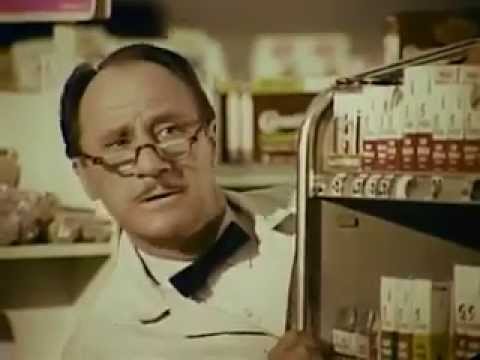
Long before the bears, there was Mr. Whipple. From 1964 to 1985, the fussy, kind-hearted grocer became a cultural icon through the simple plea, "Please don't squeeze the Charmin."
Psychological Genius: The campaign brilliantly employed reactance theory—forbidding an action made the desire to do it stronger. It transformed softness from a passive attribute into an irresistible, tactile temptation. Mr. Whipple wasn't just a spokesperson; he was a confessional figure who understood the customer's own weakness for the product's quality. He humanized the brand with gentle authority and self-deprecating humor.
Legacy: Mr. Whipple appeared in over 500 commercials, creating one of the most memorable and enduring campaigns in advertising history. He established Charmin's core brand equity: uncompromising, irresistible softness.
YouTube Link - Mr. Whipple:
The Evolution: The Charmin Bears and the "Enjoy the Go" Era
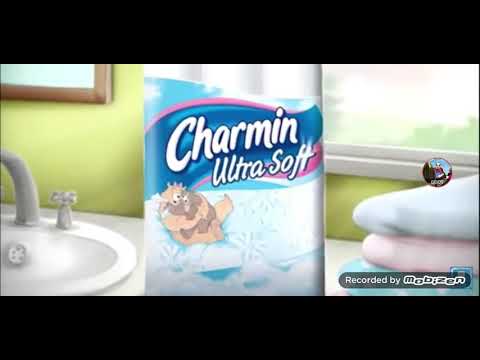
In the 2000s, Charmin modernized its emotional appeal by introducing the Charmin Bears. This animated family living in a charming woodland cottage became the new vessel for the brand's message.
Strategic Shift: The bears moved the setting from the grocery store aisle to the home—specifically, the bathroom. This allowed for gentle, family-friendly bathroom humor that was relatable without being crass.
Narrative Function: The bears embody different consumer needs: Papa Bear seeks strength and durability, Mama Bear and the cubs revel in softness and comfort. Their adventures—navigating "double roll" surprises or the perils of running out—mirror universal household experiences.
Platform Integration: The "Enjoy the Go" slogan, championed by the bears, is a masterstroke. It reframes a necessary bodily function with positivity and lightheartedness, directly attacking bathroom taboos with disarming cheer. The bears make the brand a playful, trusted companion in private moments.
YouTube Link - Modern Bears:
The Mascot Advantage:
Charmin’s mascots work because they:
Create Emotional Safety: They make talking about and buying toilet paper comfortable and fun.
Ensure Top-of-Mind Awareness: A beloved character is far more memorable than a product shot.
Build Generational Bridges: Parents who grew up with the bears now buy Charmin for their own families, passing on brand loyalty.
Justify Premium Pricing: The emotional goodwill and association with quality comfort allow Charmin to command a higher price per sheet.
Scott: The Pillars of the Practical Proposition
Scott’s strategy is the antithesis of Charmin’s. It is a study in minimalist, rational marketing.
The No-Mascot Mandate: Scott has steadfastly avoided creating a brand character. Its identity is rooted in its logo, its signature blue and green color palette, and its product attributes.
Messaging Focus: Scott commercials and packaging language emphasize "More Goes In Every Roll," "Durable," "Value," and "Absorbent." The visuals are straightforward: comparisons of roll sizes, demonstrations of strength (often showing Scott towels picking up spills where others fail), and clear price-point messaging.
Target Audience: This approach builds fierce loyalty among cost-conscious consumers, bulk buyers, and commercial clients (like schools and offices). For these buyers, emotional engagement is irrelevant; ROI per sheet is the only metric that matters.
YouTube Link - Scott's Utility Ads:
The Utility Advantage:
Scott’s mascot-less approach works because it:
Signals Efficiency: The lack of frivolity implies that every cent of the purchase price goes into the product, not marketing fluff.
Builds Trust Through Consistency: For decades, Scott has stood for reliability. You know exactly what you're getting.
Dominates Specific Channels: It owns the value and bulk segments, both in retail and in the business-to-business market.
The Consumer Psychology: Two Paths to the Cart
When a consumer reaches for a pack of bathroom tissue, two distinct internal dialogues can occur:
The Charmin Dialogue: "The kids love those bears. It does feel really soft. Remember that funny commercial? I want our home to feel comfortable and cared for. It's worth a little extra for that."
The Scott Dialogue: "This pack has four mega-rolls for the price of Charmin's three. It's strong and gets the job done. Why pay for cartoons on the package? This is the sensible choice."
These dialogues reveal the core trade-off: Charmin sells an emotional benefit (comfort/joy) attached to a functional product, while Scott sells a functional product with an economic benefit (value).
Market Realities and Strategic Risks
Both strategies are successful but contain inherent vulnerabilities.
Charmin’s Risks:
The Gimmick Trap: If the humor of the bears ever feels forced or overshadows product quality, the brand risks being perceived as childish or insubstantial.
Price Sensitivity: In economic downturns, the premium emotional pitch is the first thing value-conscious consumers sacrifice. Charmin must constantly reinforce that its softness and strength are tangibly superior, not just emotionally marketed.
Scott’s Risks:
Commoditization and Memory Loss: Without a mascot or strong emotional hook, Scott battles in a red ocean of price competition. It risks being interchangeable with private-label brands in the consumer's mind. It is recalled for its category (paper towels) more than for its unique brand soul.
Limited Upside: The utility-focused approach makes it exceptionally difficult for Scott to command premium pricing or expand into adjacent lifestyle categories. Its brand equity is narrow and deep.
The Verdict: Why Mascots Ultimately Hold the Throne
While Scott’s strategy is robust and profitable, Charmin’s character-driven approach demonstrates the superior power of branding in a commodity category. In a world where product innovations (quilted patterns, lotion-infusion, roll size) are quickly copied, a beloved mascot is the one thing a competitor cannot replicate.
Mr. Whipple and the Charmin Bears have done more than sell toilet paper; they have created a shared cultural shorthand for quality and comfort. They have given the brand a heartbeat. Scott, for all its reliable utility, remains a faceless corporation selling a tool. Charmin, through its characters, has become a welcome guest in the home.
The lesson for marketers is clear: when products are functionally similar, the winning brand is often the one that tells the better story. And there is no more powerful storytelling device than a character who makes you laugh, feel, and remember. In the silent, solitary confines of the bathroom, it seems, we prefer the company of a friendly bear to the cold calculus of sheets per penny. Charmin hasn’t just sold rolls; it has rolled out a legacy of laughter, proving that in the battle for loyalty, a little personality goes an incredibly long way.
Discover eco-friendly cleaning solutions for your home. Embrace green chemistry and protect your family while keeping your space spotless and safe.
Discover the psychology behind the most satisfying laundry ads of 2026. Explore how visuals and emotions drive consumer behavior in this engaging analysis.
Explore the fierce competition between Uber Eats and DoorDash in the delivery market. Discover their strategies, ads, and what sets them apart.
Discover how Zara and H&M revolutionize fast fashion by transforming runway trends into accessible styles, shaping the future of retail and consumer culture.
Explore the seasonal visual ad strategies of Walmart and Target in 2026. Discover how these retail giants engage customers and enhance brand loyalty.
Explore the narrative behind Amazon's "Smiling Box" icon. Discover how this clever ad strategy enhances brand identity and customer engagement.
Discover the impact of zero-dialogue ads in minimalist marketing. Explore how simplicity can elevate your brand and engage audiences effectively.
Explore the intriguing world of CGI humans in advertising. Discover successes and failures in the uncanny valley that challenge our perception of realism.