
The cleaning aisle of 2026 is a battleground of values. Gone are the days when "clean" was defined solely by sterile, chemical-laden power. Today, a new paradigm reigns: clean is safe, clean is gentle, clean is sustainable. This transformation is fueled by "green chemistry"—a scientific discipline that has become the cornerstone of the most effective family-focused marketing campaigns. Brands are no longer just selling a product that removes grime; they are selling peace of mind, a healthier home ecosystem, and an expression of family values. This article explores how the marketing of eco-friendly cleaning solutions has evolved from a niche appeal to a mainstream imperative, dissecting the psychology, storytelling, and campaigns that make "green chemistry" a household phrase.
From Lab to Living Room: Demystifying "Green Chemistry"
At its core, green chemistry is the design of chemical products and processes that reduce or eliminate the use and generation of hazardous substances. Its twelve principles prioritize prevention, atom economy, less hazardous synthesis, and designing for degradation.
For marketers in 2026, the challenge and opportunity have been to translate this complex science into an emotionally resonant consumer narrative. The successful translation is a masterclass in simplification:
Biodegradability becomes "returns safely to the earth."
Renewable feedstocks become "powered by plants."
Reduced toxicity becomes "safe for little hands and paws."
Minimal waste becomes "loving your home and the planet."
This reframing turns abstract science into tangible family benefits, making green chemistry the ultimate hero ingredient in a story about protection and care.
The Psychology of the "New Clean": Four Pillars of Persuasion
1. The Paramount of Safety: Activating the Protector Instinct
The most powerful driver is the primal need to protect one's family. Ads directly target parental anxiety by visualizing threats (harsh fumes, toxic residues) and then eliminating them. Scenes of children crawling on freshly mopped floors, pets nuzzling cleaned surfaces, or babies putting toys in their mouths are not incidental; they are the central argument. The message is unambiguous: our product creates a safe zone, a sanctuary free from invisible chemical threats. This taps into a deeper emotional register than mere cleanliness—it’s about health security.
2. Trust Through Radical Transparency
A legacy of "greenwashing" has made the modern family deeply skeptical. Marketing in 2026 counters this with forensic transparency. Campaigns prominently feature:
Third-Party Certifications: USDA Organic, EcoCert, Safer Choice, and Leaping Bunny logos act as shorthand for verified trust.
Ingredient Glossary Breakdown: Brands like Seventh Generation use packaging and digital campaigns to explain each plant-derived ingredient, demystifying the label.
Supply Chain Storytelling: Showing the journey from wind-powered factories to ocean plastic-collected bottles builds a narrative of holistic responsibility.
This transparency isn't just information; it's a covenant of honesty with the consumer.
3. Sustainability as Family Identity and Legacy
Eco-friendly cleaning has been successfully framed as a prosocial, identity-forming behavior. Purchasing these products is marketed as a tangible way for families to live their values daily. It’s a small, actionable step in the larger project of environmental stewardship that parents can model for their children. Ads like Seventh Generation’s "Future in Every Bottle" explicitly connect the act of cleaning today with safeguarding the world for tomorrow's generation, making the chore feel meaningful and legacy-driven.
4. Sensory Appeal and Aesthetic Integration
Understanding that "green" products once battled a perception of being less effective or unattractive, leading brands have invested heavily in sensorial and design excellence.
Mrs. Meyer’s links efficacy to the uplifting, emotional power of garden-fresh scents (lavender, basil, radish), making cleaning a moment of aromatic delight rather than a chemical chore.
Method uses award-winning, minimalist bottle design made from recycled plastic, transforming the product into a stylish kitchen or bathroom accessory that appeals to design-conscious millennials. The product must look as good as it claims to perform.
Campaign Deconstruction: The 2026 Playbook in Action
1. Seventh Generation – "Future in Every Bottle"
The Ad: A poignant, documentary-style ad shows a child’s hand drawing on a wall. Instead of frustration, the parent smiles, grabs a Seventh Generation spray, and cleans it effortlessly. The narration speaks to "leaving a softer footprint" for the child who drew the picture. The ad culminates with the child playing safely on the clean floor.
Why It Works: It perfectly encapsulates the safety-legacy nexus. It acknowledges the mess of real family life but frames the cleaning solution as an act of love and protection for the child's future. The plant-based formula is the enabler of this caring act.
YouTube Link:

2. Method – "Design Meets Nature"
The Ad: A fast-paced, visually stunning spot set in a bright, modern home. The camera glides over Method's elegantly curved bottles as they dispense vibrant, effective cleaners. The focus is on the aesthetic harmony between the stylish packaging, the clean home, and a vibrant potted plant. The message is about elevating daily rituals.
Why It Works: It targets the consumer who refuses to compromise between their design sensibility and their values. It makes "going green" look chic, modern, and desirable, combating any lingering stereotype of eco-products as granola and rustic.
3. Mrs. Meyer’s – "Garden Fresh Homes"
The Ad: A sun-drenched film intercuts scenes of herbs growing in a lush garden with a person joyfully cleaning their home. The sound of spraying and wiping is gentle; the focus is on the evocative scent and the resulting sense of calm. "Clean doesn't have to smell like a hospital," the voiceover suggests. "It can smell like a garden."
Why It Works: It forges an emotional, almost nostalgic connection between the purity of nature and the sanctity of the home. It sells an experience and a feeling—of freshness, simplicity, and wholesome care—that is far more powerful than selling a disinfectant.
YouTube Link - Method/Mrs. Meyer's Style:
4. Ecover – "Clean Without Compromise"
The Ad: This campaign uses split-screen or before/after visuals. One side shows a family using a conventional plastic-heavy product. The other shows the same family using Ecover's refillable, plant-based system, dramatically reducing plastic waste. The ad highlights the circularity of the bottle and the power of the plant-based formula.
Why It Works: It directly addresses the eco-conscious consumer's guilt about plastic waste. It positions Ecover not just as a cleaning brand, but as a waste-reduction partner, offering a practical solution to a major environmental anxiety.
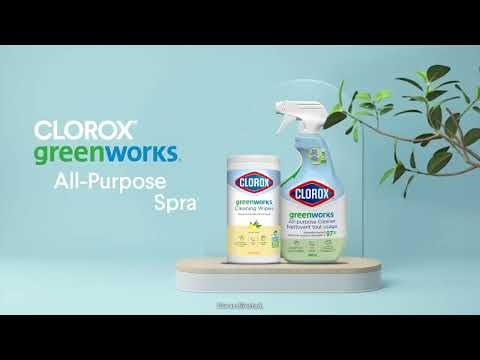
5. Clorox Green Works Revival – "Trust, Evolved"
The Ad: Leveraging Clorox's century of trust, the ad features a familiar-looking parent in a relatable, messy home. "You trusted us to clean powerfully. Now, trust us to clean powerfully and thoughtfully." It shows the Green Works bottle, highlighting its plant-based ingredients and EPA Safer Choice certification, while performing a tough cleaning task.
Why It Works: It acts as a "gateway" campaign for mainstream consumers hesitant to switch from conventional brands. It reduces perceived risk by attaching green credentials to a trusted name, reassuring them they don't have to sacrifice proven efficacy for sustainability.
Navigating the Risks: The Tightrope of Green Marketing
The success of this category hinges on navigating significant pitfalls:
The Greenwashing Abyss: Any perceived exaggeration of environmental benefits triggers immediate, damaging backlash. Authenticity, backed by verifiable data, is non-negotiable.
The Premium Price Problem: While effective, green chemistry often carries a higher price. Marketing must continually justify this through the powerful "value of safety" and "cost per peace of mind" arguments, not just cost-per-ounce.
Performance Skepticism: The ghost of less-effective early eco-products lingers. Campaigns must visually demonstrate efficacy—showing grease being cut, stains vanishing—to overcome this bias.
Conclusion: Cleanliness is Next to Conscious-ness
In 2026, marketing eco-friendly cleaning products is no longer about selling an alternative. It's about selling the new standard. By masterfully translating green chemistry into narratives of safety, trust, sensory pleasure, and family legacy, leading brands have done more than capture market share; they have redefined the cultural meaning of a clean home.
The home is no longer a fortress to be sanitized against the outside world, but a nurturing ecosystem that is part of a larger planetary system. The most successful campaigns understand that the mop and spray bottle are now tools of conscientious living. In the end, they are selling a powerful idea: that the deepest clean is one that cares for the family inside the home and the world outside its walls. The psychology of clean has evolved from fear of germs to a celebration of health, responsibility, and holistic well-being.
Discover effective strategies for conducting market research to enhance your campaigns. Learn how to gather insights that drive successful marketing decisions.
Discover how visuals enhance advertising effectiveness, capturing attention and driving engagement. Explore the science behind impactful visual strategies.
Discover the art of crafting a compelling brand story that connects with your audience. Learn essential tips to elevate your brand's narrative and impact.
Discover the psychology behind the most satisfying laundry ads of 2026. Explore how visuals and emotions drive consumer behavior in this engaging analysis.
Explore the fierce competition between Uber Eats and DoorDash in the delivery market. Discover their strategies, ads, and what sets them apart.
Discover how Zara and H&M revolutionize fast fashion by transforming runway trends into accessible styles, shaping the future of retail and consumer culture.
Explore the seasonal visual ad strategies of Walmart and Target in 2026. Discover how these retail giants engage customers and enhance brand loyalty.
Explore the narrative behind Amazon's "Smiling Box" icon. Discover how this clever ad strategy enhances brand identity and customer engagement.
Discover the impact of zero-dialogue ads in minimalist marketing. Explore how simplicity can elevate your brand and engage audiences effectively.
Explore the intriguing world of CGI humans in advertising. Discover successes and failures in the uncanny valley that challenge our perception of realism.
Discover the best typography and motion ads of 2026. Explore how text-only designs can drive success and captivate your audience effectively.