

Founded in 1910 as a small electrical motor repair shop in Japan, Hitachi has grown into a global technology conglomerate whose contributions span from bullet trains to digital health systems. However, its most subtle and powerful legacy may lie in the realm of communication. Over decades, Hitachi executed one of the most remarkable transitions in B2B marketing: moving from advertising technical specifications to narrating stories of social innovation. This advertising journey not only redefined its own brand but set a new standard for how industrial technology companies communicate with the world, directly influencing giants like IBM, Siemens, and General Electric.
The Era of Pure Engineering (1950s–1980s)
In its early decades of global expansion, Hitachi's advertising reflected its identity of precision engineering. Ads focused on the reliability, durability, and technical superiority of its products: televisions, refrigerators, turbines, and industrial equipment. Targeted at engineers, corporate buyers, and consumers who valued quality above all else, the message was direct and tangible. A typical 1970s commercial might show a Hitachi television working flawlessly, highlighting the clarity of its cathode-ray tube or the crispness of its sound. This stage was fundamental for building a reputation of solidity and trust, but it kept the brand in a competitive, product-centric space.
The Inflection Point: “Inspire the Next” (Year 2000)
The turn of the millennium marked a bold strategic shift. Hitachi introduced the global slogan “Inspire the Next.” This was not just a tagline; it was a philosophical statement. The campaign shifted the focus from what Hitachi did (manufacture products) to why it did it: to inspire and create the future.
Strategy & Impact: Ads under this umbrella stopped being technical catalogs and became aspirational mini-documentaries. They showed visions of the urban future, medical breakthroughs, and global connectivity, always with Hitachi's technology as the invisible enabler. This move was pioneering. It anticipated the market's demand for a corporate purpose beyond profits. It directly inspired competitors and peers to develop their own high-level narratives, such as IBM’s “Smarter Planet” (launched in 2008) or Siemens’ “Ingenuity for Life.”
Watch Hitachi's global “Inspire the Next” campaign (2000s):

The Consolidation of Purpose: “Social Innovation” (2010s)
The next logical evolution was the “Social Innovation” campaign. Hitachi crystallized its message around the idea that its technology existed to solve society's most pressing challenges. This positioning radically differentiated it from other infrastructure and IT companies.
Strategy & Impact: Advertising became explicitly solution and socially-outcome focused. A commercial no longer showed just a fast train, but how that train reduces congestion and carbon emissions, connecting communities and revitalizing regional economies. Another wouldn't present a medical scanner, but how a health data platform improves diagnoses and saves lives. Hitachi presented itself as a strategic partner for governments and businesses facing complex problems of urbanization, energy, and health. This "stakeholder-centric" approach vastly broadened its relevant audience, attracting politicians, regulators, and NGOs, not just procurement directors.
Watch a Hitachi Social Innovation ad (2015):

Watch a Hitachi Rail Systems commercial (2017):
Watch Hitachi's Smart Cities campaign (2018):

The Current Era: Sustainability and Co-Creation (2020s–Present)
Today, Hitachi's narrative has fully merged with global mega-trends. Its current campaigns delve deep into sustainability, digitalization, and co-creation.
Strategy & Impact: Messages directly link technology with the UN's Sustainable Development Goals (SDGs). Ads show offshore wind farms, smart power grids, and decarbonized supply chains. The language evolved from "inspiring" to "collaborating" and "accelerating" transformation. This approach positions Hitachi not as a supplier, but as an orchestrator of ecosystems that brings together technology, data, and expertise for measurable impact.
Watch a Hitachi Sustainability / Green Energy ad (2019): 
Watch a Hitachi ad on the Future of IoT for Social Innovation (2020): 
Watch a Hitachi "Inspire the Next" corporate branding video (2021): 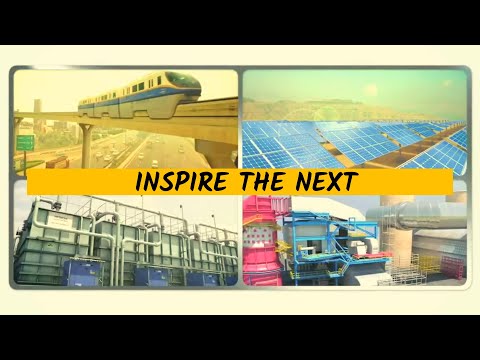
Expert Analysis: Why Hitachi's Strategy Worked
Authenticity and Consistency: The social innovation message wasn't a passing fad; it was rooted in the company's real, long-standing projects. This consistency between what was said and what was done built unshakeable credibility.
Market Expansion: By speaking to the challenges of governments and society, Hitachi accessed a broader, more strategic market than the merely transactional B2B space. It became a brand of public policy and economic development.
Emotional Differentiation: In a sector often perceived as cold and technical, Hitachi injected a human and emotional purpose. This created a deeper, more loyal connection with its clients and partners.
Ecosystem Influence: By demonstrating the success of this approach, Hitachi raised the bar for the entire industry. Competitors and similar companies were forced to develop their own purpose-driven narratives, transforming the language of industrial technology marketing globally.
Risks and Trade-offs
The strategy was not without challenges. Some critics noted that the message could become too abstract, losing connection with operational decision-makers who need technical details. Furthermore, the strong B2B and B2G focus could dilute brand recognition among end consumers. Finally, as more companies adopted narratives of sustainability and social innovation, Hitachi's initial differentiation became harder to maintain.
Conclusion: The Legacy of a Transformative Narrative
The advertising history of Hitachi is a case study in the evolution of an industrial brand toward purpose-driven leadership. It demonstrated that even the most complex, large-scale technologies can—and should—be told through human stories of progress. In doing so, Hitachi didn't just sell trains, turbines, or IT systems; it sold a better, feasible future. Its greatest legacy may be having inspired an entire industry to look up from spec sheets and begin communicating the transformative impact of technology on society. In the process, it redefined not only its own image but the very language of B2B marketing for the 21st century.

Discover Burger King’s most daring advertising slogans that have captured attention and sparked conversations. Explore the boldness behind their marketing genius.
Discover how sharp advertising has shaped tech culture, influencing trends, consumer behavior, and the evolution of digital marketing strategies.

Discover the most iconic summer campaigns in North America that shaped marketing history. Explore creative strategies and unforgettable moments today!

Discover the iconic stars who have graced Pepsi commercials over the years. Explore their memorable moments and the impact on pop culture.

Discover the most memorable Dunkin’ Donuts phrases from their iconic ads. Explore how these catchy lines have shaped the brand's identity and customer loyalty.

Discover how LG is transforming smart device advertising with innovative strategies and cutting-edge technology to enhance user engagement and brand visibility.

Discover the impact of iconic Adidas campaigns on urban fashion. Explore how these bold designs shaped street style and influenced culture worldwide.

Discover how Toshiba's innovative advertising strategies reshaped tech marketing, influencing trends and consumer engagement in the digital age.