

Pepsi has long been recognized as the "youth brand" in the global soft-drink market. While Coca-Cola leaned on nostalgia, Santa Claus, and idealized Americana, Pepsi consistently embraced contemporary culture—especially pop music. Since the Pepsi Generation campaign in 1963, the company has aligned itself with music stars to project energy, modernity, and cultural relevance. From Michael Jackson's groundbreaking commercials in the 1980s to Britney Spears, Beyoncé, and Blackpink in later decades, Pepsi ads have blurred the line between commercials and music videos. This article explores Pepsi's advertising journey through pop music, its cultural impact, and why these campaigns remain iconic benchmarks in marketing history.
🎵 Why Pepsi Chose Pop Music
H2: Youthful Identity
Pepsi positioned itself as the drink of young people—not the beverage your parents drank, but the one you chose to define yourself. Music was the most effective medium to connect with youth culture. It was universal, emotional, and constantly evolving. By attaching its brand to the soundtrack of each generation, Pepsi ensured it never felt old.
H2: Cultural Differentiation
Coca-Cola leaned on tradition, family, and timeless Americana. Pepsi embraced modernity, risk, and edge. Pop music gave Pepsi a dynamic identity that contrasted sharply with its rival's heritage positioning. Where Coca-Cola was the comfortable past, Pepsi was the exciting future.
H2: Global Reach
Music transcends borders, languages, and political divisions. A Michael Jackson dance move translates in Tokyo as effortlessly as in New York. By collaborating with global superstars, Pepsi's campaigns achieved universal relatability that purely regional advertising could never match.
H2: Celebrity Power
Aligning with the biggest names in entertainment amplified Pepsi's visibility and credibility. These were not mere endorsements; they were cultural events. When Pepsi signed Michael Jackson in 1984, it was front-page news, not advertising trade press. The celebrity became the campaign, and the campaign became the culture.
🎤 Landmark Pepsi Music Campaigns
Michael Jackson – Pepsi Generation (1984–1989)
Concept: In 1984, Pepsi signed Michael Jackson for $5 million—an unprecedented sum that shocked the industry. The campaign featured Jackson's signature dance moves, his iconic jacket, and a reworked version of "Billie Jean" retitled "Pepsi Generation." The commercials were cinematic, choreographed, and impossibly cool.
Impact: The partnership cemented Pepsi's link to pop music for decades. It also demonstrated that celebrity endorsements could be more than print ads and radio spots; they could be full-scale entertainment productions.
Legacy: This remains one of the most famous celebrity endorsements in advertising history. It established the template that Pepsi would follow for the next forty years.
🎥 Michael Jackson – Pepsi Generation (1984):

Madonna – Like a Prayer (1989)
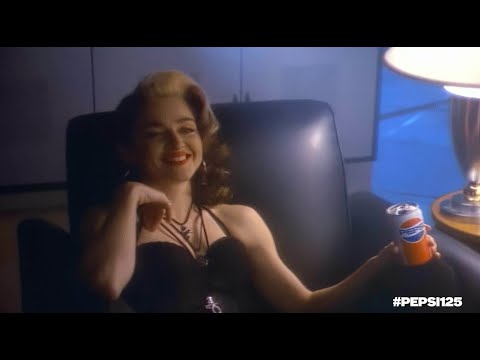
Concept: Pepsi signed Madonna at the peak of her fame for a $5 million deal. The commercial intercut her hit "Like a Prayer" with scenes of her childhood, family, and performances. It was spiritual, nostalgic, and pop all at once.
Impact: Then controversy erupted. Madonna's simultaneous music video for "Like a Prayer" featured burning crosses and stigmata. Religious groups protested. Pepsi pulled the ad after one airing—but paid Madonna in full.
Legacy: The campaign showed Pepsi's willingness to take risks, even when they backfired. It also proved that a pulled ad could be more iconic than a successful one.
🎥 Madonna – Like a Prayer Pepsi Ad (1989):
Ray Charles – The Right One Baby, Uh‑Huh (1991)
Concept: Pepsi pivoted from pop controversy to soulful charm. Ray Charles delivered "You've got the right one baby, uh-huh!" with his unmistakable voice and piano. The campaign was warm, funny, and effortlessly cool.
Impact: The jingle became embedded in popular memory. It reinforced Pepsi's playful identity without the controversy of Madonna or the spectacle of Jackson.
Legacy: Charles's campaign proved that Pepsi's music strategy was not dependent on youth alone; it was about authentic musical connection.
Britney Spears – Joy of Pepsi (2001)
Concept: The turn of the millennium belonged to Britney Spears. Pepsi signed her for a campaign that featured the anthem "Joy of Pepsi," choreographed dance routines, and Spears's undeniable star power. The commercial was pure pop escapism.
Impact: The campaign defined Pepsi's millennial image. Spears became synonymous with the brand's youthful energy, appearing in multiple ads throughout the early 2000s.
Legacy: For a generation, Britney drinking Pepsi was as iconic as her schoolgirl outfit or her snake at the VMAs.
🎥 Britney Spears – Joy of Pepsi (2001):

Britney, Beyoncé & Pink – We Will Rock You (2004)
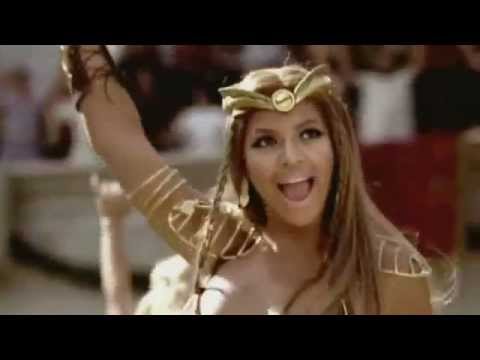
Concept: Pepsi assembled its ultimate pop trifecta: Britney Spears, Beyoncé, and Pink. The Super Bowl commercial featured the trio as gladiators performing a cover of Queen's "We Will Rock You." It was extravagant, cinematic, and unapologetically massive.
Impact: The ad became one of the most famous Super Bowl commercials of the decade. It cemented Pepsi's dominance in music-driven advertising and showcased its ability to bring competing artists together.
Legacy: This campaign represented the peak of Pepsi's early 2000s pop dominance. It was the brand at its most confident and culturally central.
🎥 Britney, Beyoncé & Pink – We Will Rock You (2004):
Cindy Crawford – Super Bowl Ad (1992, reprised 2018)
Concept: In 1992, Cindy Crawford pulled up to a gas station, stepped out of her red Ferrari, and bought a Pepsi from a vending machine. Two boys watched in awe. The commercial had no dialogue—just Crawford's charisma and an infectious vibe.
Impact: The ad became a cultural symbol of Pepsi glamour. In 2018, Pepsi recreated it with Crawford reprising her role, now joined by her son. The nostalgia was perfectly calibrated.
Legacy: Crawford's ad proved that music was not the only path to iconic status; sometimes, pure aesthetic magnetism was enough.
Pepsi x Blackpink (2020)
Concept: As K-Pop conquered the globe, Pepsi signed Blackpink for a multi-platform campaign. The collaboration included custom content, limited-edition cans, and digital activations targeting the group's massive international fanbase.
Impact: The campaign expanded Pepsi's relevance in Asia and among Gen Z consumers who discovered music through YouTube and TikTok rather than radio or MTV.
Legacy: Pepsi x Blackpink demonstrated the brand's adaptability. Forty years after Michael Jackson, Pepsi was still signing the biggest names in pop—they just happened to be Korean this time.
🎥 Pepsi x Blackpink Campaign (2020):
https://www.youtube.com/watch?v=6OtBttFCdd
Megan Thee Stallion – Pepsi Super Bowl (2024)
Concept: For Super Bowl LVIII, Pepsi enlisted Megan Thee Stallion. The campaign blended hip-hop, sports, and her signature confidence. It was unapologetically contemporary, designed for the TikTok era.
Impact: The campaign reinforced Pepsi's Gen Z appeal and proved that the brand's music strategy remained potent decades after its inception.
Legacy: Megan Thee Stallion became the latest in a lineage stretching from Michael Jackson to Britney Spears to Blackpink—proof that Pepsi's formula still works.
📊 Comparison Table: Pepsi Music Campaigns
| Michael Jackson – Pepsi Generation | 1984–1989 | "New Generation" anthem, dance ads | Cemented Pepsi's link to pop |
| Madonna – Like a Prayer | 1989 | Spiritual + pop crossover | Controversial, iconic |
| Ray Charles – The Right One Baby | 1991 | Soulful jingle "Uh‑Huh" | Fun, memorable |
| Britney Spears – Joy of Pepsi | 2001 | Energetic pop anthem | Defined millennial image |
| Britney, Beyoncé, Pink – We Will Rock You | 2004 | Gladiator-style Queen cover | Famous Super Bowl ad |
| Cindy Crawford – Super Bowl Ad | 1992, 2018 | Fashion + music vibe | Cultural symbol |
| Pepsi x Blackpink | 2020 | K-Pop collaboration | Expanded Asian relevance |
| Megan Thee Stallion – Super Bowl | 2024 | Hip-hop + sports crossover | Gen Z appeal |
🔎 Expert Analysis: Why Pepsi's Pop Music Ads Worked
Authenticity
Pepsi ads felt like cultural events rather than commercials. When Michael Jackson danced, it was not an actor pretending to enjoy the product; it was the King of Pop performing. This authenticity—earned through genuine collaborations with genuine stars—could not be manufactured.
Artistic Innovation
Pepsi blurred the line between advertising and entertainment. Its commercials were music videos. Its music videos were commercials. This hybrid format created experiences that audiences sought out rather than skipped.
Pop Culture Integration
These campaigns did not interrupt culture; they became culture. Jackson's dance moves were imitated by children worldwide. Spears's anthems played on radio stations. Blackpink's limited-edition cans sold out in hours. Pepsi ads entered the cultural bloodstream.
Strategic Timing
Pepsi signed artists at their peak relevance. Jackson in 1984. Madonna in 1989. Spears in 2001. Blackpink in 2020. This was not luck; it was cultural radar. Pepsi understood the zeitgeist and acted before competitors.
🌍 Broader Cultural Significance
Advertising History: Pepsi's campaigns are studied in marketing textbooks as milestones in celebrity endorsements. They represent the shift from product-focused advertising to entertainment-focused brand building.
Pop Culture: These ads became part of cultural conversations, shaping music and fashion. The "Pepsi Generation" was not just a slogan; it was a demographic identity.
Consumer Psychology: Emotional resonance built loyalty and trust. Consumers did not choose Pepsi because of blind taste tests; they chose it because Michael Jackson chose it.
Global Reach: Campaigns transcended borders, appealing to universal values of youth and energy. A teenager in Brazil and a teenager in Japan shared the same Pepsi commercials, creating a rare moment of global cultural unity.
🧠 Conclusion: The Legacy of Pepsi's Pop Music Ads
Pepsi's advertising legacy is inseparable from pop music. By aligning with stars from Michael Jackson to Blackpink, Pepsi transformed commercials into cultural events. These campaigns proved that music could sell not just records—but soda too.
But the deeper legacy is not commercial; it is cultural. Pepsi understood something fundamental about the second half of the twentieth century and beyond: pop music was the universal language of youth. By attaching its brand to that language, Pepsi ensured it would never be relegated to nostalgia.
Coca-Cola had Santa Claus. Pepsi had Michael Jackson. One represented tradition; the other represented now.
The genius of Pepsi's strategy was its refusal to rest. When Jackson aged, Pepsi found Britney. When Britney's era ended, Pepsi found Beyoncé and Pink. When Western pop dominance waned, Pepsi found Blackpink. The brand never mourned the past; it chased the future.
The legacy of Pepsi's pop music ads lies in their ability to capture the spirit of youth, energy, and cultural relevance across generations. Michael Jackson's moonwalk, Britney's ponytail, Blackpink's choreography—these are not advertising artifacts. They are memories of who we were and who we wanted to be.
And that is why Pepsi's pop music ads remain not just iconic, but immortal.
Discover the celebrity featured in Pepsi's 2026 "Pulse of the Moment" ad. Uncover the buzz and excitement surrounding this star-studded campaign.
Discover the actor featured in the Pepsi summer 2025 commercial. Get insights into their role and the creative vision behind this exciting campaign.
Discover the celebrity featured in the Pepsi Summer BBQ commercial and learn more about their role in this exciting summer campaign. Click to find out!

Discover the legacy of Coca-Cola's "Taste the Feeling" campaign, exploring its impact on branding and consumer emotions through memorable storytelling.
Discover Wendy's most memorable advertising slogans that have shaped its brand identity. Explore the creativity behind each iconic phrase and its impact.

Discover how LG shapes household tech advertising, showcasing innovative products that enhance everyday living and redefine modern home experiences.

Discover how Netflix ads mirror pop culture trends, shaping viewer perceptions and influencing entertainment choices in today's digital landscape.

Discover the most iconic Adidas campaigns that have shaped sports fashion. Explore their impact on style, culture, and athletic performance today.

Explore Canon's advertising journey in photography, showcasing innovative campaigns and iconic moments that shaped the industry and inspired photographers worldwide.

Discover the magic of Christmas as famous actors shine in festive campaigns. Explore their memorable performances and the joy they bring to the season.

Discover the iconic actors who transformed perfume advertising in the 2000s, blending glamour and allure to create unforgettable campaigns.