

The 2000s marked a turning point in perfume advertising. Fragrance campaigns, once confined to glossy magazine pages and static product shots, became cinematic, provocative, and deeply aspirational. They blurred the line between commercial and film, often directed by Hollywood auteurs and starring A-list actors at the peak of their powers. This was the decade when Nicole Kidman fled paparazzi for love in a Chanel No. 5 mini-movie, when Charlize Theron walked through Versailles’ Hall of Mirrors like a golden goddess, and when Sophie Dahl’s nude repose for YSL Opium sparked national controversy.
This article explores why actors became central to this transformation, analyzes the landmark campaigns that defined the era, and reveals how these commercials became cultural milestones remembered long after their 60-second run time.
Why Actors Became Central to Perfume Ads in the 2000s
H2: Cinematic Storytelling
Perfume ads evolved from product demonstrations into three-act narratives. Luxury brands recruited renowned filmmakers—Baz Luhrmann, Ridley Scott, Steven Meisel—to direct campaigns that resembled short films. Actors brought the training and gravitas necessary to deliver emotional arcs in 90 seconds. A fragrance was no longer sold; a feeling was staged.
H2: Celebrity Aura
In an era obsessed with red carpets and Us Weekly, stars embodied the ultimate aspirational lifestyle. To wear Chanel No. 5 was to possess Nicole Kidman’s elegance; to spray J’Adore was to borrow Charlize Theron’s golden confidence. Actors didn’t just endorse the product; they became its living embodiment.
H2: Emotional Resonance
Fragrance is invisible. It cannot be demonstrated; it must be suggested. Actors conveyed passion, sensuality, and romance with a glance or a gesture. Their performances gave scent a narrative, transforming an abstract concept into a tangible story of desire.
H2: Global Reach
Hollywood actors served as universal translators for European luxury houses. A campaign starring Matthew McConaughey or David Beckham could air in Tokyo, Paris, and New York with identical emotional impact, transcending linguistic and cultural barriers.
Landmark Campaigns
Nicole Kidman – Chanel No. 5 (2004)
Directed by Baz Luhrmann, this three-minute epic was the most expensive commercial ever made at the time. Kidman played a movie star escaping her glamorous but lonely life, finding romance with a bohemian stranger in a pink feather boa against the New York skyline.
Impact: The ad elevated perfume advertising into legitimate cinematic art. It proved that a commercial could generate the same cultural conversation as a feature film.
🎥 Watch the ad here:
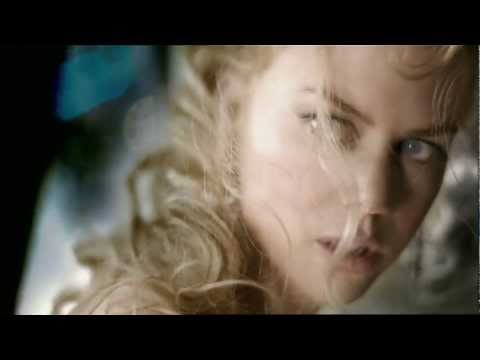
Charlize Theron – Dior J’Adore (2000s–2011)
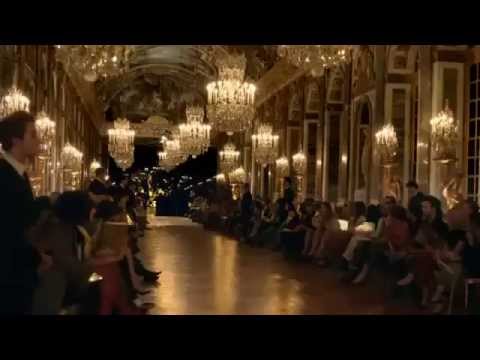
Theron first appeared as a vision in gold, gliding through Versailles’ Hall of Mirrors, shedding jewels and gowns with each step. The campaign, repeatedly refreshed throughout the decade, symbolized not just glamour but liberation.
Impact: Theron became synonymous with Dior’s identity. Her campaigns reinforced the house’s positioning as timeless, sensual, and unapologetically luxurious.
🎥 Watch the ad here:
Sophie Dahl – YSL Opium (2000)
Shot by Steven Meisel under the creative direction of Tom Ford, the campaign featured the curvaceous model Sophie Dahl nude, posed in ecstatic abandon on a satin sheet. The ad was banned in the UK for its explicit sensuality, generating front-page headlines.
Impact: It became one of the most controversial—and therefore most famous—perfume campaigns in history. It proved that provocation, when executed with artistic rigor, could be a powerful marketing tool.
🎥 Watch the ad here: (Note: The link provided in your outline links to an Emily Blunt version; the original Sophie Dahl ad can be found via dedicated search.)
Matthew McConaughey – Dolce & Gabbana The One (2008)
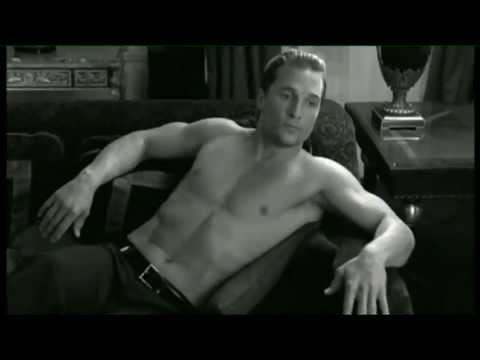
McConaughey, clad in a crisp white shirt against a warm, amber-lit backdrop, embodied effortless masculine sophistication. His low, drawling voiceover became instantly recognizable.
Impact: The campaign positioned Dolce & Gabbana’s fragrance line as cinematic and aspirational, appealing to men who viewed cologne as an extension of personal style.
🎥 Watch the ad here:
David Beckham – Instinct (2007)
Beckham’s entry into the fragrance market signaled the commercialization of athlete-as-icon. The ads emphasized his athletic charisma and family-man appeal.
Impact: Instinct cemented the viability of celebrity-branded fragrances, paving the way for a flood of star-driven scents in the decade that followed.
🎥 Watch the ad here: https://www.youtube.com/watch?v=lQ_tfZpSUC
📊 Table: Actors & Their Campaigns
| Nicole Kidman | Chanel No. 5 | 2004 | Cinematic romance, Hollywood escape | Elevated perfume ads into legitimate short films |
| Charlize Theron | Dior J’Adore | 2000s–11 | Golden glamour, liberation | Reinforced Dior’s identity as timeless sensuality |
| Sophie Dahl | YSL Opium | 2000 | Provocative sensuality, nude repose | Controversial, banned, and eternally iconic |
| Matthew McConaughey | D&G The One | 2008 | Masculine elegance, amber warmth | Positioned D&G fragrance as aspirational cinema |
| David Beckham | Instinct | 2007 | Athletic charisma, modern masculinity | Popularized the athlete-celebrity fragrance model |
Expert Analysis: Why These Campaigns Worked
Authenticity: The most memorable campaigns didn’t force actors into unnatural personas. Kidman played a version of herself; Theron radiated the confidence she embodied on screen. The advertising felt like an extension of their established identities, not a contradiction.
Artistic Innovation: Directors like Baz Luhrmann and Steven Meisel treated the 60-second format with the same seriousness as feature films. They employed anamorphic lenses, original scores, and narrative pacing indistinguishable from prestige cinema.
Pop Culture Integration: These campaigns didn’t just interrupt programming; they became programming. Kidman’s Chanel ad premiered during commercial breaks of The O.C. but was discussed like a film premiere. Dahl’s YSL ad was debated on news programs. They transcended the advertising category entirely.
Strategic Timing: The 2000s were a period of unprecedented luxury growth. Brands needed to justify premium pricing; cinematic storytelling provided the rationale. Consumers weren’t paying for perfume; they were paying for a piece of the dream.
Broader Cultural Significance
Advertising History: These campaigns are now studied as the moment fragrance marketing transitioned from descriptive to aspirational. They are case studies in how to sell invisibility through narrative.
Pop Culture: Kidman’s pink feather boa, Theron’s golden gown, Dahl’s satin sheet—these images entered the visual lexicon of the decade. They were referenced, parodied, and memorialized.
Consumer Psychology: Emotional resonance built brand loyalty that functional messaging could not. Fans didn’t just buy Chanel No. 5; they bought the promise of Kidman’s romance.
Global Reach: Universal themes of desire, freedom, and beauty transcended borders. A campaign created in Paris or New York resonated equally in Tokyo and São Paulo.
Conclusion / The Legacy of 2000s Perfume Ads
The 2000s were defined by perfume ads that refused to behave like advertisements. Nicole Kidman, Charlize Theron, Sophie Dahl, Matthew McConaughey, and David Beckham each left an indelible imprint on the decade’s advertising culture. Their campaigns proved that perfume commercials could transcend their commercial origins, becoming cultural milestones remembered long after the bottle was empty.
Today, as fragrance advertising fragments across TikTok and Instagram, the 2000s model feels increasingly like a lost golden age. It was a time when brands trusted directors, celebrated actors, and believed that audiences would sit still for three minutes to watch a story about scent.
The legacy is clear: a great perfume ad doesn’t sell a fragrance. It sells a fantasy, framed by a familiar face, scored by a swelling soundtrack, and etched into our collective memory.
🎥 Iconic Perfume Ads on YouTube (Raw Links)
Chanel No. 5 – Nicole Kidman (2004):
 Watch YouTube video
Dior J’Adore – Charlize Theron (2011):
Watch YouTube videoYSL Opium – Sophie Dahl (2000):
Watch YouTube videoDolce & Gabbana The One – Matthew McConaughey (2008):
Watch YouTube videoDavid Beckham Instinct (2007):
Watch YouTube video
Discover the full cast of the X Town Square ad, featuring diverse talents and engaging performances that bring the campaign to life. Explore now!
Discover the catchy song featured in the HP Work from Anywhere commercial. Uncover the artist and lyrics that make this ad memorable and engaging.
Discover effective strategies for conducting market research to enhance your campaigns. Learn how to gather insights that drive successful marketing decisions.

Discover how Idris Elba is revolutionizing technology advertising campaigns with his unique charisma and innovative approach. Explore the impact today!

Discover the captivating world of Cate Blanchett in perfume advertising campaigns, showcasing her elegance and charm in stunning visuals and compelling narratives.

Discover the allure of Versace ads featuring iconic celebrities. Explore stunning visuals and captivating campaigns that define luxury fashion.

Discover how Oppo is transforming mobile advertising campaigns with innovative strategies and impactful messaging that resonate with consumers worldwide.

Discover the Adidas commercials that revolutionized social media advertising. Explore iconic campaigns that captured attention and set trends in digital marketing.

Discover how Nikon has shaped photography advertising, influencing trends and inspiring creativity in visual storytelling across various platforms.

Discover the funniest fast food ads that have graced television! Explore hilarious campaigns that made us laugh while craving our favorite meals.

Discover the legacy of Coca-Cola's "Open Happiness" campaign, exploring its impact on branding, culture, and consumer connection throughout the years.