

Citroën has never been a conventional car manufacturer. Since its founding in 1919, the French brand has treated its vehicles not as mere transportation, but as canvases for cultural innovation. While other manufacturers focused on horsepower or luxury finishes, Citroën illuminated monuments, collaborated with music icons, and turned its commercials into surreal short films.
This boldness has made Citroën's advertising studied not only in marketing schools but also in art and sociology faculties. From the astonishing spectacle of its name lighting up the Eiffel Tower in the 1920s, to the recent class satire in the ë-C3 "Revolution" ad in 2024, Citroën has proven that automotive advertising can transcend its commercial purpose to become a cultural force.
This article explores why Citroën's ads matter, analyzes its most iconic campaigns, and reveals how the brand has used advertising to comment on, critique, and celebrate society.
Why Citroën Ads Matter
H2: Avant-Garde Storytelling
Citroën embraced surrealism and artistic experimentation long before it was trendy. Its campaigns are not afraid to be strange, disconcerting, or openly artistic. This willingness to take risks has produced some of the most memorable commercials in television history.
H2: National Identity
By illuminating the Eiffel Tower with its name for nearly a decade, Citroën didn't just advertise itself; it declared itself part of the French cultural landscape. This embedding in the national psyche has endured for over a century.
H2: Social Commentary
Citroën's modern ads, such as the "Revolution" campaign for the ë-C3, use satire to comment on contemporary debates about accessibility, class, and social justice. Advertising becomes civic participation.
H2: Emotional Resonance
The Generation AMI anti-bullying campaign demonstrates that Citroën understands advertising not only as a tool for selling, but as a platform for inspiring empathy and social change.
Landmark Citroën Campaigns
Citroën Lights Up the Eiffel Tower (1925–1934)
Concept: For nearly ten years, Citroën's name shone in illuminated letters on the second level of the Eiffel Tower. It was one of the first examples of advertising on a monumental scale.
Impact: Embedded Citroën into French national identity. The Eiffel Tower, a symbol of Paris, also became a symbol of Citroën's industrial audacity.
Cultural Significance: A precursor to advertising as spectacle, demonstrating that the brand understood the power of urban landmarks long before the concept of "guerrilla marketing" existed.
Grace Jones – CX GTi Turbo "La beauté sauvage" (1985)
Concept: Grace Jones's robotic head opens to reveal a Citroën CX Turbo. The image was unsettling, futuristic, and deeply surreal.
Impact: The ad was banned in Switzerland and Germany for being considered disturbing, but it became a cult classic. It proved that a car commercial could be as avant-garde as a performance art piece.
🎥 Watch the ad here:

Citroën 2CV "Tortoise" (1984)
Concept: A tender and humorous ad comparing the iconic 2CV to a tortoise: slow, but resilient, durable, and beloved.
Impact: Reinforced the 2CV's identity as a cultural icon, not just a car. The ad understood that the 2CV wasn't bought for performance, but for personality.
🎥 Watch the ad here:
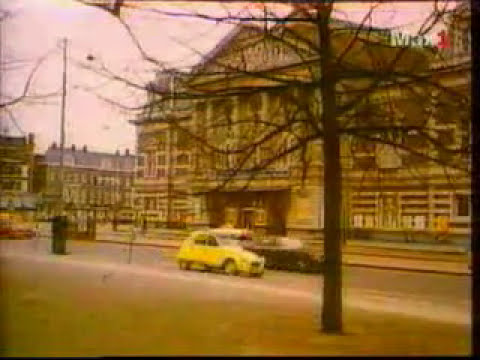
Citroën ZX 16v (1996)
Concept: A high-energy ad showcasing the sporty performance of the ZX, aimed at a younger audience.
Impact: Positioned Citroën as a brand with sporting credentials, competing in a segment dominated by Germans and Italians.
🎥 Watch the ad here:

Citroën DS3 "You've Got Style" (2016)
Concept: A fashion-driven campaign celebrating individuality and personal style.
Impact: Linked Citroën with the world of contemporary design and creativity, reinforcing its appeal among urban, style-conscious consumers.
🎥 Watch the ad here:
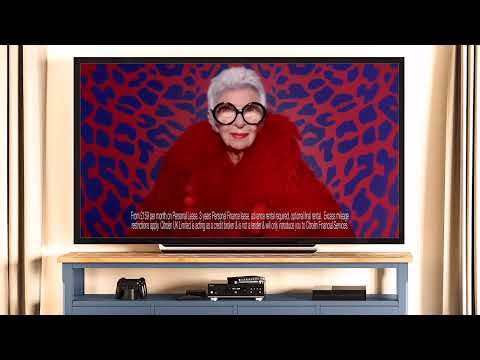
(Note: The link currently shows limited metadata; the full ad is available via YouTube search.)
Generation AMI – Anti-Bullying Campaign (2020s)
Concept: The Citroën Ami, a small electric vehicle, was mocked online for its unconventional design. Citroën turned this bullying into an educational opportunity, creating school programs against harassment.
Impact: Demonstrated that brands can respond to negativity with empathy and constructive action.
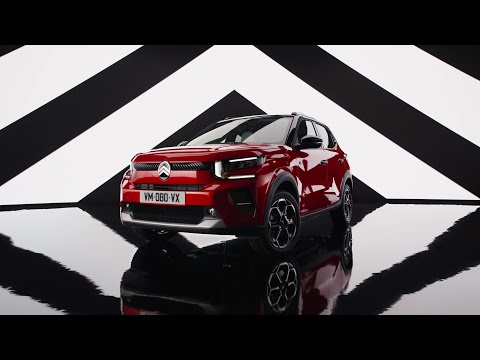
ë-C3 "Revolution" (2024)
Concept: A satirical ad where aristocrats are interrupted by ordinary citizens "stealing" electric cars. The slogan: "Electric is no longer for the elite."
Impact: Positioned the ë-C3 as an affordable, democratizing electric vehicle at a time when EVs were perceived as a privilege of the wealthy.
🎥 Watch the ad here:
https://www.youtube.com/watch?v=UXL6zzORBJ
📊 Table: Citroën Ads and Cultural Impact
| 1920s Eiffel Tower Stunt | National pride, spectacle | Embedded Citroën in French identity |
| 1985 CX GTi Turbo (Grace Jones) | Surrealist, avant-garde | Cult classic, scandal, art in advertising |
| 1984 2CV "Tortoise" | Humor, endurance | Reinforced 2CV as cultural icon |
| 1996 ZX 16v | Performance, youth | Positioned Citroën as sporty |
| 2016 DS3 "You've Got Style" | Fashion, individuality | Linked cars to personal style |
| 2020s Generation AMI | Social responsibility | Anti-bullying, youth empowerment |
| 2024 ë-C3 Revolution | Political satire | Democratized EVs, tied to class debates |
Expert Analysis: Why These Campaigns Worked
Authenticity: Citroën's campaigns succeed because they align with the brand's identity: bold, nonconformist, and deeply French. They don't try to be what they're not.
Artistic Innovation: The Grace Jones ad proved that advertising could be surreal art, not just a means to sell. It opened a door that other brands, decades later, are still exploring.
National Pride: The Eiffel Tower feat wasn't just advertising; it was a declaration of belonging. Citroën declared itself part of France, and France, implicitly, adopted Citroën.
Social Responsibility: Generation AMI showed that advertising can do more than entertain; it can educate and protect. Citroën turned a vulnerability into a virtue.
Political Timing: The ë-C3 Revolution campaign arrived at the exact moment when the debate about the "democratization" of electric technology was at its peak. Citroën didn't just join the conversation; it led it.
Broader Cultural Significance
Advertising History: Citroën's campaigns are studied as milestones in avant-garde advertising. They represent the transition from informative advertising to advertising as cultural expression.
Pop Culture: The Grace Jones ad, the 2CV tortoise, and the revolutionary satire have transcended their commercial function. They are referenced in essays, art exhibitions, and academic debates.
Consumer Psychology: Emotional resonance builds loyalty. Citroën consumers don't just buy a car; they buy a cultural affiliation. They feel part of a tradition of nonconformity.
Global Reach: Although deeply French, Citroën's ads resonate internationally because they appeal to universal values: creativity, equality, and resistance to the status quo.
Conclusion / The Legacy of Citroën Ads
Citroën's advertising has influenced culture by daring to be different. From lighting up Paris's most famous monument to creating surreal art with Grace Jones, and from celebrating the 2CV's resilience to satirizing the electric elite, Citroën has proven that advertising can be much more than a means to sell cars.
It can be a mirror of society. It can be a political comment. It can be an act of kindness.
The legacy of Citroën in advertising is the ultimate proof that brands, when they dare to be authentic, innovative, and socially conscious, can transcend their product category to become true cultural forces.
🎥 Iconic Citroën Ads on YouTube (Raw Links)
Grace Jones – La beauté sauvage CX GTi Turbo (1985):
 Watch YouTube video
Citroën 2CV "Tortoise" (1984):
Watch YouTube videoCitroën ZX 16v (1996):
Watch YouTube videoCitroën DS3 "You've Got Style" (2016):
Watch YouTube videoCitroën ë-C3 Revolution Ad (2024):
Watch YouTube video

Discover the iconic songs that have defined Heineken commercials. Explore the music that enhances the brand's storytelling and captivates audiences worldwide.

Discover the allure of Gucci ads featuring iconic celebrities. Explore stunning visuals and captivating campaigns that redefine luxury fashion.

Discover Taco Bell's most memorable advertising slogans that have captured hearts and appetites. Explore the creativity behind their catchy phrases today!

Discover the iconic Adidas commercials that shaped the landscape of TV advertising. Explore memorable campaigns and their impact on pop culture.
Discover how Sony shapes the landscape of entertainment advertising, leveraging innovative strategies to engage audiences and enhance brand visibility.

Discover how emotional campaigns in sports advertising connect with audiences, driving engagement and loyalty through powerful storytelling and relatable themes.

Discover the groundbreaking streaming ads that transformed digital advertising. Explore their impact and learn how they shaped the future of marketing.

Explore the evolution of Givenchy perfume campaigns through the years, showcasing iconic scents and captivating visuals that define luxury and elegance.