

Few brands have managed to embed themselves so deeply into the fabric of American daily life as Dunkin' Donuts. Founded in 1950 in Quincy, Massachusetts, the chain grew from a humble regional coffee and donut shop into a global powerhouse with over 12,000 locations worldwide. Its success is not just a story of product quality and expansion strategy—it is also a story of advertising genius.
Dunkin's slogans have done more than sell coffee and donuts. They have captured the essence of American routine, convenience, and cultural belonging. From the weary dedication of "Time to Make the Donuts" to the national declaration of "America Runs on Dunkin'," these phrases have become part of the language itself.
This essay explores Dunkin's most memorable slogans, analyzing their historical context, cultural impact, and enduring legacy in modern branding.
📜 Early Years (1950s–1970s)
"World's Finest Coffee" (1950s)
The Context: In its earliest decades, Dunkin' Donuts needed to establish credibility. Coffee was just ten cents a cup, and the slogan emphasized that affordability did not mean compromising on quality.
The Message: The claim was bold but simple: you could get the world's finest coffee at Dunkin'. It positioned the brand as a reliable choice for everyday Americans who wanted good coffee without pretension.
The Impact: This slogan laid the foundation for Dunkin's identity. It told consumers that quality and affordability could coexist—a message that would define the brand for decades.
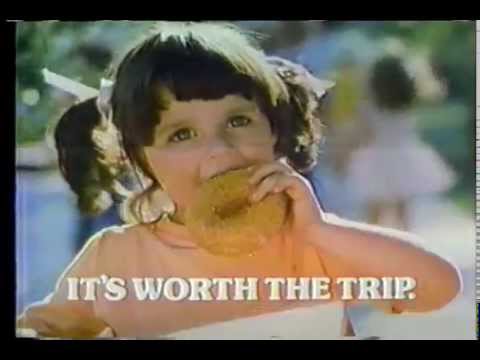
"It's Worth the Trip" (1980s)
The Concept: This slogan reinforced Dunkin's appeal as a destination worth going out of your way for. It suggested that Dunkin' wasn't just convenient—it was a place you actively chose.
The Message: In an era of increasing competition, "It's Worth the Trip" reminded consumers that Dunkin' offered something special. The trip was not a chore; it was a reward.
The Impact: The slogan helped Dunkin' compete with local coffee shops and other chains by emphasizing the brand's unique value proposition.
🎥 Watch "It's Worth the Trip" here:
🕰️ The Iconic Era (1981–1997)
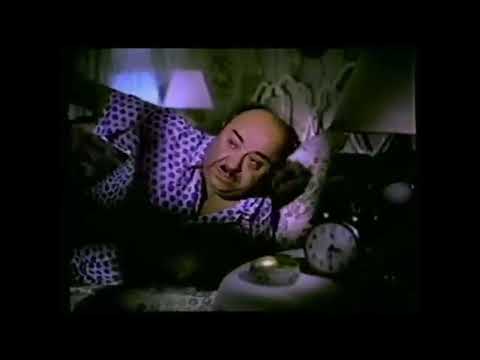
"Time to Make the Donuts"
The Character: In 1981, Dunkin' introduced one of the most beloved figures in advertising history: Fred the Baker. Played by actor Michael Vale, Fred was a weary, dedicated baker who shuffled through early mornings to ensure donuts were fresh for customers.
The Catchphrase: Fred's signature line, delivered with exhausted sincerity, was "Time to make the donuts." It became an instant cultural touchstone.
The Message: The campaign emphasized freshness and daily routine. Fred's dedication reflected the values of hard work and reliability that resonated with working-class Americans.
The Longevity: The campaign ran for an astonishing 17 years, making it one of the longest-running and most recognizable campaigns in U.S. advertising history. Fred became a cultural institution.
The Legacy: Even decades after the campaign ended, "Time to Make the Donuts" remains a shorthand for daily routine and dedication. It has been referenced in countless TV shows, movies, and parodies—a testament to its cultural penetration.
🎥 Watch "Time to Make the Donuts" here:
🇺🇸 Modern Branding (2006–Present)
"America Runs on Dunkin'" (2006–Present)
The Concept: Launched in 2006, this slogan positioned Dunkin' as essential to American daily life. It was a bold declaration that went beyond coffee and donuts to suggest cultural centrality.
The Message: The slogan targeted busy professionals, students, families—anyone whose day needed fuel. It emphasized convenience, speed, and affordability, positioning Dunkin' as the opposite of luxury coffee experiences.
The Execution: Ads featured people from all walks of life powering through their days with Dunkin'. The message was clear: whatever you're doing, wherever you're going, Dunkin' helps you get there.
The Impact: The slogan helped Dunkin' compete with Starbucks by focusing on a different value proposition. While Starbucks sold an experience, Dunkin' sold fuel for the American engine. It worked—the slogan became instantly recognizable and deeply associated with the brand.
🎥 Watch "America Runs on Dunkin'" here:
The Rebrand: "Dunkin'" (2018)
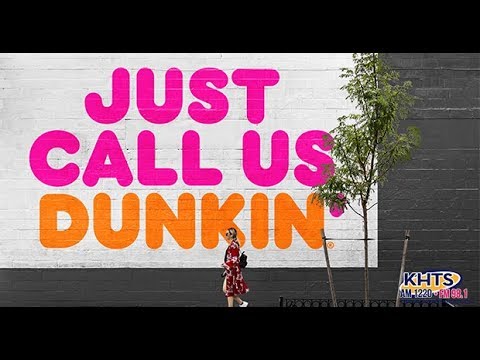
The Context: In 2018, Dunkin' made a significant strategic decision: it dropped "Donuts" from its name, becoming simply "Dunkin'." The move reflected the brand's evolution from a donut-centric business to one focused on beverages and broader food offerings.
The Message: The rebrand signaled modernization and lifestyle branding. Dunkin' wanted to be known for its coffee, cold brews, and on-the-go convenience, not just its original product.
The Campaign: Ads emphasized the new name while maintaining the brand's core identity of accessibility and speed. The slogan "Dunkin'" was simple, memorable, and adaptable.
The Impact: While some traditionalists mourned the loss of "Donuts," the rebrand successfully positioned Dunkin' for a new era. It demonstrated the brand's willingness to evolve while maintaining its cultural relevance.
🎥 Watch the 2018 rebrand campaign here:
📊 Comparison Table: Dunkin' Donuts Slogans
| 1950s | World's Finest Coffee | Quality, affordability | [Search: "Dunkin Donuts 1950s commercial"] |
| 1980s | It's Worth the Trip | Destination appeal |  Watch YouTube video |
| 1981–1997 | Time to Make the Donuts | Freshness, routine |  Watch YouTube video |
| 2006–Now | America Runs on Dunkin' | Convenience, cultural identity |  Watch YouTube video |
| 2018 | Dunkin' | Modernization, beverage focus |  Watch YouTube video |
🌍 Cultural Impact
Routine & Freshness: "Time to Make the Donuts" became synonymous with daily rituals. Fred the Baker wasn't just selling donuts; he was selling the idea that some things are worth the effort every single day.
National Identity: "America Runs on Dunkin'" positioned the brand as essential to U.S. work culture. It tapped into the national self-image of hardworking people who need fuel to power through their days.
Modernization: The 2018 rebrand showed Dunkin's adaptability to changing consumer preferences. The brand recognized that its future was in beverages and acted accordingly.
Global Reach: While deeply American, Dunkin's slogans have translated well internationally. The emphasis on convenience and affordability resonates across cultures.
🔎 Expert Analysis
Dunkin's slogans succeed because they simplify complex brand values into relatable phrases. "America Runs on Dunkin'" isn't just a slogan; it's a worldview.
They emphasize routine, accessibility, and cultural belonging, rather than luxury or exclusivity. This positions Dunkin' as the people's brand, not the elite's choice.
Compared to Starbucks, Dunkin' focuses on speed and affordability, making its slogans resonate with everyday consumers. Starbucks sells an experience; Dunkin' sells fuel.
"Time to Make the Donuts" achieved something rare: it made advertising into folklore. Fred the Baker became a character Americans felt they knew personally.
⚠️ Risks & Challenges
Competition: Starbucks and other coffee chains emphasize premium experiences. Dunkin' must maintain its identity while not appearing low-quality by comparison.
Identity Shift: Dropping "Donuts" from the name risked alienating traditional customers who associated the brand with its original product.
Consistency: Maintaining cultural relevance while modernizing is a delicate balance. Dunkin' must evolve without losing what made it beloved.
📜 Decade-by-Decade Context
1950s: Quality & Affordability
"World's Finest Coffee" emphasized value, establishing Dunkin' as a reliable choice for quality coffee at a fair price.
1980s: Destination Branding
"It's Worth the Trip" reinforced Dunkin's appeal as a go-to spot, worth going out of your way for.
1981–1997: Routine & Freshness
"Time to Make the Donuts" became a cultural phenomenon, embedding Dunkin' in the American understanding of daily ritual.
2006–Present: National Identity
"America Runs on Dunkin'" tied the brand to everyday American life, making it synonymous with productivity and routine.
2018: Modernization
The rebrand to "Dunkin'" reflected a strategic shift toward beverages and lifestyle branding, ensuring the brand's relevance for a new generation.
Conclusion
Dunkin' Donuts' catchiest slogans—especially "Time to Make the Donuts" and "America Runs on Dunkin'"—not only sold coffee and donuts but also embedded themselves into American culture. Their evolution reflects Dunkin's ability to adapt while staying true to its core identity of convenience, affordability, and routine.
Fred the Baker taught us that dedication matters. "America Runs on Dunkin'" taught us that we're all in this together, fueling our days with caffeine and carbs. The 2018 rebrand taught us that even beloved institutions must evolve.
From quality messaging in the 1950s to cultural identity in the 2000s and modernization in the 2010s, Dunkin's slogans demonstrate the enduring power of advertising to shape consumer perception. They are more than marketing—they are cultural markers of daily life, reminders that in the rush of modern existence, sometimes the most profound moments are the simplest: a cup of coffee, a donut, and the time to enjoy them both.
Discover the most memorable Dunkin’ Donuts phrases from their iconic ads. Explore how these catchy lines have shaped the brand's identity and customer loyalty.

Explore Dell's innovative journey in technology advertising, showcasing how the brand has evolved and influenced the tech landscape over the years.

Discover how Uber leverages innovative advertising strategies to communicate its brand evolution and engage customers effectively. Explore the impact of their ads.

Discover how Adidas commercials revolutionized sports marketing, showcasing iconic campaigns that defined athletic branding and inspired generations of fans.

Explore the rich history of HP advertising and its impactful global campaigns. Discover how HP has shaped marketing strategies over the decades.

Explore the impactful global campaigns of the 2010s that shaped social movements, influenced culture, and sparked change across the world.

Discover the legacy of Coca-Cola's "Taste the Feeling" campaign, celebrating moments of joy and connection through its iconic flavors and timeless appeal.

Discover the transformative journey of Nike ads for women, showcasing empowerment, diversity, and innovation in sports marketing. Explore the evolution now!

Discover the most iconic Super Bowl ads from the 90s that defined a decade. Relive the nostalgia and creativity that captivated millions of viewers.