

Uber began with a simple idea in 2009: what if you could request a ride with the tap of a button? Fifteen years later, that idea has evolved into a global mobility platform that encompasses ride-hailing, food delivery, freight transportation, and even cultural experiences. Uber is not just an app; it's a verb, a lifestyle, and for many, an essential part of daily life.
This transformation did not happen by accident. It was shaped, in part, by advertising that consistently communicated innovation—not as abstract technology, but as tangible convenience, safety, and cultural relevance. From its early "Where to?" campaign to the creative brand activations of the mid-2020s, Uber's advertising has told a story of progress that consumers could see, feel, and trust.
This essay explores how Uber communicates innovation through its advertising, analyzing key campaigns, strategies, and their cultural impact.
📜 Early Advertising (2010–2015)
The Challenge: When Uber launched, it faced a fundamental problem: people were accustomed to taxis. They knew how they worked, where to find them, and what to expect. Uber needed to explain a new way of moving through cities—one that was simpler, more reliable, and more convenient.
The Solution: Uber's first ads emphasized simplicity. The message was clear: with Uber, you book a ride with a tap. No waving, no waiting, no uncertainty.
"Where to?" Campaign (2016)
The campaign showcased the core Uber experience: open the app, type where you want to go, and a car arrives. The ads were clean, minimalist, and focused entirely on the user interface. The innovation wasn't in the visuals; it was in the action. The message was simple: this is how easy getting around can be.
🎥 Watch the "Where to?" campaign here:

🍔 Expansion into Food Delivery (2016–2021)
The Evolution: As Uber grew, so did its ambitions. The launch of Uber Eats transformed the company from a mobility platform into a lifestyle brand. Now Uber wasn't just about getting you somewhere; it was about getting you something.
Uber Eats – "Tonight I'll Be Eating" Campaign
The Concept: This celebrity-driven campaign featured stars like Mark Hamill, Patrick Stewart, and others humorously struggling with the question of what to eat. The ads were funny, relatable, and perfectly positioned Uber Eats as the solution to a universal daily dilemma.
The Innovation: The campaign highlighted food delivery innovation—the ability to get restaurant-quality food delivered to your door with the same tap that got you a ride. Uber was no longer just about movement; it was about moments.
The Impact: The campaign expanded Uber's brand identity beyond rides. It positioned Uber as a part of everyday life, not just a transportation tool.
🎥 Watch "Tonight I'll Be Eating" here:

🛡️ Safety and Trust (2020)
The Context: The COVID-19 pandemic created unprecedented challenges for any service involving human interaction. Uber had to reassure customers that using its platform was safe—not just convenient.
"Safety Never Stops" Campaign (2020)
The Concept: The campaign emphasized the new safety features Uber had implemented: mandatory masks, vehicle sanitization, contactless delivery, and health screenings for drivers. The tone was serious, reassuring, and transparent.
The Innovation: The ads highlighted technology's role in protecting people. Uber's innovation wasn't just about efficiency anymore; it was about health, trust, and responsibility.
The Impact: The campaign built trust during a period of global uncertainty. It showed that Uber could adapt quickly to new challenges and prioritize customer well-being.
🎥 Watch "Safety Never Stops" here:
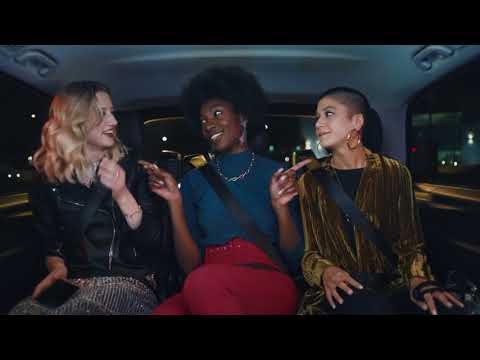
🎨 Creative Brand Activations (2022–2025)
The Evolution: By the mid-2020s, Uber had become a ubiquitous part of urban life. Its advertising shifted from explaining what it did to celebrating what it enabled. The focus moved from utility to lifestyle.
Uber Advertising – Creative Studio
The Concept: Uber's Creative Studio produced collaborations with luxury brands like La Mer, transforming ordinary rides into branded experiences. A trip wasn't just transportation; it was an immersion into a world of luxury and creativity.
The Innovation: The activations demonstrated that Uber's platform could be a medium for brand storytelling. The innovation wasn't in the technology but in the experience it enabled.
The Impact: The campaign elevated Uber from utility to lifestyle platform. It showed that Uber could be a partner in culture, not just a tool for getting around.
🎥 Watch the Creative Studio activation here:

📊 Comparison Table: Uber's Innovation Messaging
| 2016 | Where to? | Mobile convenience | Reinforced app simplicity |  Watch YouTube video |
| 2019 | Uber Eats – Tonight I'll Be Eating | Food delivery innovation | Expanded brand beyond rides |  Watch YouTube video |
| 2020 | Safety Never Stops | Health & safety tech | Built trust during pandemic |  Watch YouTube video |
| 2025 | Creative Studio Activation | Cultural brand integration | Elevated Uber as lifestyle platform |  Watch YouTube video |
🌍 Cultural Impact
Redefining Mobility: Uber's ads have consistently positioned the platform as a solution to urban challenges—traffic, parking, convenience. The message is that cities work better with Uber.
Lifestyle Branding: Campaigns connect Uber to food, fashion, and entertainment. The brand has expanded beyond transportation to become a part of how people live, eat, and experience culture.
Trust Building: Safety ads highlight innovation in rider protection, showing that Uber takes its responsibility seriously. This trust is essential for a platform built on human interaction.
Global Resonance: Uber's localized campaigns adapt to cultural contexts while maintaining a unified brand identity. A ride in Tokyo feels different from a ride in São Paulo, but the promise of convenience and reliability is the same.
🔎 Expert Analysis
Uber's ads succeed because they simplify technology into relatable experiences. The innovation is never abstract; it's always about what the user can do.
They highlight innovation as lifestyle, not just utility. Uber doesn't just sell rides; it sells the freedom to move, eat, and experience without friction.
By integrating celebrities and cultural events, Uber ensures global relevance. Mark Hamill isn't just a spokesperson; he's a cultural touchstone that makes the brand feel connected to entertainment and pop culture.
Ads reinforce Uber's identity as a tech pioneer in mobility and delivery. The company consistently positions itself ahead of competitors in both innovation and imagination.
⚠️ Risks & Challenges
Regulatory scrutiny: Ads must balance innovation with compliance. Uber operates in highly regulated environments, and its advertising must navigate these complexities.
Competition: Rivals like Lyft and Bolt emphasize similar tech features. Standing out requires constant innovation in both product and messaging.
Authenticity: Over-promising innovation risks consumer skepticism. Uber must deliver on its promises, not just advertise them.
📜 Decade-by-Decade Context
2010s: Utility and Convenience
Early ads emphasized ride-hailing simplicity, teaching consumers a new way to move through cities.
Late 2010s: Lifestyle Expansion
Uber Eats campaigns expanded brand identity, positioning Uber as part of everyday dining and culture.
2020s: Safety and Trust
Pandemic ads reassured customers with innovation in health, showing that Uber could adapt to global challenges.
Mid-2020s: Cultural Integration
Creative Studio activations elevated Uber into lifestyle branding, transforming rides into cultural experiences.
Conclusion
Uber communicates innovation through advertising by blending technology, convenience, and cultural storytelling. From the simple "Where to?" campaign that taught a generation to tap for rides, to the celebrity-driven humor of Uber Eats, to the trust-building safety messages of the pandemic, to the luxury activations of the mid-2020s—Uber's advertising has consistently evolved while maintaining a core message: innovation makes life easier.
The company's genius has been to position innovation not as abstract technology but as everyday convenience, trust, and cultural relevance. Uber doesn't sell algorithms; it sells the ability to get home safely, to eat what you're craving, to experience something new.
By adapting to each era—utility in the 2010s, lifestyle expansion in the late 2010s, safety in the 2020s, and cultural integration in the mid-2020s—Uber demonstrates the enduring power of advertising to shape consumer perception. Its legacy lies in proving that the most successful technology brands are those that make innovation feel not like technology at all, but simply like life—easier, better, and more connected.
Discover the catchy song featured in the Uber 2026 rides commercial. Uncover the artist and lyrics that are making waves in this exciting ad campaign.
Discover how Uber Ads bring everyday stories to life, showcasing real experiences and connections that resonate with audiences everywhere.

Discover how Adidas commercials revolutionized sports marketing, showcasing iconic campaigns that defined athletic branding and inspired generations of fans.

Explore the rich history of HP advertising and its impactful global campaigns. Discover how HP has shaped marketing strategies over the decades.

Explore the impactful global campaigns of the 2010s that shaped social movements, influenced culture, and sparked change across the world.

Discover the legacy of Coca-Cola's "Taste the Feeling" campaign, celebrating moments of joy and connection through its iconic flavors and timeless appeal.

Discover the transformative journey of Nike ads for women, showcasing empowerment, diversity, and innovation in sports marketing. Explore the evolution now!

Discover the most iconic Super Bowl ads from the 90s that defined a decade. Relive the nostalgia and creativity that captivated millions of viewers.

Discover how celebrities shape fashion advertising trends, influencing styles and consumer choices. Explore the intersection of fame and fashion today.

Discover the iconic actors who have represented luxury brands, blending glamour with high fashion. Explore their influence on style and marketing today.