

Nike is one of the most influential brands in sports and lifestyle marketing. Its advertising has shaped cultural conversations around athletics, identity, and empowerment. Yet, Nike's relationship with women has been complex. In its early years, the brand hesitated to target female athletes, fearing it would dilute its "serious sports" image. Over time, however, Nike transformed its approach, creating campaigns that not only sold products but also challenged gender stereotypes and celebrated women's resilience.
This essay traces the evolution of Nike ads for women from the 1980s to the 2020s, highlighting key campaigns, cultural impact, and the broader social context.
📜 Early Stages (1980s): A Missed Opportunity
Initially, Nike resisted advertising to women, focusing almost exclusively on male athletes. This market myopia allowed its competitor, Reebok, to capitalize on the aerobics boom, gaining significant market share among women. By 1987, Nike began experimenting with women-focused ads, but these early campaigns were too aggressive and failed to resonate. The lesson learned was crucial: women wanted authenticity and empowerment, not condescension or a "watered-down" version of the message aimed at men.
🎬 Breakthrough Campaigns (1990s): The Turning Point
The 1990s marked a before-and-after moment with campaigns that finally understood their audience.
If You Let Me Play (1995)
This ad is arguably the most important in the history of sports marketing aimed at women. With a simple yet powerful aesthetic, it featured girls reciting the benefits of playing sports: gaining confidence, preventing teen pregnancy, learning about health, and understanding the meaning of equality.
Impact: The ad was emotional and persuasive, linking sports to social progress in a way never seen before. Sales to women rose significantly, proving the success of the new strategy. YouTube reference:
 Watch YouTube video

Empowerment & Entitlement Strategy
Nike's women's marketing team focused on three pillars: empowerment, entitlement (the idea that women deserve a place in sports), and product emphasis. Ads began to portray women as serious athletes, not just fitness enthusiasts. This fueled a cultural shift: women's sports gained unprecedented visibility in mainstream advertising.
🌍 Expansion and Community (2000s)
In the 2000s, Nike deepened its commitment to inclusivity and community.
Voices (2012)
This campaign featured female athletes recounting their struggles and triumphs, connecting women's sports to broader cultural narratives about equality. Moving away from the aggressive tones of the past, "Voices" opted for introspection and collective strength.
Impact: It reinforced Nike's role as a champion of inclusivity and authenticity. YouTube reference:
Watch YouTube video

Furthermore, Nike began to emphasize community and truth in its ads, showcasing diverse athletes in terms of race, body type, and sporting discipline, challenging stereotypes and celebrating everyday women.
💪 Modern Era (2010s–2020s): Virality and Resilience
The arrival of social media allowed Nike's messages to achieve unprecedented global scale and cultural resonance.
Dream Crazier (2019)
Narrated by tennis legend Serena Williams, this ad became an instant phenomenon. It highlighted female athletes breaking barriers and directly addressed the sexist stereotypes that women are "too emotional" or "too crazy" when they show passion or ambition.
Impact: It went viral, sparking global conversations about gender in sports and solidifying Nike's role as a brand allied with the feminist struggle. YouTube reference:
Watch YouTube video

You Can't Stop Us (2020)
Launched during the COVID-19 pandemic, this campaign used masterful split-screen editing to show athletes of all genders, sports, and cultures, emphasizing unity and resilience in times of adversity.
Impact: Its message of collective perseverance resonated globally, becoming an anthem of overcoming challenges. YouTube reference:
Watch YouTube video
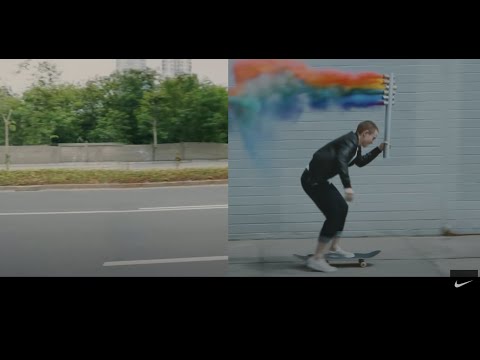
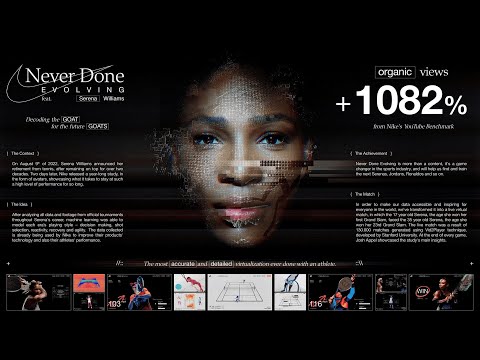
Never Done Evolving (2022)
In this ad, Serena Williams compared her own evolution as an athlete and woman to technological and social progress. The campaign reinforced Nike's message of authenticity and continuous growth, celebrating the legacy of one of its most iconic figures.
Impact: It symbolized Nike's modern leadership and its ability to tell long-form, impactful stories. YouTube reference:
Watch YouTube video
📊 Comparison Table: Nike Ads for Women
| 1987 | Early attempts | Aggressive tone | Limited success | – |
| 1995 | If You Let Me Play | Empowerment, equality | Cultural shift | Watch Video |
| 2012 | Voices | Inclusivity, community | Inspiration | Watch Video |
| 2019 | Dream Crazier | Resilience, diversity | Viral success | Watch Video |
| 2020 | You Can't Stop Us | Unity, perseverance | Global reach | Watch Video |
| 2022 | Never Done Evolving | Authenticity, growth | Modern leadership | Watch Video |
Decade-by-Decade Evolution
1980s: Hesitation & Missed Opportunities – Nike underestimated the potential of the women's market, allowing Reebok to dominate.
1990s: Empowerment & Breakthrough – "If You Let Me Play" became a cultural milestone. Nike embraced the idea that women were entitled to a place in sports.
2000s: Inclusivity & Community – Campaigns focused on truth, diversity, and everyday athletes, connecting sports to broader social movements.
2010s–2020s: Viral Empowerment – Campaigns like "Dream Crazier" and "You Can't Stop Us" reached global audiences through digital narratives that resonated with feminist and social movements.
🌍 Cultural Impact and Expert Analysis
The cultural impact of these ads is undeniable. Nike went from being a brand that ignored women to becoming one of the most powerful voices in the conversation about gender equality in sports. Its ads:
Challenged stereotypes: They portrayed women as strong, resilient, and competitive.
Connected with social movements: They aligned with feminist and equality causes, amplifying their relevance.
Achieved global resonance: They featured diverse athletes, appealing to audiences across all cultures.
Expert Analysis: Nike's strengths lie in its ability to balance empowerment with authenticity. Unlike its competitors, Nike positioned women as central figures in sports culture, not as a secondary niche.
⚠️ Risks and Challenges
Despite its success, Nike has constantly navigated challenges:
Avoiding tokenism: Inclusion must be genuine and not just a marketing exercise.
Global sensitivity: Campaigns must adapt to diverse cultural contexts without losing their essence.
Maintaining authenticity: Any misstep can be harshly criticized in the age of social media.
Conclusion
Nike's evolution in advertising directed at women reflects broader social changes. From hesitant beginnings in the 1980s, through empowering campaigns in the 90s, to the viral digital ads of today, Nike transformed women's sports advertising. Today, Nike's ads for women are not just commercials—they are cultural statements about equality, resilience, and empowerment.
By adapting to each era, Nike demonstrated the enduring power of advertising to shape cultural narratives. These ads are more than marketing; they are milestones in the fight for gender equality in sports.
Discover the athlete featured in the Nike Training Club 2026 campaign ad. Uncover their story, achievements, and what makes them a standout in the fitness world.
Learn what makes the Nike 2026 commercial a hot topic in the US. Analyze its innovative approach and the reactions it’s generating across social media.
Discover the filming locations of the iconic Nike running commercial. Uncover the stunning backdrops that brought this powerful ad to life.

Discover the most iconic Super Bowl ads from the 90s that defined a decade. Relive the nostalgia and creativity that captivated millions of viewers.

Discover how celebrities shape fashion advertising trends, influencing styles and consumer choices. Explore the intersection of fame and fashion today.

Discover the iconic actors who have represented luxury brands, blending glamour with high fashion. Explore their influence on style and marketing today.

Discover the top actors leading the way in tech campaigns. Explore rankings, insights, and trends that highlight their impact on the industry.

Discover the allure of famous faces in perfume advertising. Explore iconic campaigns and the celebrities who brought fragrances to life in stunning visuals.

Discover Angelina Jolie's impactful role in charity ads, highlighting her commitment to humanitarian causes and inspiring change through powerful messaging.

Discover the captivating world of Keanu Reeves and his iconic motorcycle ads. Explore his passion for bikes and the artistry behind each campaign.

Nowadays, people have busy schedules. Moreover, the cost of gym memberships is also rising. Fortunately, staying fit no longer requires an expensive gym membership