

Disney is not only the world's most famous entertainment company—it is also one of the most influential advertisers in history. From Mickey Mouse's early promotions to blockbuster campaigns like Frozen and Star Wars: The Force Awakens, Disney has consistently mastered the art of emotional marketing. Its advertising legacy is built on storytelling, nostalgia, innovation, and social responsibility, turning films, parks, and streaming services into cultural phenomena that span generations.
This essay explores how Disney built its advertising legacy, tracing campaigns from the 1930s to the 2020s, analyzing their cultural impact, and highlighting iconic commercials with YouTube references.
🌟 Foundations of Disney Advertising (1920s–1950s): Building the Magic
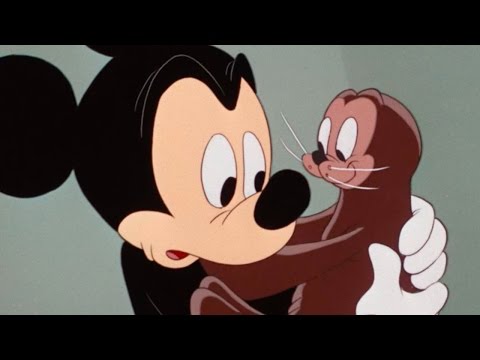
The foundations of Disney's advertising genius were laid in its earliest years, when Walt Disney himself understood that a character could be more than just a drawing—it could be a brand. Mickey Mouse became Disney's first advertising success, transforming a cartoon character into a global mascot. Posters, radio spots, and a revolutionary approach to tie-in merchandise built unprecedented brand recognition. Mickey wasn't just starring in shorts; he was on lunchboxes, watches, and clothing, making Disney a constant presence in children's lives.
YouTube reference:
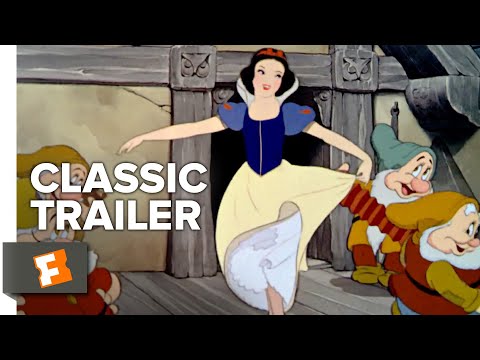
With Snow White and the Seven Dwarfs (1937) , Disney pioneered the modern film advertising campaign. The first full-length animated feature was marketed not as just another cartoon, but as a magical, must-see cinematic event. Trailers, posters, and press coverage emphasized the film's scope and emotional depth, establishing a template for blockbuster marketing that is still used today.
YouTube reference:
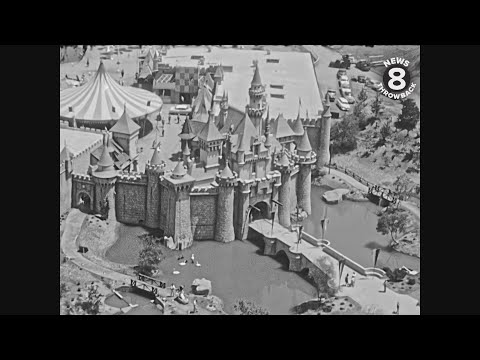
The opening of Disneyland in 1955 required a different kind of advertising. The campaign emphasized the park as "The Happiest Place on Earth," blending television specials with family-oriented ads that promised an escape into a world of imagination. Walt Disney himself hosted broadcasts, personally inviting families to share in the dream. This direct, heartfelt approach created an emotional bond with audiences that no billboard could achieve.
YouTube reference:
📺 Expanding the Magic (1960s–1980s): Television and the Lifestyle Brand
As television became the dominant medium, Disney adapted masterfully. The Wonderful World of Disney series, which ran for decades, was essentially a weekly advertisement for the entire Disney ecosystem. It promoted new films, gave behind-the-scenes looks at the parks, and kept the Disney brand in living rooms across America every Sunday night. This sustained presence built intergenerational loyalty.
Merchandising became an art form. Ads for films were seamlessly tied to toys, clothing, and collectibles, ensuring that the magic of a movie could be held in a child's hands long after the credits rolled. This strategy reinforced brand loyalty and turned each film release into a multi-platform commercial opportunity.
The opening of EPCOT Center at Walt Disney World (1982) saw campaigns shift to highlight innovation and imagination. No longer just a place for rides, Disney was positioning itself as a visionary force, a brand associated with the future and human achievement.
YouTube reference:
❄️ Blockbuster Campaigns (1990s–2010s): The Disney Renaissance and Beyond
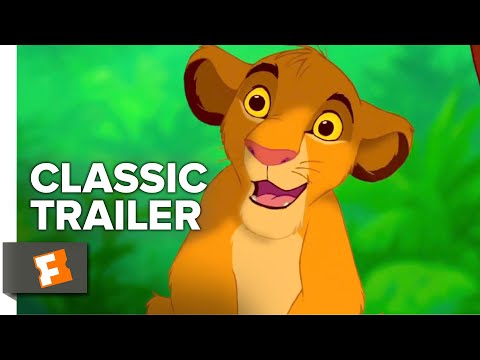
The Disney Renaissance of the 1990s produced some of the most beloved films of all time, and their advertising campaigns were equally memorable. The Lion King (1994) was marketed as an epic in the tradition of Hamlet, a story of life, death, and responsibility. The ads emphasized the film's stunning animation and powerful music, turning it into a cultural juggernaut that generated billions in merchandise sales.
YouTube reference:
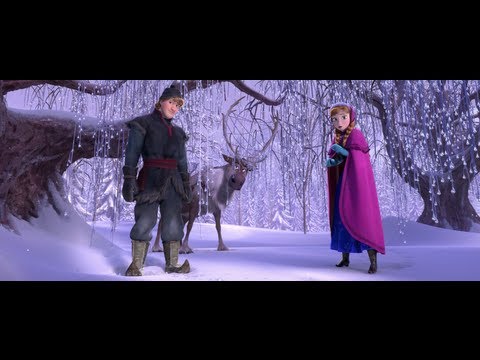
With the acquisition of Pixar, Marvel, and Lucasfilm, Disney's advertising entered a new era of blockbuster synergy. The campaign for Frozen (2013) focused on sisterhood and empowerment, a message that resonated so deeply that "Let It Go" became an inescapable anthem. The marketing strategy fueled a merchandise phenomenon that lasted for years.
YouTube reference:
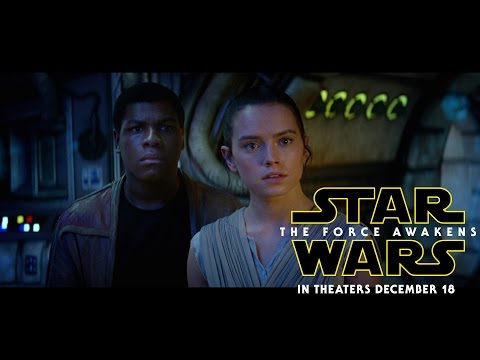
The return of Star Wars with The Force Awakens (2015) was a masterclass in anticipation. Nostalgic teasers, carefully guarded secrets, and a massive social media campaign drove global excitement to a fever pitch. The first trailer became a cultural event in itself, viewed millions of times within hours.
YouTube reference:
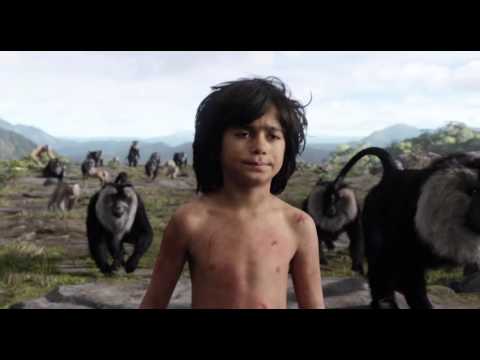
Even live-action adaptations like The Jungle Book (2016) were marketed with precision, using suspenseful trailers that appealed to older audiences while promising the wonder of the original.
YouTube reference:
🌍 Social Responsibility & Community Campaigns (2010s–2020s)
In the 2010s, Disney expanded its advertising to emphasize social responsibility and community engagement. The #ShareYourEars (2016) campaign invited fans to post photos wearing Mickey Mouse ears, with Disney donating to the Make-A-Wish Foundation for each post. This brilliant strategy turned fans into active participants in a charitable cause, generating millions of impressions and raising significant funds.
YouTube reference:
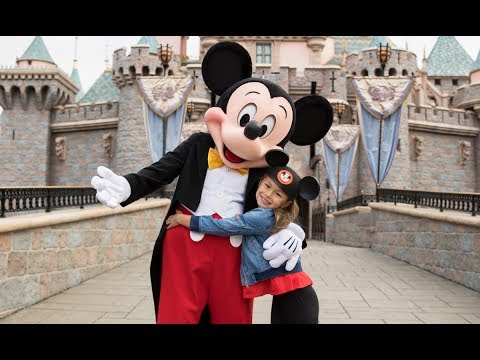
Campaigns like This Is Magic focused on authentic guest experiences, using real visitor joy captured in the parks to generate organic social media content. Celebrity collaborations, such as the Dream Portraits series photographed by Annie Leibovitz, reinforced Disney's aspirational image by placing stars like Beyoncé and Scarlett Johansson in iconic fantasy settings.
🎉 Disney100 & Modern Strategies (2023–2025)
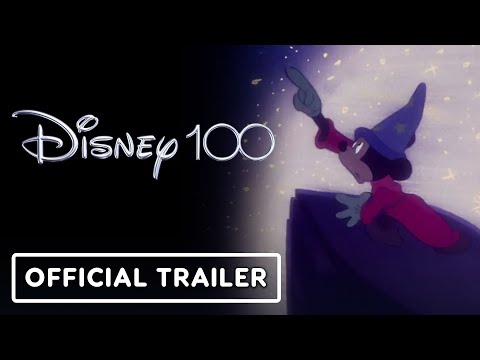
Disney's 100th anniversary in 2023 was celebrated with campaigns that united characters across generations. The short film Once Upon a Studio featured nearly every Disney character ever created, from Mickey to Elsa, gathering for a group photo. The ad was a powerful piece of nostalgia that reminded audiences of the company's unparalleled legacy.
YouTube reference:
The expansion of Disney+ required a shift to streaming-focused advertising. During the pandemic, Disney+ ads emphasized emotional storytelling and the comfort of familiar characters, sustaining loyalty during a time of global uncertainty.
YouTube reference:
Experiential marketing, such as exhibits for Mickey's 90th Birthday and the Disney100 celebration, showcased immersive brand history, allowing fans to walk through decades of magic.
📊 Comparison Table: Disney's Advertising Legacy
| 1930s–50s | Mickey Mouse, Snow White ads |  Watch YouTube video |
| 1960s–80s | TV specials, Disneyland ads |  Watch YouTube video |
| 1990s–2010s | Lion King, Frozen, Star Wars |  Watch YouTube video Watch YouTube video Watch YouTube video |
| 2010s–20s | #ShareYourEars, Disney+ ads |  Watch YouTube video |
| 2023–25 | Disney100 celebrations |  Watch YouTube video |
Expert Analysis and Decade-by-Decade Evolution
Disney's advertising genius lies in its ability to sell not just a product, but a feeling. Each era has built upon the last.
1930s–1950s: Foundations. Disney pioneered film advertising and built brand mascots.
1960s–1980s: Expansion. TV specials and park ads brought Disney into homes; EPCOT campaigns emphasized innovation.
1990s–2010s: Blockbusters. Campaigns combined nostalgia with modern marketing across multiple platforms.
2010s–2020s: Social Responsibility. Community-focused campaigns like #ShareYourEars built trust and engagement.
2023–2025: Disney100. Celebrations united generations, reinforcing legacy through nostalgia and innovation.
🌍 Cultural Impact and Future Challenges
Disney's advertising has shaped global culture by making ads feel like events. Its campaigns tap into childhood memories while constantly innovating. However, the company faces challenges: balancing nostalgia with the need to create new icons, adapting to diverse cultural contexts worldwide, and differentiating Disney+ in an increasingly crowded streaming market.
Conclusion
Disney's advertising legacy is built on storytelling, nostalgia, innovation, and social responsibility. From Mickey Mouse to Disney100, campaigns have consistently turned films and parks into cultural phenomena. By adapting to each era—classic animation, TV dominance, blockbuster marketing, social media engagement, and streaming expansion—Disney remains a master of advertising magic. In a world of constant change, Disney's ads remind us that some magic is forever.
Discover the funniest fast food campaigns that made us laugh out loud! Explore hilarious ads and promotions that brought joy to our meals.

Discover the groundbreaking campaigns that transformed streaming advertising. Explore innovative strategies and success stories that shaped the industry.

Discover how L’Oréal’s iconic slogan has shaped beauty marketing and influenced consumer perceptions. Explore its lasting impact on the industry.

Discover the fascinating evolution of Levi's advertising, exploring iconic campaigns and their impact on fashion and culture throughout the decades.

Discover the most iconic holiday ads in U.S. history. Explore the creativity and nostalgia that shaped festive marketing campaigns over the years.

Discover the latest luxury fashion campaigns featuring your favorite celebrities. Explore stunning visuals and exclusive insights into high-end style trends.

Discover the actors who brought tech brands to life, showcasing their unique roles in advertising and brand representation. Explore their impact on the industry.

Discover the top actors who have made a splash in drink commercials. Explore rankings, insights, and memorable performances that quench your curiosity.