
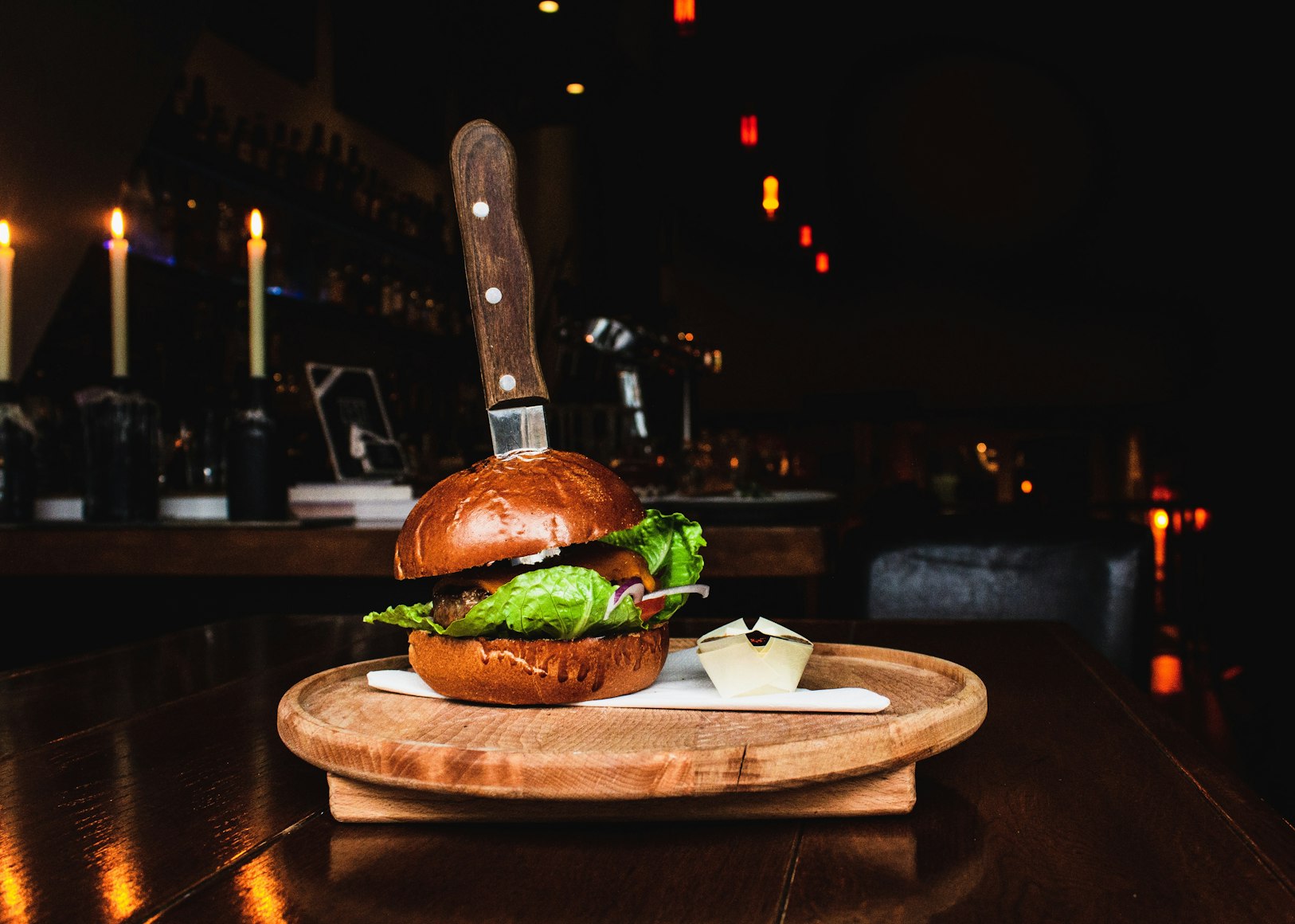
Fast food advertising has always thrived on humor. Unlike luxury fashion or tech, fast food brands compete in a crowded market where differentiation often comes from quirky mascots, absurd humor, and memorable catchphrases. Funny campaigns not only sell burgers or pizza but also create cultural moments that stick in collective memory, often outlasting the products themselves. In a world where consumers are bombarded with thousands of ads daily, making them laugh is one of the surest ways to make them remember.
This essay explores the funniest fast food campaigns, tracing their evolution decade by decade, analyzing their cultural impact, and highlighting iconic commercials with YouTube references.
🍕 Domino's – "Avoid the Noid" (1987): The Villain We Loved to Hate
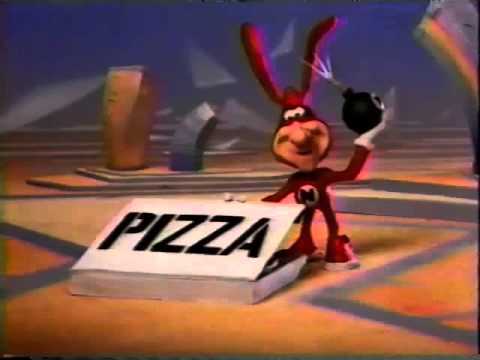
In the 1980s, Domino's Pizza faced a challenge: how to stand out in a rapidly growing delivery market. Their solution was brilliantly absurd: create a villain. The Noid was a claymation creature in a red rabbit-like suit who was obsessed with ruining pizzas. He would do everything in his power to make deliveries late or pizzas cold, and only Domino's could stop him.
The campaign, "Avoid the Noid," turned a simple delivery promise into an epic battle. The commercials were mini-adventures featuring the mischievous Noid causing chaos, only to be foiled by the swift service of Domino's. The character became a pop culture icon, inspiring a cult-classic Nintendo video game and a line of merchandise. The humor was pure 1980s: quirky, slightly surreal, and utterly memorable. Decades later, the Noid remains a beloved piece of advertising history, a testament to the power of creating a villain audiences love to hate.
YouTube reference:
🥪 Quiznos – Spongmonkeys (2004): The Beautifully Bizarre
By the early 2000s, advertising was ready for something truly strange, and Quiznos delivered. The Spongmonkeys were grotesque, wide-eyed, rodent-like creatures with unsettling grins who sang an off-key jingle: "We love the subs, 'cause they are good to us." The commercial was so bizarre, so utterly devoid of traditional advertising polish, that it became an instant phenomenon.
The Spongmonkeys were polarizing. Many found them deeply unsettling, even nightmare-inducing. But that was precisely the point. In a world of polished, focus-grouped commercials, Quiznos' ad was impossible to ignore. It sparked water-cooler conversations, late-night talk show jokes, and endless parodies. It went viral before "going viral" was a marketing strategy. The campaign proved that being loved is great, but being talked about is even better. The Spongmonkeys cemented Quiznos in advertising history as the brand brave enough to embrace beautiful absurdity.
YouTube reference:

🌮 Taco Bell – "Yo Quiero Taco Bell" (1997): A Star Was Born
In the late 1990s, Taco Bell found its voice—and it belonged to a Chihuahua. The "Yo Quiero Taco Bell" campaign featured a tiny, expressive Chihuahua whose sole mission in life was to get his paws on Taco Bell's food. With his signature line, "¡Yo quiero Taco Bell!" (I want Taco Bell), the dog became an overnight sensation.
The humor came from anthropomorphism. The Chihuahua was given human desires, frustrations, and an outsized personality. He was skeptical of other fast food, determined in his quest, and endlessly charming. The campaign transcended advertising; the dog appeared on talk shows, on merchandise, and in the cultural lexicon. It boosted Taco Bell's sales and brand recognition to new heights, proving that a talking animal, when done right, can be pure comedy gold. The campaign appealed to families, young audiences, and anyone who appreciated a well-timed canine side-eye.
YouTube reference:
👑 Burger King – "Wake Up With the King" (2004): The King of Creepy
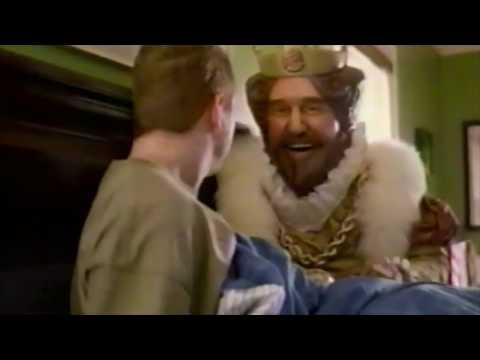
Burger King's mascot, simply known as "The King," has always been a figure of mystery. But in the mid-2000s, the brand leaned into the surreal with the "Wake Up With the King" campaign. The premise was simple: people would wake up in the morning to find the King silently standing in their bedroom, holding a Burger King breakfast sandwich. He would then join them in bed, staring with his unmoving, waxen smile.
The ads were brilliantly unsettling. The King's silent, immobile presence in such an intimate setting created a humor born of profound awkwardness. It was edgy, it was weird, and it was unforgettable. The campaign sparked endless debate: Was it creepy? Hilarious? Both? That conversation itself was the victory. Burger King reinvented its image with a bold, surreal humor that positioned the brand as edgier and more daring than its rivals. The King became a cultural icon, equally loved and meme'd for his unsettling charm.
YouTube reference:
🍔 Wendy's – "Where's the Beef?" (1984): The Catchphrase That Conquered America
Before the internet, before viral videos, there was "Where's the Beef?" Wendy's 1984 commercial featured three elderly ladies staring at a massive, fluffy bun containing a comically tiny hamburger patty. The smallest, most exasperated lady, Clara Peller, leaned in and demanded, "Where's the beef?"
The line was perfect. It was simple, relatable, and endlessly quotable. It tapped into a universal frustration with products that promise more than they deliver. The catchphrase exploded. It appeared on t-shirts, in political speeches, and in the cultural vernacular. Walter Mondale even used it against Gary Hart during the Democratic primary debates. The ad didn't just sell hamburgers; it captured a moment. The humor came from exaggeration and satire, turning a simple complaint into a national punchline. Clara Peller became an unlikely celebrity, and "Where's the Beef?" remains one of the most famous advertising lines in history.
YouTube reference:

📊 Comparison Table: Funniest Fast Food Campaigns
| Domino's | Avoid the Noid | 1987 | Cartoon villain, absurd | Watch YouTube video |
| Quiznos | Spongmonkeys | 2004 | Surreal, bizarre | Watch YouTube video |
| Taco Bell | Yo Quiero Taco Bell | 1997 | Talking animal, charm | Watch YouTube video |
| Burger King | Wake Up With the King | 2004 | Surreal awkwardness | Watch YouTube video |
| Wendy's | Where's the Beef? | 1984 | Catchphrase, satire | Watch YouTube video |
Expert Analysis and Decade-by-Decade Evolution
Fast food humor has evolved alongside culture, always finding new ways to make us laugh.
1980s: Catchphrases and Characters. Wendy's "Where's the Beef?" proved that a simple, witty line could capture the nation's imagination. Domino's "Noid" showed the power of cartoon absurdity and character-driven comedy.
1990s: Talking Animals and Pop Culture. Taco Bell's Chihuahua campaign leaned into anthropomorphism, creating a character with broad family appeal that transcended advertising to become a pop culture staple.
2000s: Surrealism and Edgy Humor. Burger King's unsettling King mascot and Quiznos' bizarre Spongmonkeys pushed the boundaries of what was acceptable, embracing awkwardness and absurdity to stand out in a cluttered landscape.
2010s–2020s: Viral Humor and Social Media. While not covered in the classic commercials above, this era saw fast food brands, particularly Wendy's, master the art of Twitter roasts and meme culture, proving that humor in the digital age is about speed, wit, and engagement.
🌍 Cultural Impact and Enduring Lessons
These campaigns succeeded because they understood a fundamental truth: people remember how you made them feel. A funny ad creates an emotional connection that a list of product features never could. They became part of our shared cultural vocabulary, referenced in conversations, parodied in other media, and remembered for decades. They proved that humor, whether through a catchphrase, a bizarre creature, or an awkward encounter with a mascot, is one of the most powerful tools in the advertiser's toolkit.
⚠️ Risks and Challenges
Humor is not without risk. Quiznos' Spongmonkeys were polarizing, and some viewers were genuinely repulsed. Burger King's King alienated as many people as it amused. Catchphrases can be overused until they lose all meaning. In an increasingly global and sensitive marketplace, jokes that work in one culture may fall flat or even offend in another. The key is understanding the brand's identity and knowing the audience intimately.
Conclusion
The funniest fast food campaigns—from Domino's Noid to Quiznos' Spongmonkeys, from Taco Bell's Chihuahua to Wendy's "Where's the Beef?"—show that humor can make advertising unforgettable. These ads didn't just sell burgers or pizza; they created cultural moments that still make us laugh decades later. By adapting to each era—catchphrases in the 1980s, talking animals in the 1990s, surreal mascots in the 2000s, and viral humor in the 2010s–2020s—fast food brands demonstrate the enduring power of comedy in advertising. In a world of endless choices, sometimes the brand that makes you laugh is the one you remember when you're hungry.
Discover the full cast of the X Town Square ad, featuring diverse talents and engaging performances that bring the campaign to life. Explore now!
Discover the catchy song featured in the HP Work from Anywhere commercial. Uncover the artist and lyrics that make this ad memorable and engaging.
Discover effective strategies for conducting market research to enhance your campaigns. Learn how to gather insights that drive successful marketing decisions.

Discover the groundbreaking campaigns that transformed streaming advertising. Explore innovative strategies and success stories that shaped the industry.

Discover how L’Oréal’s iconic slogan has shaped beauty marketing and influenced consumer perceptions. Explore its lasting impact on the industry.

Discover the fascinating evolution of Levi's advertising, exploring iconic campaigns and their impact on fashion and culture throughout the decades.

Discover the most iconic holiday ads in U.S. history. Explore the creativity and nostalgia that shaped festive marketing campaigns over the years.

Discover the latest luxury fashion campaigns featuring your favorite celebrities. Explore stunning visuals and exclusive insights into high-end style trends.

Discover the actors who brought tech brands to life, showcasing their unique roles in advertising and brand representation. Explore their impact on the industry.

Discover the top actors who have made a splash in drink commercials. Explore rankings, insights, and memorable performances that quench your curiosity.

Discover the iconic personalities behind automotive advertising. Explore how famous faces have shaped car marketing and influenced consumer choices.