

Few advertising slogans have achieved the cultural resonance of L'Oréal's "Because You're Worth It." Introduced in 1971, the phrase transformed beauty marketing by shifting the narrative from male approval to female empowerment. It became more than a tagline—it was a manifesto that aligned with the feminist movement, reshaped consumer identity, and cemented L'Oréal's position as a global leader in beauty. For over five decades, these four words have not just sold shampoo and hair color; they have sold a concept of self-worth that transcends the products themselves.
This essay explores the origins, evolution, and cultural impact of the slogan, analyzing how it influenced advertising, feminism, and brand identity across decades.
🌟 Origins of the Slogan (1971): A Revolutionary Act
To understand the power of "Because You're Worth It," one must understand the advertising landscape of the 1960s. Beauty ads of that era consistently portrayed women as objects of male desire. The messaging was clear: use this product to attract a man, to keep a man, to be acceptable to a man. Women were secondary characters in their own stories, their value determined by external validation.
Into this environment stepped Ilon Specht, a 24-year-old copywriter at McCann Erickson. Frustrated by the condescending tone of the brief she was given for a L'Oréal hair color campaign, Specht famously grabbed a marker and wrote her own version on the wall: "Because I'm Worth It." It was a radical act of defiance. The line spoke directly to women, asserting autonomy and inherent value, independent of male approval.
The debut commercial for Preference Hair Color was simple but powerful. A woman, confident and self-assured, declared her worth as she colored her hair. The message was revolutionary: spending a little more on yourself was not vanity; it was an investment in your own self-esteem. The slogan positioned L'Oréal's premium pricing not as an expense, but as a justified reward.
YouTube reference:

📈 Evolution Over Time: From "I" to "We"
The genius of the slogan lies in its adaptability. Over five decades, L'Oréal has subtly shifted the wording to reflect the changing values of society while preserving the core message of empowerment.
In the 1970s, the original "Because I'm Worth It" was a bold, individualistic statement. It asserted female self-worth in a male-dominated advertising landscape, aligning perfectly with the rise of second-wave feminism. The "I" was personal, powerful, and unapologetic.
YouTube reference:

By the 1990s, the slogan evolved to "Because You're Worth It." This subtle shift from "I" to "You" made the message more inclusive and directly addressed the woman watching at home. It was an invitation, a conversation starter. The campaigns of this era reinforced confidence and self-assurance, with a diverse range of global ambassadors delivering the line in their own languages.
YouTube reference:
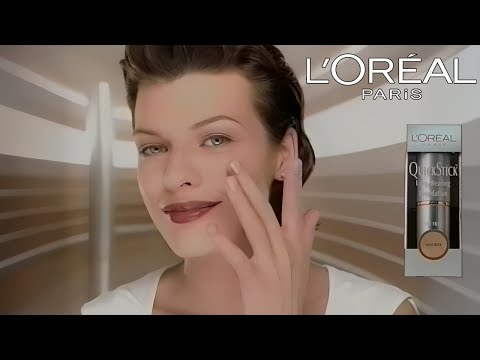
In 2009, L'Oréal made another significant update, introducing "We're Worth It." This change reflected a growing cultural emphasis on collective empowerment, diversity, and inclusivity. The "We" acknowledged that the fight for worth was not an individual struggle but a shared movement. Campaigns featured groups of women from different backgrounds, ethnicities, and ages, all united by the same message.
YouTube reference:

🌍 Cultural and Social Impact: A Global Manifesto
The slogan's power lies in its universality. It has been spoken by an extraordinary roster of ambassadors, each bringing their own authenticity to the words.
Jane Fonda embodies the slogan's message of timeless beauty and activism. Her campaigns emphasize that worth is not diminished by age; it is amplified by experience. Fonda's presence connects L'Oréal to a legacy of social consciousness and authenticity.
YouTube reference:

Viola Davis brings gravitas and undeniable talent, reinforcing that worth is about recognizing one's own value in a world that often diminishes women of color. Céline Dion represents resilience and enduring talent. Eva Longoria brings modern glamour and relatability, showing that worth is about embracing who you are.
YouTube reference:

Each ambassador, in her own way, reinforces the same message: you are worthy, not because of how you look, but because of who you are. This message has transcended language and culture, making "Because You're Worth It" one of the most recognized and respected slogans on the planet.
📊 Comparison Table: Why It Matters
| 1971 – "I'm Worth It" | Female empowerment, autonomy | Original Preference ad | Watch YouTube video |
| 1990s – "You're Worth It" | Inclusivity, confidence | Global ambassadors | Watch YouTube video |
| 2009 – "We're Worth It" | Collective empowerment, diversity | Group campaigns | Watch YouTube video |
| Jane Fonda era | Authenticity, timeless beauty | Jane Fonda | Watch YouTube video |
| Eva Longoria era | Modern glamour, relatability | Eva Longoria | Watch YouTube video |
Expert Analysis and Decade-by-Decade Evolution
The slogan's evolution mirrors the journey of the feminist movement and broader social change.
1970s: Radical Empowerment. The slogan challenged beauty norms, aligning with second-wave feminism. Ads emphasized autonomy and self-expression.
1980s: Glamour and Aspiration. L'Oréal featured glamorous stars, reinforcing the connection between luxury and empowerment. The slogan became synonymous with premium beauty.
1990s: Inclusivity and Global Reach. The shift to "You" addressed women directly and personally. Campaigns expanded globally, resonating across cultures.
2000s: Diversity and Collective Identity. "We're Worth It" reflected a growing emphasis on inclusivity and collective empowerment. Ads featured diverse ambassadors, reinforcing authenticity.
2010s–2020s: Sustainability and Social Responsibility. Modern campaigns emphasize eco-friendly production and social responsibility, evolving the slogan to align with Gen Z values of authenticity and purpose.
🌍 Cultural Impact and Enduring Relevance
The slogan's impact extends far beyond advertising. It has become a cultural touchstone, referenced in academic studies of feminist marketing, analyzed in business schools, and quoted in everyday conversation. It empowered generations of women to embrace self-worth and challenged the beauty industry to see women as subjects, not objects.
For L'Oréal, the slogan became the brand's DNA. It shaped every aspect of its identity, from product development to ambassador selection to corporate social responsibility initiatives. It differentiated L'Oréal from competitors who still focused on external validation, positioning beauty as self-expression rather than secrecy.
⚠️ Risks and Challenges
Despite its success, the slogan faces ongoing challenges. Authenticity is paramount; the words must align with real corporate actions to avoid accusations of "femvertising"—using feminist messaging purely for profit. Cultural sensitivity requires that global campaigns adapt the message to local contexts while preserving its empowering core. And there is always the risk of overexposure; a slogan repeated for fifty years must continually find new ways to feel fresh and relevant.
Conclusion
L'Oréal's "Because You're Worth It" is more than a tagline—it is a cultural manifesto. By reframing beauty as empowerment, it reshaped advertising, inspired women worldwide, and cemented L'Oréal's identity as a brand that champions self-worth. Its enduring relevance shows the power of words to transform industries and societies. By adapting to each era—radical empowerment in the 1970s, glamour in the 1980s, inclusivity in the 1990s, diversity in the 2000s, and sustainability in the 2010s–2020s—L'Oréal demonstrates the enduring power of advertising to shape culture. In four simple words, it told women what too few had ever heard: you matter.

Discover the fascinating evolution of Levi's advertising, exploring iconic campaigns and their impact on fashion and culture throughout the decades.

Discover the most iconic holiday ads in U.S. history. Explore the creativity and nostalgia that shaped festive marketing campaigns over the years.

Discover the latest luxury fashion campaigns featuring your favorite celebrities. Explore stunning visuals and exclusive insights into high-end style trends.

Discover the actors who brought tech brands to life, showcasing their unique roles in advertising and brand representation. Explore their impact on the industry.

Discover the top actors who have made a splash in drink commercials. Explore rankings, insights, and memorable performances that quench your curiosity.

Discover the iconic personalities behind automotive advertising. Explore how famous faces have shaped car marketing and influenced consumer choices.

Discover Tom Hanks' impactful humanitarian ads that inspire change and promote kindness. Explore his commitment to making the world a better place.

Discover how Emma Watson champions sustainability through her impactful roles in eco-friendly ads, promoting a greener future for all.