

Subway is one of the most recognizable fast-food chains in the world, and much of its success comes from the power of advertising slogans. Unlike competitors who leaned heavily on celebrity endorsements or flashy visuals, Subway built its identity around memorable taglines and jingles that emphasized health, freshness, affordability, and customization.
This essay explores Subway’s advertising evolution through its most iconic taglines, analyzing how each slogan reflected cultural trends, shaped brand identity, and stuck in public memory.
🌍 Why Subway’s Taglines Matter
Subway grew into the world’s largest sandwich chain by positioning itself differently from greasy fast-food rivals. Its taglines reinforced health, freshness, and affordability, while catchy jingles made the brand unforgettable. Each era of slogans reflects Subway’s shifting strategy—from health positioning in the 1990s to affordability in the 2000s, and brand recovery in the 2010s.
📺 Iconic Taglines Over the Years
🍃 "Big on Taste, None on Fat" (1990–1996)
Concept: This slogan positioned Subway as the healthier alternative to giants like McDonald's and Burger King, just as health consciousness began to gain traction.
Impact: It appealed directly to the fitness boom of the 1990s. Consumers who wanted to eat quickly without neglecting their figure found a credible option in Subway. It differentiated the brand from the competition through a tangible and desirable attribute.
YouTube reference:
 Watch YouTube video

🥖 "The Way a Sandwich Should Be" (1996–2000)
Concept: This tagline sought to differentiate Subway from standardized, low-quality fast food, elevating the sandwich to the category of "real food," made to order.
Impact: It reinforced Subway’s identity as a premium sandwich brand, suggesting that its products were superior in quality and preparation to what could be found at other fast-food establishments.
YouTube reference:
Watch YouTube video
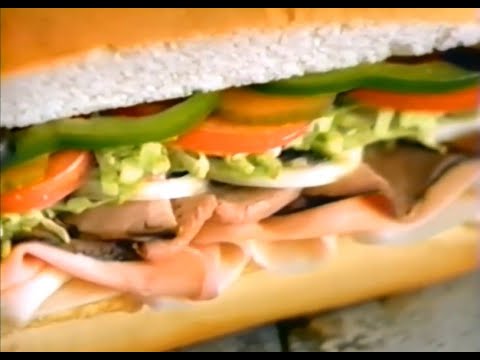
🥗 "Eat Fresh" (2000–2015, revived 2020–present)
Concept: Without a doubt, the most iconic slogan in Subway's history. "Eat Fresh" became a mantra, tied to the idea of freshly baked bread, crisp vegetables, and a cleaner, healthier eating experience. Its constant repetition in hundreds of commercials etched it into the collective imagination.
Impact: It became synonymous with the brand itself. Any mention of "Eat Fresh" immediately evoked Subway. Its return in 2020 demonstrates the nostalgic power and enduring relevance of its core message.
YouTube reference:
Watch YouTube video
💵 "Five Dollar Footlong" (2008–2014)
Concept: Launched during a global economic crisis, this was more than just a slogan; it was a marketing phenomenon. Its catchy jingle ("Five. Five Dollar. Five Dollar Footlong.") became an unforgettable earworm.
Impact: It generated $3.8 billion in revenue during its first year. The promotion became a cultural phenomenon, chanted by children and adults alike, and demonstrated the power of a simple, effective jingle to drive massive sales.
YouTube reference:
Watch YouTube video
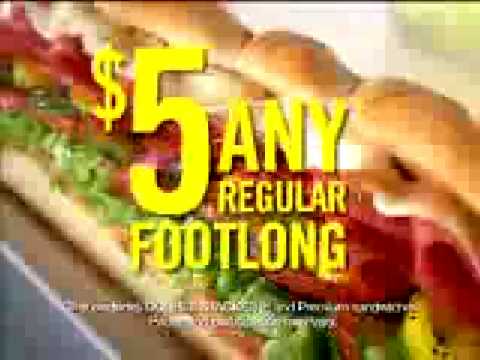
🌱 "Founded on Fresh" (2015–2016)
Concept: This slogan was a direct response to a series of crises and scandals that damaged the brand's credibility, including the fall from grace of its former spokesperson, Jared Fogle. "Founded on Fresh" attempted to shift the focus from recent problems to the company's heritage and foundational values.
Impact: It served as a crisis management tagline. It sought to rebuild consumer trust by reminding them of the original promise of freshness, emphasizing the sourcing of ingredients.
YouTube reference: No specific link was provided in the original text for this slogan.
🥪 "Make It What You Want" (2018–2020)
Concept: This slogan focused on Subway's main differentiator from the competition: customization. The ability for the customer to choose every ingredient and build their own sandwich is the essence of the business model.
Impact: It reinforced Subway’s unique "build your own sandwich" appeal. In an era where consumers increasingly value individuality, this tagline directly connected with the desire to have control over what they consume.
YouTube reference:
Watch YouTube video

📊 Comparison Table: Subway Taglines
| Big on Taste, None on Fat | 1990–1996 | Health & fitness | Positioned Subway as healthier fast food |  Watch YouTube video |
| The Way a Sandwich Should Be | 1996–2000 | Premium quality | Differentiated from rivals |  Watch YouTube video |
| Eat Fresh | 2000–2015, 2020–present | Freshness & health | Subway’s most iconic slogan |  Watch YouTube video |
| Five Dollar Footlong | 2008–2014 | Affordability | Viral jingle, huge sales boost |  Watch YouTube video |
| Founded on Fresh | 2015–2016 | Heritage & recovery | Crisis management |  Watch YouTube video |
| Make It What You Want | 2018–2020 | Customization | Reinforced consumer choice |  Watch YouTube video |
Decade-by-Decade Evolution
1990s: Health Positioning
Subway capitalized on the fitness boom of the decade. Ads focused on low-fat sandwiches and healthier options. The slogan "Big on Taste, None on Fat" resonated strongly with health-conscious consumers.
2000s: Freshness & Affordability
"Eat Fresh" became Subway’s defining slogan, reinforced by Jared Fogle’s weight-loss story, which added a layer of credibility to the health narrative. Towards the end of the decade, the "Five Dollar Footlong" jingle created cultural ubiquity and boosted sales to unprecedented levels.
2010s: Crisis & Recovery
Scandals severely damaged brand credibility. "Founded on Fresh" was a direct attempt to rebuild trust, shifting the focus away from recent problems and toward the company's foundational values.
2020s: Customization & Revival
"Make It What You Want" highlighted consumer choice, just as the market demanded greater personalization. At the same time, Subway revived the classic "Eat Fresh" with modern campaigns, blending the best of its legacy with a refreshed image.
Cultural Impact
Health narrative: Subway successfully positioned itself as the healthy option within fast food, a niche its competitors were slow to exploit.
Affordability: The "Five Dollar Footlong" transcended advertising to become a catchphrase in popular culture, associated with an unbeatable bargain.
Customization: The slogans consistently reinforced the unique "build your own sandwich" model, making the consumer a part of the process.
Resilience: Despite crises, the strength of its most iconic slogans helped Subway maintain a very high level of brand recognition, facilitating its recovery attempts.
🔎 Expert Analysis
Most iconic: "Eat Fresh" and "Five Dollar Footlong" remain deeply embedded in pop culture. The first for defining the brand's essence, the second for its ubiquity and catchy jingle.
Health positioning: Early taglines brilliantly capitalized on the 1990s fitness boom.
Affordability: The $5 Footlong campaign proved the power of a simple jingle to generate not just brand recall, but massive purchasing action.
Recovery attempts: The post-crisis slogans show a conscious effort to rebuild trust, although with less cultural impact than their predecessors.
⚠️ Risks & Challenges
Dilution of the message: The overuse of the word "fresh" in multiple contexts may have diluted its original meaning.
Internal resistance: The popularity of the "Five Dollar Footlong" created tension with franchisees, who saw their profit margins reduced.
Loss of credibility: Scandals related to its former spokesperson severely weakened the credibility of slogans focused on health and brand integrity.
Conclusion
Subway’s advertising legacy is defined by memorable taglines that captured cultural moments. From the health-driven "Big on Taste, None on Fat" to the viral "Five Dollar Footlong", Subway proved that a simple phrase—or jingle—can transform a sandwich chain into a global brand.
By adapting slogans to cultural trends—health in the 1990s, affordability in the 2000s, recovery in the 2010s, and customization in the 2020s—Subway demonstrated the enduring power of words in advertising.
Discover the intriguing meaning behind the Subway Series Menu commercial. Uncover the themes and messages that make this ad memorable and impactful.
Discover Subway's most memorable advertising slogans that have shaped its brand identity. Explore the creativity behind each catchy phrase and their impact.

Explore the evolution of Xiaomi ads, from innovative strategies to impactful campaigns. Discover how they shape consumer engagement and brand identity.

Discover how Spotify leverages sound in advertising to enhance brand engagement and create memorable experiences for listeners. Explore innovative strategies now.

Discover the most iconic Ferrari ads that have graced television screens. Explore the creativity and allure behind these legendary commercials.

Discover how Starbucks crafted its iconic advertising legacy, blending creativity and strategy to connect with customers and elevate brand loyalty.

Discover the most influential advertising campaigns of the 2000s that transformed marketing strategies and shaped consumer culture. Explore their impact today.

Discover the most emotional luxury ads that captivate hearts and minds. Explore powerful storytelling and stunning visuals that redefine brand connections.

Discover groundbreaking campaigns that transformed mobile advertising. Explore innovative strategies and success stories that shaped the industry today.

Discover how Adidas' iconic slogan has shaped brand identity and influenced sports culture, driving innovation and inspiring athletes worldwide.