

Spotify is not just a music streaming platform—it is a sound-driven advertising ecosystem. With over 600 million users worldwide, Spotify has transformed how brands connect with audiences by embedding advertising into the soundtrack of daily life. Unlike traditional visual ads, Spotify's campaigns rely on sonic branding, personalized audio ads, sponsored playlists, and podcast integrations. This essay explores how Spotify uses sound in advertising, tracing its evolution from early radio-style ads to immersive, personalized campaigns.
🌍 Foundations of Spotify's Sound Strategy
Several key principles underpin Spotify's approach to audio advertising, making it one of the most effective platforms for sonic marketing.
Immersive Environment: Spotify users spend hours daily listening across devices, from smartphones to smart speakers. This creates natural and contextual advertising opportunities within a deeply personal and engaging medium.
Sonic Branding Cues: In a space without visuals, sound becomes the primary brand identifier. Brands use jingles, sonic logos, or recognizable voices to build identity in the listener's mind, creating an audio shortcut to brand recognition.
Timing Matters: Audio is a linear medium. Research shows that ads with brand mentions in the first five seconds drive significantly higher recall, as they capture the listener's attention before their mind wanders.
Personalization: Spotify leverages its vast data on listening behavior to target ads based on user mood, activity, and context. An ad for running shoes might appear on a workout playlist, while a coffee brand might sponsor a morning commute mix.
Emotional Resonance: Music and sound have a direct line to human emotion. By pairing ads with music that evokes specific feelings, brands can create messages that are not just heard, but felt, making them far more memorable and effective.
📺 Types of Spotify Ads
Spotify offers a diverse range of advertising formats, each utilizing sound in a unique way to achieve different marketing objectives.
🔊 Audio Ads
Format: These are 30-second spots, similar to traditional radio commercials, interspersed between songs. They are the bread and butter of Spotify's advertising.
Sound Use: Brands employ sonic logos, catchy jingles, and professional voiceovers to capture attention quickly within the music flow.
Impact: Audio ads achieve high recall and emotional resonance. By being integrated directly into the listening experience, they can connect more deeply than a visual ad that appears on a screen.
YouTube reference:
 Watch YouTube video

🎶 Sponsored Playlists
Format: Brands curate and sponsor playlists that align with specific moods, activities, or cultural moments (e.g., "Nike Running," "Starbucks Coffeehouse Favorites").
Sound Use: The music selection itself reflects the brand's identity and values, creating a powerful subliminal association. The brand becomes the curator of the listener's experience.
Impact: This format builds a strong lifestyle association with the user and fosters long-term engagement, as playlists are bookmarked and used repeatedly over time.
YouTube reference:
Watch YouTube video

🎙️ Podcast Ads
Format: These ads are integrated directly into podcast episodes. They can be pre-recorded, but the most effective format is often host-read, where the podcast host delivers the ad in their own voice.
Sound Use: The use of authentic, familiar voices creates a sense of trust and intimacy that is hard to achieve with professional announcers. The host's endorsement feels like a personal recommendation.
Impact: Podcast ads enjoy higher credibility compared to traditional ads. The listener perceives the message as a trusted opinion from a familiar source, leading to higher engagement and conversion rates.
YouTube reference:
Watch YouTube video

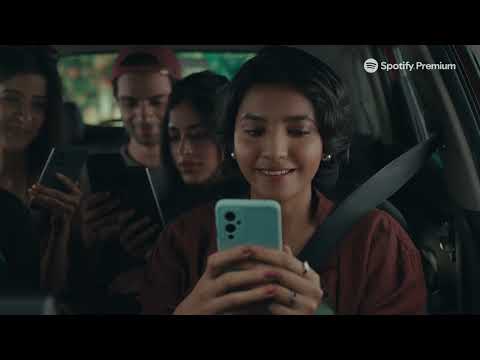
📱 Spotify Premium Campaigns
Format: These are video and audio ads designed to promote the benefits of a Spotify Premium subscription, primarily the ad-free listening experience.
Sound Use: These campaigns cleverly emphasize uninterrupted music flow, using sound to demonstrate what free users are missing. They highlight the purity and continuity of a Premium audio experience.
Impact: These ads effectively drive subscription growth by highlighting the value proposition of a continuous, high-quality audio experience free from interruptions.
YouTube reference:
Watch YouTube video
📊 Comparison Table: Spotify Sound Advertising
| Audio Ads | Sonic logos, jingles | High recall, emotional resonance |  Watch YouTube video |
| Sponsored Playlists | Curated soundtracks | Lifestyle association |  Watch YouTube video |
| Podcast Ads | Host-read voiceovers | Authenticity, trust |  Watch YouTube video |
| Premium Campaigns | Emphasis on continuous listening | Subscription growth |  Watch YouTube video |
Decade-by-Decade Evolution
Early 2010s: First Audio Ads
In its early years, Spotify introduced radio-style ads with jingles and voiceovers. The platform replicated familiar audio formats, but crucially, it added the advantage of digital targeting. Brands began experimenting with sonic logos to build recognition in this new, data-driven environment.
Mid-2010s: The Rise of Sponsored Playlists
As Spotify's user base grew, brands like Coca-Cola and Nike saw the potential in moving beyond simple spots. By curating playlists, they could integrate themselves into the user's lifestyle. A running playlist sponsored by Nike wasn't just an ad; it was a useful tool that embedded the brand into the user's daily routine and identity.
Late 2010s: The Podcast Revolution
Spotify invested billions in the podcast world, acquiring production networks and exclusive content. This strategic move unlocked a powerful new advertising format: host-read ads. The authenticity and intimacy of these familiar voices dramatically increased listener trust and engagement with brand messages, creating a new benchmark for effective advertising.
2020s Onward: Personalization and AI
Today, Spotify's advertising is becoming increasingly intelligent. Using sophisticated listening data and AI, the platform can serve context-aware ads. An ad might appear based on a user's detected mood or activity. Simultaneously, Premium campaigns focus on the ultimate value proposition: an uninterrupted sound experience in an increasingly noisy and ad-cluttered world.
Cultural Impact
Personalization: Spotify ads feel relevant to listeners' moods and contexts, significantly reducing the perception of intrusiveness compared to generic ads.
Authenticity: Host-read podcast ads have built a new model of trust-based advertising that traditional media struggles to replicate.
Lifestyle Branding: Sponsored playlists seamlessly embed brands into the fabric of daily routines, from exercising to relaxing, creating deep, subconscious associations.
Value of Subscription: Premium campaigns have successfully reinforced the cultural idea that quality, uninterrupted audio is a commodity worth paying for in the digital age.
🔎 Expert Analysis
Strengths: Spotify's advertising model succeeds by masterfully blending the primal power of sound, sophisticated data-driven personalization, and the earned authenticity of trusted voices.
Differentiation: Unlike visually-dominated platforms like Instagram or YouTube, Spotify makes sound the centerpiece of advertising, leveraging a sensory channel often underutilized in digital marketing.
Future: The future of Spotify advertising lies in expanded AI-driven personalization, the creation of immersive 3D audio experiences, and the development of even more sophisticated, interactive branded soundscapes.
⚠️ Risks & Challenges
Intrusiveness: Poorly timed or overly frequent ads can disrupt the intimate listening experience, leading to user frustration and potential churn from the free tier.
Brand Fit: Sonic branding cues must align perfectly with a brand's identity. A mismatched jingle or voice can create confusion and a disconnect with the target audience.
Competition: Both Apple Music and a growing ecosystem of independent podcast platforms compete fiercely for listener attention and brand advertising budgets, making differentiation a constant challenge.
Conclusion
Spotify uses sound in advertising by combining sonic branding, personalized audio ads, sponsored playlists, and podcast integrations. By embedding brands into the soundtrack of daily life, Spotify ensures ads feel less intrusive and more emotionally resonant. From radio-style jingles to AI-driven personalization, Spotify has built an advertising legacy that proves sound is as powerful as sight in shaping consumer behavior.
Discover why the Spotify commercial is trending in the US. Explore its impact, audience reactions, and the creative strategies behind its success.
Discover the deeper meaning behind Spotify's "Music for Every Mood" commercial. Explore how it connects emotions and music in a captivating way.
Discover the artist behind the captivating Spotify Wrapped campaign ad. Uncover their music journey and impact on the streaming world today.

Discover the most iconic Ferrari ads that have graced television screens. Explore the creativity and allure behind these legendary commercials.

Discover how Starbucks crafted its iconic advertising legacy, blending creativity and strategy to connect with customers and elevate brand loyalty.

Discover the most influential advertising campaigns of the 2000s that transformed marketing strategies and shaped consumer culture. Explore their impact today.

Discover the most emotional luxury ads that captivate hearts and minds. Explore powerful storytelling and stunning visuals that redefine brand connections.

Discover groundbreaking campaigns that transformed mobile advertising. Explore innovative strategies and success stories that shaped the industry today.

Discover how Adidas' iconic slogan has shaped brand identity and influenced sports culture, driving innovation and inspiring athletes worldwide.

Discover the captivating evolution of Chanel perfume ads, showcasing iconic campaigns that have defined luxury and elegance in the fragrance industry.

Discover the top actors making waves in fashion campaigns. Explore rankings, insights, and trends that highlight their influence in the fashion industry.