

Xiaomi is one of the most fascinating case studies in modern advertising. Founded in 2010, the Chinese tech giant grew from a small smartphone startup into a global powerhouse by leveraging community-driven marketing, digital virality, and lifestyle branding. Unlike Apple or Samsung, Xiaomi initially avoided expensive traditional advertising, instead relying on fan culture, online flash sales, and social media buzz. Over time, its advertising evolved to emphasize ecosystem integration, premium design, sustainability, and global lifestyle appeal.
This essay explores Xiaomi’s advertising evolution across its first two decades, highlighting community campaigns, ecosystem promotion, lifestyle branding, and global expansion, with examples and YouTube references for each stage.
🌍 Foundations of Xiaomi’s Marketing
Community engagement: Xiaomi built brand loyalty through its Mi Fans and the Mi Community, turning customers into brand ambassadors.
Digital focus: Instead of costly TV ads, Xiaomi relied on social media virality and online flash sales.
Direct-to-consumer model: Selling online reduced costs, allowing for highly competitive pricing.
Fan events: Mi Pop and the Mi Fan Festival became advertising spectacles in their own right, blending product launches with entertainment.
📺 Evolution of Xiaomi Ads
🔥 2010s: Community & Flash Sales
Concept: Xiaomi's early ads emphasized affordability and exclusivity. The brand didn't need billboards; its main channel was digital word-of-mouth.
Execution: Online flash sales created unprecedented urgency. Campaigns like the Mi 3 launch in India sold out in seconds, turning the purchase into an event.
Impact: This strategy built a loyal fan base and positioned Xiaomi as a disruptive brand challenging the industry's status quo.
YouTube reference:
 Watch YouTube video
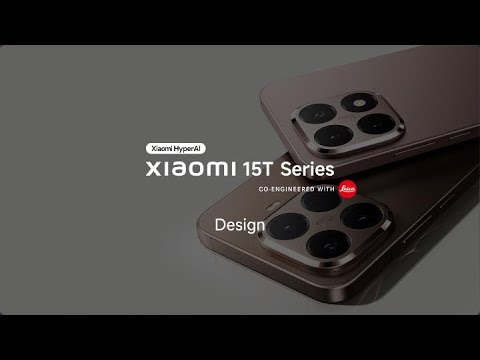
🏠 Mid-2010s: Ecosystem Expansion
Concept: As Xiaomi grew, ads began showcasing its smart home products alongside smartphones. The story was no longer just about a good phone, but about a connected lifestyle.
Execution: Campaigns highlighted the seamless integration between phones, wearables, and IoT (Internet of Things) products, such as air purifiers, electric scooters, and fitness bands.
Impact: This strategy expanded Xiaomi's image, transforming it from a simple phone company into a comprehensive lifestyle brand.
YouTube reference:
Watch YouTube video

🌍 2019: Mi Fan Festival Global
Concept: The annual fan event became a global advertising campaign. The Mi Fan Festival was no longer a local event but a spectacle streamed online to millions worldwide.
Execution: Featuring concerts, product launches, and community engagement activities, the ads surrounding the festival emphasized fan culture and Xiaomi's identity as a brand powered by its community.
Impact: It strengthened loyalty to near-religious levels and created cultural rituals around product launches, something previously only associated with brands like Apple.
YouTube reference:
Watch YouTube video
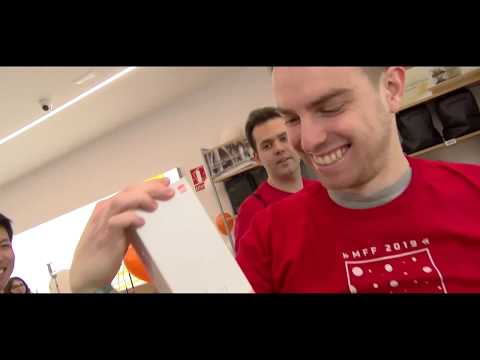
✨ 2020s: Lifestyle & Global Reach
Concept: In recent years, Xiaomi's ads have shifted towards premium design and aspirational lifestyle appeal. The brand seeks to compete directly in the premium segment.
Execution: Campaigns like the one for the Mi 11 placed a heavy emphasis on camera quality, design sophistication, and a modern, aspirational lifestyle aesthetic, leaving behind the purely "budget" image.
Impact: This evolution has elevated Xiaomi's image, positioning it as a credible competitor to Apple and Samsung in the global market, especially in Europe.
📊 Comparison Table: Xiaomi Advertising Evolution
| 2010s | Community & flash sales | Mi 3 India launch | Built urgency & loyalty |  Watch YouTube video |
| Mid-2010s | Ecosystem promotion | Smart home ads | Expanded product appeal |  Watch YouTube video |
| 2019 | Fan culture celebration | Mi Fan Festival | Strengthened community |  Watch YouTube video |
| 2020s | Lifestyle & global reach | Mi 11 premium ad | Elevated brand image |  Watch YouTube video |
Stage-by-Stage Evolution
2010s: Disruption Through Community
Xiaomi relied on word-of-mouth and online buzz instead of traditional ads. Flash sales created a narrative of urgency and exclusivity. Early advertising messages focused on innovation at an affordable price, a message that resonated strongly in price-sensitive markets like India and China.
Mid-2010s: Ecosystem Storytelling
Xiaomi expanded into smart home devices. Advertising began to tell a bigger story: that of an interconnected ecosystem. Campaigns highlighted how different products worked together, positioning Xiaomi not just as a phone maker, but as an architect of the digital lifestyle.
Late 2010s: Fan Culture & Global Expansion
The Mi Fan Festival became a global advertising spectacle. Ads and live streams of the event emphasized the community as the heart of the brand. Xiaomi entered new markets, particularly in Europe, with localized campaigns that maintained the essence of its community-driven identity.
2020s: Premium Lifestyle Branding
Xiaomi's current advertising emphasizes design, high-quality photography, and aspirational living. Campaigns target global audiences, competing directly in the premium segment. Sustainability and continuous innovation have become central themes in its brand narrative.
Cultural Impact
Community: Xiaomi's ads and strategies have created a deep sense of belonging among its users, something rare in the tech industry.
Tradition: The Mi Fan Festival has become an annual cultural ritual for millions of fans, similar to launch events from other major tech brands.
Inclusivity: The brand's early messages emphasized the democratization of technology, making innovation accessible to all.
Global resonance: Xiaomi has successfully adapted its campaigns to local cultures (especially in India and Europe) without losing its core brand identity.
🔎 Expert Analysis
Strengths: Xiaomi ads succeed by blending community engagement with messages of innovation and value. Their ability to generate organic buzz is envied by many.
Differentiation: Unlike its rivals, Xiaomi relies less on traditional advertising and more on fan culture and digital virality, allowing it to keep marketing costs lower.
Future: Xiaomi is expected to continue its path towards premium branding, emphasizing sustainability, artificial intelligence, and personalization in its future advertising.
⚠️ Risks & Challenges
Ad overload: A recurring criticism from users is the presence of ads within the devices themselves (in the MIUI/HyperOS software layer), which can damage brand perception, especially as it attempts to move into the premium segment.
Global consistency: Balancing the affordability message, which works well in Asia, with the premium brand narrative needed to compete in Europe and North America is a constant challenge.
Competition: Rivals like Apple and Samsung dominate the lifestyle branding space. Xiaomi must strive to build similar brand prestige.
Conclusion
Xiaomi's advertising evolution reflects its journey from community-driven flash sales to global lifestyle branding. By leveraging fan culture, digital virality, and ecosystem storytelling, Xiaomi built a unique advertising legacy. Today, its ads emphasize premium design, sustainability, and smart living, positioning Xiaomi as both affordable and aspirational.
From flash sales in India to global lifestyle campaigns, Xiaomi's advertising shows how a brand can grow by listening to its fans, adapting to cultural contexts, and embracing constant innovation.
I will tell you in the moment How to run any banking app safely on a rooted phone
They are an excellent mobile phone, but if you ever wonder how to fix the flashing on your Xiaomi phone, here you can find what you need to know.

Discover how Spotify leverages sound in advertising to enhance brand engagement and create memorable experiences for listeners. Explore innovative strategies now.

Discover the most iconic Ferrari ads that have graced television screens. Explore the creativity and allure behind these legendary commercials.

Discover how Starbucks crafted its iconic advertising legacy, blending creativity and strategy to connect with customers and elevate brand loyalty.

Discover the most influential advertising campaigns of the 2000s that transformed marketing strategies and shaped consumer culture. Explore their impact today.

Discover the most emotional luxury ads that captivate hearts and minds. Explore powerful storytelling and stunning visuals that redefine brand connections.

Discover groundbreaking campaigns that transformed mobile advertising. Explore innovative strategies and success stories that shaped the industry today.

Discover how Adidas' iconic slogan has shaped brand identity and influenced sports culture, driving innovation and inspiring athletes worldwide.

Discover the captivating evolution of Chanel perfume ads, showcasing iconic campaigns that have defined luxury and elegance in the fragrance industry.