

If the past five years have taught marketers anything, it's that stability is an illusion. Algorithm updates, privacy regulations, platform bans, and sudden shifts in consumer behavior can upend even the most successful marketing strategies overnight.
Future-proofing is not about predicting the future with certainty—it's about building a marketing strategy that is resilient, adaptable, and positioned to thrive regardless of what comes next. It means diversifying your channels, embracing emerging technologies, and fundamentally rethinking how you connect with audiences in an era of declining trust and increasing fragmentation.
This guide explores the key trends shaping the future of marketing and provides actionable strategies to ensure your business isn't left behind.
📺Watch:"The Future of Marketing: 2025 and Beyond"– GaryVee
🔗
Trend 1: The Rise of AI-Powered Marketing
Beyond the Hype
Artificial intelligence is no longer a futuristic concept—it's a present-day reality that is fundamentally changing how marketing operates. From content creation to predictive analytics to media buying, AI is becoming the infrastructure upon which successful marketing is built.
Key Applications
1. Generative AI for Creative
Tools like ChatGPT, Midjourney, and RunwayML are enabling marketers to produce creative assets at unprecedented speed. Ad copy, image variations, video scripts, and even full campaigns can be generated in minutes rather than weeks.
Strategic Implication:The competitive advantage shifts fromwho can produce creativetowho can curate and optimize creative most effectively. AI handles volume; humans handle strategy, taste, and brand voice.
2. Predictive Analytics
AI models can now predict which customers are most likely to convert, churn, or respond to specific offers—often before the customer themselves knows. This allows for hyper-personalized targeting at scale.
3. AI-Powered Media Buying
Platforms like Meta and Google have increasingly automated bidding and targeting. The role of the media buyer is shifting from manual optimization to strategic oversight of AI-driven systems.
How to Future-Proof
-
Build AI literacy:Ensure your team understands how to prompt, evaluate, and refine AI outputs
-
Develop a testing framework:AI tools improve rapidly; regularly test new tools and integrate winners
-
Maintain human oversight:AI can amplify mistakes quickly. Establish review protocols for AI-generated content
-
Invest in first-party data:AI is most powerful when fed proprietary customer data
📺Watch:"How AI is Transforming Digital Marketing"– Neil Patel
🔗
Trend 2: The Death of Third-Party Cookies
The New Privacy Paradigm
The digital advertising ecosystem is undergoing its most significant transformation in decades. With Google's deprecation of third-party cookies, Apple's App Tracking Transparency (ATT) framework, and evolving privacy regulations like GDPR and CCPA, the old model of tracking users across the web is effectively over.
What's Changing
Old Paradigm New Paradigm
| Third-party cookies track users across sites | First-party data becomes the foundation |
| Retargeting based on browsing history | Contextual targeting and privacy-safe cohorts |
| Last-click attribution | Marketing mix modeling (MMM) and incrementality testing |
| Broad audiences with pixel tracking | First-party audiences and lookalike models |
How to Future-Proof
1. Prioritize First-Party Data Collection
Your owned data is now your most valuable marketing asset. Implement strategies to collect email addresses, phone numbers, and preferences directly from customers.
Tactics:
-
Value-exchange lead magnets (discounts, gated content, loyalty programs)
-
Post-purchase surveys that opt customers into marketing
-
Progressive profiling (collect data over time, not all at once)
2. Embrace Contextual Targeting
Contextual targeting—placing ads based on the content a user is currently consuming rather than their past behavior—is making a comeback. It's privacy-safe and increasingly sophisticated with AI-powered content analysis.
3. Invest in Marketing Mix Modeling (MMM)
MMM analyzes aggregate data to understand the incremental impact of your marketing channels. Unlike user-level attribution, MMM works without tracking individuals and provides a holistic view of performance.
📺Watch:"Preparing for a Cookieless Future"– Google Marketing Platform
🔗
Trend 3: The Creator Economy Matures
From Influencers to Partners
The creator economy has grown from a novelty into a foundational marketing channel. But the landscape has matured significantly. The era of paying a macro-influencer for a single sponsored post is giving way to deeper, more authentic partnerships.
Key Shifts
1. Nano and Micro-Influencers Dominate
Creators with smaller, highly engaged followings (1,000–50,000) consistently outperform macro-influencers on engagement rates and trust. Their audiences see them as peers, not celebrities.
2. Affiliate and Performance-Based Models
Brands are moving away from flat-fee sponsorships toward performance-based compensation. Affiliate links, promo codes, and revenue-sharing models align incentives and reduce risk.
3. Employee Advocacy
Your own employees are increasingly becoming your most credible ambassadors. Employee-generated content (EGC) consistently outperforms brand content on authenticity metrics.
How to Future-Proof
-
Build a creator program, not a campaign:Focus on long-term relationships with creators who genuinely love your brand
-
Diversify creator tiers:Maintain relationships with nano, micro, and macro creators to balance reach and engagement
-
Implement creator tracking:Use unique links and codes to measure performance by creator
-
Empower employees:Develop guidelines and incentives for employees to share authentic content about their work and your brand
📺Watch:"The Future of the Creator Economy"– Joe Pulizzi
Trend 4: AI-Powered Search and Zero-Click Results
The Evolution of Search
Search is no longer just about typing keywords into Google. AI-powered search engines like ChatGPT Search, Perplexity, and Google's AI Overviews are fundamentally changing how users find information—and how brands get discovered.
The Zero-Click Reality
Google now delivers answers directly on the search results page (SERP) for over 50% of searches. Users get their answer without ever clicking through to a website. For brands, this means traditional SEO strategies must evolve.
What's Changing
Traditional SEO Future Search Strategy
| Optimize for ranking in blue links | Optimize for appearing in AI-generated answers |
| Keyword-focused content | Entity-based, authoritative content |
| Measure clicks to site | Measure brand mentions and visibility in AI responses |
| Desktop-first indexing | Mobile and voice-first experiences |
How to Future-Proof
1. Focus on Authority and Expertise
AI systems prioritize content from authoritative sources. Invest in building your brand's credibility through:
-
Original research and proprietary data
-
Expert authorship and contributor programs
-
High-quality backlinks from reputable sources
2. Optimize for Featured Snippets and AI Overviews
Structure content to answer questions directly and clearly. Use:
-
Question-and-answer formats (H2s as questions)
-
Concise, definitive answers followed by supporting detail
-
Structured data markup (schema) to help AI understand your content
3. Diversify Beyond Google
AI-powered search is fragmented. Ensure your brand is discoverable across:
-
Perplexity, ChatGPT Search, and emerging AI search tools
-
Vertical search platforms (e.g., YouTube for video, Amazon for products)
-
Social platforms (TikTok and Instagram are increasingly search engines)
📺Watch:"SEO in the Age of AI Search"– Ahrefs
Trend 5: Community-Led Growth
Moving Beyond Audiences to Communities
For years, marketing focused on building audiences—large groups of passive consumers who receive broadcast messages. The future belongs to communities: active, engaged groups of customers who interact with each other and with your brand.
Why Communities Matter
-
Retention:Community members have 5–10x higher retention rates than non-members
-
Feedback:Communities provide real-time product insights and feedback
-
Advocacy:Communities generate authentic word-of-mouth marketing
-
Resilience:A community is not subject to algorithm changes or platform whims
Where Communities Thrive
Platform Best For
| Discord | Real-time engagement, gaming, tech, passionate niches |
| Circle / Mighty Networks | Structured communities with courses and content |
| WhatsApp / Telegram | Intimate, direct communication |
| Slack | B2B communities, professional networks |
| Facebook Groups | Broad, accessible communities (though platform risk exists) |
How to Future-Proof
-
Shift metrics:Start measuring community engagement (posts, replies, events attended) alongside traditional acquisition metrics
-
Design for connection:Create spaces where customers can interact with each other, not just with your brand
-
Empower super-users:Identify and support your most passionate customers as community leaders
-
Own your community:Whenever possible, host community on owned properties (your own platform) rather than exclusively on third-party platforms
📺Watch:"Community-Led Growth: The Future of Marketing"– David Spinks
Trend 6: Sustainability and Purpose-Driven Marketing
The Expectation of Values
Consumers—particularly Gen Z and Millennials—increasingly expect brands to take stands on social and environmental issues. According to recent studies, 70%+ of consumers prefer to buy from brands aligned with their values.
The Shift
Old Paradigm New Paradigm
| Purpose as marketing campaign | Purpose integrated into business model |
| Performative activism | Authentic, sustained commitment |
| One-off sustainability claims | Transparent reporting and accountability |
How to Future-Proof
1. Authenticity Over Performanc
Don't engage with social or environmental issues unless you're genuinely committed. Consumers can detect inauthenticity instantly, and backlash is severe.
2. Integrate Purpose Into Operations
Purpose is most credible when it's reflected in how you operate:
-
Supply chain transparency
-
Ethical sourcing
-
Fair labor practices
-
Environmental impact reduction
3. Communicate Transparently
Share both successes and challenges. Consumers increasingly expect to see progress, not perfection.
📺Watch:"Why Purpose-Driven Marketing Wins"– Simon Sinek
🔗

Trend 7: The Fragmentation of Channels
No Single Platform Rules
The era of "Facebook-first" or "Google-only" marketing is ending. Consumer attention is scattered across an ever-expanding array of platforms, and no single channel dominates.
The Channel Landscape
Channel Type Examples Trend
| Social Media | TikTok, Instagram, YouTube, LinkedIn, Snapchat, Pinterest | Continued fragmentation; TikTok's uncertain future |
| Search | Google, Bing, Amazon, TikTok Search, ChatGPT Search | AI search fragmentation |
| Streaming | Connected TV (Hulu, Roku), Spotify, Podcasts | Ad-supported tiers growing |
| Retail Media | Amazon, Walmart, Target, Instacart | Fastest-growing ad segment |
| Messaging | WhatsApp, SMS, Messenger, WeChat | High engagement, low competition |
How to Future-Proof
1. Diversify Channel Mix
Reduce reliance on any single platform. If one platform changes its algorithm or bans your account, you should have other channels delivering results.
2. Prioritize Owned Channels
Invest in channels you control:
-
Email and SMS lists
-
Your website and blog
-
Your community platform
-
Push notifications (app or web)
3. Maintain Platform Optionality
When building on a platform, maintain the ability to port your audience elsewhere. Encourage followers to join your email list or community so you're not locked in.
📺Watch:"How to Build a Resilient Multi-Channel Marketing Strategy"– HubSpot
🔗
Trend 8: Video-First Everything
The Dominance of Visual Content
Video is no longer just a content format—it's becoming the primary mode of communication across the internet. Short-form video, in particular, has fundamentally changed how brands connect with audiences.
Key Developments
-
Short-Form Video:TikTok, Instagram Reels, and YouTube Shorts now dominate engagement metrics
-
Live Shopping:Live-streaming with integrated purchasing is massive in Asia and growing globally
-
Video SEO:YouTube is the second-largest search engine; video content increasingly appears in Google results
-
AI-Generated Video:Tools like Runway, Pika, and Sora are making video production accessible to all
How to Future-Proof
-
Adopt a video-first mindset:Consider video the default format for new content, not an add-on
-
Build video production capabilities:You don't need a studio; smartphone production is sufficient for most content
-
Optimize for sound-off viewing:70%+ of social video is watched without sound. Use captions and visual storytelling
-
Test live formats:Live streaming builds deeper connection than pre-recorded content
📺Watch:"The Future of Video Marketing"– TubeBuddy
🔗
Trend 9: Hyper-Personalization Through Zero-Party Data
From Personalization to Individualization
Personalization has been a buzzword for years, but true individualization—where every interaction is tailored to the specific customer—is becoming possible through zero-party data.
What Is Zero-Party Data?
Zero-party data is information that customers intentionally and proactively share with a brand. Unlike first-party data (which is observed behavior), zero-party data is declared preference.
Examples:
-
Style quizzes (e.g., Stitch Fix)
-
Preference centers
-
Interactive content
-
Onboarding questionnaires
Why It Matters
-
Accuracy:Declared preferences are more accurate than inferred ones
-
Trust:Customers feel respected when you ask rather than track
-
Privacy-Compliant:Zero-party data is explicitly consented
How to Future-Proof
-
Build interactive experiences:Quizzes, assessments, and preference centers collect zero-party data while engaging customers
-
Use data to personalize everywhere:Apply zero-party data across email, site experience, ads, and recommendations
-
Be transparent:Clearly explain how you'll use data and deliver on your promises
📺Watch:"Zero-Party Data: The Future of Personalization"– Forrester
Trend 10: The Return of Brand Building
Performance Marketing's Limits
The past decade was dominated by performance marketing—measurable, ROI-driven tactics that delivered immediate results. But as acquisition costs have risen and platforms have matured, the limitations of pure performance marketing have become clear.
The Shift
Performance Marketing Alone Balanced Approach
| Optimizes for immediate conversions | Balances short-term results with long-term equity |
| Competitive auction environment | Owned brand equity reduces dependence on auctions |
| Diminishing returns at scale | Brand building unlocks new scale |
| Vulnerable to algorithm changes | Brand loyalty provides stability |
The Economics of Brand
Research consistently shows that brand-building investments drive:
-
Lower price sensitivity
-
Higher customer lifetime value
-
Lower cost of acquisition over time
-
Greater resilience to competitive pressure
How to Future-Proof
-
Reallocate budget:Shift 10–20% of performance budget to brand-building activities
-
Measure differently:Track brand metrics (awareness, consideration, preference) alongside direct response
-
Invest in distinctive assets:Develop consistent visual and verbal identity that becomes recognizable over time
-
Think in years, not quarters:Brand building compounds; results appear over longer time horizons
📺Watch:"Why Brand Building Matters More Than Ever"– Mark Ritson
Building Your Future-Proof Marketing Strategy: A Framework
The Resilient Marketing Stack
Layer Components Future-Proofing Action
| Data Foundation | First-party data, zero-party data, CDP | Build owned data infrastructure independent of platforms |
| Channel Mix | Diversified paid, owned, earned | Reduce reliance on any single platform |
| Creative Engine | AI-assisted production, high creative velocity | Build systems for rapid testing and iteration |
| Measurement | MMM, incrementality testing, brand tracking | Move beyond last-click attribution |
| Community | Owned community, creator partnerships | Invest in relationships, not just reach |
| Brand | Distinctive assets, brand purpose | Balance short-term performance with long-term equity |
Your Future-Proof Checklist
-
Data:Have we reduced reliance on third-party cookies? Are we collecting zero-party data?
-
Channels:Is more than 50% of our budget in any single platform? Do we own our audience?
-
Creative:Can we produce and test creative at sufficient velocity? Are we using AI tools effectively?
-
Measurement:Can we measure incrementality, not just last-click? Do we track brand metrics?
-
Community:Do we have a community strategy beyond broadcast content?
-
Brand:Are we investing in long-term brand equity, or only short-term performance?
Conclusion: Resilience Over Prediction
Future-proofing your marketing strategy is not about predicting exactly what comes next—it's about building a system that can adapt to whatever comes next.
The trends outlined in this guide—AI adoption, privacy-first data strategies, community-led growth, channel diversification, and the return of brand building—share a common thread: they reduce dependence on any single platform, algorithm, or tactic.
Discover the best marketing strategies to elevate your business growth. Unlock proven techniques and insights to drive success and increase your revenue.
Thanks to the rise of social media and digital platforms, businesses are constantly competing for consumer attention and trying to create a lasting impact on their target audience.

Discover how to effectively use A/B testing to enhance your marketing campaigns. Learn strategies to optimize performance and drive better results.

Discover how local advertising can boost your small business visibility, attract nearby customers, and enhance community engagement for lasting success.

Discover effective strategies to leverage customer feedback for enhancing your advertising campaigns and driving better results. Improve your ads today!

Discover effective strategies for managing and scaling your advertising budget. Maximize ROI and optimize your campaigns with our expert tips.

Discover the filming locations of the iconic PlayStation live action commercial. Uncover the behind-the-scenes details and stunning settings used in the ad.

Discover the celebrity featured in the Fortnite skin commercial! Uncover the details and insights behind this exciting collaboration in our latest article.
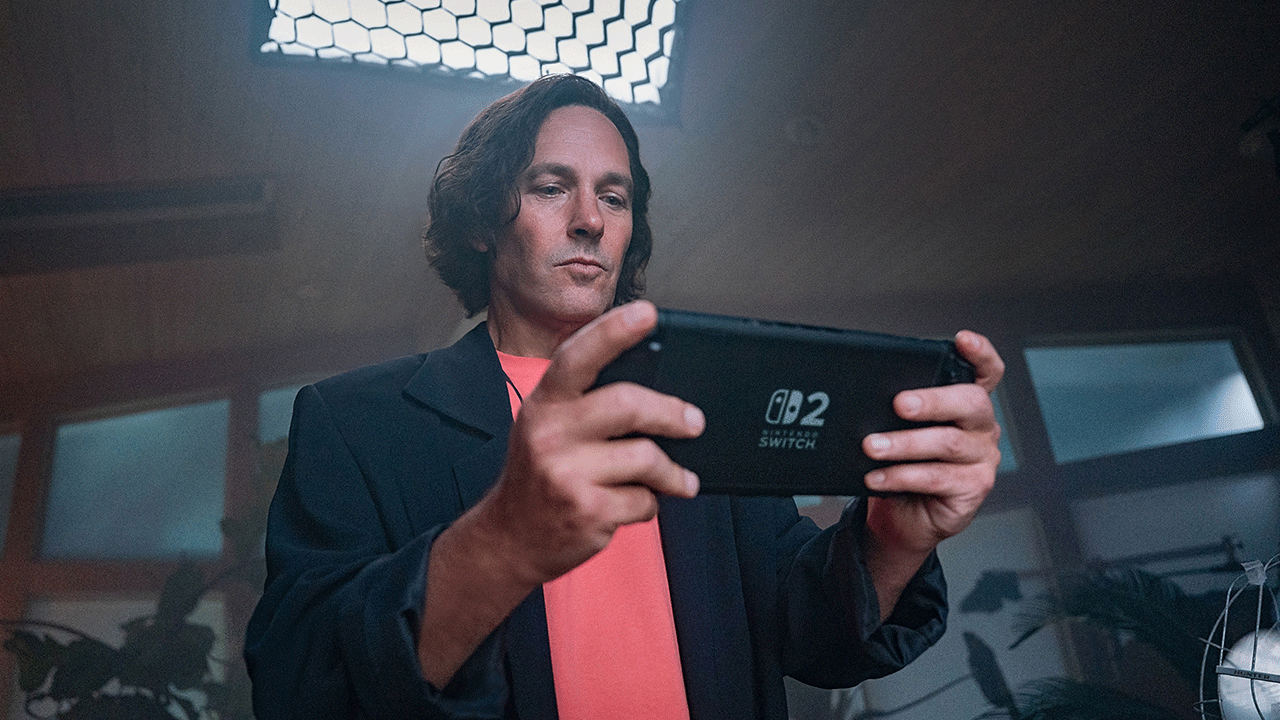
Discover the stars of the Nintendo Switch 2 commercial! Find out who features in this exciting ad and what makes it a must-watch for gamers.
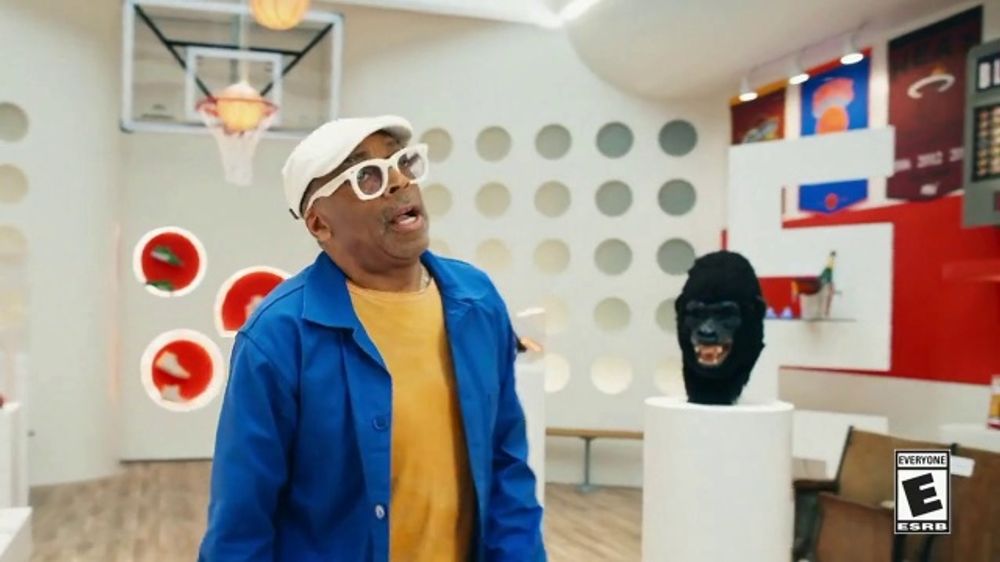
Discover the background song featured in the NBA 2K 2026 ad. Uncover the artist and track details that set the perfect vibe for the game.