
There's a reason we still smile when we see a GEICO Gecko or get a little misty-eyed over a Budweiser Clydesdale. For decades, advertisers have known a simple truth: nothing breaks through the clutter and connects with us on a primal level quite like an animal.
We're not just talking about background props. We're talking about animals as the main characters, the stars of the show. From the 1970s to the digital age, creatures great and small have stepped out of the barn and onto our television screens to sell us everything from beer and insurance to tacos and soda.
Let's take a nostalgic journey through the history of advertising's most beloved animal icons and explore why they became more than just mascots—they became family.
The GEICO Gecko: An Accidental Aussie Icon
In 1999, a tiny, CGI-animated gecko with a Cockney accent appeared on our screens. You can still watch the first GEICO Gecko commercial here:

The GEICO Gecko, who quickly switched to a more approachable Australian accent, became the unexpected face of the insurance giant. He wasn't just a logo on a piece of paper; he was a character with a personality—a little sarcastic, always well-meaning, and perpetually dealing with the absurdity of being a gecko in a human world. His longevity proves that when you create a character people actually like watching, you build a lasting relationship that feels less like an ad and more like a visit from an old friend.
Budweiser: Masters of the Heartstring Tug
If GEICO mastered the art of the quirky character, Budweiser and its parent company Anheuser-Busch perfected the epic, emotional narrative. Their stable of animal stars is unmatched.
First, there are the Clydesdales. Since their debut to celebrate the end of Prohibition in 1933, these majestic horses have symbolized tradition, strength, and Americana. But it was their modern commercials, particularly the Super Bowl spots, that cemented their legendary status. The Budweiser Super Bowl XLVIII Commercial - "Puppy Love" is a perfect example:

Before "Puppy Love," there was Spuds MacKenzie. In 1987, this "party animal" (actually a female bull terrier) became a cultural phenomenon for Bud Light. You can see the original Bud Light - Spuds MacKenzie "Party Animal" (1987) commercial here:

The Taco Bell Chihuahua: When a Catchphrase Takes Over
In 1997, a tiny Chihuahua named Gidget uttered three words that would become inescapable: "¡Yo quiero Taco Bell!" ("I want Taco Bell!"). This first "Yo Quiero Taco Bell" Chihuahua Commercial (1997)

The campaign tapped into the cultural zeitgeist. The dog's catchphrase was repeated by kids on playgrounds and adults in offices. It proved that a simple, relatable idea—a creature's pure, unadulterated longing for your product—could be incredibly powerful. The Chihuahua didn't just sell tacos; she made Taco Bell a pop-culture touchstone, demonstrating the massive potential of pairing a charismatic animal with a perfect, memorable line.
The Aflac Duck: From Frustration to Fortune
Sometimes, the best animal mascots are born from solving a simple problem. In 2000, Aflac, an insurance company known for supplemental coverage, needed to increase brand awareness. The problem? People didn't know how to pronounce its name.
Enter the Aflac Duck. The first commercial, Aflac Duck - First Commercial (2000) "Park Bench"

Meow Mix: The Singing Sensation of the 70s
Long before CGI and elaborate storylines, there was the Meow Mix "Singing Cat" commercial from the 1970s. You can watch the original Meow Mix "Singing Cat" Commercial (1970s) here:
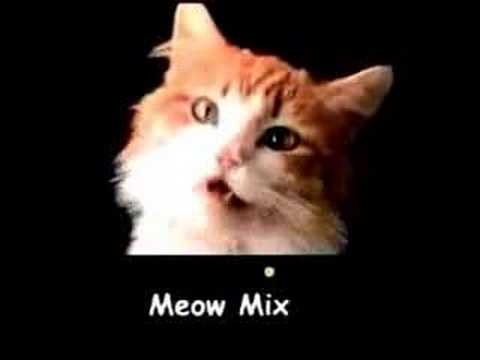
This commercial was a masterclass in a different kind of animal appeal. It wasn't about a narrative or a deep personality; it was about pure, joyful association. The cat was happy because it was getting its favorite food. It created an earworm that lasted for decades and perfectly linked the product (cat food) with its ultimate consumer (the happy, singing cat). It's a testament to the power of simplicity.
Coca-Cola Polar Bears: Animation Meets Pure Whimsy
In 1993, Coca-Cola took a bold step into the world of high-end CGI animation with the "Northern Lights" commercial. You can see the Coca-Cola Polar Bears - "Northern Lights" (1993) here:

This was a departure from everything else on the list. There were no voices, no catchy slogans, and no direct product pitch. There was only a stunning, serene, and beautiful image. The polar bears connected the ice-cold refreshment of a Coke with a pristine, magical, and comforting winter wonderland. They tapped into universal feelings of family, wonder, and coziness. The campaign was so successful that the bears became recurring stars for years, proving that animals could sell not just a product, but an entire mood and feeling.
The Secret to Their Success
Looking back at these iconic campaigns, a clear formula for success emerges:
Personality is Everything: Whether it was the Gecko's wit, the Chihuahua's sass, or the Clydesdale's gentle strength, each animal had a distinct personality that audiences could connect with. They weren't just animals; they were characters.
Solve a Problem or Fill a Need: The Aflac Duck fixed a pronunciation problem. The GEICO Gecko did the same. The Meow Mix cat visually demonstrated the product's appeal to its target audience.
Emotional Connection is Key: The Coca-Cola bears evoked wonder. The Budweiser puppy and Clydesdale evoked friendship. These commercials sold feelings, and the animals were the perfect, pure vessels for those emotions.
Simplicity and Memorability: The Taco Bell dog had its catchphrase. The Meow Mix cat had its jingle. They created simple, repeatable hooks that burrowed into our brains.
From the first Meow Mix cat to the latest Geico adventure, animal stars have proven to be one of advertising's most powerful tools. They speak a universal language, disarm our skepticism, and open our hearts—and our wallets. They are a reminder that in a world of complex marketing data, sometimes the best way to connect with a human is through another creature, whether it has fur, feathers, or scales.
Discover effective strategies for conducting market research to enhance your campaigns. Learn how to gather insights that drive successful marketing decisions.
Discover how visuals enhance advertising effectiveness, capturing attention and driving engagement. Explore the science behind impactful visual strategies.
Discover the art of crafting a compelling brand story that connects with your audience. Learn essential tips to elevate your brand's narrative and impact.
Discover the journey of child actors who skyrocketed to fame through memorable advertisements. Explore their stories and impact on the entertainment industry.
Discover the journey of famous models who transitioned from the runway to become advertising icons. Explore their impact on fashion and marketing today.
Discover how to enhance your Zoom ad campaigns by fostering genuine human connections in the tech landscape. Elevate your marketing strategy today!
Discover how LinkedIn Ads can elevate your professional growth. Learn strategies to target the right audience and maximize your career opportunities.
Discover the Snapchat ads that revolutionized ephemeral content, showcasing innovative strategies and creative campaigns that captivated audiences worldwide.
Discover how Slack Ads transformed workplace communication, enhancing collaboration and productivity. Explore innovative strategies that redefine team interactions.
Discover the most shocking GoDaddy ads that captivated Super Bowl audiences. Explore the creativity and impact behind these unforgettable commercials.
Discover the art of Nikon Adventure Ads, where marketing photography meets the wild. Explore stunning visuals and innovative strategies for outdoor campaigns.