
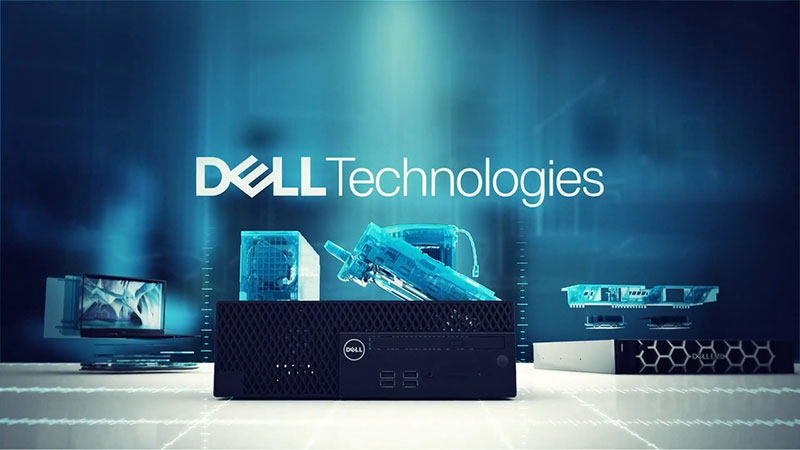
Dell Computers was born in 1984 with a direct and revolutionary proposition for the consumer: direct sales, customization, and competitive pricing. However, the company's true strategic leap didn't happen in Michael Dell's garage, but in its ability to pivot toward the enterprise market, a territory dominated by giants like IBM and Hewlett-Packard. To achieve this, Dell not only adapted its products; it reinvented its communication. Its advertising stopped talking about "having" a computer to focus on what businesses could "achieve" with it. This article explores the key campaigns that transformed Dell from a home hardware seller into the trusted technology partner for the world's businesses.
🎯 Dell's Advertising Philosophy for Business Solutions
While its competition sometimes fell in love with the latest in design or raw power, Dell built an advertising narrative based on pillars that resonated deeply in the offices of CIOs and IT managers:
Reliability and Support as an Obsession: In the business world, downtime is measured in lost money and productivity. Dell's advertising turned this anxiety into its central message: "We guarantee it will work, and if it fails, we are here." The focus wasn't on the hardware, but on the peace of mind it offered.
Scalability as a Promise of Growth: Businesses don't buy for today; they invest for tomorrow. Dell's ads showed how its server and storage solutions could grow at the pace of the business, avoiding costly and traumatic technology migrations.
Productivity as a Tangible Result: Instead of selling "a laptop," Dell sold "tools that unlock your workforce's potential." Its campaigns connected the product directly to business results: smoother collaboration, faster design, deeper analysis.
💼 Iconic Campaigns: Building a B2B Identity
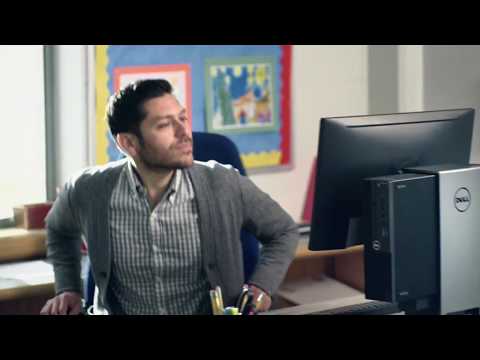
1. OptiPlex: The Unbreakable Backbone
Campaigns for the OptiPlex line, the quintessential business desktops, were a study in effective B2B marketing. Far from glamour, the ads focused on attributes like centralized management, integrated security, and low total cost of ownership (TCO).
Visual Strategy: They showed real office environments, call centers, classrooms. The OptiPlex was never the lone protagonist; it was the reliable, omnipresent element in the background, allowing work to flow without interruption. Its message was clear: it won't give you problems, and if it does, it will be easy to repair or replace.
YouTube:
2. Latitude: The Portable Fortress
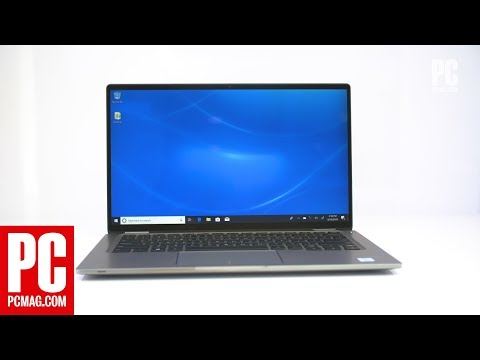
When mobility became crucial, Dell responded with the Latitude line. Its advertising didn't talk about how thin or pretty it was, but about how "spill-proof, drop-proof, theft-proof, and cyber-threat-proof" it was.
Visual Strategy: The ads showed professionals on the move: an executive in the rain, an engineer on a construction site, a doctor in a hospital. The message was one of absolute endurance and security. The laptop was presented as a shield for the most valuable corporate data, an asset protecting both the employee and the company.
YouTube:
3. Precision: The Power That Turns Ideas into Reality
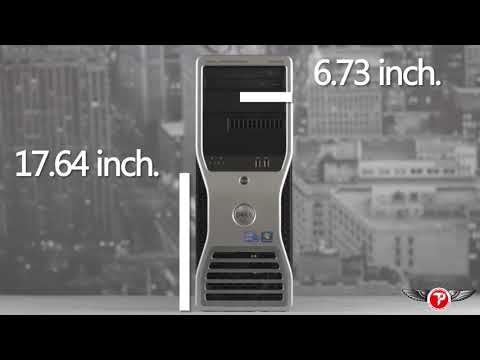
For specialized audiences like engineers, architects, and content creators, Dell launched the Precision line. Its advertising was technical and aspirational at the same time. It didn't just list specifications; it showed what could be created with them.
Visual Strategy: Complex 3D graphics rendering in real-time, engineering simulations, 8K video editing. The Precision was the silent but powerful workhorse behind innovation. The message appealed to the professional who saw in the tool an extension of their own creative and analytical capacity.
YouTube:
4. Dell EMC: The Brain of the Data Center
After acquiring EMC, Dell could compete at the highest level of enterprise infrastructure. Dell EMC campaigns addressed the big themes: digital transformation, hybrid cloud, and big data analytics.
Visual Strategy: Images of large data centers, abstract visualizations of information flows, references to entire industries (healthcare, finance). The message was one of scale and sophistication: "We manage the infrastructure that runs your business."
YouTube:
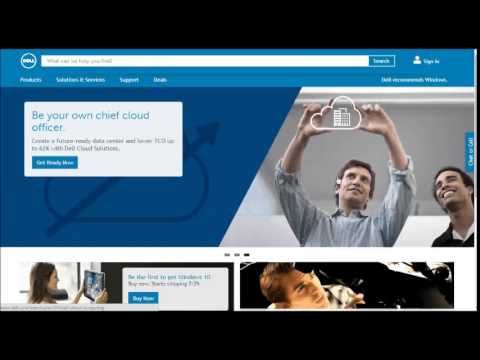
5. ProSupport: The Promise Behind the Product
Perhaps the smartest campaign of all was the one that didn't sell a tangible product, but a service: Dell ProSupport. These ads positioned Dell not as a seller, but as a strategic partner.
Visual Strategy: IT crisis scenarios resolved calmly thanks to a Dell expert on the other end of the phone. 24/7 response, expertise, and proactiveness were emphasized. The final message was: "We don't just sell you servers; we ensure they never stop." This elevated the value proposition from transaction to relationship.
YouTube:

📊 Table: Dell's Solution Ecosystem Through Its Advertising
| OptiPlex | Business desktops | "Productivity never takes a break" | Reliability, security, low operational cost. |
| Latitude | Business laptops | "Your office, wherever you are" | Mobility with endurance and data protection. |
| Precision | Workstations | "Power innovation" | High performance for critical and creative tasks. |
| Dell EMC | Infrastructure (servers, storage) | "Scale your digital transformation" | Scalability, integration, large-scale data management. |
| ProSupport | IT support services | "We take care of it, you move forward" | Risk reduction, external expertise, peace of mind. |
🔍 Expert Analysis: Why Dell's B2B Strategy Worked
The effectiveness of these campaigns can be attributed to solid B2B marketing principles:
Pain-Point Oriented Messaging: Each ad identified and attacked a specific business anxiety: fear of insecurity, downtime, lack of scalability. Dell presented itself as the solution to that pain.
From Seller to Partner: This was the most important shift. The ProSupport advertising was key to achieving it. By offering services, Dell ceased to be a commodity provider to become an extension of the client's IT department.
Consistency and Credibility: For years, the serious, professional, solution-focused tone was constant. This built a reputation for seriousness and reliability that is invaluable in the business market, where purchasing decisions are conservative and based on trust.
Ecosystem Integration: The campaigns didn't show isolated products. They implicitly suggested that by choosing Dell for laptops, you could also trust them for servers and support. This created a "Dell universe" effect that facilitated cross-selling and customer loyalty.
⚖️ Strengths and Weaknesses of the Approach
Strengths:
Building Trust: The insistence on reliability and support created a defensive competitive advantage difficult for competitors more focused on design or price to match.
Clarity of Positioning: Any purchasing manager knew exactly what Dell stood for: robust, no-surprise business solutions.
Long-Term Loyalty: By selling relationships through services, Dell ensured recurring revenue and more predictable upgrade cycles.
Challenges and Risks:
Perception of Lack of Innovation: The focus on the reliable and safe sometimes made Dell perceived as conservative and lacking vision, especially compared to brands like Apple in the creative sphere.
The Shadow of the Consumer Past: The ghost of "Dude, you're getting a Dell" was a drag for years. The company had to work hard to clearly separate its business identity from its consumer heritage.
Fierce Competition in Services: While Dell built ProSupport, competitors like IBM, HP, and later the cloud giants (AWS, Azure) offered even deeper consulting and transformation services, forcing Dell to constantly scale its value proposition.
✅ Conclusion: The Advertising That Built a Partner, Not a Brand
Dell's advertising history in the business realm is a case study in brand evolution. It demonstrated that in B2B, the most effective storytelling is not the most glamorous, but the one that solves real problems with a promise of unbreakable consistency.
Dell achieved something fundamental: it made businesses buy not for the product, but for the implicit promise that things would work. In a market full of technical specifications and jargon, its advertising spoke the universal language of operational tranquility. It didn't sell the fastest microprocessor, it sold the meeting that wouldn't be canceled due to a technical failure. It didn't sell storage, it sold the security that data would always be accessible.
This advertising legacy positioned Dell not as the maker of the most exciting computers, but as the provider of the most reliable tools to get the job done. In the business world, where risk is the enemy, that turned out to be the most convincing value proposition of all.
Explore Dell's innovative journey in technology advertising, showcasing how the brand has evolved and influenced the tech landscape over the years.
Resolve the An unexpected error occurred message in Dell SupportAssist quickly and easily. Get expert tips and solutions now!
Discover how Intel transforms microchips into pop culture icons through innovative advertising. Explore the intersection of technology and creativity today.

Explore the visual history of Microsoft Cloud Ads and discover how cloud innovation has transformed the digital landscape. Dive into the evolution today!
Discover how Google Ads can enhance everyday utility for your business. Learn effective strategies to reach your audience and boost engagement today.

Discover how Amazon Ads are transforming shopping experiences, enhancing customer engagement, and driving sales. Explore innovative strategies today.

Discover how Coca-Cola's ads embrace local cultures, creating powerful connections through relatable themes and vibrant storytelling. Explore the impact today!

Explore the iconic Sony PlayStation ads that shaped the console wars, showcasing innovative marketing strategies and unforgettable moments in gaming history.
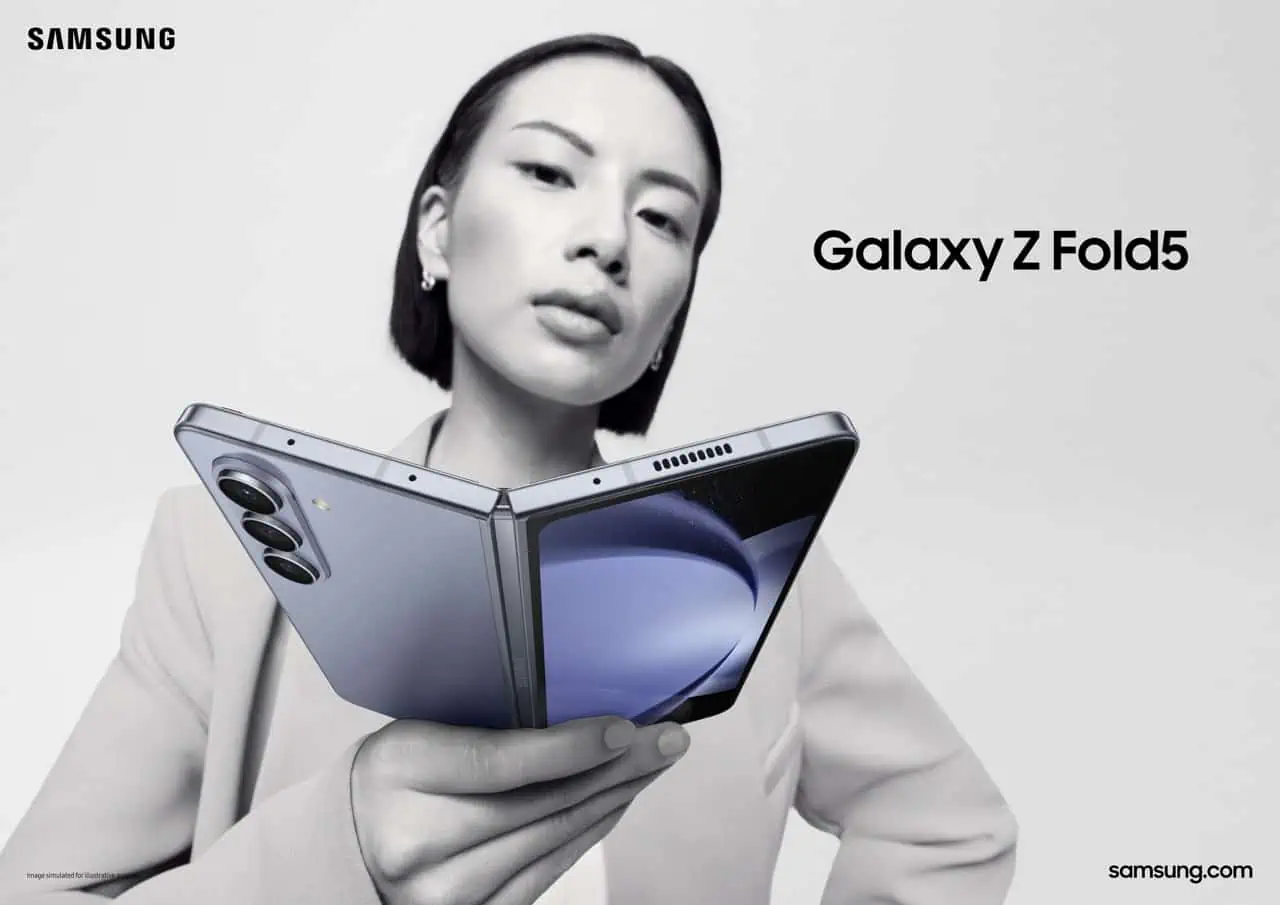
Discover how Samsung Ads showcases the groundbreaking innovation of foldable technology, transforming the way we interact with devices and advertising.

Discover how Apple Ads prioritize accessibility, showcasing innovative features that empower users of all abilities. Explore inclusive marketing strategies today.