
Advertising's primary goal is to sell, but its most enduring legacy often has little to do with products. In the alchemy of pop culture, certain commercials transcend their 30-second confines to achieve a form of digital immortality as memes. These ads, often born decades before social media, have been resurrected, remixed, and re-contextualized by the internet hive mind, evolving into shared cultural shorthand. This article dissects five iconic commercials that became memes, exploring the unpredictable ingredients of virality and the profound, often unintended, lessons they offer for modern marketing in an age where "meme potential" is a deliberate strategy.
The Unpredictable Recipe for Meme Immortality
Why do some ads fade into oblivion while others become evergreen internet currency? The pattern isn't about high budgets or celebrity cameos, but about cultural friction, linguistic utility, and remixable DNA.
The Catchphrase Catalyst: A simple, repeatable line that escapes the ad's context. It becomes a tool for communication in everyday life.
The Absurdity/Awkwardness Factor: Unintentionally funny delivery, odd production choices, or surreal concepts that feel out of time. The internet loves to ironically celebrate the "cringe."
The Blank Canvas Effect: A short, visually striking clip or line that is easily detached and reapplied to new situations, from politics to personal frustration.
The Nostalgia Engine: For Gen Z and Millennials, rediscovering a bizarre or earnest relic from pre-internet advertising feels like unearthing a shared cultural artifact, ripe for ironic veneration.
Case Study Deconstruction: Five Ads That Achieved Digital Afterlife
1. Budweiser – "Whassup?" (1999): The Proto-Viral Catchphrase
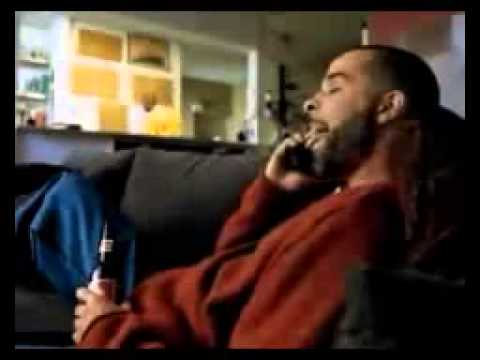
The Ad: A series of friends connected by phone, exchanging an exaggerated, drawn-out "Whassuuuup?" with laid-back camaraderie.
Why It Became a Meme: This was virality in the analog age. The phrase was perfectly designed for repetition—simple, silly, and imbued with a sense of in-the-know camaraderie. It spread through school hallways, offices, and late-night TV parodies before the modern internet could amplify it.
Meme Evolution: In the 2000s, it became an early internet GIF and forum staple. It saw a poignant revival during the COVID-19 lockdowns as a "check on your friends" meme, showcasing its enduring emotional core beneath the humor. The meme never mocked the ad; it celebrated and extended its spirit.
Lesson for Marketers: Authentic, joy-based humor that taps into a universal social ritual (greeting friends) can have limitless longevity. It sold a feeling (belonging) more than a beer.
YouTube Link:
2. The Kazoo Kid – "You on Kazoo!" (1980s): The Accidental Absurdist Icon
The Ad: A low-budget toy commercial featuring a boy with intense, unblinking enthusiasm demonstrating a plastic kazoo. The line "You on Kazoo!" is delivered with jarring earnestness.
Why It Became a Meme: Rediscovered in the mid-2010s, the ad is a masterpiece of unintentional surrealism. The boy's dead-eyed stare, the stilted acting, and the sheer commitment to the kazoo's world-altering importance made it prime material for ironic, absurdist humor.
Meme Evolution: The clip was isolated, looped, and remixed into countless YouTube Poops and surreal edits. The phrase "You on Kazoo!" became a non-sequitur punchline. The meme wasn't about the toy; it was about the bizarre, unfiltered earnestness of pre-digital advertising.
Lesson for Marketers: You cannot manufacture this. The meme was born from the ad's authentic, unpolished awkwardness, a quality meticulously airbrushed from modern marketing. It shows the internet's power to re-contextualize anything with a unique texture.
YouTube Link:

3. Tim & Eric – "It's Free Real Estate" (2009): The Surrealist Slogan
The Ad: Part of Tim & Eric's "Infomercials" on Adult Swim, this sketch features a man in a cheap suit directly addressing the camera with the deadpan, repeated slogan: "It's free real estate."
Why It Became a Meme: This was meme-bait from inception, but genius in its execution. The phrase is a perfect, self-contained unit of absurd logic. Its deadpan delivery made it applicable to any situation where something is gratuitously free or offered.
Meme Evolution: It escaped the niche comedy world to become a universal reaction image and video caption. It's used in gaming (free loot), politics (empty promises), and everyday life. The meme leverages the disconnect between the phrase's straightforward meaning and its surreal origin.
Lesson for Marketers: Demonstrate the power of a supremely versatile, context-agnostic slogan. While most brands seek clarity, a phrase with absurdist ambiguity can have wider, more creative applications, granting it a longer cultural shelf life.
YouTube Link: (While a specific direct link to the original sketch is often protected, searchable compilations showcase its meme impact.)
4. Life Alert – "I've Fallen, and I Can't Get Up!" (1987): The Dramatic Punchline
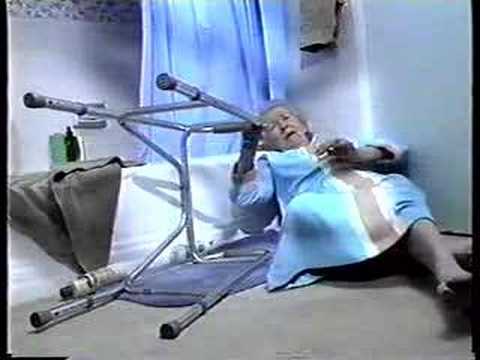
The Ad: A serious, concern-raising commercial for medical alert devices, featuring an elderly woman uttering the now-iconic line after a fall.
Why It Became a Meme: The line's melodramatic delivery and stark, fear-based messaging made it ripe for parody when removed from its serious context. It became shorthand for any minor incapacity or overdramatized helplessness.
Meme Evolution: Used in memes about being stuck in bed, losing a video game, or facing a daunting task. The meme walks a line between dark humor and lighthearted relatability. Interestingly, while mocked, the brand awareness for Life Alert became astronomical, proving that even meme-driven mockery can serve a brand's top-of-mind objective.
Lesson for Marketers: A supremely memorable and emotionally charged line can embed a brand in culture, even if the association becomes humorous. It highlights the double-edged sword of distinctive creative: you lose control of the tone, but you gain indelible top-of-mind awareness.
YouTube Link:
5. Wendy's – "Where's the Beef?" (1984): The Competitive Jabs as Cultural Critique
The Ad: Featuring the inimitable Clara Peller, the ad humorously questioned the size of competitors' burger patties with the blunt, demanding phrase: "Where's the beef?"
Why It Became a Meme: This was a catchphrase as cultural critique. It perfectly encapsulated the idea of something being all flash and no substance. Its utility extended far beyond burgers.
Meme Evolution: It was famously adopted in the 1984 Democratic presidential primaries by Walter Mondale to critique opponent Gary Hart's policies. It has since been used to critique everything from bloated software to hollow political speeches. Wendy's modern, snarky Twitter persona is a direct descendant of this campaign's confident, challenging tone.
Lesson for Marketers: A slogan that articulates a widely felt consumer frustration in a witty, confrontational way can give a brand a powerful, lasting voice. It positions the brand as a challenger and truth-teller, an identity that can be maintained for decades.
YouTube Link:

The Modern Paradox: Engineering the Unengineerable
In 2026, brands actively try to create "meme-ready" content. However, the classics teach us that the most potent memes often arise from authenticity, absurdity, or an earnestness that feels out of step with contemporary polish. The Kazoo Kid wasn't focus-grouped. Clara Peller's delivery was raw and real.
The key lesson is not to force memeability, but to create distinctive, bold, and emotionally or humorously charged creative work with simple, extractable components. Give the internet a phrase, a face, or a moment of bizarre sincerity it can use, remix, and make its own. The brand's role is to launch the vessel; the culture decides its course. In the end, a commercial that becomes a meme achieves the highest form of advertising success: it stops being an ad and becomes a piece of shared language.
Discover effective strategies for conducting market research to enhance your campaigns. Learn how to gather insights that drive successful marketing decisions.
Discover how visuals enhance advertising effectiveness, capturing attention and driving engagement. Explore the science behind impactful visual strategies.
Discover the art of crafting a compelling brand story that connects with your audience. Learn essential tips to elevate your brand's narrative and impact.
Discover the charm of Japanese Kawaii ads and learn why cute characters dominate Tokyo's advertising landscape. Explore the impact of cuteness on culture.
Discover the future of urban mobility with our E-Bike Marketing 2026 insights. Learn how to sell freedom and enhance city living through innovative strategies.
Discover the ultimate showdown between Bose and Sony in noise-canceling technology. Explore features, performance, and ads that define the sound of silence.
Discover the future of advertising with Meta Headset Ads 2026. Explore strategies to effectively market in the evolving mainstream metaverse landscape.
Discover the key differences between Apple Watch and Garmin in 2026. Explore how marketing health features compete with status symbols in wearables.
Explore the visual language of Moët & Chandon's champagne ads. Discover how imagery and design elevate brand perception and consumer engagement.
Discover how Hollywood directors are shaping luxury tequila ads, blending artistry and branding to elevate the spirit's allure in the market.
Discover how Heineken is revolutionizing the beer industry with its "Zero Alcohol" lifestyle marketing strategy for 2026. Explore innovative approaches today.